Kissing someone with piercings can feel exciting, mysterious, slightly intimidating, andif you are not carefullike accidentally making out with a tiny wind chime. Lip rings, tongue barbells, labret studs, Monroe piercings, Medusa piercings, smiley piercings, and cheek piercings can all add personality and style to a kiss. But they also add one important rule: slow down and pay attention.
The good news? Kissing someone with piercings is not a complicated science project. You do not need a manual, a flashlight, and a dental degree. What you do need is consent, patience, clean technique, and a little awareness of how oral piercings heal. Fresh piercings are wounds, and the mouth is full of bacteria, so kissing too soon or too aggressively can irritate the piercing, delay healing, or increase the risk of infection. Once the piercing is fully healed, kissing can be perfectly comfortable and funas long as nobody treats the jewelry like a chew toy.
This guide breaks the topic into three simple methods: waiting until the piercing is safe to kiss, learning how to kiss gently around jewelry, and keeping communication and hygiene at the center of the experience. Think of it as romance with a seatbelt: still fun, just less likely to end with an awkward trip to the piercer or dentist.
Way 1: Wait Until the Piercing Is Healed
The first and most important way to kiss someone with piercings is beautifully simple: do not rush the healing process. A new lip or tongue piercing may look cool within days, but appearance can be deceiving. Piercings often heal from the outside inward, which means the surface may seem fine while the tissue underneath is still tender and vulnerable.
During the early healing period, wet kissing is generally a bad idea. A fresh oral or lip piercing is an open channel in the skin or mucous membrane. Saliva, pressure, friction, and accidental bumping can introduce bacteria and irritate the wound. Even if both people are healthy, kissing can still be too much movement and moisture for a piercing that is trying to settle down.
Ask About the Piercing’s Age
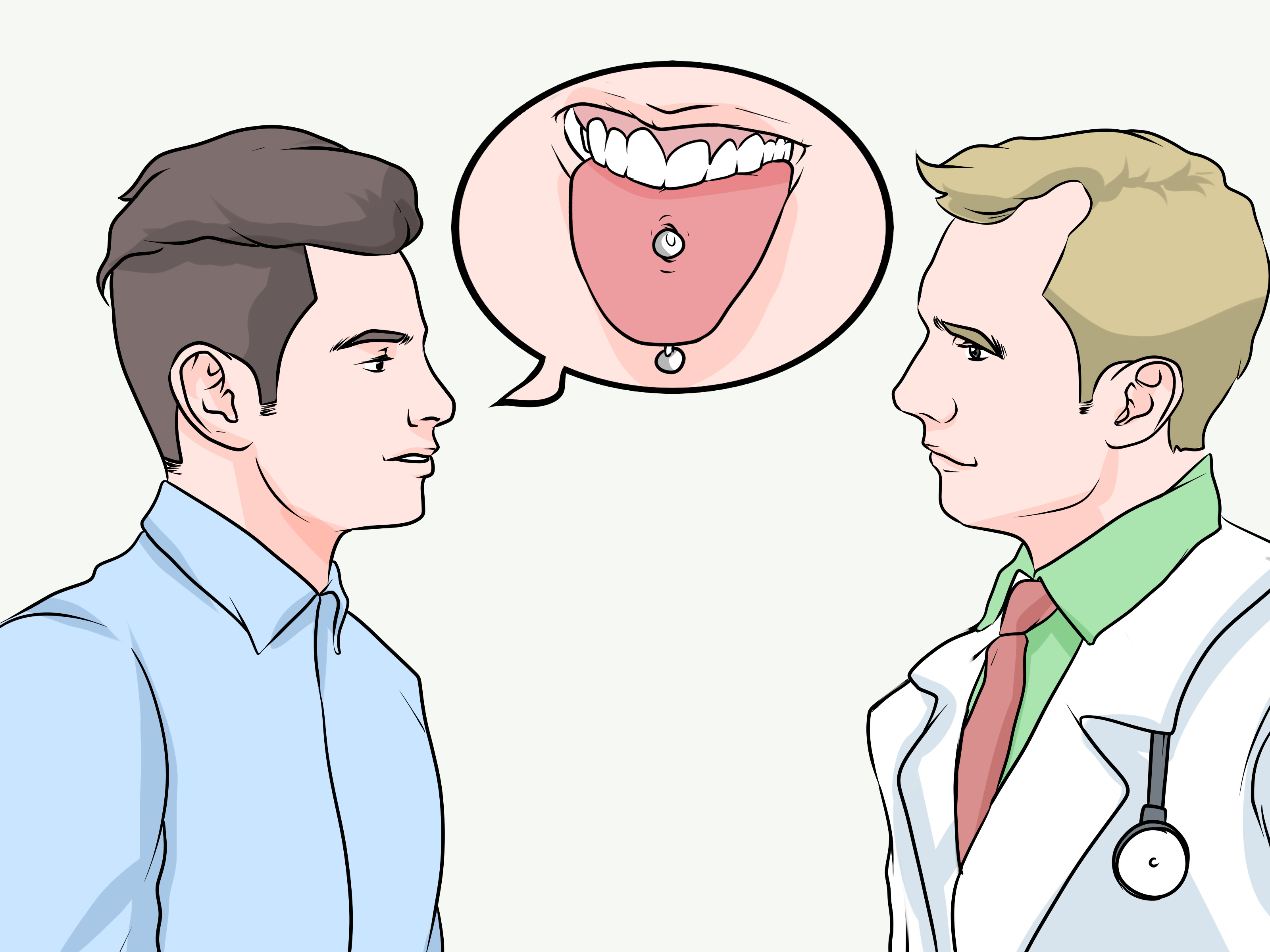
Before kissing someone with a lip piercing, tongue piercing, or other oral jewelry, ask a normal human question: “Is it healed enough to kiss?” This does not have to sound like a medical interview. You can keep it flirty and respectful: “I want to kiss you, but I do not want to mess up your piercing. Is it okay?” That one sentence does three useful things. It shows interest, respects their body, and prevents you from becoming the villain in their aftercare story.
Healing time depends on the piercing type, placement, jewelry, aftercare routine, and the person’s body. Tongue piercings may feel better after the initial swelling drops, but that does not always mean the tissue is fully stable. Lip piercings can also remain sensitive for weeks. If your partner says the piercing is new, irritated, sore, swollen, or still producing discharge, wait. There are many romantic options that do not involve disturbing a healing wound: cheek kisses, forehead kisses, holding hands, dramatic eye contact across a pizza, and so on.
Know the Warning Signs
If the piercing looks angry, do not kiss it. Signs that a piercing may need attention include increasing pain, heat, swelling, redness that spreads, thick yellow or green discharge, bleeding that does not calm down, a bad smell, fever, or jewelry that seems embedded in the skin. Mild tenderness and some crusting can be normal early on, but worsening symptoms are not something to ignore.
If your partner has a piercing that appears infected, encourage them to contact a professional piercer or healthcare provider. Do not suggest removing the jewelry unless a qualified professional recommends it; removing jewelry from an infected piercing can sometimes trap infection inside. The romantic move here is not “power through it.” The romantic move is “let’s protect your mouth and face.” Extremely attractive. Ten out of ten.
Do Not Kiss Around Cold Sores
Another important rule: avoid kissing if either person has a cold sore, tingling around the lips, or symptoms that suggest an oral herpes outbreak may be starting. Cold sores can spread through kissing and close oral contact. Piercings do not magically cause cold sores, but broken or irritated skin can make the situation more uncomfortable and potentially riskier.
This is not about shame. Many people have oral herpes, and outbreaks are common. The respectful approach is simple: pause kissing until the sore is fully healed, avoid sharing lip products, and talk honestly. Nothing kills the mood faster than pretending a visible cold sore is “just spicy salsa.”
Way 2: Kiss Gently and Avoid Pulling the Jewelry
Once the piercing is healed and your partner says kissing is okay, the next step is technique. Kissing someone with piercings is not about performing acrobatics with your mouth. It is about being gentle, observant, and responsive.
Start with light pressure. A soft closed-mouth kiss is often the safest opening move, especially if the person has a lip ring, labret stud, vertical labret, Medusa, Monroe, or tongue piercing. This lets both of you feel how the jewelry sits without clanking teeth, snagging skin, or turning a sweet moment into a tiny metal rodeo.
Go Slow at First
Slow kissing is not boring. Slow kissing is research with better lighting. Begin gently, then adjust based on your partner’s reaction. If they lean in, relax, or kiss back comfortably, you can gradually deepen the kiss. If they pull away, flinch, laugh nervously, or reposition their mouth, pause and ask if everything is okay.
With lip piercings, avoid pressing hard directly on the jewelry. A stud or ring can push against teeth or gums, and repeated impact may be uncomfortable. With tongue piercings, avoid biting or sucking the jewelry unless your partner clearly says they like it and the piercing is fully healed. Even then, keep it light. Tongue barbells can chip teeth if they are bitten, and nobody wants a kiss that ends with the phrase, “Was that enamel?”
Watch Your Teeth
Teeth and oral jewelry have a complicated relationship. The jewelry looks great; the teeth would prefer not to be hit with metal. Oral piercings can contribute to chipped teeth, scratched enamel, gum irritation, gum recession, and damage to dental work when jewelry repeatedly knocks or rubs against the mouth.
When kissing someone with piercings, keep your teeth relaxed and avoid clamping down. Do not tug rings with your teeth. Do not bite a tongue barbell. Do not try to “play” with the jewelry unless you have clear permission and know exactly what your partner enjoys. A little curiosity is normal; treating their piercing like a bottle opener is not.
Be Careful With Lip Rings
Lip rings can be especially easy to catch accidentally. If your partner wears a hoop, circular barbell, captive bead ring, or decorative lip jewelry, avoid sudden sideways movement. A sharp pull can hurt, irritate the piercing channel, or cause swelling. Instead, angle your face slightly and let your lips meet naturally around the jewelry.
If you feel the jewelry getting caught, stop immediately. Do not yank away like you have been attacked by a fishing hook. Pause, separate gently, laugh if the moment allows, and reset. The best kissers are not the people who never make awkward contact; they are the people who handle awkward contact without turning it into a crisis.
Keep Tongue Kissing Soft
French kissing someone with a tongue piercing can be enjoyable, but it should be gentle and gradual. A healed tongue piercing may feel smooth or slightly cool against the mouth. Some people love that sensation. Others prefer very little contact with the jewelry. Let the person with the piercing lead the pace at first.
Avoid aggressive tongue movement. Do not chase the jewelry. Do not click it against your teeth. If your partner’s barbell feels long, loose, sharp, or uncomfortable, mention it kindly outside the kiss. Jewelry that is too long after swelling has gone down may move more and increase the chance of dental irritation, so a professional piercer may recommend downsizing when appropriate.
Way 3: Communicate, Stay Clean, and Respect Boundaries
The third way to kiss someone with piercings is the one that makes every other tip work: communicate. Kissing is not a silent exam where everyone hopes they guessed correctly. A quick check-in can make the whole experience more comfortable, especially if the piercing is new to you.
Try simple questions like, “Does that feel okay?” “Do you want me to avoid the ring?” or “Is there a way you like being kissed with it?” These questions do not ruin the mood. They build confidence. Most people would rather be asked than have someone accidentally crush their lip stud into their gumline like a poorly aimed doorbell.
Respect the Person, Not Just the Piercing
A piercing is not an invitation to touch, tug, lick, bite, or comment in weird ways. It is part of someone’s body and style. Always get consent before focusing on it. Some people enjoy attention on their lip ring or tongue piercing; others prefer that you ignore it during kissing. Both preferences are valid.
Also, avoid turning the piercing into the entire conversation. Compliment it, sure. Ask a polite question, absolutely. But do not make the person feel like a museum exhibit labeled “Rare Human With Metal.” A good kiss is about connection, not hardware inspection.
Keep Your Mouth Clean
Oral hygiene matters when kissing anyone, but it matters even more when piercings are involved. Brush your teeth, stay hydrated, and avoid kissing right after smoking, vaping, or eating something that leaves strong residue. If your partner has an oral piercing, they may be especially mindful of bacteria and irritation.
This does not mean you must sprint to the bathroom with dental floss before every kiss. It does mean that basic cleanliness is attractive and practical. Fresh breath is never a bad strategy. Nobody has ever said, “I loved the chemistry, but I wish there had been more onion atmosphere.”
Do Not Share Lip Products During Healing
If the piercing is healing or irritated, avoid sharing lip balm, lipstick, gloss, cups, straws, or utensils. Shared items can transfer saliva and bacteria. Even after healing, sharing lip products is not the best habit, especially if someone is prone to cold sores or skin irritation.
For healed piercings, normal kissing is usually fine when both people are comfortable and healthy. The key is to avoid kissing during active infections, visible sores, or irritation. When in doubt, pause and ask. A short conversation is better than a long regret.
Common Types of Piercings You May Encounter While Kissing
Different piercings change the kissing experience in different ways. You do not need to memorize every piercing name, but knowing the basics can help you avoid surprises.
Lip Piercings
Lip piercings include side lip rings, labret piercings, vertical labrets, snake bites, spider bites, angel bites, dolphin bites, Monroe piercings, Madonna piercings, and Medusa piercings. These piercings may use studs, hoops, curved barbells, or other jewelry. When kissing, the main concern is pressure. If jewelry presses into the teeth or gums, it can be uncomfortable. Gentle lip contact works best.
Tongue Piercings
Tongue piercings usually use a barbell. During kissing, the jewelry may touch the other person’s tongue, lips, or teeth. Some people find this exciting; others need time to adjust. The safest technique is slow, soft movement without biting the barbell or pushing it against teeth.
Smiley and Frenulum Piercings
A smiley piercing sits inside the upper lip through the thin tissue that connects the lip to the gum. Because it is close to the teeth and gums, rough kissing or jewelry movement can irritate the area. Be especially cautious with pressure and friction.
Cheek Piercings
Cheek piercings, sometimes called dimple piercings, are not directly on the lips, but they can still be bumped during passionate kissing. Avoid pressing your face hard into them, especially if they are newer or sensitive.
What Not to Do When Kissing Someone With Piercings
Some mistakes are easy to avoid once you know them. First, do not surprise someone by biting or pulling their jewelry. What looks playful in your imagination may feel painful in real life. Second, do not kiss a fresh piercing, even if your partner says, “It is probably fine,” while clearly wincing. Third, do not ignore pain, bleeding, or swelling. Fourth, do not make jokes that make the person feel self-conscious about their body modification.
Also avoid treating piercings like a challenge. You are not trying to “figure out” the jewelry as if unlocking a puzzle box. You are kissing a person. Stay present, keep the pace comfortable, and let curiosity be guided by consent.
How to Make the Kiss Feel Natural
The secret to kissing someone with piercings is not obsessing over the piercing. Once you know the piercing is healed and your partner is comfortable, relax. Start with the same fundamentals that make any kiss good: soft lips, steady breathing, comfortable pacing, and attention to the other person’s reactions.
If the jewelry touches you, do not panic. A lip ring may feel cool. A tongue barbell may create a new texture. A stud may change the angle of the kiss. These sensations are part of the experience, not problems by default. The goal is not to avoid the piercing completely; the goal is to avoid hurting the person wearing it.
When the moment feels right, you can ask what they like. Some people enjoy light attention around the piercing after it is fully healed. Others prefer a standard kissing style. The best approach is personalized. Great kissing is not about having one universal technique. It is about noticing the person in front of you.
When to Pause or Stop
Stop kissing if your partner says it hurts, if the jewelry catches, if there is bleeding, if the piercing becomes swollen, or if either person feels uncomfortable. You should also pause if you notice a sore, rash, unusual discharge, or strong irritation around the mouth.
Stopping does not mean the moment failed. It means you are paying attention. You can switch to cuddling, talking, or non-mouth affection. Being considerate is not unromantic. In fact, “I care more about your comfort than proving I am a legendary kisser” is an underrated form of charm.
Extra Experience Section: Real-Life Lessons About Kissing Someone With Piercings
One of the most common experiences people describe when kissing someone with piercings is surprise. Not fear, not dangerjust surprise. The first time you kiss someone with a lip ring, you may notice the cool touch of metal before anything else. It can feel unfamiliar for half a second, and then your brain usually says, “Oh, okay, this is just part of the kiss.” The key is not to overreact. If you freeze like you have discovered a secret button, your partner may feel awkward. Smile, stay relaxed, and keep the kiss gentle.
Another real-world lesson is that healed piercings and healing piercings are completely different experiences. A fully healed lip ring may barely affect the kiss. A fresh piercing, however, can be tender, swollen, and sensitive to even light pressure. Someone may be excited to kiss but still not ready physically. This is where maturity matters. Waiting a few weeks can prevent pain and protect the piercing. Rushing may turn a romantic moment into a healing setback. Patience is cheaper than antibiotics and much cuter than panic.
People also learn quickly that communication can be surprisingly attractive. A simple “Is this okay?” can make a kiss feel safer and more intimate. It shows that you are not just chasing your own experience; you are paying attention to theirs. Many people with piercings have had at least one person get too rough, ask strange questions, or treat the jewelry like a novelty toy. Being the person who is respectful and calm immediately sets you apart.
There is also the practical matter of angles. If someone has a side lip ring, kissing straight on may feel different than kissing slightly angled. If they have a vertical labret, too much pressure on the center of the lip may be uncomfortable. If they have a tongue piercing, aggressive tongue movement can create tooth contact. Small adjustments make a big difference. You do not need to announce, “I am now changing the angle by twelve degrees.” Just move naturally, notice what feels smooth, and follow your partner’s response.
Another experience worth mentioning is the accidental jewelry catch. It happens. A ring can brush against your lip, a stud can bump your teeth, or two movements can line up badly. The best response is to stop gently, laugh if appropriate, and check in. Do not yank away. Do not act horrified. Do not say something dramatic like, “Your face attacked me.” A calm reset keeps the moment from becoming embarrassing.
Finally, kissing someone with piercings often teaches a bigger lesson about intimacy: confidence is not the same as force. The best kissers are not the most aggressive. They are responsive. They understand that bodies have details, preferences, and limits. Piercings simply make those details more visible. When you combine patience, hygiene, consent, and a sense of humor, kissing someone with piercings can be comfortable, memorable, and genuinely fun.
Conclusion
Kissing someone with piercings is all about timing, tenderness, and communication. Wait until the piercing is healed, avoid kissing during irritation or cold sores, start gently, protect the jewelry from pulling or biting, and ask what feels good. Piercings can add style and sensation, but they should never add pressure, pain, or confusion.
The best approach is simple: respect the person first and the jewelry second. If the piercing is new, wait. If it is healed, go slowly. If something feels awkward, pause and laugh. A good kiss does not need to be perfect; it needs to be considerate. And when in doubt, remember the golden rule of kissing someone with piercings: lips are for kissing, jewelry is not a snack.