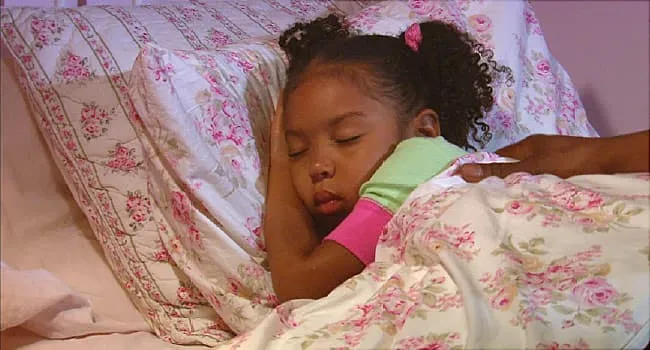
Bedwetting can turn an ordinary morning into a laundry emergency, a confidence crisis, and a family mystery before anyone has found matching socks. Yet nighttime accidents are rarely caused by laziness, defiance, or “not trying hard enough.” In most children, bedwetting is connected to normal differences in bladder development, nighttime urine production, sleep arousal, and genetics.
Parents searching for WebMD Video Bedwetting causes usually want the same thing: a clear explanation of why an otherwise healthy, toilet-trained child wakes up in a wet bed. This guide provides that explanation while separating common developmental causes from symptoms that deserve medical attention.
What Is Bedwetting?
Bedwetting is the involuntary release of urine during sleep. Its medical name is nocturnal enuresis. Occasional nighttime accidents are common during early childhood because nighttime bladder control often develops later than daytime control.
Many children can use the toilet independently during the day but still need more time before their bladder, kidneys, nervous system, and sleeping brain cooperate through an entire night. It is a surprisingly complicated team project for something adults do without thinking.
According to the National Institute of Diabetes and Digestive and Kidney Diseases, approximately one in six 5-year-olds wets the bed, compared with roughly one in ten 7-year-olds. Only about one or two out of every 100 teenagers still experience it. These numbers show that bedwetting generally becomes less common as children mature.
Primary Bedwetting
Primary nocturnal enuresis describes a child who has never consistently remained dry overnight. This is the most common pattern. It generally indicates that nighttime bladder control is still developing rather than that the child has suddenly developed a disease.
Secondary Bedwetting
Secondary nocturnal enuresis occurs when a child begins wetting the bed after staying dry at night for at least six months. Because this represents a noticeable change, parents should discuss it with a pediatrician. Constipation, infection, diabetes, sleep problems, emotional stress, or another health condition may be contributing.
The Most Common Bedwetting Causes
1. Nighttime Bladder Control Is Still Developing
The most common explanation is simply developmental timing. A child’s bladder may not yet store enough urine to last from bedtime until morning. The nerves that send “the tank is full” messages to the brain may also still be maturing.
During the day, a child notices bladder pressure, pauses a game, performs the traditional urgent bathroom shuffle, and reaches the toilet. During sleep, that signal must be strong enough to wake the child. For some children, the communication system is still installing its nighttime software.
Slow physical development, a relatively small functional bladder capacity, deep sleep patterns, and an immature nervous system can all contribute between ages 5 and 10.
2. The Child Does Not Wake When the Bladder Is Full
Parents often describe a child who could apparently sleep through a marching band rehearsing beside the bed. Deep sleep itself is not necessarily abnormal, but some children do not wake easily when their bladder sends a fullness signal.
This does not mean that the child is choosing to ignore the signal. The sleeping brain may simply fail to recognize it early enough. As the brain-bladder connection matures, many children begin waking independently or holding urine until morning.
3. Too Much Urine Is Produced Overnight
The body normally releases more antidiuretic hormone, commonly called ADH, at night. This hormone tells the kidneys to reduce urine production while a person sleeps. Some children do not yet produce enough nighttime ADH, so their kidneys continue making more urine than the bladder can comfortably hold.
Imagine filling a child-size cup from a faucet that forgot to slow down. Even a healthy bladder has limits. Low nighttime ADH levels, limited bladder capacity, and difficulty waking can combine to create regular wet nights.
4. Bedwetting Runs in the Family
Genetics has a strong influence on nocturnal enuresis. A child is more likely to wet the bed when a parent, sibling, or close relative experienced the same problem. NIDDK reports that the likelihood is approximately one in three when one parent wet the bed as a child and about seven in ten when both parents did.
This family connection can also help emotionally. A parent who says, “This happened to me, too, and I grew out of it,” can replace embarrassment with reassurance. Suddenly the child is not the only member of the family’s secret pajama club.
5. Constipation Presses on the Bladder
Constipation is one of the most overlooked bedwetting causes. The bowel and bladder occupy limited space inside the pelvis. When hard or backed-up stool fills the rectum, it can place pressure on the bladder, reduce its capacity, interfere with nerve signals, and create urinary urgency or leakage.
A child may be constipated even when bowel movements occur regularly. Warning signs include large or painful stools, stool withholding, abdominal discomfort, skid marks in underwear, or bowel movements that clog the toilet with impressive determination.
Parents should avoid starting laxatives or enemas solely on internet advice. A pediatrician can determine whether constipation is present and recommend an age-appropriate treatment plan.
6. Daytime Bathroom Habits Affect the Night
Some children postpone bathroom trips because school, sports, crafts, or video games are clearly more important than signals from internal organs. Regularly holding urine can contribute to bladder overfilling and poor emptying habits.
A child may cross their legs, squat, wiggle, grab the groin, or insist they do not need the bathroom while performing choreography that strongly suggests otherwise. Scheduled daytime bathroom visits can help the bladder empty regularly and may reduce both daytime and nighttime accidents.
Medical Conditions That May Cause Bedwetting
Most childhood bedwetting is developmental, but certain medical conditions can trigger or worsen it. These possibilities are especially important when bedwetting starts suddenly, occurs with daytime symptoms, or returns after a long dry period.
Urinary Tract Infection
A urinary tract infection can irritate the bladder and cause frequent urination, urgency, daytime accidents, or nighttime wetting. A child may also experience burning during urination, abdominal or back pain, fever, cloudy urine, blood in the urine, or unusually strong-smelling urine.
A suspected UTI requires medical evaluation. Clinicians commonly use a urine test and, when appropriate, a urine culture to look for infection.
Type 1 Diabetes
When blood glucose is very high, the kidneys remove some of the excess glucose through urine. This process increases urine production and can cause a previously dry child to begin wetting the bed.
Seek prompt medical advice when new bedwetting appears alongside intense thirst, frequent daytime urination, unexplained weight loss, unusual hunger, fatigue, nausea, vomiting, or fruity-smelling breath. Type 1 diabetes symptoms can develop quickly in children.
Obstructive Sleep Apnea
Obstructive sleep apnea causes repeated breathing interruptions during sleep. It may be associated with loud snoring, gasping, mouth breathing, restless sleep, morning headaches, daytime sleepiness, attention problems, or bedwetting that returns after dry nights.
Children with enlarged tonsils or adenoids may be particularly vulnerable. Because sleep apnea affects breathing and sleep quality, persistent snoring with bedwetting should not be dismissed as merely an unusual bedtime soundtrack.
Overactive Bladder or Voiding Dysfunction
An overactive bladder contracts before it is full, creating sudden urgency and sometimes leakage. Children may urinate frequently, rush to the bathroom, use holding maneuvers, or experience daytime wetting as well as nighttime accidents.
Other children do not fully empty their bladder because the bladder, urinary sphincter, and pelvic floor muscles are not coordinating smoothly. A weak stream, interrupted urination, straining, or frequent infections may suggest a voiding problem that needs evaluation.
Structural or Neurological Conditions
Less commonly, bedwetting may be related to an abnormality involving the kidneys, bladder, ureters, urethra, spinal cord, or nerves controlling urination. These causes are more likely when there has always been continuous dribbling, an abnormal urine stream, repeated infections, leg weakness, unusual walking, altered sensation, or an abnormality near the lower spine.
These conditions are uncommon, but they illustrate why persistent wetting with additional symptoms deserves professional assessment rather than an endless experiment involving fewer evening juice boxes.
Can Stress Cause a Child to Wet the Bed?
Stress is rarely the sole cause of long-standing primary bedwetting. However, emotional changes can worsen existing wetting or contribute to secondary bedwetting in a child who had previously stayed dry.
Starting school, moving, family conflict, the arrival of a sibling, parental separation, bullying, bereavement, illness, or sleeping in a new environment may influence sleep and bathroom patterns. Some children express stress through behavior; others express it through stomachaches, sleep problems, or a suddenly unreliable bladder.
Parents should respond with curiosity rather than interrogation. A calm conversation such as, “I noticed your bed has been wet again. Has anything been worrying you?” is more useful than asking why the child “did it.” In cases involving sudden regression, significant anxiety, behavioral changes, or possible abuse, professional support is essential.
Bedwetting Myths That Belong in the Laundry Basket
Myth: The Child Is Lazy
Bedwetting occurs while the child is unconscious. Laziness does not control kidney function, hormone release, bladder capacity, or nighttime arousal.
Myth: Punishment Will Stop It
Punishment can increase shame and family conflict without changing the underlying cause. Children should never be mocked, threatened, exposed to siblings, or forced to wear wet clothing as a consequence.
Myth: Removing All Evening Fluids Is the Answer
Reasonable timing of fluids may help, but children still require adequate hydration. Encourage more drinking earlier in the day and discuss any major fluid restriction with a clinician, especially when medication is involved.
Myth: Every Child Should Be Dry at the Same Age
Development does not follow a synchronized national schedule. Children learn to read, ride bicycles, lose teeth, and remain dry overnight at different times.
When Should Parents Contact a Doctor?
Arrange a pediatric evaluation when a child continues to wet the bed regularly after age 5 or 6 and the problem is distressing, persistent, or interfering with sleepovers, camp, school trips, confidence, or family life.
Medical advice is particularly important when:
- Bedwetting returns after at least six dry months.
- The child also has daytime accidents or extreme urgency.
- Urination is painful, difficult, unusually frequent, or accompanied by a weak stream.
- The urine is cloudy, bloody, foul-smelling, or unusually dark.
- The child has fever, abdominal pain, back pain, or repeated UTIs.
- There is excessive thirst, weight loss, unusual fatigue, nausea, or vomiting.
- The child snores loudly, gasps during sleep, or is excessively sleepy during the day.
- Constipation, stool accidents, weakness, numbness, or walking changes are present.
A clinician may review the child’s medical history, wetting pattern, bowel habits, sleep, fluid intake, family history, and emotional well-being. A physical examination and urinalysis are often sufficient initially. Blood tests, imaging, or specialist assessment are reserved for cases in which the history or examination suggests another condition.
What Families Can Do About Bedwetting
Create a Blame-Free Plan
Begin by telling the child that bedwetting is common, involuntary, and manageable. Use mattress protection, washable bedding, spare pajamas, and a discreet cleanup routine. Practical preparation reduces drama, and less drama generally means better mornings.
Build Healthy Bathroom Habits
Encourage regular bathroom visits during the day rather than prolonged holding. The child should urinate before bed and may benefit from trying again shortly afterward. This “double voiding” approach can help empty urine that remained after the first trip.
Shift Fluids Earlier
Offer generous hydration during the morning and afternoon, then reduce large drinks close to bedtime. Caffeinated beverages should be avoided in children, particularly in the evening, because caffeine may increase urine production and irritate the bladder.
Address Constipation
Ask about stool frequency, size, pain, and withholding. Treating constipation under medical guidance may improve bladder symptoms when bowel pressure is part of the problem.
Consider a Bedwetting Alarm
A moisture alarm detects the first drops of urine and sounds or vibrates. Over time, it helps the child associate bladder fullness with waking. Alarms generally require motivation, consistency, and parental help, particularly for children who sleep deeply.
The goal is not to scare the urine back into the bladder. The goal is to train the brain to recognize and respond to signals earlier. Progress can take weeks, and relapses do not mean the method has failed.
Discuss Medication With a Clinician
Doctors sometimes prescribe medication such as desmopressin to temporarily reduce nighttime urine production. It may be useful for camps, sleepovers, travel, or selected children who have not improved with other approaches.
Desmopressin must be used exactly as prescribed because excessive fluid intake around the dose can cause a dangerous electrolyte imbalance. Medication should never be borrowed from another child or started without medical guidance.
Reward Effort, Not Dryness
A child cannot guarantee a dry night, so reward actions within the child’s control: using the toilet before bed, helping set the alarm, recording progress, changing pajamas calmly, or following the family plan. This protects motivation without turning bladder development into a performance review.
Federal health guidance similarly recommends rewarding participation in the treatment program rather than rewarding only dry nights.
Experiences Related to WebMD Video Bedwetting Causes
The following examples are fictional composites based on common family experiences. They do not describe identifiable patients.
The Deep Sleeper Who Was Not “Ignoring” Anyone
Eight-year-old Mason had never been reliably dry at night. His parents initially believed he was drinking too much water after dinner, although Mason could wet the bed even on evenings when he drank very little. They tried waking him at midnight, but he walked to the bathroom like a tiny, confused zombie and remembered nothing the next morning.
After watching a bedwetting explainer and speaking with their pediatrician, the family understood that Mason’s bladder signals were not consistently waking his brain. The doctor found no infection, diabetes symptoms, constipation, or daytime urinary problems. His pattern looked like primary nocturnal enuresis associated with delayed nighttime arousal.
The family stopped lecturing him about responsibility. They protected the mattress, placed clean pajamas within reach, and introduced a moisture alarm. At first, the alarm woke everyone except Mason, including a deeply offended dog. His parents gently woke him, helped him finish urinating in the bathroom, and reset the alarm.
Progress was gradual. The first improvement was not a perfectly dry week. It was that Mason began waking earlier in the wetting episode. Later, he started waking when the alarm sounded. Eventually, he occasionally woke before it activated. That sequence helped his parents recognize improvement that a simple dry-versus-wet calendar might have missed.
The Child Whose Bladder Problem Began in the Bowel
Nine-year-old Ava had been dry for more than a year before nighttime wetting returned. She was embarrassed and began declining sleepover invitations. Her parents assumed anxiety about a new school was responsible. Stress may have played a role, but a pediatric visit uncovered another clue: Ava passed very large, painful stools and sometimes avoided the bathroom for several days.
The clinician explained that constipation could crowd and irritate the bladder. With a supervised bowel plan, improved daytime hydration, regular toilet sitting, and follow-up care, Ava’s bowel movements became softer and more predictable. Her nighttime accidents became less frequent as well.
The important lesson was not that every case of bedwetting is secretly constipation. It was that parents should look beyond the sheets. Urinary symptoms, bowel habits, sleep, thirst, daytime behavior, and recent changes can all provide pieces of the same puzzle.
The Sudden Return That Needed Prompt Attention
Seven-year-old Leo had been dry overnight for nearly two years when he suddenly wet the bed three nights in one week. He was also drinking constantly and asking to use the bathroom during car rides that previously caused no trouble. At first, his family blamed hot weather and a new sports schedule.
When Leo became tired and lost weight, his parents contacted his pediatrician. Testing showed type 1 diabetes. The bedwetting was not misbehavior or regression; it was one of several signs that his body was producing unusually large amounts of urine.
This experience illustrates why a major change in a previously dry child should not automatically be blamed on emotions. Stressful events can affect wetting, but new thirst, frequent urination, weight loss, pain, fever, snoring, or daytime accidents may point toward a medical cause.
The Sleepover Problem Was Bigger Than the Laundry
Ten-year-old Nora’s physical examination and urine testing were normal, but bedwetting was affecting her confidence. She avoided camp and invented excuses when friends invited her overnight. Her parents were focused on washing bedding; Nora was focused on protecting a secret.
Together with her pediatrician, the family created a private travel plan. Nora packed absorbent overnight underwear inside a toiletry bag, carried spare pajamas, and learned how to dispose of products discreetly. Her doctor also discussed whether a prescribed short-term medication might be appropriate for special occasions.
The plan did not cure bedwetting overnight, but it returned control to Nora. She attended camp, participated in the routines she could control, and continued working with a moisture alarm at home. For her, successful treatment meant both increasing dry nights and reducing the power that bedwetting held over her social life.
Conclusion
The key message behind WebMD Video Bedwetting causes is reassuring: most children who wet the bed are healthy, and they are not doing it intentionally. Common causes include delayed bladder development, difficulty waking to bladder signals, increased nighttime urine production, genetics, constipation, and daytime holding habits.
Secondary bedwetting or wetting accompanied by pain, extreme thirst, weight loss, fever, daytime leakage, constipation, abnormal urine, or disrupted breathing deserves medical evaluation. With patience, practical routines, appropriate treatment, and absolutely no shaming, families can manage bedwetting while a child develops reliable nighttime control.