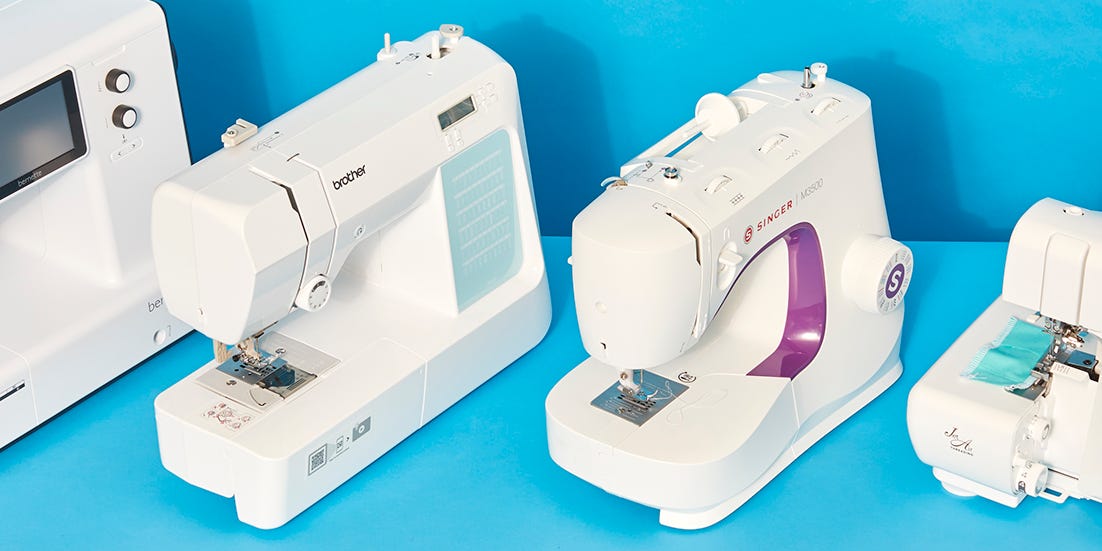
Buying your first sewing machine should feel exciting, not like you are choosing equipment for a small textile factory. Unfortunately, product pages often bury beginners under stitch counts, bobbin terminology, presser-foot names, and enough technical language to make hand sewing look surprisingly attractive.
The good news is that a beginner does not need the most powerful or feature-packed machine. You need one that is easy to thread, predictable at slow speeds, capable of producing consistent stitches, and versatile enough to handle the projects you actually want to make.
This guide compares six of the best sewing machines for beginners in 2025. The selections include affordable mechanical machines, beginner-friendly computerized models, a quilting option, and a heavy-duty pick for denim and home décor. Recommendations were based on manufacturer specifications, ease of setup, stitch quality, included accessories, independent testing, and room for skill development.
Best Beginner Sewing Machines at a Glance
| Machine | Best For | Machine Type | Built-In Stitches |
|---|---|---|---|
| Brother CS7000X | Best overall | Computerized | 70 |
| Brother XM2701 | Best budget option | Mechanical | 27 |
| Baby Lock Zest | Best for absolute beginners | Mechanical | 15 |
| Janome Arctic Crystal | Best simple mechanical machine | Mechanical | 15 |
| Singer Heavy Duty 4423 | Best for denim and thick fabric | Mechanical | 97 stitch applications |
| Brother XR9550 | Best for growing skills | Computerized | 165 |
How We Chose the Best Sewing Machines for Beginners
A huge decorative-stitch library looks impressive in an advertisement, but most new sewists spend their first few months using a straight stitch, zigzag stitch, stretch stitch, and buttonhole. Our evaluation therefore prioritized practical beginner features rather than flashy numbers.
We looked for understandable threading diagrams, manageable speed control, clear stitch selection, accessible bobbins, useful presser feet, free-arm capability, and reliable performance on common fabrics. We also considered whether each machine could continue serving its owner after the first pillowcase had been completed and proudly shown to everyone in the household.
1. Brother CS7000X: Best Overall Sewing Machine for Beginners
The Brother CS7000X provides one of the strongest combinations of simplicity, versatility, and long-term value. It is computerized, but its controls are organized logically enough that beginners do not need a computer science degree to sew a tote bag.
The machine includes 70 built-in stitches, seven one-step buttonhole styles, 10 presser feet, an LCD screen, a wide table, and a top drop-in bobbin. Its speed-control slider is especially helpful. You can limit the maximum sewing speed while learning, preventing the foot pedal from suddenly turning a careful seam into a high-speed fabric road trip.
Independent testers found that the CS7000X produced neat stitches on both cotton and denim. The printed bobbin guide, clearly marked threading path, lightweight body, and extension table also make it suitable for garment sewing, crafts, pillowcases, and beginner quilting.
Who Should Buy It?
Choose the CS7000X if you want a beginner-friendly computerized sewing machine that can support quilting and more ambitious projects later. It offers more room to grow than an entry-level mechanical model without becoming unnecessarily complicated.
Potential Drawbacks
Beginners who prefer traditional knobs may need time to adjust to digital stitch selection. The machine is also designed for household sewing rather than nonstop work with very heavy materials.
2. Brother XM2701: Best Budget Sewing Machine
The Brother XM2701 proves that an affordable beginner sewing machine does not have to feel like a toy. It offers 27 built-in stitches, 63 stitch functions, six accessory feet, an automatic needle threader, LED lighting, and a one-step buttonhole.
Its jam-resistant top drop-in bobbin is easier for many beginners to manage than an old-fashioned bobbin case hidden beneath the needle plate. Stitch selection is handled with a straightforward dial, so switching from a straight stitch to a zigzag stitch takes seconds.
Better Homes & Gardens testers praised the machine’s illustrated instructions, simple setup, value, and generally jam-free operation. They did report difficulty with the buttonhole during testing, so beginners planning to sew many shirts may want to practice that function carefully on scrap fabric first.
Who Should Buy It?
The XM2701 is ideal for basic alterations, hemming, simple clothing, craft projects, reusable shopping bags, and occasional quilting. It is a practical first machine for someone who wants useful features without paying for hundreds of decorative stitches.
Potential Drawbacks
It lacks the precise speed-limiting controls found on computerized models. Its lightweight construction is convenient for storage but may feel less stable when sewing bulky layers.
3. Baby Lock Zest: Best for Absolute Beginners
The Baby Lock Zest is refreshingly uncomplicated. Instead of presenting a cockpit full of buttons, it gives beginners 15 useful stitches, adjustable stitch length, a four-step buttonhole, free-arm sewing, and a portable mechanical design.
The stitch range covers everyday work such as straight seams, zigzag finishing, basic decorative stitching, and mending. Its removable accessory compartment exposes the free arm, which is useful for pant legs, cuffs, sleeves, and other tubular pieces.
During independent testing, the Zest was described as comfortable, unintimidating, easy to thread, and capable of producing high-quality straight and decorative stitches. The manufacturer also positions it as a starter machine for crafts and portable sewing.
Who Should Buy It?
Buy the Zest when simplicity matters more than having a giant stitch library. It suits children learning with adult supervision, casual hobbyists, students, and adults who want to repair clothes without negotiating with a touchscreen.
Potential Drawbacks
The front-loading bobbin requires a little more practice than a top drop-in design. The four-step buttonhole is also less convenient than an automatic one-step system.
4. Janome Arctic Crystal: Best Simple Mechanical Machine
The cheerful color of the Janome Arctic Crystal may attract attention first, but its greatest advantage is a dependable, beginner-focused mechanical design. It includes 15 built-in stitches, adjustable stitch width and length, a four-step buttonhole, dial-based pattern selection, and a removable free arm.
Mechanical machines can be excellent teaching tools because the user directly controls the settings. You learn what stitch length, tension, needle position, and fabric feeding actually do instead of asking a screen to make every decision.
Janome specifically describes the Arctic Crystal as a lightweight entry-level machine designed for beginners. Independent testers have also highlighted the strong stitch quality of Janome’s easy-to-use beginner line.
Who Should Buy It?
This machine is a strong choice for learners who value simplicity, portability, and manual control. It is well suited to cotton crafts, light clothing, aprons, pillow covers, repairs, and sewing classes.
Potential Drawbacks
It does not include an automatic needle threader or one-step buttonhole. Advanced quilters and sewists who want lettering or extensive decorative stitching may outgrow it.
5. Singer Heavy Duty 4423: Best for Denim and Thick Fabrics
The Singer Heavy Duty 4423 is the muscle of this group. Its powerful motor, metal interior frame, high presser-foot lift, built-in needle threader, and fast sewing capability make it suitable for heavier projects.
Singer lists 97 stitch applications and promotes the 4423 as offering greater piercing power for thick fabrics. That makes it useful for denim hems, canvas storage bins, cushion covers, curtains, work aprons, and layered home décor projects.
The mechanical controls are straightforward, but the machine’s speed deserves respect. A new sewist should begin slowly and practice controlling the foot pedal before sending a real garment under the needle. The 4423 can move quickly, and fabric cannot file a speeding complaint on your behalf.
Who Should Buy It?
Choose this Singer sewing machine if you expect to work regularly with medium- or heavier-weight materials. It also makes sense for beginners who prioritize durability and mechanical simplicity over digital features.
Potential Drawbacks
“Heavy duty” does not mean industrial. The 4423 can handle household denim and canvas projects, but it is not intended to replace a commercial machine for thick leather or continuous production. Its high maximum speed may also feel aggressive to nervous beginners.
6. Brother XR9550: Best Machine for Growing Skills
The Brother XR9550 is a beginner-friendly computerized machine with enough creative capability to remain useful at the intermediate level. It offers 165 built-in stitches, including utility, quilting, decorative, heirloom, alphanumeric, and eight one-step buttonhole styles.
The XR9550 includes an LCD screen, drop-in bobbin, extension table, eight sewing feet, programmable speed control, and a needle up/down function. Beginners can slow the machine while learning, then increase the speed when straight seams stop feeling like a suspense movie.
Good Housekeeping reported that the XR9550 was easy to thread, responsive to speed adjustments, and capable of handling materials ranging from lightweight fabric to denim and upholstery fabric. The model’s popularity also makes tutorials and troubleshooting videos relatively easy to find.
Who Should Buy It?
The XR9550 is best for beginners who expect to explore garment construction, decorative sewing, monograms, patchwork, or quilting. It is more machine than someone needs for occasional repairs, but it offers excellent room for growth.
Potential Drawbacks
The large stitch library can initially feel overwhelming. It also performs decorative sewing rather than full-size embroidery, so buyers interested in embroidered logos or large designs need a dedicated embroidery machine.
What to Look for in a Beginner Sewing Machine
Mechanical vs. Computerized Controls
Mechanical machines use physical knobs and levers. They are straightforward, easy to understand, and often less expensive. Computerized machines use buttons and displays, but they may offer better speed control, automatic stitch settings, and more buttonhole choices.
Neither type is automatically better. A cautious learner may appreciate a computerized speed limiter, while a hands-on learner may prefer the directness of a mechanical dial.
Essential Stitch Options
A beginner should have straight, zigzag, stretch, blind-hem, and buttonhole stitches. Decorative designs are enjoyable, but 300 unused stitches do not improve a crooked seam. Start with the functions required for your planned projects.
Bobbin Design
Top drop-in bobbins are generally easier to load and monitor because the remaining thread is visible through a clear cover. Front-loading bobbins work perfectly well, but installing the bobbin case takes additional practice.
Speed Control
Good speed control is one of the most valuable beginner features. A machine with a speed-limiting slider lets you press the pedal without accidentally launching the fabric across the table. Mechanical machines rely more heavily on careful pedal pressure.
Presser Feet and Accessories
Look for an all-purpose foot, zipper foot, buttonhole foot, button-sewing foot, and blind-hem foot. Quilters may also need a walking foot, quilting guide, and extension table. Included accessories can save money, but only when they match projects you will genuinely attempt.
Local Service and Learning Resources
A dependable dealer, available replacement parts, a readable manual, and model-specific tutorial videos can be more valuable than extra decorative stitches. Beginners occasionally thread machines incorrectly, insert needles backward, or blame the machine for a bobbin installed with the enthusiasm of a raccoon opening a trash can. Accessible support shortens the frustration.
Which Beginner Sewing Machine Should You Choose?
For the best balance of usability and versatility, the Brother CS7000X is the strongest overall choice. The Brother XM2701 offers excellent value for basic sewing, while the Baby Lock Zest and Janome Arctic Crystal keep the learning process pleasantly simple.
Choose the Singer Heavy Duty 4423 for denim, canvas, and home décor. Select the Brother XR9550 when you want a machine that can follow you from beginner projects into quilting, decorative sewing, and more advanced garment construction.
Common Beginner Sewing Experience: What the First Few Weeks Really Feel Like
A beginner’s first sewing session rarely begins with a perfect dress floating gracefully off the machine. It usually begins with the manual open, a video playing on a phone, and a spool of thread somehow sitting in the wrong place despite several arrows explaining exactly where it belongs.
Threading is often the first challenge. The process may seem unnecessarily complicated until you understand that every guide and tension disc has a job. After threading the machine correctly three or four times, the route begins to feel automatic. This is where numbered diagrams and model-specific videos become extremely valuable. A machine that looks intimidating on Monday can feel perfectly familiar by the weekend.
The foot pedal is the next adventure. New sewists frequently alternate between moving so slowly that the needle appears to be considering its life choices and pressing hard enough to complete six inches of stitching before realizing what happened. Practicing on two layers of scrap cotton solves much of this anxiety. Draw straight lines, curves, corners, and gentle waves on the fabric, then sew along them without worrying about creating anything useful.
Your first practical project should be forgiving. A fabric napkin, drawstring bag, envelope pillow cover, or basic tote bag teaches straight seams, seam allowances, turning corners, pressing, and finishing raw edges. These projects remain useful even when the stitching is not museum-ready. A slightly crooked tote still carries groceries. It simply carries them with personality.
Needle and thread choices also influence the experience. Beginners sometimes assume one universal needle can survive every fabric indefinitely. In reality, a dull, bent, or unsuitable needle can cause skipped stitches, puckering, broken thread, and mysterious knocking sounds. Matching the needle to the material often fixes problems that appear to be machine defects.
Another important lesson is that pressing is part of sewing. An iron is not merely there to make the finished project look respectable. Pressing seams during construction improves accuracy, reduces bulk, and helps fabric behave. Skipping the iron may save three minutes early and create twenty minutes of confusion later.
Most beginners also become close acquaintances with the seam ripper. This tiny tool is not evidence of failure; it is the unofficial eraser of sewing. Experienced sewists remove stitches too. The difference is that they complain for fewer seconds before doing it.
Progress becomes noticeable after several small projects. Threading takes less time, the foot pedal becomes easier to control, and seam allowances grow more consistent. Eventually, attention shifts away from operating the machine and toward construction, fit, fabric behavior, and creative decisions. That transition is the real sign that the machine is doing its job: it stops being the project and becomes the tool that helps you make one.
Frequently Asked Questions
How Much Should a Beginner Spend on a Sewing Machine?
Many reliable beginner machines fall between roughly $130 and $300, although promotions and bundles change regularly. Spending more can provide better speed control, additional accessories, stronger construction, or more room for growth. Do not pay for embroidery functions or hundreds of stitches unless you plan to use them.
Can a Beginner Sewing Machine Handle Denim?
Many household machines can sew ordinary denim when equipped with the correct denim needle, suitable thread, and reasonable layer thickness. Thick folded hems may require a heavy-duty model, a leveling tool, slower sewing, or hand-turning the wheel over the bulkiest section.
Is a Serger a Good First Sewing Machine?
A serger trims fabric and creates professional-looking overlocked edges, but it does not replace a conventional sewing machine for most beginners. Start with a standard machine, then add a serger when garment construction becomes a regular hobby.
Conclusion
The best sewing machine for beginners is not necessarily the one with the most stitches, the strongest motor, or the fanciest screen. It is the machine that makes you comfortable enough to keep practicing.
Start with projects you can finish, learn how your machine sounds when properly threaded, and test every unfamiliar setting on scrap fabric. Before long, you will move from repairing a loose hem to examining every curtain, pillow, and shirt in the house while quietly thinking, “I could make that.”
Note: This is a 2025-focused buying guide. Product prices, colors, accessories, retailer bundles, and availability may change. Confirm the exact model number and included accessories before purchasing.