When the economy gets weird, people usually do one of two things: doomscroll or buy tomato seeds. One of these raises your blood pressure. The other might lower your grocery bill, improve your lunch, and make you feel weirdly powerful for someone holding a trowel.
That is the quiet genius of gardening. It is a hobby, yes, but it is also a skill, a pantry strategy, a stress reliever, and a surprisingly effective way to stretch a budget without making life feel smaller. Unlike many hobbies that eat money forever, gardening has a useful habit of giving something back. Sometimes that payoff is basil. Sometimes it is better mental health. Sometimes it is the deeply satisfying moment when you realize your salad came from three containers on a patio the size of a bath towel.
In uncertain times, the best hobbies do more than entertain. They become practical. They teach resilience. They help you build a little breathing room. That is why gardening may be the most recession-proof hobby you can start right now. It can begin small, cost very little, scale with your budget, and reward patience in a way that feels both old-fashioned and oddly rebellious.
Why Gardening Holds Up When Everything Else Feels Expensive
A recession-proof hobby is not just cheap. It is flexible, useful, and capable of saving or returning value over time. Gardening checks every box.
1. It can reduce what you spend on food
You are not going to defeat inflation with one heroic cucumber, but a small garden can absolutely offset everyday grocery purchases. Herbs are the clearest example. A packet of basil seeds or a starter plant often costs less than repeatedly buying those tiny clamshell packs from the store. Lettuce, green onions, peppers, kale, cherry tomatoes, and cucumbers can also deliver strong value because they are crops people buy often, use quickly, and feel annoyed replacing every week.
The smartest home gardeners do not grow whatever looks romantic on a seed packet. They grow what they actually eat and what feels expensive or underwhelming at the store. If your household tears through salad greens, fresh herbs, hot peppers, or snacking tomatoes, that is where the savings conversation starts. Gardening becomes more budget-friendly when it replaces repeated purchases, not when it turns into a hobby version of a produce aisle fantasy draft.
2. It starts small and stays scalable
You do not need raised cedar beds, an heirloom seed vault, and the confidence of a Victorian estate owner. You can begin with one pot of basil, a bucket of cherry tomatoes, or a shallow container of lettuce on a sunny balcony. That matters because financially durable hobbies do not demand a giant upfront investment. Gardening lets you begin with what you already have, then expand only after you have some success.
This flexibility makes gardening unusually resilient. In a tighter season, you can garden in recycled containers, save seeds from certain crops, compost kitchen scraps, and swap extra seedlings with neighbors. In a better season, you can add beds, better tools, or perennial herbs and native flowers. The hobby bends with your budget instead of punishing you for not going all in.
3. The skills compound
Many hobbies are fun but financially one-directional. You pay, the hobby happens, and then the money disappears into the mist. Gardening is different because the learning stacks. The first season teaches you sunlight, watering, and timing. The second teaches you which varieties are worth the space. The third teaches you how to mulch, succession plant, and avoid rookie mistakes like planting six zucchini when you only needed two and now your neighbors hide when they see you approaching.
Each season increases your efficiency. You waste less. You choose better crops. You reuse materials. You understand your microclimate. That means the return on effort can improve over time, which is exactly what people need during financially uncertain years.
Gardening Pays You in More Than Vegetables
The phrase “recession-proof” often makes people think only about dollars, but gardening has a broader kind of value. It can support your routine, your mood, and your sense of control at a time when the economy can feel like a game designed by a raccoon with a spreadsheet.
It gives structure to stressful weeks
Gardens reward regular attention, not dramatic heroics. A few minutes to water, prune, check for pests, or harvest dinner creates a small rhythm in the day. That routine matters. It turns vague anxiety into visible action. Even when the news cycle is grim and your inbox is threatening to become sentient, a garden asks simple, answerable questions: Is the soil dry? Are the beans ready? Did the lettuce bolt? That kind of grounded attention is its own form of relief.
It produces visible progress
In tough economic periods, many people feel like their effort is vanishing into bills, uncertainty, or delayed plans. Gardening pushes back against that. The work shows up. Seeds sprout. Compost turns useful. A neglected corner becomes productive. A bare patio becomes a little kitchen ecosystem. There is emotional value in seeing effort become something tangible, especially when so much of modern life feels abstract and expensive.
It can create community without costing much
Gardeners trade tips, seedlings, cuttings, tools, and produce like cheerful neighborhood smugglers. Community gardens, local extension workshops, seed libraries, plant swaps, and online gardening groups can all make the hobby cheaper and more social. That social side matters in an economic downturn. People do better when they learn together, share resources, and feel connected to something practical.
How to Start Gardening Without Accidentally Turning It Into a Luxury Project
The fastest way to make gardening feel expensive is to treat your first season like a home makeover show. The goal is not to build the prettiest garden on the internet. The goal is to grow useful things successfully.
Start with a tiny, strategic garden
Choose one of these beginner-friendly routes:
- Container garden: Best for patios, balconies, and nervous beginners. Great for herbs, peppers, lettuce, bush beans, and cherry tomatoes.
- Small raised bed: Ideal if you want better soil control and easier access. Start with one bed, not six.
- In-ground patch: Cheapest if you already have decent soil and a sunny spot.
The key is sunlight. Most vegetables want at least six hours of direct sun, and fruiting crops like tomatoes, peppers, and cucumbers prefer more. If your yard is shady, do not force a tomato tragedy. Grow herbs and leafy greens instead.
Grow the easiest, highest-value crops first
For beginners trying to save money and build confidence, a smart starter list looks like this:
- Herbs: Basil, parsley, chives, mint in a pot, oregano, thyme
- Leafy greens: Lettuce, kale, Swiss chard, arugula
- Fast growers: Radishes, bush beans, green onions
- Reliable summer crops: Cherry tomatoes, cucumbers, peppers, zucchini if you have room and forgiving neighbors
These crops are popular for a reason. They are useful in everyday cooking, rewarding for beginners, and often more satisfying fresh than store-bought versions. They also help new gardeners avoid the heartbreak of devoting precious space to something cheap to buy and fussy to grow.
Use the low-cost tricks that actually matter
If you want gardening to stay recession-friendly, focus on habits that reduce ongoing costs:
- Compost what you can. Compost can improve soil while cutting back on purchased inputs.
- Mulch your beds and pots. Mulch helps the soil hold moisture, suppresses weeds, and keeps temperatures steadier.
- Reuse containers and materials. Food-safe buckets, nursery pots, and sturdy household containers can all have a second life.
- Start from seed for some crops. Lettuce, beans, basil, radishes, and cucumbers are often economical from seed.
- Buy small transplants for tricky crops. Tomatoes and peppers are sometimes worth purchasing as starter plants, especially in year one.
- Plant in succession. Instead of one giant wave of lettuce or beans, sow a little every couple of weeks for a longer harvest.
These strategies are not flashy, but they are where gardening becomes financially efficient. The point is not to spend nothing. The point is to spend intentionally.
The Best Recession-Proof Gardens Are Usually the Least Glamorous
There is a funny disconnect in modern gardening content. The internet loves dreamy raised beds, expensive irrigation, and photogenic harvest baskets that look like they were assembled by a stylist and a very cooperative bee. Real recession-proof gardening is humbler and smarter.
It looks like a container of parsley by the door because you actually use parsley. It looks like a few pots of lettuce because bagged greens disappear in your house. It looks like a compost bin made from whatever was available, mulch from shredded leaves, and trellises built out of pruned branches or leftover stakes. It looks practical, slightly improvised, and surprisingly productive.
That practicality is the whole point. A financially durable hobby should make daily life easier, not create a second mortgage disguised as “inspiration.”
Why Native Plants and Pollinator-Friendly Choices Belong in the Conversation
If your goal is long-term value, do not think only in vegetables. Native plants and pollinator-friendly flowers make the entire garden cheaper and easier to maintain over time. Once established, many native plants need less pampering because they are adapted to local conditions. That can mean less watering, less fertilizer, and fewer chemical interventions.
They also support the living network around your garden. Pollinators and beneficial insects help many food crops perform better, while a more balanced garden ecosystem can reduce the constant war between you and every bug with bad intentions. In practical terms, that means a garden that is both more resilient and less needy, which is exactly what a recession-proof setup should be.
Common Mistakes That Make Gardening More Expensive Than It Needs to Be
Starting too big
A giant first garden often leads to wasted supplies, neglected plants, and a midsummer mood swing. Start with a size you can actually maintain.
Growing random things you do not eat
If nobody in your house enjoys eggplant, your garden does not need a dramatic eggplant subplot.
Ignoring your climate and season
Trying to force cool-season crops through scorching heat or planting tomatoes too early usually ends in frustration and replacement costs.
Underestimating water and mulch
Many new gardeners lose money not because seeds were expensive, but because they skipped the simple habits that keep plants alive efficiently.
Buying every gadget at once
You need less gear than you think. A trowel, pruners, gloves, containers or a bed, decent soil, seeds or starts, and a watering setup will get you farther than a cart full of “must-have” accessories.
What a Smart Beginner Garden Might Look Like
Imagine this: two containers of herbs, one pot of cherry tomatoes, one rectangular planter of lettuce and arugula, and a small bucket of bush beans. That setup can fit in a modest sunny area, costs less than many hobbies people pick up without blinking, and offers repeated harvests across weeks or months. Add homemade compost later. Add mulch next. Add a pepper plant if things go well. This is how recession-proof hobbies work. They earn the right to grow.
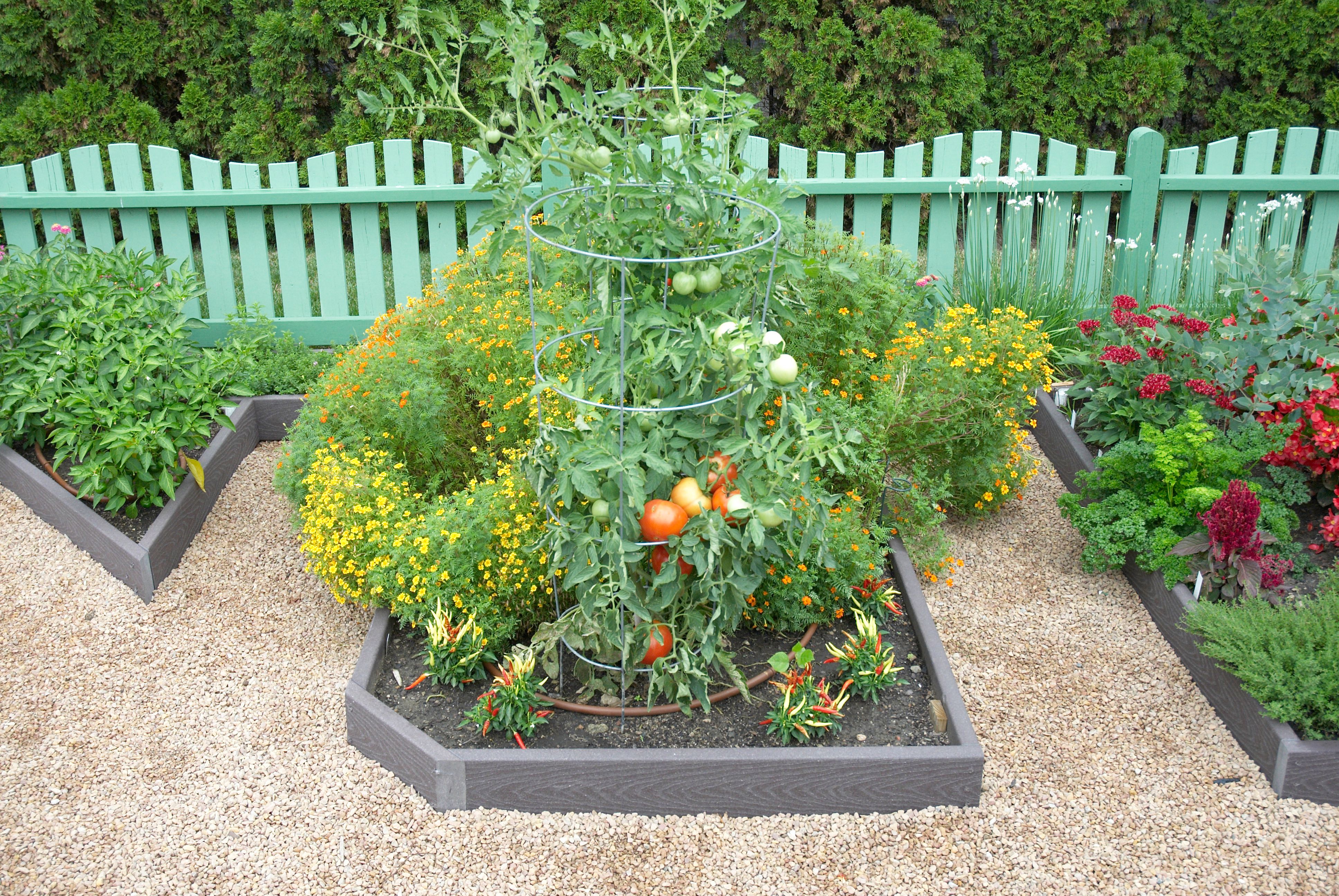
And if you have yard space, a single raised bed can be enough to start learning seriously without getting overwhelmed. One bed can hold greens, herbs, cucumbers, beans, and a tomato or pepper depending on size. It teaches spacing, soil care, and harvest timing while keeping your costs and mistakes contained.
Final Thoughts: A Hobby That Helps Instead of Just Distracts
There is nothing wrong with hobbies that exist purely for joy. Joy counts. But gardening offers a particularly useful kind of joy. It can lower your stress, sharpen your skills, support your meals, and make tight seasons feel a little less helpless. It asks for patience, observation, and modest effort, then returns beauty, food, routine, and the deeply underrated thrill of saying, “I grew that.”
That is what makes gardening recession-proof. It is not immune to the economy, and it will not magically solve every budget problem. But it is one of the rare hobbies that can remain affordable, become more efficient over time, and improve daily life while it is entertaining you. In a world full of expensive distractions, that feels less like a pastime and more like a strategy.
Experience Notes: What Gardening Feels Like in Real Life During Financially Uncertain Times
One of the most surprising parts of starting a garden during a stressful economic season is how quickly it changes your mindset. At first, many people begin for practical reasons. They want to save a little money, grow a few herbs, maybe stop paying premium prices for sad-looking basil. But after a few weeks, the experience becomes bigger than the receipt math. Gardening starts to feel like a small vote for stability.
You notice it in ordinary moments. A person who used to rush through the evening now checks the containers after work. Someone who felt overwhelmed by rising costs feels oddly encouraged by the first tiny pepper or the first handful of salad greens. The harvest is not massive, but it is real. It is enough to make dinner feel more personal and less transactional. Even a small bowl of homegrown lettuce can create a feeling that your effort still turns into something worthwhile.
There is also a confidence boost that comes from problem-solving in a garden. You learn that plants wilt for reasons you can usually fix. You adjust the watering. You add mulch. You move the pot into better light. You try again. That rhythm of observation and response can be genuinely comforting when other parts of life feel unpredictable. Gardening does not remove uncertainty, but it gives you a place where your actions matter in visible ways.
Many new gardeners also talk about how the hobby changes their relationship with waste. Suddenly, kitchen scraps look like future compost. Plastic nursery pots become useful storage instead of clutter. An old bucket becomes a bean planter. Leftover branches become a trellis. In leaner times, that shift is powerful. You begin to see possibility where you used to see only disposal. The garden teaches resourcefulness without making it feel like deprivation.
Then there is the emotional payoff of sharing. A neighbor gets a bunch of mint. A friend takes home extra seedlings. Someone trades you basil for rosemary, cucumbers for peppers, or advice for tomatoes. These are small exchanges, but they make life feel less isolated. Gardening has a way of turning people into generous little local economists, except the currency is zucchini and unsolicited pest advice.
What stands out most, though, is that gardening makes frugality feel hopeful instead of grim. Cutting back is easier when it also produces color, flavor, and progress. The hobby turns restraint into creation. It replaces some forms of consumption with attention, skill, and patience. That is why so many people stick with it after the first season. They may have started because they were worried about money, but they continue because the garden gives them more than produce. It gives them evidence that small, steady effort still works.