Cedar is the movie star of exterior wood: naturally handsome, pleasantly aromatic, and annoyingly good at stealing attention from everything around it. Whether it is wrapped around your house as siding, stretched across your backyard as a deck, or standing proudly as a fence, cedar has a warm grain that deserves more than a random can of mystery brown from the garage.
But choosing the best stain for cedar is not as simple as grabbing the prettiest color chip. Cedar is durable, but sunlight, rain, foot traffic, mildew, and temperature swings can turn that rich honey-red glow into a tired gray faster than you can say, “I thought this was low maintenance.” The right cedar stain protects the wood, enhances its natural grain, and keeps your outdoor spaces looking intentional instead of abandoned-by-a-busy-person.
The best overall stain for most cedar siding is a high-quality penetrating semi-transparent oil-based stain. For cedar decks, the best choice is usually a durable semi-transparent deck stain with strong UV protection, mildew resistance, and easy maintenance. For older cedar, semi-solid or solid stain may be smarter because it hides uneven color and weathered patches. In other words: the “best” stain depends on where the cedar lives, how much abuse it takes, and whether you want to show off the grain or politely cover its wrinkles.
Why Cedar Needs Stain Even Though It Is Naturally Tough
Cedar contains natural oils that help it resist decay and insects better than many other softwoods. That is one reason Western red cedar is loved for siding, shingles, decks, pergolas, fences, trim, outdoor furniture, and garden structures. However, “naturally resistant” does not mean “magically immortal.” Cedar still reacts to sunlight and moisture.
UV rays break down the wood surface, causing that familiar silver-gray weathering. Some homeowners love the driftwood look, and that is perfectly valid. But if you want the warm cedar tone to last, clear sealers alone are usually not enough. Pigment is the real sunscreen. Transparent finishes offer the least UV protection, while semi-transparent, semi-solid, and solid stains provide progressively more defense.
Moisture is the other villain. Water can cause swelling, shrinking, cracking, cupping, mildew growth, and surface checking. A good exterior cedar stain helps repel water while allowing the wood to breathe. Think of it as a raincoat, not plastic wrap. Cedar likes protection, but it does not enjoy being smothered.
Best Overall Stain for Cedar Siding
Choose a Penetrating Semi-Transparent Oil-Based Stain
For cedar siding, a penetrating semi-transparent oil-based stain is often the sweet spot. It soaks into the surface, enhances the grain, adds color, and reduces the risk of peeling because it does not build a thick film like paint. This is especially helpful on vertical siding, where beauty matters and foot traffic is not grinding the finish away every weekend.
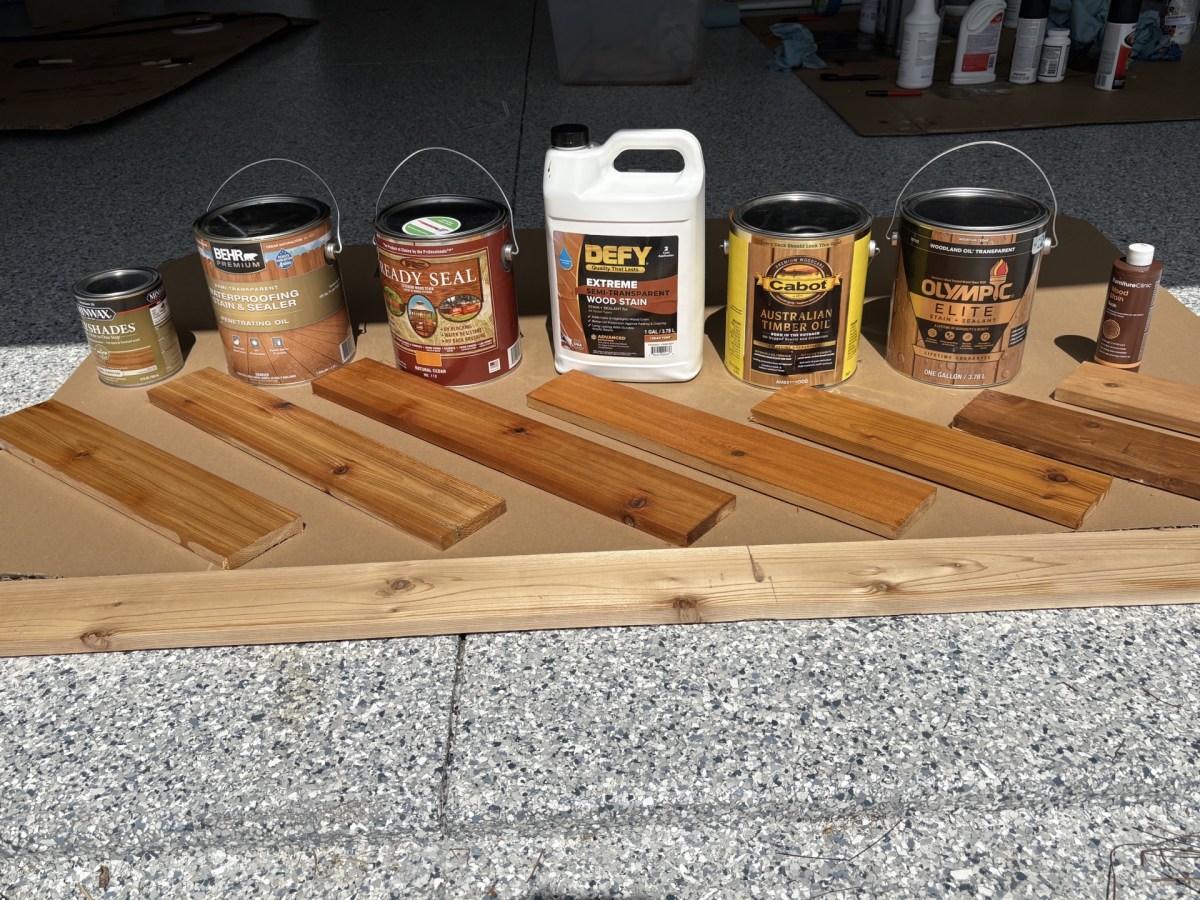
Look for formulas labeled for exterior siding, fences, decks, or all exterior wood surfaces. Good options often include alkyd or linseed oil resins, water-repellent ingredients, UV-blocking pigments, and mildew-resistant protection. Popular product families in this category include Benjamin Moore Woodluxe Oil-Based Stain + Sealer, Ready Seal Exterior Wood Stain and Sealer, Cabot exterior wood stains, and similar premium penetrating stains.
For cedar siding that is new, textured, and still clean, semi-transparent stain is beautiful. It lets the grain show while giving the surface enough color to slow UV damage. On rough-sawn cedar, it usually performs better than on very smooth boards because textured wood accepts more stain.
Best Stain for Cedar Decks
Go Durable, Maintainable, and Not Too Fancy
Cedar decks live a harder life than cedar siding. Siding gets rain and sun. Decks get rain, sun, muddy shoes, patio chairs, dropped barbecue sauce, dog claws, flowerpots, and that one friend who drags furniture instead of lifting it. For decks, durability and maintenance matter as much as color.
The best cedar deck stain is usually a semi-transparent penetrating stain designed specifically for horizontal surfaces. Oil-based stains can bring out cedar’s warmth and penetrate nicely, while high-quality water-based stains can offer easier cleanup, lower odor, faster drying, and strong mildew resistance. In states with strict VOC regulations, water-based or modified-oil products may be easier to find.
If the deck is new and attractive, choose a cedar tone, natural tone, honey brown, redwood, or light walnut semi-transparent stain. If the deck is older and blotchy, move up to a semi-solid stain. If the surface has stains, discoloration, or previous coating drama, a solid stain may save your sanity.
Transparent vs. Semi-Transparent vs. Semi-Solid vs. Solid
Transparent Stain
Transparent stain or clear sealer shows the most wood grain, but it provides the least UV protection. It is best for homeowners who want the most natural cedar look and do not mind frequent maintenance. Clear finishes are the “white linen pants” of wood care: gorgeous, but high effort.
Semi-Transparent Stain
Semi-transparent stain is the best all-around choice for most cedar siding, fences, pergolas, and newer decks. It adds enough pigment to protect the surface while still allowing the grain and texture to show. If your cedar is in good condition, start here.
Semi-Solid Stain
Semi-solid stain gives stronger color and better coverage while still hinting at wood texture. It is ideal for older cedar, high-sun areas, or homeowners who want richer color without fully hiding the wood. Semi-solid is the sensible middle child: not flashy, but very useful.
Solid Stain
Solid stain looks closer to paint but still has a flatter, wood-friendly finish. It hides grain, discoloration, repairs, and mismatched boards. It often lasts longer than transparent or semi-transparent stain, especially on weathered decks, but it can peel if applied poorly or over damp wood. Use solid stain when protection and uniform color matter more than showing off the natural cedar grain.
Oil-Based vs. Water-Based Cedar Stain
Oil-Based Cedar Stain
Oil-based stains are loved for cedar because they penetrate deeply, enrich the grain, and create that classic warm wood glow. They are especially strong choices for cedar siding, fences, beams, and rustic outdoor structures. Many oil-based stains are easy to refresh because they do not form a heavy surface film.
The trade-offs? Oil-based stains can have stronger odor, longer drying times, mineral-spirit cleanup, and VOC restrictions depending on your state. They also require careful handling of oily rags, which can be a fire hazard if tossed carelessly into a pile. Cedar may be beautiful, but spontaneous combustion is not part of the design plan.
Water-Based Cedar Stain
Water-based stains have improved dramatically. Many modern formulas offer excellent UV resistance, mildew protection, faster drying, and soap-and-water cleanup. They are often a smart choice for decks, busy households, and areas where environmental regulations limit traditional oil-based products.
However, water-based stains may raise the wood grain and can sometimes sit more on the surface than oil-based options. Proper prep is essential. If the cedar already has an old oil stain, do not assume a water-based stain will bond perfectly over it. Clean, strip, brighten, and test first.
Best Cedar Stain Colors
The safest stain colors for cedar are natural cedar, honey brown, redwood, warm amber, chestnut, and light walnut. These shades enhance cedar’s natural warmth without making it look fake. For modern homes, deeper brown, espresso, charcoal-brown, and weathered gray can look sharp, especially when paired with black windows, stone, or white trim.
For siding, avoid going too orange unless that is truly the look you want. Cedar already has red and amber undertones, so an intense orange stain can make the house look like it is wearing self-tanner. For decks, consider how the stain works with your exterior paint, patio furniture, roof color, and landscaping. Always test samples in morning sun, afternoon sun, shade, and wet conditions. Stain colors can shift dramatically once they hit real wood.
Best Stain by Cedar Project
Cedar Siding
Best choice: penetrating semi-transparent oil-based stain. It protects the wood, shows off the grain, and reduces peeling risk. If possible, finish all six sides of each board before installation for the most complete protection.
Cedar Decks
Best choice: high-quality semi-transparent deck stain with UV and mildew resistance. Choose oil-based for rich penetration or water-based for easier cleanup and lower odor. Recoat before the surface looks completely exhausted.
Cedar Fences
Best choice: semi-transparent or semi-solid stain. Fences are highly exposed to sun and rain, so a little extra pigment helps. Natural cedar, redwood, and warm brown shades work beautifully.
Cedar Shingles and Shakes
Best choice: factory-applied or carefully brushed semi-transparent stain. Shingles have many edges and overlaps, so coverage matters. Avoid heavy film-forming products unless recommended for the specific installation.
Cedar Pergolas and Outdoor Furniture
Best choice: semi-transparent exterior stain for visible grain or semi-solid stain for stronger color. Because pergolas and furniture have many corners, brush application helps prevent missed spots.
How to Prepare Cedar Before Staining
Preparation is where great staining jobs are born. It is also where rushed weekend projects go to cry.
Start by cleaning the cedar. Remove dirt, pollen, mildew, old loose stain, and gray weathered fibers. Use a wood cleaner made for decks or siding. For older cedar, a wood brightener can help restore color and neutralize cleaner residue. Avoid aggressive pressure washing, which can chew up cedar’s soft surface and leave fuzzy fibers.
Let the wood dry thoroughly before staining. Follow the stain manufacturer’s moisture recommendations. If you stain damp cedar, the finish may blotch, fail to penetrate, or peel later. Sand rough patches, feather peeling edges, and replace damaged boards before applying the stain.
For new smooth cedar, light sanding can help open the surface. For rough-sawn cedar, avoid over-sanding because the texture helps the stain absorb. If the cedar has mill glaze, old coatings, or uneven weathering, prep becomes even more important.
How to Apply Cedar Stain Like You Know What You Are Doing
Apply stain in mild weather, ideally in shade. Direct hot sun can dry stain too quickly, causing lap marks and uneven color. Stir the stain often during application because pigments settle at the bottom of the can like they are taking a nap.
Use a brush, stain pad, roller, or sprayer depending on the project. For siding and fences, spraying can be efficient, but back-brushing is highly recommended. Back-brushing pushes the stain into the wood and evens out the finish. Spraying without back-brushing may look great for a week and then age like unrefrigerated leftovers.
Apply thin coats. More stain is not automatically better. Over-application can leave sticky spots, shiny patches, and poor curing. If the product calls for two coats, apply the second only if the wood can absorb it. Always follow the label, because stain chemistry is not a place for creative improvisation.
How Long Does Cedar Stain Last?
On cedar siding, a good semi-transparent stain may last several years, especially on shaded or protected walls. South- and west-facing walls usually weather faster because they receive more intense sun. On decks, expect a shorter maintenance cycle because horizontal surfaces take more abuse.
Transparent finishes may need attention every one to two years. Semi-transparent deck stains may last two to three years depending on climate and traffic. Semi-solid and solid stains can last longer, but when they fail, prep may be more involved. The best strategy is to maintain early. Recoating a tired but intact stain is much easier than rescuing cedar that has fully weathered, cracked, and turned patchy gray.
Common Mistakes to Avoid
Do not stain dirty cedar. Do not stain wet cedar. Do not apply a new stain over an old incompatible coating and hope optimism will handle the chemistry. Do not skip the test patch. Do not assume the color on the brochure will look identical on your boards. Cedar varies, and each board has its own personality, like a tiny wooden diva.
Another common mistake is choosing clear sealer because it looks natural on day one. The problem is that cedar needs pigment for better UV defense. If you want a natural look, choose a lightly pigmented natural cedar or honey-toned transparent/semi-transparent product rather than a truly clear finish.
Finally, do not let maintenance wait until the wood is in crisis. When water stops beading, color fades unevenly, or the surface looks dry and thirsty, it is time to clean and recoat.
So, What Is the Best Stain for Cedar?
If you want one simple answer, here it is: the best stain for cedar siding is a premium penetrating semi-transparent oil-based stain in a natural cedar, amber, or warm brown tone. The best stain for cedar decks is a durable semi-transparent deck stain with strong UV protection, water resistance, and mildew resistance. For older or weathered cedar, choose semi-solid or solid stain to improve coverage and extend the life of the surface.
Premium product lines from Benjamin Moore, Sherwin-Williams, Behr, Ready Seal, Cabot-style exterior wood stains, DEFY, Olympic, Flood, and Seal-Once all offer options that can work well when matched correctly to the project. The product matters, but the prep matters more. A good stain over poorly prepared cedar is like putting a tuxedo on a muddy dog. Technically dressed up, but not exactly elegant.
Experience Notes: What Real Cedar Projects Teach You
After working through cedar siding, decks, fences, and outdoor trim projects, one lesson becomes obvious: cedar rewards patience. The prettiest results usually come from people who slow down before opening the can. They clean carefully, test colors, wait for proper drying, and apply stain in manageable sections. The rushed jobs often look decent at first, but the truth appears after the first season of sun and rain.
On cedar siding, the biggest difference is exposure. A north-facing wall may look fresh for years, while a west-facing wall can fade much faster. This is why homeowners sometimes think the stain failed, even when the real issue is uneven sunlight. For houses with mixed exposure, choosing a slightly more pigmented semi-transparent or semi-solid stain can help the color age more evenly.
Decks teach a different lesson: beauty must survive shoes. A transparent stain may look amazing on a sample board, but on a busy cedar deck it can fade quickly in traffic lanes. Semi-transparent stains usually offer the best balance, but even then, furniture pads, planters, grills, and water runoff can create uneven wear. Moving rugs and pots occasionally helps prevent ghost marks. Yes, your flowerpot can leave a tan line. Outdoor decorating is weird like that.
Fences are usually more forgiving. Because nobody walks on them, a good semi-transparent oil-based stain can perform beautifully. However, fences collect sprinkler spray, soil splash, and mildew near landscaping. Trimming plants back from the fence and keeping sprinklers pointed away can add life to the finish. The stain is not the only hero; drainage and airflow deserve a small parade too.
One practical trick is to keep a record of the exact stain brand, color, opacity, and batch date. Future-you will be grateful. Cedar touch-ups become much easier when you are not standing in a paint aisle trying to remember whether you used “Natural Cedar,” “Cedar Naturaltone,” “Western Cedar,” or “Possibly Something My Brother-in-Law Recommended During a Cookout.”
Another useful habit is checking the wood every spring. Splash a little water on the surface. If it beads, the finish still has life. If it soaks in quickly, the cedar is asking for maintenance. Listen early. Cedar whispers before it screams.
For color, sample boards are non-negotiable. Cedar’s natural red, brown, and amber tones can make the same stain look different from one board to the next. Test at least two coats if the product recommends two coats, then view the sample outside for a full day. Morning light, afternoon sun, and shade can make one stain look like three different colors.
The best real-world advice is simple: choose the least opaque stain that gives you the protection and appearance you need. New cedar deserves semi-transparent beauty. Tired cedar may need semi-solid confidence. Very weathered cedar may need solid stain rescue. Match the finish to the wood’s condition, not your fantasy version of the wood. That is how cedar siding, decks, and fences stay handsome without turning maintenance into a second job.
Conclusion
The best stain for cedar siding, decks, and outdoor projects is the one that balances natural beauty, UV protection, moisture resistance, and realistic maintenance. For most new cedar siding, a penetrating semi-transparent oil-based stain is the top choice because it highlights the grain while protecting the wood. For cedar decks, choose a tough semi-transparent deck stain designed for foot traffic, mildew resistance, and easy recoating. For older cedar, do not be afraid of semi-solid or solid stain; sometimes the best beauty treatment is a little extra coverage.
Cedar is already a premium material. Treat it like one. Clean it properly, test your color, apply stain in the right weather, back-brush when needed, and recoat before the finish completely fails. Do that, and your cedar will keep looking warm, rich, and welcoming instead of gray, thirsty, and mildly disappointed in your life choices.
Note: Always follow the specific stain manufacturer’s instructions for surface preparation, drying time, number of coats, temperature range, and cleanup. Local VOC rules may affect which oil-based stains are available in your area.