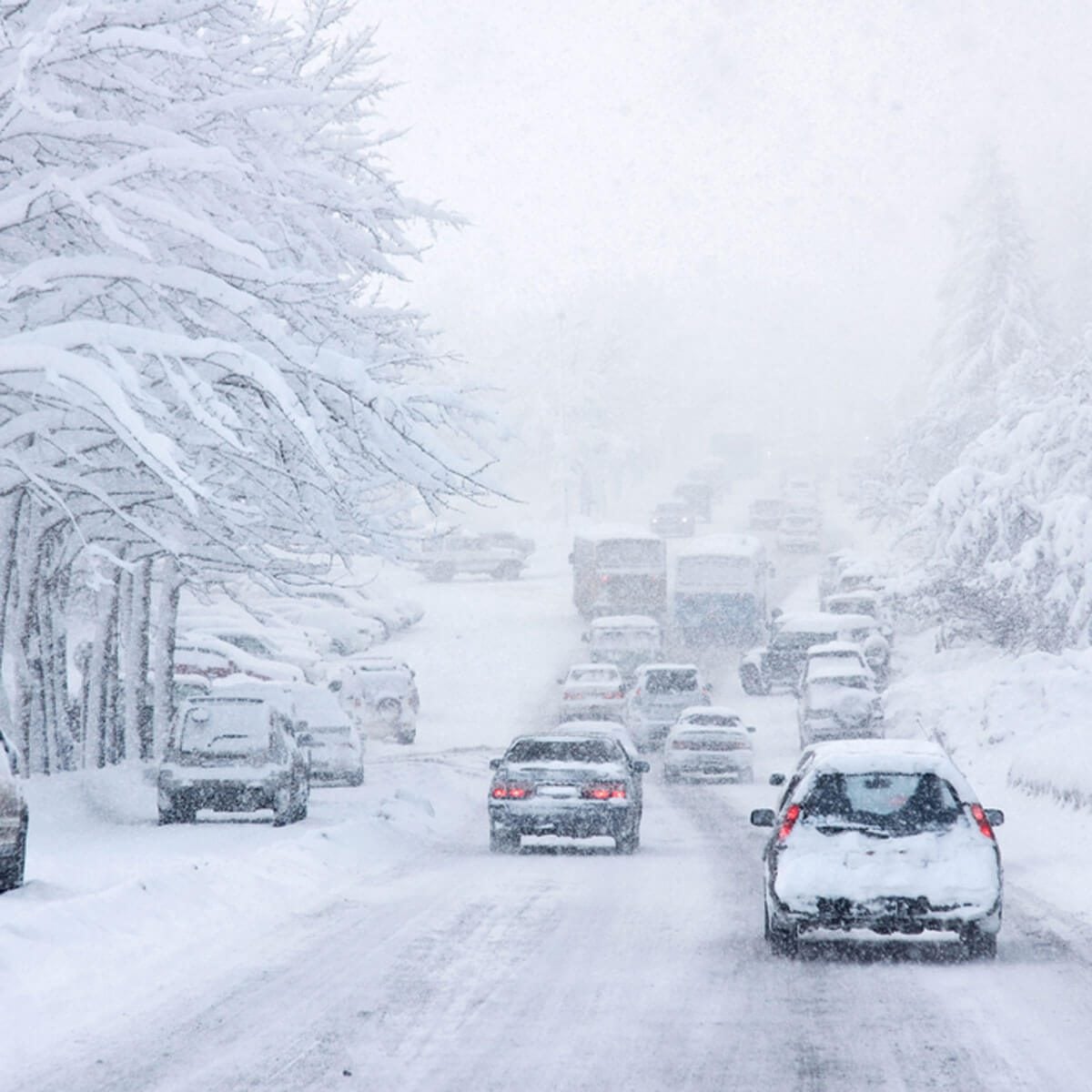
Winter has a talent for turning an ordinary commute into a slow-motion obstacle course. A road that looked merely wet a moment ago may be coated with black ice, while a harmless pile of powder can hide a slippery lane beneath it. Even experienced drivers can be surprised when traction suddenly disappears.
Safe winter driving is not about proving that you can conquer a snowstorm. It is about recognizing that cold weather changes how your vehicle accelerates, turns, and stops. Preparing your car, reducing speed, increasing following distance, and making smooth decisions can dramatically lower your risk.
Whether you are navigating an icy morning commute or crossing a snowy mountain pass, these seven winter driving tips will help you stay calm, visible, and in control.
1. Check the Weather and Road Conditions Before Leaving
The safest winter trip begins before the engine starts. Check the local forecast, road-condition reports, traffic alerts, and any chain or traction requirements along your route. Weather can vary significantly over a short distance, especially near mountains, lakes, and exposed rural highways.
Pay attention to the timing of a storm. Leaving two hours earlier is not always better if it places you on the road during freezing rain. Sometimes waiting until road crews have treated the pavement is the smarter option. Winter rewards patience, which is unfortunate because patience does not come with heated seats.
Plan a Primary Route and a Backup
Choose main roads whenever possible. Major routes are usually plowed and treated before smaller streets. Avoid steep hills, isolated roads, and shortcuts that may not receive regular winter maintenance.
Tell someone where you are going, which route you plan to take, and when you expect to arrive. Charge your phone, but do not assume it replaces preparation. Batteries lose power faster in cold weather, and remote areas may have poor reception.
Most importantly, leave early. Extra time prevents you from speeding, following too closely, or making risky passes because your coffee meeting suddenly feels like a qualifying lap.
2. Prepare Your Vehicle for Cold Weather
A well-maintained vehicle cannot eliminate snow and ice, but it gives you a much better chance of handling them. Before winter arrives, inspect the battery, brakes, lights, heater, defroster, cooling system, belts, hoses, and windshield wipers. Fill the washer reservoir with winter-rated fluid that will not freeze in low temperatures.
Cold weather can weaken an aging battery, so have it tested if starting the engine has become slow or uncertain. Check that your coolant meets the vehicle manufacturer’s specifications and provides enough freeze protection for your climate.
Give Your Tires Serious Attention
Tires are the only parts of your vehicle touching the road, which makes them more important than the confidence inspired by an all-wheel-drive badge. Inspect all four tires for worn tread, cracks, bulges, punctures, and uneven wear. Check the spare as well.
Measure tire pressure when the tires are cold and inflate them to the pressure listed on the driver’s-side door placard or in the owner’s manual. Do not use the maximum pressure printed on the tire sidewall as your target. Tire pressure generally drops as outdoor temperatures fall, so check it regularly throughout winter.
If your area receives frequent snow or sustained freezing temperatures, consider installing four winter tires. Their tread patterns and cold-weather rubber compounds are designed to provide better grip in snow, slush, and low temperatures. Installing winter tires on only one axle can create an unstable imbalance in traction.
Remember that all-wheel drive may improve acceleration, but it does not create magical braking powers. Every vehicle still depends on tire grip when stopping and turning.
3. Clear the Entire Vehicle Before You Drive
Scraping a small viewing hole in the windshield is not snow removal; it is winter-themed tunnel vision. Clear snow and ice from every window, both mirrors, the roof, hood, trunk, headlights, taillights, license plates, cameras, and exterior safety sensors.
Snow left on the roof may slide onto your windshield during braking or fly into traffic behind you. Ice sheets can become dangerous projectiles at highway speeds. Give yourself enough time to clean the vehicle properly rather than relying on the wind to finish the job.
Protect Your Visibility While Driving
Turn on the headlights whenever visibility is reduced, even during the day. Do not rely entirely on automatic daytime running lights because they may not illuminate the taillights. Use the defroster to keep the windshield clear, and switch off the recirculation setting if moisture is causing the glass to fog.
Keep sunglasses within reach. Low winter sun and glare reflecting from fresh snow can make it surprisingly difficult to see lane markings, pedestrians, and stopped vehicles.
Before starting a vehicle surrounded by deep snow, confirm that the tailpipe is clear. A blocked exhaust can allow deadly carbon monoxide to collect inside the passenger compartment.
4. Slow Down and Increase Your Following Distance
Posted speed limits describe the maximum legal speed under favorable conditions, not a challenge issued during a blizzard. Reduce your speed whenever pavement is snowy, icy, slushy, or wet enough to threaten traction.
Slower driving gives your tires more time to maintain contact with the road. It also gives you additional time to notice brake lights, stalled vehicles, snowplows, animals, or a curve that has quietly become an ice rink.
Use the Six-to-Ten-Second Rule
On dry pavement, drivers often maintain a three- or four-second following distance. On slippery winter roads, increase that gap to at least six seconds and consider eight to ten seconds when conditions are especially icy.
Choose a fixed object, such as a road sign. After the vehicle ahead passes it, count the seconds until your vehicle reaches the same point. Increase the gap if you arrive too soon.
Begin slowing long before intersections, curves, and highway exits. Bridges, ramps, overpasses, shaded areas, and untreated side streets may freeze before surrounding pavement. Approaching them at a controlled speed is far easier than trying to negotiate with physics at the last second.
5. Accelerate, Brake, and Steer Smoothly
Sudden movements are traction thieves. Press the accelerator gently, steer progressively, and brake earlier than you normally would. Try to complete most braking before entering a curve so the tires are not being asked to brake and turn aggressively at the same time.
Turn off cruise control on wet, snowy, or icy roads. Cruise control may apply power when you do not want it, and it reduces the immediate feedback that helps you recognize changing traction.
Know How to Use Your Brakes
Most modern vehicles have an antilock braking system. During an emergency stop, press the brake pedal firmly and continuously while steering toward a safe path. Pulsing or vibration in the pedal usually means the system is working; do not release it simply because it feels unusual.
If you drive an older vehicle without antilock brakes, follow the braking instructions in the owner’s manual. Avoid locking the wheels, because locked tires provide limited steering control.
Recover Calmly From a Skid
If the vehicle begins to skid, look toward the open space where you want to go. Ease off the accelerator, avoid slamming on the brakes, and steer smoothly in the intended direction. As traction returns, gently straighten the wheels.
Panic often causes drivers to stare at the obstacle they fear hitting or make a dramatic steering correction. The better response is smaller, calmer, and less cinematic.
If conditions allow, practice gentle stopping and turning at very low speed in a large, empty, snow-covered parking area where it is legal and safe. Understanding how your vehicle responds can reduce panic during a real loss of traction.
6. Watch for Black Ice, Hills, and Snowplows
Black ice is a thin, nearly transparent layer of ice that can make pavement appear merely wet. It is common at night and early in the morning, particularly after rain, melting snow, or refreezing runoff.
Approach bridges, overpasses, curves, drainage areas, intersections, and shaded sections cautiously. Bridges freeze sooner because cold air circulates above and below the road surface. If steering suddenly feels unusually light or the vehicle becomes quiet, you may be traveling over ice.
Use Momentum Carefully on Hills
Build modest, controlled momentum before climbing a hill, then maintain a steady speed. Accelerating aggressively halfway up can spin the tires. Avoid stopping on the incline unless traffic requires it.
Before descending, reduce speed and select a lower gear if appropriate for your vehicle. Use gentle braking rather than riding the brake pedal all the way down.
Give Snowplows Plenty of Room
Stay well behind snowplows. Operators may stop, turn, change lanes, or cross the centerline with limited warning. Snow clouds behind a plow can hide the road, other vehicles, and the plow’s extended equipment.
Do not pass unless it is legal, visibility is clear, and there is ample room. Never squeeze past on the right, where wing plows may extend beyond the truck. Following at a respectful distance also lets you enjoy the freshly treated road without trying to become part of the maintenance crew.
7. Carry an Emergency Kit and Know What to Do if Stranded
Even careful drivers can encounter road closures, mechanical problems, or deep snow. Keep a winter emergency kit in the vehicle rather than assembling one mentally while waiting for a tow truck.
Winter Car Emergency Kit Checklist
- Phone charger or charged power bank
- Flashlight with spare batteries
- Ice scraper and snow brush
- Small shovel and traction material such as sand
- Jumper cables or a portable jump starter
- Reflective triangles, flares, or another warning device
- First-aid supplies and essential medications
- Warm clothing, gloves, hats, boots, and blankets
- Bottled water and nonperishable snacks
- Tire-pressure gauge, basic tools, and an appropriate spare tire
- Road map in case phones or navigation systems fail
- Chains or approved traction devices where required
If Your Vehicle Becomes Stranded
Stay with the vehicle unless a safe building is nearby and clearly reachable. A vehicle provides shelter and is easier for rescuers to locate than a person walking through blowing snow.
Call for assistance and share your location. Make the vehicle visible with hazard lights, reflective markers, or a brightly colored cloth. Clear snow from the exhaust pipe before running the engine. Use the engine and heater only for short intervals, slightly open a window for ventilation, and continue checking that drifting snow has not blocked the exhaust again.
Move your arms and legs periodically to maintain circulation, but avoid exhausting yourself by pushing the vehicle or walking through deep snow. Put on warm layers before you become severely chilled.
Conclusion: Treat Winter Roads With Respect
Safe winter driving comes down to preparation, patience, and smooth vehicle control. Check conditions before leaving, keep the car properly maintained, clear every window, reduce speed, and create enough space to respond calmly. Pack emergency supplies because a minor delay can become serious when temperatures fall.
The most important decision may be choosing not to drive. If snow is falling faster than crews can clear it or ice is making travel unpredictable, delaying the trip is good judgmentnot defeat. The grocery store will survive without you for another hour, and the milk is probably hiding behind the orange juice anyway.
Experience-Based Lessons From Real Winter Roads
Winter-driving advice becomes much more memorable once the road demonstrates why it exists. Consider the driver who leaves home after a light overnight snowfall. The neighborhood streets look manageable, so everything feels normal. Then the car reaches an overpass, and the steering suddenly becomes light. The bridge froze before the surrounding pavement because cold air circulated beneath it. Fortunately, the driver had already reduced speed, held the wheel steady, and avoided hard braking. The vehicle crossed the icy section without drama. The lesson is simple: a road can change before its appearance does.
The Hill That Punishes Impatience
Another familiar experience happens on a snow-covered hill. One driver charges upward, spins the tires, loses momentum, and stops halfway. The next driver approaches at a moderate, steady speed and applies only enough power to keep moving. That car reaches the top without spraying snow across the neighborhood. More throttle does not always create more movement. Once the tires spin, additional power often produces heat and noise rather than useful traction.
Why Following Distance Feels Excessive Until It Does Not
A six-to-ten-second gap can seem enormous during a slow commute. Other motorists may even move into it, apparently believing you created a reserved parking space. Still, the buffer matters. Imagine traffic stopping beyond a shaded curve. The car ahead brakes, its tires slide briefly, and its stopping distance becomes much longer than expected. A generous gap gives the following driver time to ease off the accelerator, brake progressively, and stop without joining an expensive chain reaction.
The experience also teaches an important emotional skill: let impatient drivers pass. Competing with someone who wants to travel faster does not improve traction. Maintain a safe pace, leave room, and allow the hurry to continue without you.
The Emergency Kit You Hope to Ignore
A short trip can become a long wait when a crash closes the highway. During one composite but common winter scenario, traffic remains stationary for several hours as temperatures fall. Drivers with blankets, water, snacks, chargers, and full fuel or battery reserves are uncomfortable but prepared. Those wearing light shoes and depending on a nearly empty tank face a more serious problem.
This is why experienced winter drivers prepare for the delay they do not expect. They refill earlier, keep warm clothing in the vehicle, replace used supplies, and check weather alerts before entering remote areas. They also clear the tailpipe before running a stranded vehicle’s engine and use the heater intermittently rather than continuously.
The strongest lesson from winter roads is humility. Skill matters, but it does not repeal ice, visibility limits, or stopping distance. Drivers who arrive safely are rarely the ones making the boldest moves. They are the ones thinking ahead, leaving space, and accepting that the trip may take longer than planned.