High blood pressure has a reputation for being sneaky. It usually does not announce itself with flashing lights, dramatic music, or even a polite email. Yet over time, uncontrolled hypertension can damage blood vessels and increase the risk of heart disease, stroke, kidney disease, and other serious health problems.
The encouraging news is that your grocery cart can become part of your blood pressure management plan. Food is not a magic replacement for medical care, but an evidence-based eating pattern can meaningfully support healthier blood pressure. The secret is not one miracle berry, exotic powder, or suspiciously expensive “detox” tea. It is the overall combination of vegetables, fruits, whole grains, beans, nuts, lean proteins, low-fat dairy products, healthy fats, and less sodium.
Research basis: Harvard Health, CDC, NHLBI, and Johns Hopkins.
How Food Can Affect Blood Pressure
Blood pressure reflects the force of blood pushing against the walls of your arteries. Diet can influence that pressure in several ways. Sodium can encourage the body to retain fluid, increasing the volume of blood circulating through the vessels. Potassium helps the body handle sodium and supports normal blood vessel function. Calcium and magnesium are involved in the tightening and relaxation of blood vessels, while fiber-rich foods can support weight management, cholesterol control, and overall cardiovascular health.
This is why an effective high blood pressure diet does more than remove the saltshaker. It improves the entire nutritional environment. You are simultaneously reducing foods that encourage fluid retention and vascular stress while adding foods that provide potassium, magnesium, calcium, fiber, antioxidants, and unsaturated fats.
Research basis: Harvard Health, American Heart Association, CDC, and NIH Office of Dietary Supplements.
The DASH Diet: The Best-Known Blueprint
DASH stands for Dietary Approaches to Stop Hypertension. Developed through research supported by the National Heart, Lung, and Blood Institute, DASH is not a crash diet or a list of forbidden pleasures. It is a flexible eating pattern centered on vegetables, fruits, whole grains, beans, nuts, seeds, fish, poultry, and fat-free or low-fat dairy products.
DASH limits sodium, fatty meats, full-fat dairy foods, heavily processed foods, added sugars, and foods high in saturated fat. Its advantage is that it works as a complete pattern. Instead of expecting one food to perform a cardiovascular miracle, DASH assembles an entire team of nutrients. Think less “solo superhero” and more “highly organized nutrition squad.”
The standard DASH plan generally limits sodium to 2,300 milligrams per day. A lower-sodium version uses a target of about 1,500 milligrams, which may produce additional blood pressure reductions for some people. The appropriate target should be discussed with a healthcare professional, particularly when a person has kidney disease, heart failure, diabetes, or other medical considerations.
Research basis: NHLBI, Harvard Health, Mayo Clinic, MedlinePlus, and Cleveland Clinic.
The Best Foods for Beating High Blood Pressure
1. Vegetables That Earn Their Plate Space
Vegetables are naturally low in sodium and often rich in potassium, magnesium, fiber, and plant compounds that support cardiovascular health. Leafy greens, tomatoes, broccoli, carrots, squash, beets, sweet potatoes, and regular potatoes can all fit into a blood pressure-friendly diet.
Aim to cover a substantial portion of your lunch and dinner plates with vegetables. They do not have to be raw or served with the personality of lawn clippings. Roast them with garlic and pepper, sauté them with olive oil, fold them into omelets, add them to soups, or blend them into sauces.
Frozen vegetables without salty sauces are perfectly reasonable. Canned vegetables can also work when labeled “no salt added” or “low sodium.” Draining and rinsing regular canned vegetables may remove some sodium, although starting with a lower-sodium product is even better.
2. Whole Fruit Instead of Sugary Desserts
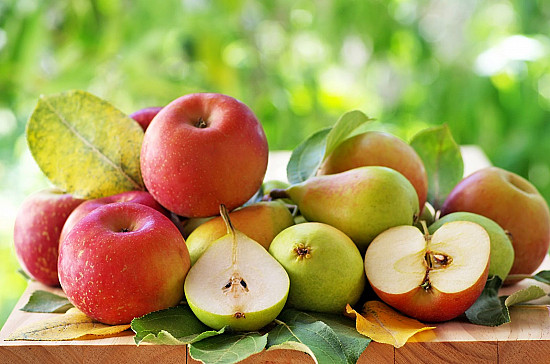
Oranges, apples, berries, peaches, pears, bananas, melons, and other fruits supply fiber and important micronutrients. Many fruits also provide potassium. Whole fruit is generally more filling than juice because it retains its natural fiber and requires chewing, which gives your appetite a moment to receive the memo that food has arrived.
Use fruit as a snack, dessert, oatmeal topping, or yogurt companion. Juice can contain nutrients, but portions are easy to overdo, and it does not provide the same amount of fiber as whole fruit.
3. Beans, Peas, and Lentils
Legumes are among the most practical foods for lowering blood pressure through diet. They provide plant protein, potassium, magnesium, and soluble fiber. Black beans, chickpeas, kidney beans, white beans, split peas, and lentils can replace some red or processed meat in soups, salads, tacos, casseroles, and grain bowls.
Canned beans are convenient, but sodium content varies widely. Look for no-salt-added or reduced-sodium varieties. Draining and rinsing them is also helpful. Your beans do not need to arrive wearing a salt coat.
Research basis for produce and legumes: Harvard Health, AHA, Cleveland Clinic, and Dietary Guidelines for Americans.
4. Whole Grains
Oats, brown rice, barley, quinoa, bulgur, whole-wheat bread, and whole-grain pasta offer more fiber and nutrients than heavily refined grains. They can help make meals satisfying while supporting a broader heart-healthy eating pattern.
Do not assume every brown-colored bread is a whole grain. Read the ingredient list and look for a whole grain near the beginning. Also check sodium, because bread, tortillas, and packaged grain products can contribute significant sodium even when they do not taste particularly salty.
5. Fish and Lean Protein
Fish, skinless poultry, tofu, beans, lentils, and other lean proteins can take the place of processed meats and fatty cuts of red meat. Salmon, trout, sardines, and other oily fish also provide omega-3 fats, which support cardiovascular health.
The cooking method matters. Grilled salmon with herbs is not nutritionally identical to a heavily salted, breaded fish meal with a side of fries large enough to have its own ZIP code. Bake, roast, grill, poach, or sauté more often, and season with herbs, citrus, garlic, ginger, vinegar, or salt-free spice mixtures.
6. Low-Fat Dairy or Suitable Alternatives
Fat-free or low-fat milk, plain yogurt, and other lower-fat dairy foods provide calcium and protein. These foods are included in the traditional DASH pattern because calcium works with other nutrients involved in healthy blood pressure regulation.
Unsweetened fortified alternatives may be useful for people who avoid dairy. Compare labels carefully, however. Protein, calcium, potassium, added sugar, and sodium can differ substantially between products that appear nearly identical from six feet away.
7. Nuts, Seeds, and Unsaturated Fats
Unsalted almonds, walnuts, pistachios, peanuts, sunflower seeds, pumpkin seeds, and natural nut butters provide healthy fats, magnesium, protein, and fiber. Olive, canola, soybean, peanut, corn, and safflower oils can replace some butter, shortening, coconut oil, and palm oil.
Portions still matter because nuts and oils are calorie-dense. A small handful of nuts is a heart-friendly snack. A container eaten during an especially suspenseful television episode can quietly become several servings.
Research basis: Harvard Nutrition Source, Mayo Clinic, NHLBI, and MedlinePlus.
Sodium: The Ingredient Hiding in Plain Sight
Reducing sodium is one of the most important dietary steps for managing high blood pressure. Unfortunately, most sodium does not come from the few grains sprinkled over dinner. More than 70% of dietary sodium comes from packaged and prepared foods. Sandwiches, pizza, soups, breads, tortillas, restaurant meals, cold cuts, cured meats, sauces, condiments, snack foods, and frozen meals can contribute surprisingly large amounts.
The Food and Drug Administration uses less than 2,300 milligrams of sodium as the Daily Value for adults. On the Nutrition Facts label, 5% of the Daily Value or less per serving is considered low, while 20% or more is considered high. Remember to check the serving size. A soup label may look respectable until you discover the package contains two servings and you were planning to eat it with the confidence of one.
Research basis: FDA, CDC, and American Heart Association.
Practical Ways to Cut Sodium
- Compare brands because sodium can vary dramatically within the same food category.
- Choose products labeled “no salt added,” “unsalted,” or “low sodium” more often.
- Cook at home regularly so you control the seasoning.
- Request sauces, dressings, and gravies on the side when eating out.
- Limit processed meats such as bacon, sausage, hot dogs, salami, and many deli meats.
- Use herbs, garlic, onions, ginger, pepper, paprika, vinegar, lemon, and lime to build flavor.
- Reduce sodium gradually so your taste buds have time to adjust.
Sea salt, kosher salt, and designer salt mined under a full moon still contain sodium. Their crystals may differ in texture, but none receives a free pass. The goal is not merely to replace table salt with a fancier salt. The goal is to reduce total sodium.
Research basis: AHA, Mayo Clinic, and Cleveland Clinic.
Potassium Helps, but More Is Not Always Better
Potassium-rich foods can help counter some of sodium’s effects. Potassium supports sodium excretion through the kidneys and helps blood vessel walls relax. Useful sources include beans, lentils, potatoes, sweet potatoes, tomatoes, leafy greens, squash, avocados, bananas, oranges, melons, yogurt, and some fish.
For most healthy adults, obtaining potassium through food is preferable to taking supplements without medical guidance. People with chronic kidney disease may be unable to remove excess potassium efficiently. Certain medicines, including some ACE inhibitors, angiotensin receptor blockers, and potassium-sparing medications, can also raise potassium levels.
Potassium-based salt substitutes may help some people reduce sodium, but they are not appropriate for everyone. Anyone with kidney disease, an abnormal potassium level, or medication-related concerns should consult a clinician before using them.
Research basis: AHA, MedlinePlus, National Kidney Foundation, and Cleveland Clinic.
A Simple One-Day Blood Pressure-Friendly Menu
Breakfast
Cooked oatmeal topped with blueberries, sliced banana, walnuts, and plain low-fat yogurt. Add cinnamon instead of relying on a heavily sweetened instant oatmeal packet.
Lunch
A grain bowl made with quinoa, no-salt-added chickpeas, chopped cucumber, tomatoes, spinach, roasted peppers, and grilled chicken or tofu. Dress it with olive oil, lemon juice, garlic, and black pepper.
Snack
An apple with unsalted peanut butter, or raw vegetables with a lower-sodium hummus.
Dinner
Baked salmon, roasted sweet potato, and broccoli seasoned with olive oil, lemon, garlic, and herbs. Finish with fresh fruit rather than a large sugary dessert.
Drinks
Water, sparkling water without added sodium, unsweetened tea, or coffee in moderate amounts if it fits your personal health plan. Sugar-sweetened beverages add calories without improving the nutritional quality of the meal.
Menu structure synthesized from DASH guidance by NHLBI, Mayo Clinic, and Johns Hopkins.
How to Make the Changes Stick
A perfect diet followed for four days is less helpful than a practical eating pattern maintained for years. Begin with changes that are easy to repeat. Replace one processed lunch with a homemade meal. Add a vegetable to dinner. Switch one salty snack to fruit and unsalted nuts. Compare sodium labels on the foods you buy every week.
It can also help to monitor blood pressure at home using a properly validated device and good measurement technique. Record the readings and share them with your healthcare team. Do not judge progress from one unusual number taken immediately after rushing upstairs, arguing with a printer, or drinking a triple espresso.
Food choices work best alongside other recommended habits, including regular physical activity, maintaining a healthy weight, sleeping adequately, avoiding tobacco, limiting alcohol, managing stress, and taking prescribed medication correctly. Diet is powerful, but it does not need to perform every job by itself.
Research basis: Harvard Health, Mayo Clinic, CDC, and MedlinePlus.
Experience in Practice: What a Realistic Transition Can Feel Like
The following is a composite example based on common challenges people face when adopting a lower-sodium, DASH-style diet. It is not a claim about one specific patient or a promise of individual results.
Imagine someone named Daniel who has recently been told that his blood pressure is consistently too high. His clinician recommends medication, regular monitoring, and dietary changes. Daniel agrees enthusiastically in the office, then opens his kitchen cabinet at home and realizes that nearly everything he eats comes in a box, pouch, can, or container with an extremely long shelf life.
During the first week, he focuses only on observation. He reads labels without trying to become a nutritional saint overnight. The biggest surprise is not the potato chips. He already suspected those were not undercover vegetables. The shock comes from bread, deli turkey, bottled dressing, canned soup, frozen meals, and sauces. Foods that do not taste very salty can still contribute hundreds of milligrams of sodium per serving.
Daniel begins with breakfast. He replaces a processed breakfast sandwich with oatmeal, berries, yogurt, and walnuts on most mornings. The meal takes about the same amount of time once he develops a routine. More importantly, it keeps him full until lunch instead of sending him toward the office vending machine at 10:30 a.m.
Lunch is harder. Restaurant meals are convenient, and his usual sandwich includes bread, processed meat, cheese, pickles, and sauceessentially a sodium committee meeting. He starts preparing grain bowls twice a week using brown rice, beans, chopped vegetables, leftover chicken, olive oil, and lemon. On restaurant days, he requests dressing on the side and chooses grilled dishes instead of heavily sauced meals.
The adjustment is not instantly delightful. For several days, lower-sodium foods seem bland. Daniel experiments with smoked paprika, cumin, garlic, vinegar, lemon zest, black pepper, and fresh herbs. After a few weeks, his palate changes. Highly salted takeout begins to taste more aggressive than appealing. His taste buds have apparently filed a new policy.
He also discovers that flexibility matters. At a family gathering, he eats a slice of pizza and enjoys it without declaring the entire month ruined. The next meal returns to vegetables, beans, fruit, and a lean protein. That mindset prevents one salty meal from turning into a salty weekend followed by the traditional Monday morning speech titled “I’ll Start Again Next Month.”
Daniel continues taking his medication exactly as prescribed and records his home blood pressure readings. Over time, his clinician reviews the numbers and decides whether any treatment adjustments are appropriate. Daniel does not change the dosage himself, even when readings improve. He understands that better food choices and medication can work together rather than competing for credit.
The most valuable result is not perfection. It is a repeatable system: fruit visible on the counter, frozen vegetables ready for busy nights, lower-sodium beans in the pantry, a shopping list built around meals, and a few reliable recipes that do not require culinary acrobatics. Beating high blood pressure with food becomes less about “being on a diet” and more about arranging everyday life so the healthier choice is also the easier choice.
Conclusion
Beating high blood pressure with food is not about finding a single superfood or swearing lifelong loyalty to unsalted celery. It is about adopting a consistent dietary pattern that lowers sodium while increasing vegetables, fruits, whole grains, legumes, lean proteins, low-fat dairy foods, nuts, seeds, and unsaturated fats.
The DASH diet offers one of the clearest evidence-based frameworks. It is flexible, widely studied, and made from ordinary foods available in ordinary grocery stores. Reading sodium labels, cooking more meals at home, using herbs and citrus for flavor, and choosing potassium-rich foods can make the plan practical rather than theoretical.
Most importantly, nutrition should complement professional care. High blood pressure may require medication and ongoing monitoring even when someone eats well. The best plan is not the one that promises an overnight miracle. It is the one you can follow consistently while working with your healthcare team.