Note: This guide is based on widely accepted fireplace, chimney, woodstove, and hearth-care safety practices. Always follow the owner’s manual for your specific fireplace or stove, especially before removing glass, using a cleaner, or scraping stubborn residue.
Introduction: Because the Fire Should Be the Star, Not the Soot
A clean fireplace or woodstove glass door does something magical: it turns a black, moody rectangle back into a cozy window of dancing flames. When the glass is clear, your fire looks brighter, your stove feels better maintained, and your living room stops looking like it is auditioning for a Victorian coal-mining drama.
The good news is that cleaning fireplace glass or woodstove glass is usually simple. In many cases, you do not need an expensive mystery spray with a label that looks like it belongs in a chemistry lab. Cold wood ash, water, white vinegar, soft cloths, and a little patience can remove soot, smoke film, and light creosote stains. For heavier buildup, a fireplace-safe glass cleaner or a careful scraping method may help.
The less fun news? Dirty glass is not just a cosmetic issue. Heavy black buildup can be a sign of wet firewood, low combustion temperature, restricted airflow, or smoldering fires. In other words, the glass may be trying to tell you something. It is less “clean me, please” and more “your fire is not burning as cleanly as it should.”
Below is a practical 15-step guide for how to clean fireplace or woodstove glass safely, plus prevention tips, common mistakes, and real-world experience from homeowners who have learned that soot has the personality of glitter: once it spreads, it likes to travel.
Why Fireplace and Woodstove Glass Gets Black
Before grabbing a rag, it helps to understand the enemy. The black film on fireplace glass is usually a mix of soot, ash, smoke residue, and sometimes creosote. Soot forms when wood does not burn completely. Creosote is a combustible byproduct of wood smoke that can collect in chimneys, flues, stovepipes, and sometimes on glass when fires burn too cool or too smoky.
The biggest causes of blackened woodstove glass include damp or green firewood, low airflow, overloaded fireboxes, weak draft, long smoldering burns, and closing the air controls too soon. Soft, resinous woods can also leave more residue than well-seasoned hardwoods. If your glass turns black after every single fire, your stove may not be getting enough air, your wood may be too wet, or your chimney system may need inspection.
Clean glass is nice. Cleaner burning is better. The two are connected.
What You Need to Clean Fireplace or Woodstove Glass
Gather your tools before you start. Soot cleaning becomes much less charming when you are walking through the house with one black hand looking for paper towels.
- Rubber or nitrile gloves
- Old towels or newspaper to protect the hearth and floor
- Microfiber cloths or lint-free cotton rags
- Paper towels or old newspaper
- Cold, fine wood ash from untreated wood
- Clean water
- White vinegar
- Spray bottle
- Small bowl
- Fireplace-safe glass cleaner, optional
- Plastic scraper or razor scraper, optional and only when appropriate
- Trash bag or ash container
Avoid steel wool, harsh scouring pads, oven cleaner, abrasive powder, and regular household glass cleaners unless your appliance manual specifically allows them. Fireplace and woodstove glass is exposed to extreme heat, so residue matters. A cleaner that works beautifully on a bathroom mirror may not belong near a 700-degree stove door.
How to Clean Fireplace or Woodstove Glass: 15 Steps
Step 1: Let the Fireplace or Stove Cool Completely
Do not clean warm or hot glass. Not “just warm,” not “probably fine,” and definitely not “I have very fast hands.” Hot glass can burn skin, and sudden moisture on hot glass can cause thermal shock. Wait until the fire is fully out, the coals are dead, and the glass is cool to the touch.
Step 2: Confirm There Are No Live Embers
Open the door carefully and inspect the firebox. Ash can hide hot embers for many hours. If you need to remove ash first, use a metal shovel and place ashes in a metal container with a tight-fitting lid. Keep that container outdoors and away from anything combustible.
Step 3: Protect the Floor and Hearth
Lay down old towels, newspaper, or a drop cloth under the stove door or fireplace glass. Cleaning soot is not difficult, but it is impressively good at migrating onto rugs, grout, socks, pets, and anything white.
Step 4: Check the Owner’s Manual
Before using any cleaner or removing any glass panel, check the appliance manual. Some fireplace doors are removable; others are not meant to be taken apart by the homeowner. Some glass panels have special coatings or gaskets that should not be soaked. A two-minute manual check can save you from a repair bill with too many digits.
Step 5: Remove Loose Ash and Dust
Use a dry paper towel, soft brush, or microfiber cloth to wipe away loose soot and ash from the inside of the glass. Do not press hard. Loose ash may contain tiny grit, and grinding that grit into the glass is how scratches happen.
Step 6: Mix a Simple Vinegar Solution
For light to moderate soot, mix one part white vinegar with three parts water in a spray bottle. Some homeowners prefer equal parts vinegar and water for heavier grime. Either way, start mild and increase strength only if needed. Vinegar helps loosen smoke film and leaves fewer streaks than plain water.
Step 7: Spray the Glass Lightly
Spray the vinegar solution onto the glass, not into the stove hardware. Avoid soaking gaskets, seams, metal trim, or painted surfaces. Let the solution sit for about one minute so it can soften the residue. Do not let it dry completely on the glass.
Step 8: Wipe in Gentle Circles
Use a microfiber cloth or paper towel and wipe in small circular motions. Replace the cloth once it becomes black and smeary. A dirty rag stops cleaning and starts redecorating. If the glass is only lightly stained, this step may be enough.
Step 9: Use the Ash Paste Method for Stubborn Soot
For classic woodstove glass cleaning, dip a damp piece of newspaper or cloth into cold, fine white-gray ash. Rub the glass gently in circles. Wood ash acts as a mild abrasive and can help break down black soot without harsh chemicals. Use only ash from clean, untreated wood. Do not use ash from garbage, glossy paper, cardboard, painted wood, pressure-treated lumber, or mystery scraps from the garage.
Step 10: Work in Small Sections
Clean one area at a time instead of attacking the whole glass panel like you are scrubbing a ship deck. Small sections let you control moisture, pressure, and mess. This is especially useful on woodstove doors where residue is often thicker near the lower corners.
Step 11: Rinse With a Clean Damp Cloth
Once the soot loosens, wipe the glass with a clean damp cloth. Rinse the cloth often. The goal is to remove ash paste and dissolved grime, not spread it into an artistic gray haze. If streaks remain, repeat the vinegar wipe.
Step 12: Try Fireplace-Safe Glass Cleaner for Heavy Buildup
If ash and vinegar do not fully remove the film, use a cleaner specifically labeled for fireplace or woodstove glass. Follow the product directions exactly. Use gloves, ventilate the room, and keep cleaners away from flames, hot surfaces, children, and pets. Never mix cleaning products, especially anything containing ammonia with bleach or acidic cleaners.
Step 13: Scrape Only If the Manual Allows It
For baked-on spots, some people use a razor scraper at a very shallow angle on wet glass. This should be a last resort, not your first move. Keep the glass wet, use light pressure, and stop if you feel grit or resistance. A plastic scraper is safer for many situations. Do not use a razor on coated glass, damaged glass, or any surface where the manufacturer warns against scraping.
Step 14: Dry and Polish the Glass
Use a dry microfiber cloth, lint-free towel, or clean newspaper to polish the glass. Drying matters because leftover moisture can create streaks. When the glass is clear, admire your work for at least five seconds. You have earned that tiny domestic victory.
Step 15: Inspect the Firebox, Gasket, and Airwash Area
Before closing everything up, look at the door gasket, glass clips, and airwash opening if your stove has one. A damaged gasket can affect airflow and combustion. Blocked airwash channels can make the glass dirty faster. If you see cracked glass, loose hardware, crumbling gaskets, or unusual smoke stains, schedule service before using the appliance heavily again.
Best Cleaning Methods Compared
Vinegar and Water
Best for light soot, fingerprints, smoke haze, and routine maintenance. It is inexpensive, easy to mix, and usually safe when used lightly on cool glass. It may not defeat thick, tar-like buildup by itself.
Cold Ash and Newspaper
Best for wood-burning fireplaces and woodstoves with moderate black soot. The ash method is a favorite because it uses what the fire already produced. It is cheap, surprisingly effective, and oddly satisfying, like making the mess clean itself.
Commercial Fireplace Glass Cleaner
Best for neglected glass, baked-on stains, or seasonal deep cleaning. Choose a product made for hearth glass, not ordinary window cleaner. Always rinse or wipe away residue as directed before lighting the next fire.
Razor or Scraper Method
Best for isolated, stubborn deposits when allowed by the manufacturer. It is not ideal for regular cleaning because one careless scrape can leave permanent marks. Treat the razor like a power tool, not a magic wand.
What Not to Use on Fireplace or Woodstove Glass
Some cleaning shortcuts cause more trouble than soot ever did. Do not spray water or cleaner on hot glass. Do not use steel wool, sandpaper, harsh scouring pads, or abrasive powders. Do not use oven cleaner unless the appliance manufacturer specifically approves it. Do not use flammable cleaners near active embers. Do not mix chemicals. Do not soak rope gaskets. And do not assume that “glass is glass.” Fireplace glass is part of a high-heat appliance, not a patio table.
Also avoid burning trash, cardboard, plastics, treated wood, painted wood, or glossy paper in the fireplace. These materials can create heavy smoke, unpleasant fumes, more residue, and potentially unsafe conditions. Your fireplace is not a dramatic-looking garbage disposal.
How to Keep Woodstove Glass Cleaner Longer
The best way to clean fireplace glass is to prevent the worst buildup in the first place. Start with dry, seasoned firewood. Wood with too much moisture burns cooler and smokier, which means more soot on the glass and more creosote risk in the chimney. If you burn often, a moisture meter is a small investment that can save a lot of frustration.
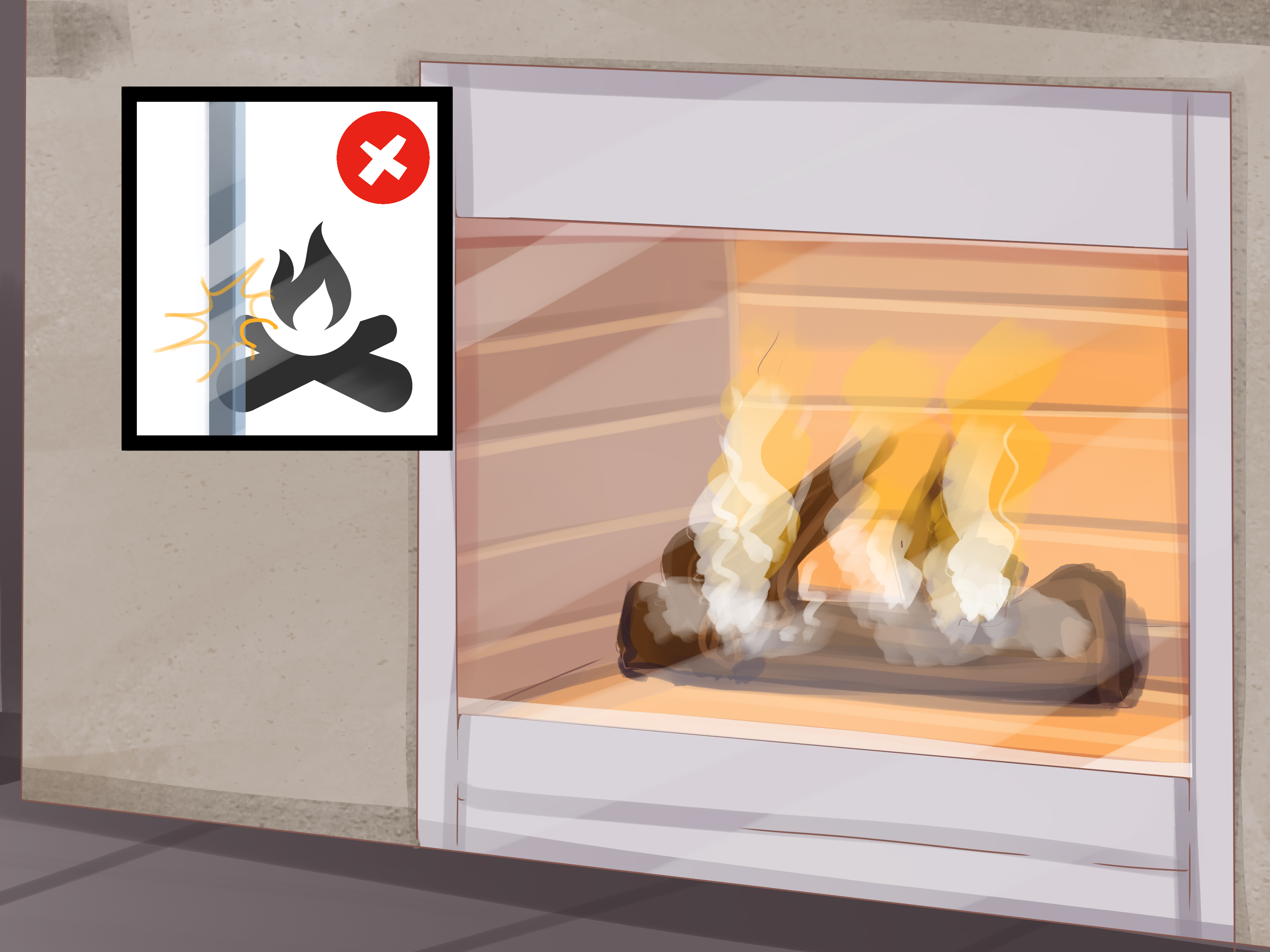
Build small, hot fires rather than smoky, oxygen-starved fires. Give new fires enough air to establish strong flames before reducing the air controls. Do not overload the firebox. Avoid letting logs rest directly against the glass. In many modern stoves, the airwash system helps keep glass clearer by directing heated air across the inside of the door. That system works best when the stove is operated correctly.
If your glass gets black very quickly, pay attention. It could mean wet wood, poor draft, closed air controls, a cold chimney, an oversized stove running too low, or a maintenance issue. Cleaning the glass is useful, but solving the burn problem is what keeps it clean.
How Often Should You Clean Fireplace or Woodstove Glass?
For frequent woodstove users, a quick wipe every few fires can prevent thick buildup. If you burn daily in winter, you may prefer a light cleaning once a week and a deeper cleaning as needed. For occasional fireplace use, cleaning once or twice per season may be enough.
The timing depends on your appliance, wood quality, draft, and burning habits. A thin amber haze is normal. A heavy black coating after one fire is a clue. If the glass is so dark that you cannot enjoy the flames, clean it. If it becomes dark again immediately, investigate the cause.
Safety Reminder: Glass Cleaning Does Not Replace Chimney Maintenance
Clean glass does not mean the chimney is clean. A fireplace or woodstove system should be inspected regularly, and many safety organizations recommend an annual inspection by a qualified chimney professional. Creosote buildup in the chimney or flue can increase the risk of chimney fire. If you notice smoke entering the room, strong smoky odors, poor draft, falling creosote flakes, damaged masonry, warped metal, or recurring heavy soot, stop guessing and call a professional.
Think of glass cleaning as brushing your teeth. Chimney inspection is the dental checkup. You need both if you want to keep the whole system healthy.
Common Problems and Simple Fixes
The Glass Turns Black Overnight
This often happens when the stove is shut down too far for an overnight burn. Low, smoldering fires create more smoke. Use properly seasoned wood, establish a hot coal bed, and avoid choking the fire too early. Follow your stove manual for overnight burning.
The Soot Looks Brown and Sticky
Sticky residue may indicate creosote-like buildup from cool, smoky fires or wet wood. Clean the glass carefully and review your burning habits. If buildup is heavy elsewhere in the stove or chimney, schedule an inspection.
The Glass Has White Haze
White haze can come from minerals, ash residue, or cleaner left behind. Try a vinegar solution followed by a clean-water wipe and dry polish. If the haze does not budge, check whether the glass is etched or damaged.
The Door Gasket Gets Wet During Cleaning
Blot it dry and leave the door open until it fully dries. Repeated soaking can shorten gasket life. Next time, spray your cloth instead of spraying the glass directly near the edges.
Real-World Experience: What Actually Works When the Glass Looks Hopeless
After cleaning many fireplace and woodstove glass doors, one lesson becomes obvious: the first wipe is always the ugliest. You spray a little vinegar, make one confident pass, and suddenly the glass looks worse. This is normal. Soot mixes with moisture and turns into black soup. Do not panic. Do not add five more products. Just switch to a clean cloth and keep working in small sections.
The ash method is often the biggest surprise for beginners. It sounds strange to clean soot with ash, like washing muddy boots with more mud. But fine, cold wood ash can work beautifully on the smoky brown-black film that clings to stove glass. The trick is to use a damp cloth or newspaper, not a dripping one, and to pick fine ash rather than gritty chunks. If the ash feels sandy between your fingers, do not grind it into the glass. Go for the soft powdery stuff.
Another experience-based tip: clean the glass before it becomes a full weekend project. A light haze takes two minutes. A neglected black panel can take half an hour, three cloths, and a small identity crisis. When you empty ashes, give the cool glass a quick inspection. If you see buildup starting in the lower corners, wipe it then. Future you will be grateful, and future you is very tired in February.
Homeowners with modern woodstoves often notice that the glass stays cleaner when the stove runs hot enough. That does not mean overfiring the stove. It means using dry wood, giving the fire enough air at startup, and avoiding long smoky burns. A lazy fire may look peaceful, but it is often making soot like it is being paid by the ounce. Strong flames, good draft, and seasoned fuel are your best glass-cleaning assistants.
For fireplaces with removable doors, taking the glass off can make cleaning easier, but only if the manual allows it and the hardware is simple. Put screws in a cup, take a quick phone photo before disassembly, and never force a panel that seems stuck. The fastest way to turn glass cleaning into a bad afternoon is to bend a clip, tear a gasket, or discover that “I’ll remember where this screw goes” was a lie.
Finally, do not chase perfection too aggressively. A faint mark near the edge is not worth scratching the glass. The goal is a clear view of the fire, not a museum display case. If you can sit down, see the flames, and enjoy the room without staring at a soot blob shaped like Ohio, you have succeeded.
Conclusion
Cleaning fireplace or woodstove glass is a simple home maintenance task when you respect three rules: let the glass cool completely, use gentle fireplace-safe methods, and fix the burning habits that cause heavy soot in the first place. Vinegar and water handle light haze. Cold ash and newspaper can remove stubborn soot. Commercial fireplace glass cleaner is useful for deep cleaning. Scrapers should be used carefully, only when appropriate.
Most importantly, remember that dirty glass can be a symptom. If your fireplace or stove glass turns black quickly, look at your fuel, airflow, draft, and maintenance schedule. Burn dry seasoned wood, build hot clean fires, avoid trash or treated materials, and schedule professional chimney inspection when needed. A clear fire view is wonderful. A safer, cleaner-burning hearth is even better.