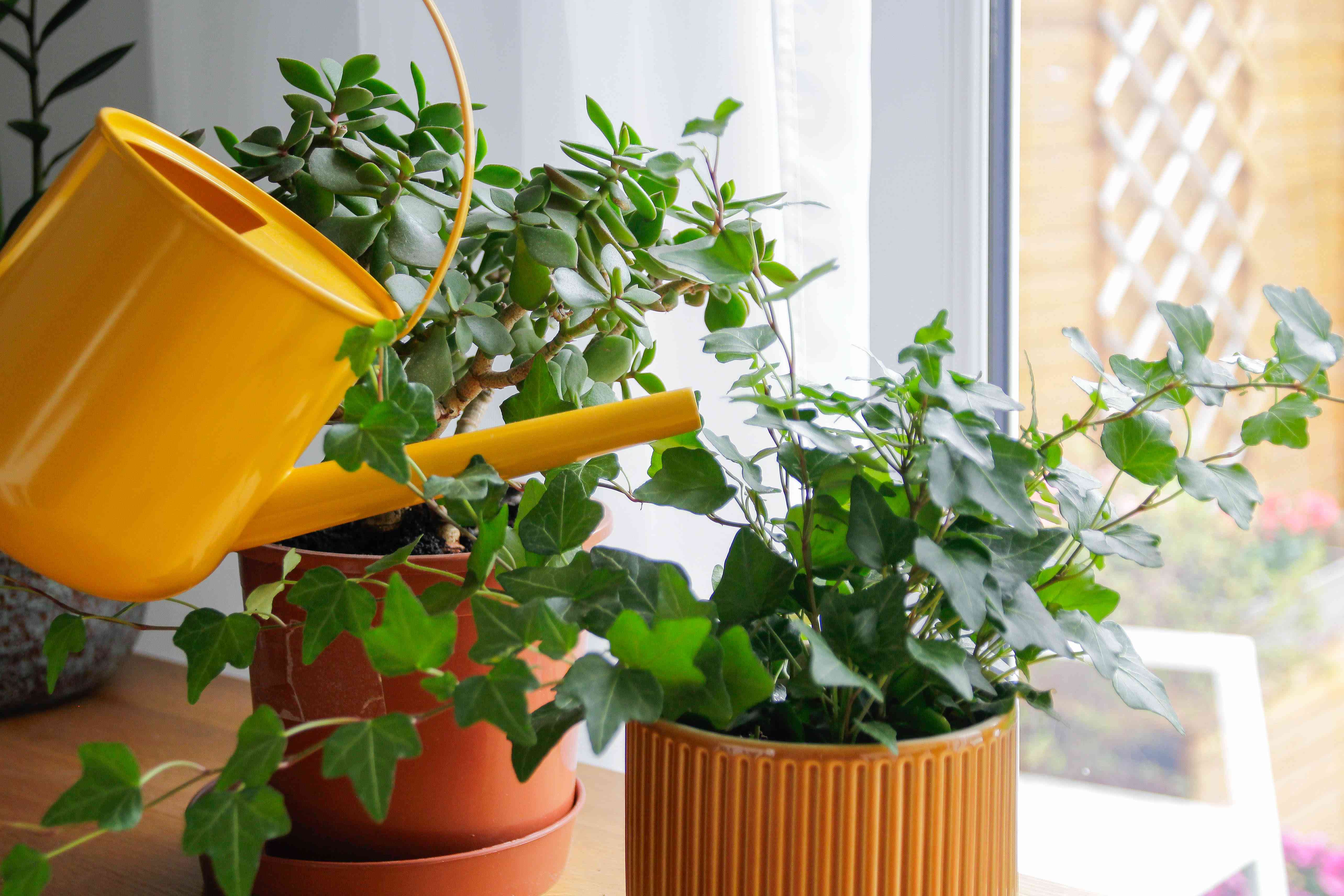
Watering houseplants with ice cubes sounds like the kind of advice that escaped from a social media comment section wearing gardening gloves. The promise is tempting: no more guessing, no more overwatering, no dramatic puddles on the windowsill, and no tiny indoor swamp forming under your favorite pothos. Just pop a few cubes on the soil, let them melt, and let your plant sip slowly like it is enjoying a spa day.
But should you actually water your houseplants with ice cubes? The short answer from gardeners is: usually no, with one famous exception. Ice cubes can work for some Phalaenopsis orchids, especially the grocery-store moth orchids often sold with care tags recommending three ice cubes per week. For most other houseplants, however, ice is more gimmick than gold. Tropical plants, leafy indoor plants, succulents, ferns, calatheas, pothos, philodendrons, and monsteras generally prefer room-temperature water, proper drainage, and a human who checks the soil before watering.
So before you turn your plant shelf into a miniature cocktail bar, let’s break down what ice cube watering does, when it can help, when it can hurt, and how to water houseplants in a way that keeps roots happy instead of confused.
The Gardener’s Verdict: Ice Cubes Are Not a Universal Houseplant Hack
When we asked a gardener whether ice cubes belong in the houseplant care routine, the answer came with a raised eyebrow and a very reasonable question: “What plant are we talking about?” That is the heart of the issue. Houseplants are not one big green family with identical drinking habits. A moth orchid growing in airy bark is not the same as a peace lily in potting mix, a snake plant in gritty soil, or a fern that wants steady moisture.
The ice cube method became popular because it offers a measured amount of water. Many plant owners overwater because they love their plants a little too enthusiastically. Ice slows people down. Instead of dumping a mug of water into a decorative pot with no drainage, the melting cube releases water gradually. That sounds helpful, and in certain orchid setups, it can be.
However, most houseplants do not need slow frozen water. They need water that reaches the root zone evenly, drains through the pot, and leaves the soil moist but not soggy. Ice cubes often melt in one small area, which can create uneven moisture. One patch of soil gets wet while the rest of the root ball stays dry. That is like watering only one corner of a sponge and calling the whole sponge hydrated.
Why Ice Cubes Became Popular for Orchids
The ice cube trend is most closely linked to Phalaenopsis orchids, commonly called moth orchids. These orchids are often sold in bark chips or sphagnum moss rather than regular potting soil. Their roots like air as much as moisture, and many beginners accidentally kill orchids by keeping them too wet. Ice cubes offered a simple instruction: place a few cubes on the growing medium once a week.
Research on Phalaenopsis orchids found that ice cube watering did not reduce display life or visibly harm the plants when compared with traditional watering. That is important because it shows the method is not automatically plant torture. In tests, orchid roots exposed to ice did get cold, but not cold enough to cause the kind of freezing injury many people feared. For this specific orchid type, in the right growing medium, ice cubes can be a convenient portion-control tool.
Still, “safe for some moth orchids” does not mean “safe for every houseplant sitting near your window.” A watering method that works for a bark-grown orchid may be wrong for a tropical foliage plant in dense soil. Gardening advice should always come with context. Plants are living things, not USB chargers.
Why Most Houseplants Prefer Room-Temperature Water
Most popular indoor plants come from warm or tropical environments. Think pothos, philodendron, monstera, peace lily, prayer plant, rubber plant, anthurium, and many ferns. These plants are adapted to rainfall, humidity, and warm soilnot chunks of frozen water pressed against their roots.
Cold water can stress sensitive roots, especially if the plant is already dealing with low light, winter dormancy, dry indoor air, or a potting mix that stays wet for too long. One ice cube may not destroy a mature plant overnight, but repeated cold watering can make care less predictable. A stressed plant may show yellowing leaves, browning edges, drooping, slowed growth, or leaf drop. Unfortunately, those symptoms can look a lot like underwatering or overwatering, which means the plant owner may respond by adding more ice. The plot thickens, and the plant suffers.
Room-temperature water is safer because it hydrates without shocking the root zone. It also lets you water thoroughly, which is one of the most important habits in indoor plant care. A good watering session should moisten the whole root ball and allow excess water to escape through drainage holes. That is difficult to achieve with a few melting cubes sitting on the surface.
The Real Problem: Overwatering Is About Oxygen, Not Just Water Amount
Many people reach for ice cubes because they are afraid of overwatering. That fear is justified. Overwatering is one of the most common reasons houseplants fail. But here is the twist: overwatering is not simply giving a plant “too much water” one time. It is keeping the root zone wet for too long, too often, especially in a pot with poor drainage or compacted soil.
Roots need oxygen. When potting mix remains saturated, the spaces that normally hold air fill with water. Roots can weaken, decay, and become vulnerable to rot. That is why a plant can wilt even when the soil is wet. The damaged roots can no longer absorb water properly, so the leaves droop, the owner panics, and more water arrives like a badly timed rescue team.
Ice cubes do not solve poor drainage. If a plant is in a pot without drainage holes, ice will still melt into trapped water. If the soil is dense and soggy, ice will not magically improve airflow. If you water on a fixed schedule without checking the soil, ice simply turns that bad habit into a slower bad habit.
When Ice Cube Watering May Be Okay
Phalaenopsis Orchids in Bark or Sphagnum Moss
The best candidate for ice cube watering is a Phalaenopsis orchid in a small pot with airy orchid medium. For these plants, a few standard ice cubes placed on top of the mediumnot directly against leaves or the crowncan provide a measured weekly drink. The method is especially useful for beginners who tend to drown orchids with good intentions and a heavy watering can.
Even with orchids, observation matters. Healthy hydrated orchid roots often look green, while dry roots may appear silvery. Leaves should feel firm, not wrinkled or floppy. If the potting medium remains wet for days, reduce watering. If roots are dry and leaves are soft, the plant may need more moisture or a different watering approach.
Very Small Pots Where Measuring Is Difficult
Some gardeners use one ice cube as a measuring shortcut for very small containers. This can reduce the risk of pouring too much water into a tiny pot. However, it is still better to learn the plant’s moisture needs and use a small-spout watering can, syringe, or measuring cup with room-temperature water.
Temporary Situations, Not a Lifestyle
If you are watering display plants during an event or caring for a plant in a hard-to-reach location, ice may be a short-term convenience. But for long-term houseplant health, routine care should focus on soil moisture, drainage, light, humidity, and pot size.
Houseplants You Should Not Water With Ice Cubes
For most indoor plants, skip the ice. This includes tropical foliage plants such as monstera, pothos, philodendron, calathea, peace lily, Chinese evergreen, rubber plant, fiddle leaf fig, and many ferns. These plants prefer a more even watering pattern and may dislike cold roots.
Succulents and cacti are also poor candidates. They do not want frequent tiny sips; they usually prefer a deep watering followed by a thorough dry-down. A few ice cubes on top of succulent soil can keep the surface damp without properly soaking the root zone, which encourages weak roots and confusion. Succulents already have enough drama without being served frozen hydration.
Bulb plants such as amaryllis and holiday plants such as poinsettias are also better watered with room-temperature water. Their roots and crowns can be sensitive to cold, and their care depends more on drainage and timing than clever watering tricks.
How to Water Houseplants the Right Way
Check the Soil First
The best watering tool is not a fancy gadget. It is your finger. Push it about one inch into the soil for moisture-loving plants, and deeper for larger pots or plants that prefer to dry out. If the soil feels damp, wait. If it feels dry at the appropriate depth for that plant, water.
You can also lift the pot. A freshly watered pot feels heavier; a dry pot feels noticeably lighter. Over time, this weight test becomes surprisingly accurate. You may feel a little ridiculous at first, but every experienced plant owner eventually becomes the person silently weighing pots in the living room.
Water Thoroughly
When a plant is ready for water, water the entire soil surface until water runs from the drainage holes. This ensures the full root ball receives moisture. Let the pot drain completely, then empty the saucer. Never let the plant sit in standing water unless it is a plant specifically adapted to boggy conditions, which most houseplants are not.
Adjust for Season and Light
Plants use more water when they are actively growing in bright light and warm conditions. They use less water in winter, in low light, or after being moved to a cooler room. A plant near a sunny south-facing window may dry out faster than the same plant on a bookshelf across the room. Water the plant you have, in the spot it lives, not the plant schedule you found online at 2 a.m.
Use the Right Pot and Soil
A pot with drainage holes is not optional for most houseplants; it is life insurance. Well-draining potting mix helps roots breathe and prevents water from lingering too long. If your plant is constantly wet, the issue may not be your watering frequency alone. The pot may be too large, the soil may be too dense, or the decorative outer container may be trapping water.
Signs Your Plant Is Getting the Wrong Amount of Water
Watering problems can be tricky because overwatering and underwatering often share symptoms. A thirsty plant may wilt, but so can a plant with rotted roots. Yellow leaves can mean too much water, too little water, poor light, old leaves naturally aging, or a plant quietly judging your entire care routine.
Common signs of overwatering include yellowing leaves, mushy stems, fungus gnats, moldy soil, a sour smell from the pot, and soil that stays wet for many days. Common signs of underwatering include crispy edges, dry soil pulling away from the pot, drooping leaves that perk up after watering, and slow growth. The soil tells the best story, so always check it before acting.
So, Should You Water Houseplants With Ice Cubes?
For most houseplants, no. Use room-temperature water instead. Ice cubes are not necessary, and they can create uneven moisture or cold stress in plants that prefer warm conditions. The better approach is simple: check the soil, water thoroughly when needed, let the pot drain, and adjust based on light, season, and plant type.
For Phalaenopsis orchids, ice cube watering can be acceptable when used correctly. Place the cubes on the growing medium, avoid direct contact with leaves and the crown, and monitor root and leaf health. If your orchid is thriving, there is no need to feel guilty. If it is struggling, try traditional watering with room-temperature water and reassess the potting medium, drainage, and light.
The gardener’s final answer is balanced: ice cubes are a specialized orchid shortcut, not a universal houseplant solution. In other words, your orchid might enjoy the ice cube treatment, but your calathea would like to speak to management.
Gardener’s Experience: What Happens When You Try the Ice Cube Method at Home
In real-life houseplant care, the ice cube method usually teaches one useful lesson: watering is less about following a cute trick and more about paying attention. A gardener who has tested the method on different indoor plants will often notice that the results vary wildly. The Phalaenopsis orchid on the kitchen counter may bloom happily with three ice cubes a week, while the peace lily nearby droops as if it has just received terrible news. Same house, same person, same freezer. Different plant, different outcome.
One common experience is uneven moisture. After placing ice cubes on a medium-size houseplant, the top of the soil may look damp where the cubes melted, but the rest of the pot can remain dry. When you slide a finger into the soil a few inches away from the melt zone, it may feel almost untouched. This is especially common in pots with peat-heavy mix that has become dry and slightly hydrophobic. Water from melted ice follows the easiest path downward instead of spreading evenly. The plant gets a cold drip in one spot rather than a proper drink.
Another experience is false confidence. Ice cubes feel precise, which makes plant owners think they have solved watering forever. But plants change with the seasons. A pothos in July may need water more often than the same pothos in January. A monstera moved closer to a bright window may dry faster. A plant in a plastic nursery pot may stay moist longer than one in terracotta. If the owner keeps adding the same number of ice cubes every week, the routine may eventually become wrong even if it seemed fine at first.
Gardeners also notice that plant stress is not always immediate. A cold-sensitive plant may not collapse after one ice cube watering. Instead, it may show subtle problems over time: brown leaf tips, slower growth, yellow leaves near the bottom, or soil that stays damp in odd patches. These symptoms are easy to blame on fertilizer, humidity, or “plant moodiness,” but watering habits are often the quiet culprit.
The most successful home experiment is usually with moth orchids. Many beginners keep orchids alive longer with ice cubes because the method prevents them from pouring too much water into a decorative sleeve. But experienced growers often prefer room-temperature water because it lets them flush the potting medium, hydrate roots evenly, and inspect the plant more closely. In other words, ice cubes can be training wheels. Helpful? Sometimes. Necessary forever? Not really.
The practical takeaway from hands-on experience is this: if a plant is thriving, keep observing and make small adjustments. If a plant is declining, do not defend the method just because it is easy. Pull the inner pot out, check the roots, smell the soil, look at the drainage, and water according to what the plant is actually telling you. The best gardeners are not the ones with the most complicated tricks. They are the ones who notice when a trick stops working.
Conclusion
Watering houseplants with ice cubes is one of those gardening ideas that is partly useful, partly misunderstood, and partly responsible for many heated conversations among plant people. The science-backed exception is Phalaenopsis orchids, where measured ice cube watering can work when the plant is in the right medium and the cubes are used correctly. For most other houseplants, room-temperature water remains the better choice.
If you want healthier indoor plants, do not rely on frozen shortcuts. Learn each plant’s moisture preference, check the soil before watering, use pots with drainage, and water thoroughly when the plant is ready. Your plants do not need perfection. They need consistency, observation, and occasionally for you to stop loving them with a watering can quite so aggressively.