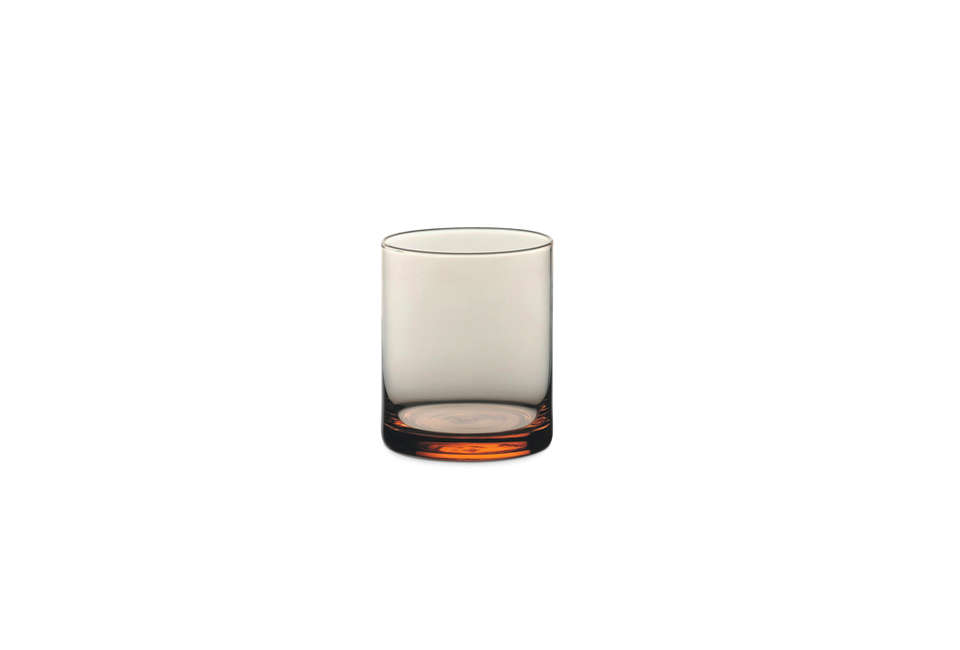
Salmon glass sounds like something a very fancy fish might order for its beach house, but in design, collecting, and glass art, the phrase usually points to one of two things: glass in a warm salmon-pink color, or art glass shaped, painted, fused, or blown to represent salmon. Either way, it has a talent for catching light, warming up a room, and making ordinary shelves look as if someone has been quietly curating instead of panic-buying decor at midnight.
At its heart, salmon glass is about color. It sits between pink, coral, peach, and soft orange, which makes it unusually flexible. It can feel vintage without looking dusty, coastal without becoming a seashell explosion, and artistic without requiring visitors to whisper in your living room. Whether you are looking at a salmon-colored vase, pink Depression-style glassware, a stained-glass salmon suncatcher, or a handblown fish sculpture, the appeal comes from the same magic trick: glass does not simply hold color; it performs it.
This guide explores what salmon glass is, how it is made, why collectors and decorators like it, how to use it at home, how to care for it, and what personal experience can teach you before you bring a piece into your own space.
What Is Salmon Glass?
“Salmon glass” is not a single scientific category like borosilicate glass or soda-lime glass. Instead, it is a descriptive term used for glass that has a salmon-like color or a salmon-inspired subject. In home decor, it often refers to warm pink-orange glassware, vases, bowls, candleholders, lampshades, tiles, or stained-glass panels. In art and gift markets, it may describe glass fish sculptures, salmon ornaments, fused-glass wall art, or stained-glass window pieces shaped like salmon.
The color is the key. Salmon sits in the friendly middle zone between blush pink and coral orange. That makes it softer than red, warmer than pale pink, and less loud than neon coral. It feels organic because it resembles sunsets, sea life, flower petals, citrus flesh, and mineral tones. In glass, those associations become even richer because light passes through the material, changing the color from one hour to the next.
Why Salmon-Colored Glass Has Such a Strong Visual Appeal
Colored glass has been admired for centuries because it interacts with light in a way opaque materials cannot. A salmon ceramic bowl can be pretty; a salmon glass bowl can glow. Put it near a window and the color may shift from peach to rose. Place it under warm bulbs and it may deepen into coral. Set it against white marble, dark walnut, brushed brass, or pale oak, and it changes personality again.
This is why salmon glass works in so many interiors. It adds warmth without overwhelming the room. In a neutral kitchen, salmon drinking glasses can break up a sea of white cabinets. In a coastal living room, a salmon glass lamp base can echo shells and sunset tones without making the space look like a seafood restaurant. In a modern apartment, a single sculptural vase in salmon glass can soften sharp lines and industrial surfaces.
It Is Nostalgic, But Not Stuck in the Past
Many people associate pink and peach glass with vintage tableware, especially Depression-era glass and mid-century decorative pieces. During the twentieth century, colorful glassware became popular in American homes because it was cheerful, affordable, and easy to display. Today, that history gives salmon glass a collected look. It suggests flea markets, estate sales, grandmother’s cabinet, and the thrill of finding something beautiful for less than the price of a trendy throw pillow.
At the same time, salmon glass does not have to feel old-fashioned. Modern makers use the shade in minimalist tumblers, handblown pendants, fused-glass panels, contemporary tiles, and sculptural objects. The color has enough warmth to feel human and enough brightness to feel current.
How Salmon Glass Gets Its Color
Glass color is a blend of chemistry, heat, raw materials, and craft control. In general, glass may be colored by natural impurities in the ingredients or by adding metallic oxides, minerals, or elements to molten glass. Depending on the formula and firing conditions, glassmakers can create transparent, translucent, opaque, opalescent, iridescent, or layered effects.
Pink, red, and salmon tones can be especially complex. Historically, glassmakers used different additives and processes to produce pinkish or reddish glass. Selenium is one material associated with pink transparent glass and ruby tones in certain glassmaking contexts. Manganese has also been used in glass production and may contribute pink or red tints under certain conditions. The exact result depends on the recipe, furnace atmosphere, temperature, and the maker’s skill. Translation: glass color is science wearing an artist’s apron.
Transparent vs. Opalescent Salmon Glass
Transparent salmon glass lets light pass through clearly, which makes it ideal for drinking glasses, candleholders, window accents, and small bowls. Opalescent salmon glass has a milky or cloudy quality that diffuses light. This type can look softer, dreamier, and more handcrafted. In stained glass and art glass, opalescent effects help create depth, especially when the piece includes waves, fins, flowers, or abstract patterns.
Surface Color vs. Body Color
Not all salmon glass is colored the same way. Some glass is colored throughout the body of the material. Other pieces use surface treatments, enamels, flashing, staining, or coatings. A fully colored piece usually keeps its hue even if scratched lightly, while surface-colored glass may show wear more easily. For collectors, this matters. For decorators, it still matters, because nobody wants a “salmon” vase that becomes “mysterious beige regret” after one enthusiastic cleaning session.
Types of Salmon Glass
1. Salmon Glassware
Salmon drinking glasses, goblets, coupes, plates, and serving bowls are among the easiest ways to bring this color into daily life. They work beautifully for brunch tables, spring dinners, summer gatherings, bridal showers, and holiday settings that need warmth without defaulting to red or gold. A salmon glass tumbler with sparkling water looks more festive than it has any right to.
2. Salmon Depression-Style Glass
Pink Depression glass is a well-known collectible category, and some pieces lean toward a salmon-pink shade. These items may include plates, candy dishes, cups, saucers, pitchers, and serving pieces. Collectors often look for recognizable patterns, clean condition, crisp details, and pieces without chips or cracks. While not every salmon-pink piece is Depression glass, the look has influenced modern reproductions and vintage-inspired decor.
3. Salmon Stained Glass
Stained glass uses colored pieces joined with lead came, copper foil, or other techniques. Salmon tones are especially useful for floral designs, sunset scenes, fish motifs, geometric borders, and warm privacy panels. A salmon stained-glass transom or cabinet insert can add color while still allowing light to move through a space.
4. Salmon Art Glass Fish
Glass salmon sculptures are popular in coastal, lodge, wildlife, Pacific Northwest, and fishing-inspired decor. They may be blown, fused, lampworked, cast, or assembled from stained glass. Some are realistic, with silver-blue backs and orange bodies. Others are playful and abstract, using salmon as a shape rather than a biology lesson. These pieces make strong gifts for anglers, nature lovers, seafood fans, and anyone who thinks wall art should have fins.
5. Salmon Glass Lighting
Lighting is where salmon glass becomes especially dramatic. A pendant shade, sconce, lamp base, or stained-glass lampshade in salmon tones can warm a room instantly. When illuminated, the color glows rather than simply sits there. This makes salmon glass lighting useful in dining rooms, powder rooms, reading corners, entryways, and bedrooms that need softness.
How to Decorate With Salmon Glass
The secret to styling salmon glass is restraint. Because the color is warm and luminous, a little can do a lot. Start with one focal point, then repeat the tone subtly elsewhere. For example, place a salmon glass vase on a console table and echo it with a small coral pillow, a peach-toned book cover, or artwork that includes sunset shades.
Pair It With Neutrals
Salmon glass looks refined against white, cream, beige, taupe, warm gray, and soft brown. These backgrounds let the color glow without competition. A set of salmon glass coupes on a cream tablecloth feels elegant but not stiff. Add linen napkins and suddenly you are the sort of person who “hosts,” even if dinner is mostly takeout in witness protection.
Use It With Natural Materials
Wood, rattan, stone, linen, clay, and woven textures help salmon glass feel grounded. This is especially useful because colored glass can look too sweet if surrounded only by glossy surfaces. Pairing it with natural materials gives it depth and prevents the room from drifting into candy-shop territory.
Mix It With Blues and Greens
Because salmon is a warm color, it pairs beautifully with cooler tones. Soft blue, seafoam, teal, sage, olive, and deep navy all make salmon glass pop. This is one reason salmon-colored glass works so well in coastal and nature-inspired interiors. The palette quietly suggests water, sky, fish, shells, and sunset without hanging a sign that says “theme room.”
Try It in Small Spaces
A powder room, breakfast nook, entry shelf, or bedside table is a perfect testing ground. A salmon glass soap dispenser, bud vase, sconce, or tray can make a small area feel intentional. Small spaces are allowed to be a bit bolder; they are the jewelry boxes of the house.
Buying Salmon Glass: What to Look For
When buying salmon glass, first decide whether you want functional glassware, decorative glass, stained glass, or collectible vintage glass. Each category has different quality signals.
For Functional Pieces
Check the rim, base, and handles for chips or rough spots. Hold the piece up to light and look for cracks, cloudiness, or uneven coatings. If you plan to drink from it, confirm that it is intended for food use. Vintage decorative glass should not automatically be treated as modern dishwasher-safe tableware.
For Vintage and Collectible Pieces
Condition matters. Chips, cracks, repairs, severe scratching, and cloudy interiors can reduce desirability. Pattern, maker, color, rarity, and provenance may also affect value. If a seller claims a piece is rare, ask what supports that claim. “Rare” is sometimes collector language and sometimes just a sticker with ambition.
For Art Glass
Look for craftsmanship. Are the colors clean? Does the piece stand securely? Are the edges finished? Does the form feel balanced? With handmade glass, tiny bubbles or variations are not always flaws; they may be part of the object’s character. The question is whether the piece looks intentional, stable, and well made.
How to Care for Salmon Glass
Good care keeps salmon glass bright, clear, and safe to use or display. For valuable, vintage, handmade, or delicate pieces, hand-washing is usually the smartest choice. Use lukewarm water, mild dish soap, and a soft sponge or cloth. Avoid abrasive pads, harsh powders, and sudden temperature changes. Glass may seem tough, but it has dramatic feelings about thermal shock.
Cleaning Cloudy Glass
Cloudiness can come from hard-water mineral buildup or permanent etching. Mineral deposits may improve with a short white-vinegar soak followed by gentle washing and immediate drying with a lint-free cloth. Etching, however, is permanent surface damage. That is why delicate glass should not be casually tossed into a high-heat dishwasher cycle and expected to emerge emotionally unchanged.
Displaying Salmon Glass Safely
Display pieces where they can catch light but avoid unstable ledges, crowded shelves, and places where pets perform indoor parkour. If you display glass in a cabinet, leave space between pieces so rims and handles do not knock together. For stained-glass panels, use secure hardware and avoid hanging heavy pieces from weak suction cups in high-traffic areas.
Is Salmon Glass Valuable?
Some salmon glass is inexpensive decor. Some is collectible. Some is museum-worthy art glass. Value depends on age, maker, technique, rarity, condition, demand, and documentation. A mass-produced salmon tumbler from a home store may be charming but not especially valuable. A documented vintage art glass vase, a rare Depression-style pattern, or a signed studio glass salmon sculpture may attract collectors.
Do not buy salmon glass only because you think it might become valuable. Buy it because the color makes you happy, the form is beautiful, or the piece improves your space. If it also gains value, wonderful. If not, you still own something prettier than most remote controls.
Common Mistakes to Avoid
Overdoing the Color
Salmon glass is best used as an accent. Too much of it can make a room feel overly sweet. Let the color breathe by pairing it with neutrals, woods, greens, blues, or matte textures.
Ignoring Light
Glass needs light to show its personality. Before deciding a piece is dull, move it near a window, under a lamp, or against a lighter background. Salmon glass that looks quiet on a dark shelf may glow beautifully in morning light.
Using the Dishwasher Without Checking
Many modern glasses are dishwasher-safe, but vintage, hand-painted, iridescent, delicate, or art-glass pieces should be treated with more caution. When in doubt, hand-wash.
Confusing Color Description With Authenticity
A seller may describe a piece as salmon glass simply because of its shade. That does not automatically identify the maker, period, or technique. Use “salmon” as a color clue, not a certificate of origin.
Personal Experiences With Salmon Glass
The first thing you notice about salmon glass in real life is that it refuses to look the same all day. I once placed a salmon-pink glass vase on a windowsill just to see whether it matched a room. In the morning, it looked pale and gentle, almost like blush quartz. By late afternoon, it had turned warmer, picking up golden light until the whole thing looked like a tiny sunset trapped in a vase. That is the kind of decorating experiment that makes you move three other objects around and suddenly believe you have a “design process.”
Another experience came from using salmon-colored glasses at a casual dinner. The table itself was simple: white plates, a wooden board, folded napkins, and nothing that required a floral budget. But the salmon glasses changed the mood immediately. Water looked brighter. Iced tea looked intentional. Even plain sparkling water seemed as if it had been invited to a garden party. Guests noticed them before they noticed the food, which was slightly rude to the salad but excellent news for the table setting.
Salmon glass also teaches you about balance. Place it beside too many pink items, and the look can become sugary. Place it near dark green leaves, blue ceramics, natural wood, or cream linen, and it becomes sophisticated. The color needs contrast the way a joke needs timing. Without contrast, it just stands there smiling too hard.
For collectors, the experience is more like a treasure hunt. Salmon-toned pieces often appear in antique stores, estate sales, thrift shops, and online listings under different names: pink glass, coral glass, peach glass, rose glass, Depression-style glass, art glass, or vintage colored glassware. Searching for them requires flexibility. One seller’s “salmon” is another seller’s “dusty rose,” and another seller’s “I found this in my aunt’s cabinet.” The fun is in learning to recognize the tone and evaluate the piece beyond the label.
Stained-glass salmon pieces create a different kind of pleasure. A glass fish hanging in a sunny window can feel playful, especially in a kitchen, cabin, porch, or coastal room. It catches light, throws warm color, and adds movement even though it is perfectly still. That is the strange charm of glass: it can make a quiet corner feel alive.
The biggest lesson from living with salmon glass is simple: use it where you will actually see it. Do not hide the best piece in a cabinet so high it requires a ladder and emotional commitment. Put the vase on the table. Use the glasses. Hang the suncatcher. Let the lamp glow. Glass is durable enough to last for generations, but its beauty is most meaningful when it participates in daily life. Salmon glass, with its warm color and luminous personality, is especially good at turning ordinary routines into small visual treats.
Conclusion
Salmon glass is more than a color trend. It is a warm, versatile, light-loving category of glass that can appear in tableware, stained glass, art objects, lighting, vintage collectibles, and handmade decor. Its charm comes from the way salmon tones shift between pink, coral, peach, and orange depending on light and setting. That makes it easy to style, memorable to collect, and surprisingly powerful in a room.
Whether you choose a single bud vase, a set of drinking glasses, a stained-glass fish, or a sculptural art piece, salmon glass brings softness, warmth, and personality without shouting. It is cheerful but not childish, nostalgic but not trapped in the past, and elegant without acting like it needs its own security guard. In a world full of predictable decor, salmon glass offers something better: color with glow, history with humor, and beauty that changes every time the light moves.