Every gardener knows the fantasy: you buy a few pretty plants, wave politely at the hose, and by July your yard looks like it belongs on a magazine cover. Then reality shows up wearing muddy shoes. A tomato flops. A hydrangea sulks. A container plant turns crisp faster than toast. That is usually the moment when the best gardening advice sneaks back into your head, and it often sounds suspiciously like something Mom would say.
The truth is that many of the smartest modern garden habits are gloriously old-school. Professional growers, landscape designers, nursery people, and seasoned home gardeners may use fancier tools now, but the core lessons still feel wonderfully familiar: pay attention, do not drown the roots, stop planting sun lovers in shade, and please stop treating mulch like cake frosting piled against a trunk. These are the kinds of gardening lessons that stick for life because they work in real backyards, not just in dreamy before-and-after photos.
So here are nine timeless gardening lessons, written in the spirit of the wise, practical mothers who taught people how to grow things before apps, algorithms, and suspiciously optimistic plant labels entered the chat. If you want a healthier, easier, better-looking garden, these are the rules worth keeping.
1. Feed the soil first, and the plants will thank you later
One of the most enduring lessons in garden care is also the least flashy: the real magic happens underground. Before you obsess over blooms, fruit, or foliage color, pay attention to the soil. Great gardeners know that healthy plants start with healthy structure, proper drainage, enough organic matter, and the right pH.
That is why experienced gardeners are almost annoyingly loyal to compost. It improves texture, helps sandy soil hold moisture, helps heavier soil loosen up, and supports the kind of root growth that makes plants more resilient. In other words, compost is not glamorous, but it is the quiet overachiever of the gardening world.
Smart gardeners also do something far less impulsive than loading a cart with random fertilizer: they test the soil. It is not as romantic as buying a lavender plant on a sunny Saturday, but it is dramatically more useful. A soil test tells you what is actually missing, what is already present, and whether the pH is helping or sabotaging your plants. That little bit of information can save money, frustration, and at least one dramatic declaration that “nothing grows in this yard.”
Why this lesson still matters
If the soil is compacted, nutrient-poor, or out of balance, even expensive plants can struggle. Start by improving the ground, and your flowers, herbs, vegetables, and shrubs all get a better shot at success. Mom may not have called it “soil biology,” but she absolutely understood the assignment.
2. Put the right plant in the right place
This lesson should probably be embroidered on a pillow and handed to every gardener at checkout: right plant, right place. It sounds simple because it is simple. It is also the cause of a shocking amount of unnecessary heartbreak.
Plants are not being difficult when they fail in the wrong conditions. They are being plants. A full-sun vegetable will not suddenly become a shade philosopher because you hoped for the best. A moisture-loving perennial will not thrive in a hot, dry strip next to the driveway just because the garden center looked persuasive.
Professional gardeners learn early to read the site before they read the wish list. How many hours of sun do you actually get? Does water sit in that bed after rain? Is the space windy, cramped, dry, or root-filled from nearby trees? What size will that cute shrub become in three years, not three minutes? Once you answer those questions, plant selection gets much smarter.
This lesson also applies to spacing. Crowding young plants together may look lush on day one, but by midsummer it can reduce airflow, increase disease pressure, and create a tangle that requires the patience of a saint and the knees of a yoga instructor. Trust the label. Future you would like a word.
3. Water deeply, not constantly
If there is one gardening habit moms seem to pass down with iron conviction, it is this: do not sprinkle the garden like you are seasoning fries. Water deeply. Water thoroughly. Then leave the plant alone for a bit.
Deep watering encourages roots to grow farther down into the soil, where moisture lasts longer and temperatures stay more stable. Shallow, frequent watering tends to keep roots near the surface, where heat and drought stress hit harder. That is how you end up with needy plants and a very clingy summer garden.
For many in-ground plants, a deep weekly watering is more useful than a light daily splash, though the exact schedule depends on weather, soil type, and plant age. Morning is usually the best time to water because leaves dry faster and less moisture is lost to midday heat. It also gives you the oddly satisfying feeling of having accomplished something before breakfast.
Container gardens are the exception that keeps gardeners humble. Pots dry out faster than in-ground beds, especially in heat, wind, and full sun. That is not failure. That is physics. The trick is to water thoroughly, use quality potting mix, and check moisture instead of guessing based on guilt.
Classic mom-style translation
Do not panic-water. Check the soil first. Then water with purpose.
4. Mulch is not decoration; it is a strategy
Some people think mulch is just the finishing touch that makes a garden bed look tidy. Experienced gardeners know better. Mulch is one of the hardest-working materials in the yard. It helps moderate soil temperature, slows evaporation, suppresses weeds, reduces soil splash, and can gradually improve the soil as organic mulches break down.
That means mulch is doing real labor while also making your beds look like you have your life together. Frankly, it deserves more respect.
The sweet spot for many garden beds is a layer around two to three inches thick. Enough to do the job, not so much that the soil gets smothered. And here comes the part every seasoned gardener repeats with the energy of someone who has seen things: keep mulch away from trunks, crowns, and stems. Volcano mulching might be common, but so are regrettable life choices.
Used correctly, mulch reduces the number of times you need to water, helps keep weeds from staging a hostile takeover, and protects plant roots from temperature swings. That is a solid return from something that is basically the garden’s blanket.
5. Deadhead, pinch, and prune with a reason
Good gardeners are not out there snipping randomly like overcaffeinated hair stylists. Maintenance works best when it has a purpose. Deadheading spent flowers can encourage many annuals and some perennials to keep blooming instead of shifting energy into seed production. Pinching certain plants early can help them branch out and become fuller. Pruning at the right time shapes growth, removes damage, and improves flowering for some shrubs.
The key phrase here is “at the right time.” A lot of garden disappointment comes from doing a correct task at the wrong moment. Some shrubs bloom on old wood, some on new wood, and cutting at the wrong time can mean fewer flowers the next season. That is why professional gardeners do not just ask, “Should I prune this?” They ask, “When, why, and how much?”
This lesson is wonderfully mom-like because it is about restraint as much as effort. Not every plant problem needs dramatic intervention. Sometimes a simple cleanup of faded blooms or damaged stems is enough. Sometimes the smartest move is to put the pruners down and walk away slowly.
6. Drainage is not optional, especially in containers
If you want to hear a gardening truth delivered with zero softness, here it is: roots do not want to sit in soggy soil. Whether you are growing herbs on a patio, annuals in window boxes, or a dramatic thriller-filler-spiller combo that makes the neighbors suspiciously quiet, drainage matters.
That starts with the container itself. A pot without drainage holes is not “charming.” It is a plant hostage situation. It also means using potting mix instead of scooping garden soil into containers. Garden soil compacts too easily in pots, reducing oxygen around roots and increasing the risk of rot.
In-ground beds need drainage awareness too. If a planting area stays wet after rainfall, that site may be wrong for plants that prefer drier feet. You can amend, redirect, raise the bed, or choose plants adapted to those conditions. What you should not do is repeat the same mistake three seasons in a row while whispering, “Maybe this time.”
A rule worth memorizing
Match the plant to the moisture, and match the container to the roots.
7. Read the plant tag, then believe it
Gardeners love intuition, but professionals also love information. Plant tags, care sheets, and reliable growing guides exist for a reason. They tell you about sunlight, spacing, mature size, bloom time, watering needs, and hardiness. Ignoring them because you “have a feeling” is one of the fastest routes to a crowded, confused garden.
This is especially true with vegetables, flowering annuals, and vigorous perennials. A tiny transplant in spring can become a sprawling, fruiting, leaf-flinging machine by midsummer. That adorable little tomato does not stay adorable. It becomes a giant with ambitions.
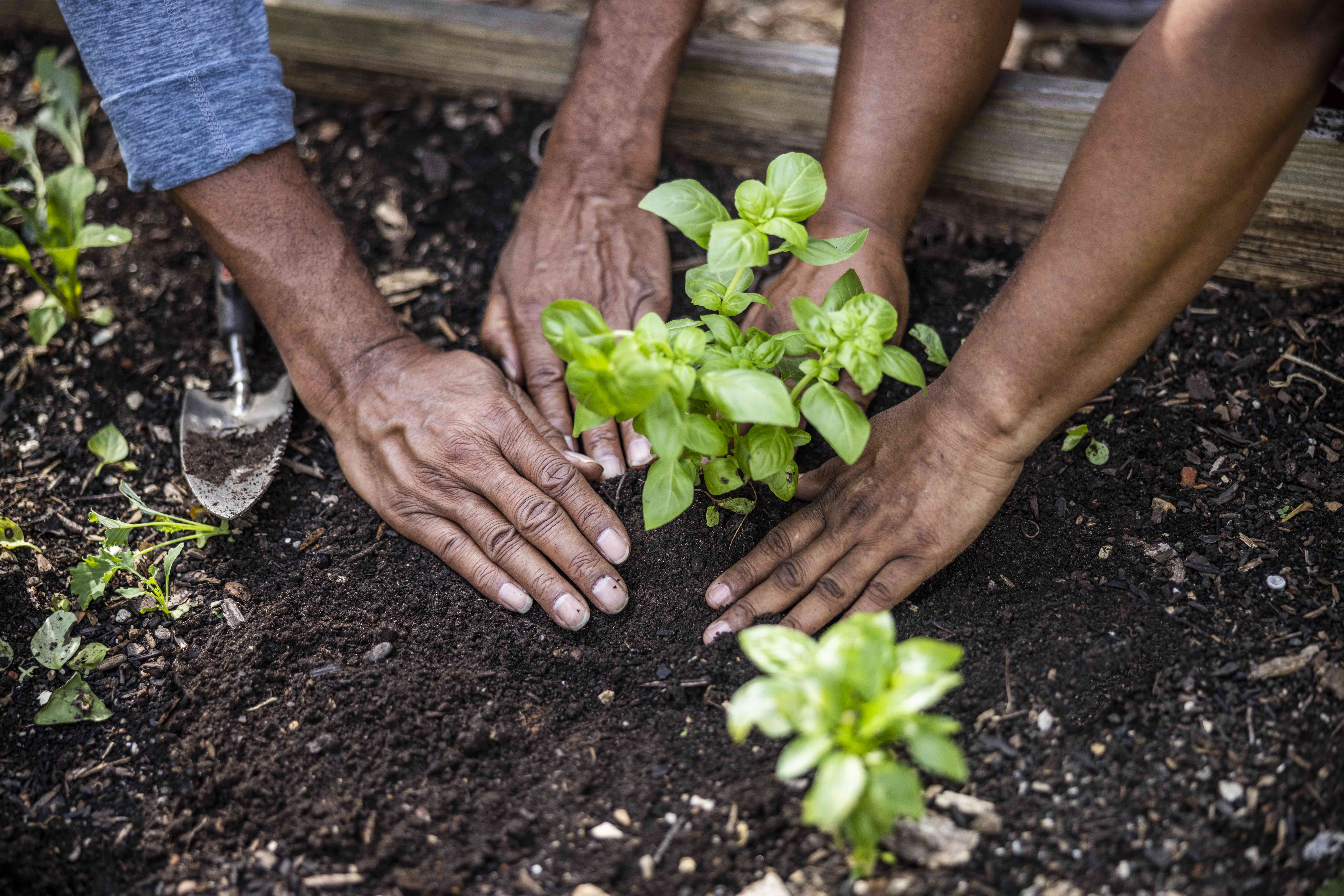
Moms who garden often teach this lesson without making a speech. They simply point at the tag, hand you the trowel, and tell you to space things properly the first time. Annoying in the moment, brilliant by August.
Reading the label also helps you avoid common mismatches: shade plants in punishing sun, heat lovers planted too early, shrubs shoved under windows they will eventually try to consume, and thirsty annuals paired with drought-tolerant companions that resent the arrangement.
8. Grow what you love, not what looks impressive on paper
Professional gardeners may appreciate design principles and plant performance, but the gardens people remember most usually have personality. They include the tomato someone always ate warm off the vine, the basil that perfumed the patio, the marigolds lining a vegetable bed, the hydrangea by the porch, or the zinnias cut for the kitchen table every week.
That is another classic mother-taught lesson: a garden should be useful, beautiful, or joyful, and ideally all three. You do not have to grow what is trendy. You do not have to install the most demanding plants on earth just to impress people who never bring over snacks. You can grow herbs because you cook. You can grow flowers because they make you happy. You can grow cucumbers because summer without one tastes incorrect.
This mindset also makes garden care easier. When you love what you grow, you notice it more, tend it more consistently, and forgive the occasional flop. A joyful garden gets maintained. A performative garden gets neglected the second the weather becomes inconvenient.
9. Gardening is a long game, so pay attention and keep notes
The final lesson might be the most important one of all: gardening is not a one-season talent show. It is a long conversation with weather, soil, insects, light, timing, and your own attention span. Every year teaches something. Professional gardeners improve because they notice patterns.
Which bed dried out first? Which perennial flopped after rain? Which tomato variety handled heat better? Which patch got more afternoon shade once the neighbor’s tree leafed out? These are not tiny details. They are the clues that turn guessing into skill.
That is why many experienced gardeners keep simple notes, labels, or seasonal reminders. Nothing fancy. A notebook, a phone note, a plant map, a photo timeline. The point is to remember what worked and what absolutely did not. Gardening memory is famously selective. By February, even disastrous July decisions can start to look strangely reasonable.
Mothers who garden often teach patience without calling it patience. They teach it by replanting after failure, by cutting back what is spent, by amending what is tired, and by starting again next season with a little more wisdom and a little less drama. Or at least better-targeted drama.
Why these gardening lessons still work in modern gardens
Trends change. Plant palettes change. Garden tools get smarter, irrigation gets more efficient, and social media continues to pretend every backyard comes with perfect light and unlimited free time. But these lessons endure because they are built on how plants actually grow.
Healthy soil still matters. Correct light still matters. Root depth still matters. Mulch still matters. Airflow still matters. Timing still matters. The most successful gardens are rarely the ones with the most expensive plants. They are the ones cared for with consistency, curiosity, and habits that respect the basics.
That is why these so-called mom lessons sound so familiar in expert guidance today. They are not quaint. They are practical. They reduce stress, save water, support healthier growth, and help gardeners avoid the most common mistakes. In a world full of complicated advice, that kind of wisdom feels refreshingly sturdy.
Extra reflections: the lived experience behind these lessons
There is also something deeply human about the way these lessons travel from one gardener to the next. Ask people what they remember from gardening with their mothers, and the answers are rarely technical at first. They remember kneeling in warm dirt. They remember being handed a packet of seeds and being told not to dump the whole thing in one hole like a tiny raccoon with no supervision. They remember filling watering cans that felt absurdly heavy, then learning that plants, much like people, do better with a real drink than a symbolic gesture.
Many gardeners first learn patience in the company of a mother or grandmother who never seemed surprised by setbacks. A storm flattened the lilies? They stood them back up. Beetles chewed the beans? They checked the leaves, sighed once, and kept going. A plant died? They made a note, changed the spot, or picked something better suited for the site next time. That calm response can shape a gardener for life. It teaches that failure in the garden is information, not a verdict.
These experiences also explain why so many pros stay loyal to simple routines. The routines are not boring; they are grounding. Testing soil, adding compost, checking moisture with your fingers, watching the light move across the yard, trimming spent blooms, refreshing mulch, and noticing what returns stronger each year all build confidence. You begin to understand that a good garden is not controlled into perfection. It is observed, adjusted, and cared for steadily.
Even the emotional side of gardening often begins there. A row of tomatoes is not just a crop when it reminds you of summer sandwiches on a back porch. A patch of zinnias is not just color when it echoes the flowers your mother clipped into a jar on the kitchen counter. Herbs, roses, marigolds, lilacs, peonies, basil, mint, and beans all carry memory as well as fragrance. That is one reason gardening advice gets passed down so powerfully. It is practical knowledge wrapped in family feeling.
And maybe that is the real lesson underneath all nine rules: gardening is part skill, part habit, and part inheritance. The best gardeners do not just learn how to grow plants. They learn how to notice, how to wait, how to respond, and how to begin again. Those are lessons worth remembering, whether they came from a horticulture handbook, a master gardener, or a mom standing in the yard saying, “Give it some room, water it deeply, and stop fussing with it.” Honestly, that still sounds like excellent advice.
Conclusion
The best gardening lessons are rarely complicated. Feed the soil. Choose plants for the conditions you actually have. Water deeply. Mulch wisely. Prune with purpose. Respect spacing. Use containers with drainage. Grow what you love. Pay attention every season. These are the kinds of habits that professional gardeners rely on because they work again and again.
So whether your garden is a sprawling backyard, a tiny patio, a few pots by the front steps, or a hopeful raised bed that currently contains one thriving basil plant and several emotional support weeds, these lessons are worth keeping. They are practical, forgiving, and proven. Just like the best moms.