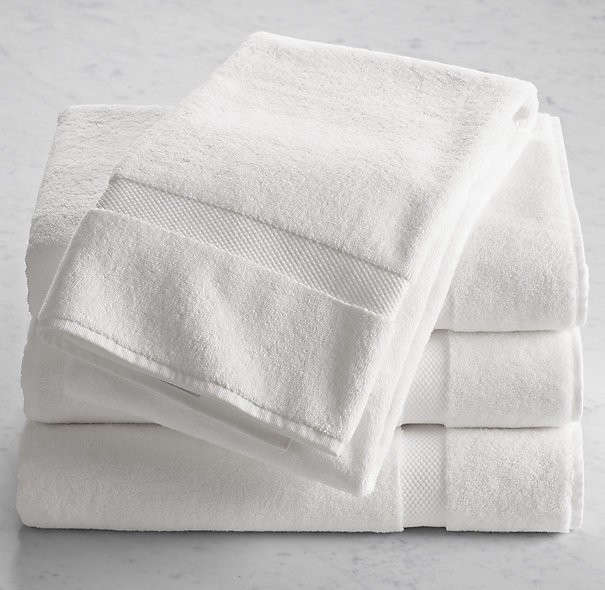
Some towels dry you. Others politely suggest you stand there and rethink your life choices. An 802-gram Turkish bath towel belongs to the first groupthe gloriously plush, spa-at-home, “where have you been all my showering life?” group. It is dense, soft, substantial, and designed for people who believe that stepping out of the bath should feel less like a chore and more like a five-star hotel commercial.
But what does “802-gram” actually mean? Is it the total weight of the towel? A secret luxury code? A towel’s bench press record? In most towel descriptions, the number refers to grams per square meter, often shortened to GSM. GSM measures fabric density. The higher the number, the heavier and generally plusher the towel feels. At 802 GSM, this Turkish bath towel sits comfortably in the premium, heavyweight category.
Made from long-staple Turkish cotton and usually woven in terry loops, an 802-gram Turkish bath towel is built for absorbency, softness, and durability. It is not the thinnest towel in the linen closet, and it is not trying to be. This is the towel equivalent of a deep armchair, a warm robe, and a confident nod from someone who owns matching bath accessories.
What Is an 802-Gram Turkish Bath Towel?
An 802-gram Turkish bath towel is a luxury bath towel made with Turkish cotton and woven to a dense 802 GSM weight. Turkish cotton is known for long fibers, which help create yarns that are smoother, stronger, and softer than many standard cotton options. When those fibers are used in a terry cloth construction, the result is a towel with plush loops that can hold water efficiently while still feeling refined against the skin.
The “802-gram” part matters because it tells you this is not a lightweight beach towel or a thin gym towel. Traditional flat-woven Turkish towels, also called peshtemals, are often much lighter and designed to dry quickly and fold compactly. An 802-GSM Turkish bath towel is different. It is thicker, more enveloping, and more focused on bathroom comfort than suitcase efficiency.
Think of it this way: a peshtemal is the towel you bring to the beach when you want to look effortlessly coastal. An 802-gram Turkish towel is the one you use after a long shower when you want your bathroom to pretend it has room service.
Why Turkish Cotton Is So Popular
Turkish cotton has earned its reputation because of its long-staple fibers. Longer fibers can be spun into smoother yarns with fewer exposed ends, which helps reduce roughness and lint. This is one reason Turkish cotton towels often feel soft without becoming limp or flimsy.
Another advantage is balance. Turkish cotton is generally absorbent, durable, and relatively quick to dry compared with some very dense luxury cotton towels. That does not mean an 802-gram towel will dry instantlylet us be reasonable; this is a plush towel, not a magic trick. But Turkish cotton tends to offer a practical middle ground between softness, absorbency, and everyday usability.
Turkish Cotton vs. Regular Cotton
Standard cotton towels can be perfectly serviceable, especially when well made. However, towels made from long-staple cotton often feel smoother and may hold up better over time. With a premium Turkish cotton towel, the appeal is not only the softness on day one but also the way the towel can continue to improve with proper washing. Many high-quality cotton towels become more relaxed and absorbent after several launderings, like they finally stopped being shy.
Turkish Cotton vs. Egyptian Cotton
Egyptian cotton is often associated with extra-long fibers and a very luxurious feel. It can be exceptionally soft and dense, but it may also take longer to dry. Turkish cotton towels are often favored for daily use because they combine softness with a slightly more practical drying profile. If Egyptian cotton is the formal dinner jacket of towels, Turkish cotton is the beautifully tailored blazer you can actually wear on a Tuesday.
Understanding the 802 GSM Weight
GSM stands for grams per square meter. It measures how much one square meter of fabric weighs. In towels, GSM is one of the most useful clues about feel and performance. Lightweight towels may fall around 300 to 450 GSM. Medium-weight bath towels often sit around 500 to 650 GSM. Plush luxury towels often start around 700 GSM and can climb higher.
At 802 GSM, this Turkish bath towel is firmly in the heavyweight luxury category. That means it feels thick in the hand, wraps generously around the body, and absorbs a satisfying amount of water. It also means it needs proper care and enough space to dry between uses. A dense towel left in a damp heap is not luxury; it is a mildew invitation wearing a cotton costume.
Is 802 GSM Too Heavy?
Not for people who love a plush, hotel-style towel. An 802-gram Turkish bath towel is ideal if you want softness, absorbency, and a cozy post-shower feel. However, it may be too heavy for people who prefer fast-drying, ultra-light towels or who live in very humid homes with poor bathroom ventilation.
The best way to decide is to think about your routine. If you shower, hang your towel on a wide bar, and let it dry fully, an 802-GSM towel can be a daily luxury. If your towel usually ends up twisted on the floor like a defeated noodle, start with better habits before buying heavier towels.
Key Benefits of an 802-Gram Turkish Bath Towel
1. Plush, Spa-Like Comfort
The first thing most people notice is the feel. An 802-gram Turkish towel has a dense, cushioned hand. It does not skim over your skin like a napkin pretending to be useful. It wraps, absorbs, and comforts. This makes it excellent for primary bathrooms, guest bathrooms, and anyone trying to make Monday morning slightly less hostile.
2. Strong Absorbency
Because of its terry construction and dense cotton pile, this type of towel is highly absorbent. The loops increase surface area, giving the towel more opportunity to collect moisture. If you have ever used a towel that simply moves water around like it is rearranging furniture, you will appreciate the difference.
3. Long-Lasting Construction
High-quality Turkish cotton towels can be impressively durable when cared for correctly. Long-staple fibers help reduce breakage, while dense weaving gives the towel structure. Over time, a good towel should remain soft, absorbent, and attractive instead of turning into something you only use to dry the dog.
4. A Luxurious Look
An 802-gram Turkish bath towel often has a refined, tailored appearance. The weight gives it a substantial drape, and many versions come in neutral colors that work well with modern, traditional, coastal, farmhouse, or hotel-inspired bathrooms. White is timeless, but shades like sand, camel, gray, charcoal, or black can make a bathroom feel more curated.
5. Gift-Worthy Appeal
A premium Turkish bath towel makes a practical yet indulgent gift. It is especially useful for weddings, housewarmings, guest suites, college apartment upgrades, or that person who says they “do not need anything” but is clearly still using towels from 2014. Monogramming, when available, adds a personal touch without turning the gift into a novelty mug situation.
Who Should Buy an 802-Gram Turkish Bath Towel?
This towel is best for people who value comfort and quality over ultra-fast drying. It is a smart choice if you want a towel that feels substantial, absorbs well, and elevates the bathroom experience. It is also great for guest bathrooms because guests notice towels. They may not mention your grout, but they will remember a towel that feels like it belongs in a boutique hotel.
It may not be the best choice for backpacking, beach bags, gym lockers, or tiny bathrooms with weak airflow. For those situations, a lighter Turkish peshtemal or waffle towel may be more practical. The 802-gram Turkish bath towel belongs at home, ideally on a proper towel bar, drying like the dignified textile it is.
How to Choose the Best 802-Gram Turkish Bath Towel
Check the Material
Look for 100% Turkish cotton or long-staple Turkish cotton. Blends are not automatically bad, but if you want the classic plush Turkish cotton experience, pure cotton is usually the safest bet. Cotton is naturally absorbent because its cellulose fibers attract and hold water well.
Look at the Weave
For maximum plushness, choose terry cloth with long loops. Longer loops can feel softer and absorb more water, though they may require gentler care to avoid snags. If you prefer texture and faster drying, a waffle weave or flat weave may be better, but it will not deliver the same thick, cloudlike feel.
Consider Size
Luxury towels are often oversized, which can make a big difference. A standard bath towel may work fine, but a larger towel provides better coverage and a more enveloping feel. If you like wrapping up after a shower and making coffee before getting dressedno judgment, that is a lifestylean oversized towel is worth considering.
Choose the Right Color
White towels feel classic and spa-like, but darker colors can hide makeup marks, hair dye residue, and everyday wear. Neutral tones such as ivory, sand, stone, and gray are versatile. If you choose bold colors, wash them separately at first to reduce the risk of color transfer.
Look for Responsible Certifications
Certifications such as OEKO-TEX Standard 100 can help reassure buyers that textiles have been tested for certain harmful substances. Organic claims should be backed by credible certifications, not just pretty packaging and the word “natural” floating around like a sales fairy.
How to Wash and Care for an 802-Gram Turkish Bath Towel
Proper care is the difference between a luxury towel that lasts and a sad towel that develops the emotional texture of cardboard. Start by washing new towels before use. This helps remove manufacturing residue, loose fibers, and any dust collected during storage or shipping.
Wash Before First Use
Wash your new Turkish bath towel separately or with similar colors. Use a gentle detergent and avoid overloading the machine. Towels need room to move so water and detergent can circulate through the fabric. Packing the washer too tightly is like asking a towel to clean itself in a crowded elevator.
Skip Fabric Softener
Fabric softener may seem like a good idea, but it can coat cotton fibers and reduce absorbency over time. Dryer sheets can create similar residue. For towels, softness should come from quality fibers, proper washing, and careful dryingnot from a waxy film that makes water bounce off like it was personally offended.
Use the Right Amount of Detergent
More detergent does not mean cleaner towels. Too much detergent can build up in the fibers, causing stiffness, odor, and reduced absorbency. Use the recommended amount or slightly less for smaller loads. If towels start feeling rough or smelling musty, detergent buildup may be part of the problem.
Dry Thoroughly
Because an 802-GSM towel is dense, it needs enough drying time. Tumble dry on low or medium heat, or line dry where airflow is strong. Remove towels promptly from the washer and dryer. Leaving wet towels sitting in the machine is how freshness goes into witness protection.
Hang Between Uses
After each shower, hang the towel fully open on a bar rather than bunching it on a hook. A hook is convenient, but a thick towel dries better when more surface area is exposed to air. If your bathroom is humid, run a fan or crack a window when possible.
Common Mistakes to Avoid
The biggest mistake is treating a luxury towel like a disposable rag. Heavy Turkish cotton towels need airflow, moderate detergent, and space in the wash. Avoid bleaching colored towels unless the care label specifically allows it. Do not wash towels with clothing that has zippers, hooks, or Velcro, because those can snag terry loops.
Another common mistake is judging absorbency too soon. Some cotton towels become more absorbent after several washes as finishes rinse away and fibers relax. If your new towel feels slightly less absorbent on day one, give it a few proper wash cycles before declaring war on your linen closet.
Styling an 802-Gram Turkish Bath Towel in Your Bathroom
Luxury towels can change the look of a bathroom quickly. Stack white towels on open shelving for a clean spa effect. Roll neutral towels in a basket for warmth and texture. Hang charcoal or black towels against white tile for contrast. If your bathroom is small, matching towels can reduce visual clutter and make the space feel calmer.
For guest bathrooms, place one bath towel, one hand towel, and one washcloth per guest where they are easy to find. Add a small note or basket for used towels if you want to be extra thoughtful. Guests should not have to perform a linen scavenger hunt while dripping on the floor.
Is an 802-Gram Turkish Bath Towel Worth It?
Yes, if you value plushness, absorbency, and a premium daily experience. A well-made 802-gram Turkish bath towel costs more than a basic towel, but it can also last longer and feel better every day. Since towels are used constantly, upgrading them is one of the simplest ways to make a bathroom feel more luxurious without renovating anything or learning how to install tile.
The value comes from daily comfort. You may not think about your towel muchuntil you use a great one. Then suddenly every thin, scratchy towel feels like a betrayal.
Real-Life Experiences With an 802-Gram Turkish Bath Towel
The first experience most people have with an 802-gram Turkish bath towel is surprise. It feels heavier than expected when you lift it from the shelf. Not heavy in an awkward way, but substantiallike it has made responsible life choices. After a shower, the towel wraps around the body with a soft, padded feel that makes ordinary towels seem underemployed.
In everyday use, the biggest benefit is comfort. During colder months, a dense Turkish cotton towel feels especially satisfying because it holds warmth for a moment after it comes off the towel bar or out of the dryer. That tiny window of coziness may not solve your problems, but it can make stepping onto a cold bathroom floor feel less dramatic.
Another noticeable experience is how much water the towel can absorb. After washing hair, a lightweight towel may become soaked quickly. A plush 802-GSM Turkish bath towel usually handles more moisture before feeling saturated. For people with long or thick hair, this matters. It means fewer towel swaps and less wandering around the bathroom looking like a damp sea captain.
There is also a visual pleasure. Folded in a stack, these towels look generous and hotel-like. Hung neatly, they give the bathroom a finished appearance. If you have ever tried to make a bathroom look expensive with only a candle and optimism, upgrading towels is a more reliable strategy. Thick Turkish towels add texture, structure, and softness all at once.
However, the experience is not perfect without proper care. A dense towel takes longer to dry than a lightweight peshtemal. If it is hung on a small hook in a humid bathroom, it may stay damp too long. The solution is simple: spread it out on a towel bar, avoid crowding it with other towels, and use ventilation. Once that habit is in place, the towel becomes easy to live with.
People who switch to heavier Turkish cotton towels often notice that laundry habits matter more. Overloading the washer can leave towels less fresh. Too much detergent can make them feel stiff. Fabric softener may reduce absorbency. The best routine is boring but effective: wash similar towels together, use measured detergent, skip softener, dry thoroughly, and put them away only when completely dry. Luxury, apparently, has homework.
For guests, an 802-gram Turkish bath towel can create an instant sense of hospitality. It says, “We prepared for you,” without requiring a gift basket shaped like a swan. A plush towel in a guest bathroom is practical, memorable, and universally appreciated. Even people who claim not to care about towels tend to notice when one feels especially good.
For daily personal use, the experience becomes quietly addictive. At first, the towel feels like a treat. After a few weeks, it feels normal. Then you travel, use a thin hotel towel, and suddenly understand how quickly standards can rise. That is the danger of good towels: they improve your life in a small way, then make you mildly dramatic about every towel that fails to meet the new bar.
The best part is that an 802-gram Turkish bath towel does not require a bathroom remodel, expensive fixtures, or a design degree. It is a simple upgrade with immediate payoff. You use it after showers, baths, handwashing, and slow weekend routines. It brings comfort to ordinary moments, which is exactly what good home textiles should do.
In the end, the experience is less about owning a fancy towel and more about making a daily ritual feel better. A towel may be humble, but when it is plush, absorbent, well-made, and properly cared for, it earns its place in the home. And yes, it may also make you judge every other towel in the house. That is not snobbery. That is textile growth.
Conclusion
An 802-gram Turkish bath towel is a premium choice for anyone who wants plush comfort, strong absorbency, and a more luxurious bathroom routine. Its dense GSM weight, long-staple Turkish cotton, and terry construction make it ideal for everyday bathing, guest bathrooms, and spa-inspired home styling. It is heavier than a lightweight Turkish peshtemal, but that is exactly the point: this towel is made to feel substantial, soft, and indulgent.
To get the best performance, wash it before first use, avoid fabric softener, use the right amount of detergent, and let it dry fully between showers. Treat it well, and it can reward you with years of softness and comfort. In a world full of complicated upgrades, this one is refreshingly simple: buy a better towel, hang it properly, and enjoy feeling like your bathroom got a promotion.
Note: This article is prepared for web publication and synthesizes current textile knowledge, towel-care best practices, and real product-style information about heavyweight Turkish cotton bath towels without embedding source links.