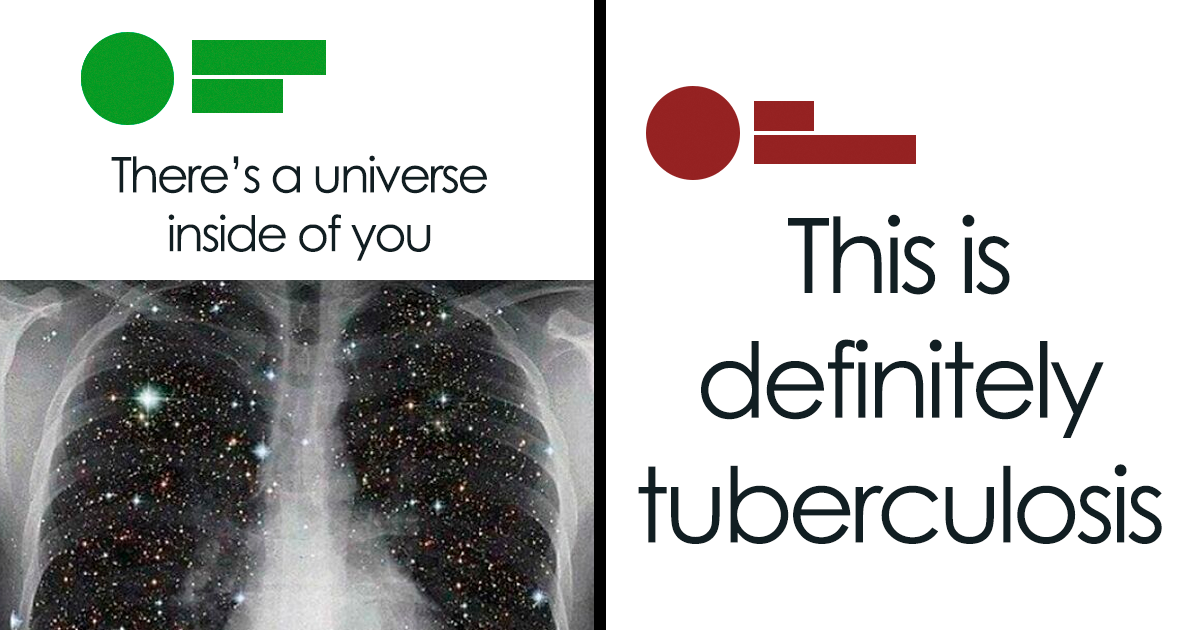
Healthcare has everything a comedy writer could ask for: mysterious paperwork, uncomfortable gowns, impossible acronyms, fluorescent lighting, and bills that require their own diagnostic code. Add exhausted medical professionals, anxious patients, endless hold music, and the phrase “This is not a bill,” and you have the perfect laboratory for medical memes.
Of course, laughing at a healthcare meme will not literally add years to your life. Medical science has not yet approved scrolling as a longevity treatment, and your insurance company would probably require prior authorization anyway. Still, laughter can temporarily ease tension, activate and then cool down the stress response, and help people feel more connected. Research has also linked spontaneous laughter with reductions in cortisol, although humor should complementnot replaceevidence-based care.
That makes funny healthcare memes more than disposable internet jokes. For patients, they transform confusing or expensive experiences into something relatable. For doctors, nurses, technicians, pharmacists, and medical students, they can provide a quick pressure release during demanding days. The following 80 original meme-style observations celebrate the absurdity without mocking illness, disability, pain, or individual patients.
Why Medical Memes Hit Such a Sensitive Nerve
Healthcare Is Serious, but It Is Also Incredibly Weird
Few environments shift between solemn and surreal as quickly as a hospital or clinic. One moment, someone is discussing an important diagnosis. The next, a printer refuses to recognize the computer sitting six inches away from it. Medical humor thrives in this contrast between high-stakes responsibilities and low-stakes absurdities.
Humor can also help people express difficult feelings indirectly. Research on provider-patient communication suggests that patients sometimes use jokes to introduce serious emotional concerns while protecting the relationship and reducing discomfort. Other studies have observed clinicians and patients initiating humor during actual medical encounters.
Healthcare Costs Already Sound Like Satire
The title’s joke about expensive healthcare is painfully recognizable. U.S. health spending reached approximately $5.3 trillion in 2024, or $15,474 per person, according to the Centers for Medicare & Medicaid Services. That represented about 18% of the country’s gross domestic product. Meanwhile, KFF reports that medical and dental debt affects a substantial share of American adults, while many people worry about affording premiums, appointments, prescriptions, and other out-of-pocket expenses.
In other words, a medical meme cannot pay your deductible, but it can at least sit beside you while the deductible ruins your afternoon.
80 Medical Memes for Patients, Doctors, Nurses, and Anyone Who Has Met a Deductible
Appointment and Waiting-Room Memes
- Your appointment is at 9:00 a.m. The doctor arrives at 10:12, which is apparently 9:00 in medical time.
- The receptionist hands you five intake forms. Every answer is already stored somewhere, but nobody knows where.
- You arrive 15 minutes late: unacceptable. The clinic runs 45 minutes late: an exciting surprise for the whole family.
- The waiting room television is playing a home-renovation show. By the time you are called, the house has been demolished and rebuilt.
- You schedule a “quick follow-up.” Your calendar receives an invitation for four months from now.
- The blood pressure cuff starts squeezing. Suddenly, you remember every mistake you have made since middle school.
- The nurse asks whether you feel anxious. Your arm is being compressed by a machine, so the timing seems suspicious.
- You are told to fast before the appointment. The appointment is then delayed long enough for breakfast to become a historical event.
- Your symptoms disappear in the exam room. They return in the parking lot with renewed confidence.
- The doctor asks when the problem began. You reply, “Recently,” because dates are apparently not part of your skill set.
Insurance and Medical-Bill Memes
- The envelope says, “This is not a bill.” It is merely a 14-page preview of the bill’s cinematic universe.
- Your insurance covers the procedure. It does not cover the room, equipment, physician, air-conditioning, or emotional damage.
- You finally meet your deductible in December. January enters the chat holding a reset button.
- The hospital is in network. The anesthesiologist may have wandered in from a financially distant kingdom.
- The insurer requests prior authorization. Your doctor confirms that they did, in fact, authorize their own recommendation.
- You call about a billing mistake. Hold music becomes your most-listened-to artist of the year.
- The itemized bill arrives. You discover that one adhesive bandage has apparently earned a graduate degree.
- You compare prescription prices. Suddenly, purchasing medication feels like booking an international flight.
- The ambulance ride lasted seven minutes. The payment plan may last several presidential administrations.
- Your health savings account balance: enough for either one appointment or three extremely confident vitamins.
Doctor Memes That Practically Write Themselves
- The doctor says, “Don’t Google your symptoms.” Google has already diagnosed you with twelve diseases and a haunted pancreas.
- The physician’s handwriting is unreadable. Somewhere, a pharmacist quietly activates advanced cryptography training.
- The doctor asks about your sleep habits. You describe scrolling medical memes at 2:00 a.m. as “independent research.”
- You mention fatigue. The doctor recommends sleep, exercise, water, and four things your schedule has formally rejected.
- The stethoscope feels freezing. This is how healthcare professionals confirm that patients remain capable of dramatic facial expressions.
- The doctor says, “You may feel some pressure.” Medical translation: prepare to discover a new relationship with gravity.
- A rare side effect is listed. Your brain immediately nominates you to become the rarest person alive.
- The physician opens your chart. Three computers, two passwords, and one spinning icon later, medicine can begin.
- The doctor asks whether anything else is bothering you. Your brain suddenly deletes the detailed list you rehearsed all week.
- The clinic schedule says 20 patients. The day says 29 patients, seven urgent messages, and no functioning printer.
Nurse Memes Powered by Caffeine and Compression Socks
- A nurse says, “It has been a quiet shift.” Every nearby healthcare worker immediately searches for wood to knock on.
- Night-shift breakfast: coffee at 7:00 p.m., leftovers at midnight, and an identity crisis at sunrise.
- The patient’s vital signs are normal. The computer still demands seventeen additional boxes before allowing anyone to continue.
- The call light rings just as the nurse sits down. The chair files a missing-person report.
- A nurse’s pockets contain: pens, tape, alcohol wipes, scissors, snacks, mystery paper, and one pen that actually works.
- The shift includes a scheduled lunch break. This fictional event receives excellent reviews from hospital administrators.
- Charting is almost finished. A new admission appears with the timing of a surprise final exam.
- The handoff report begins with “Everything is stable.” Everyone understands this phrase comes with terms and conditions.
- Compression socks are not merely clothing. They are emotional support garments with circulation benefits.
- The nurse removes gloves after completing a task. Someone immediately asks for the exact same task again.
Medical School and Residency Memes
- The anatomy professor says, “This structure is easy to identify.” It looks exactly like every beige structure surrounding it.
- A medical student buys 500 flashcards. The first card asks whether they remember life before flashcards.
- The exam offers two correct answers. Your assignment is to identify which correct answer is more emotionally correct.
- The professor says, “You won’t need to memorize this.” The examination committee quietly adds it to Question One.
- A resident gets six hours of sleep. Colleagues begin asking whether they have recently returned from vacation.
- Morning rounds begin. Everyone walks quickly while pretending they absolutely remember every laboratory value.
- The attending asks a teaching question. The student’s brain responds by playing the Windows shutdown sound.
- The first successful IV placement happens. Confidence rises high enough to require its own clinical monitoring.
- Medical school graduation arrives. The student receives a diploma, new responsibilities, and debt with its own gravitational field.
- Fresh scrubs make you feel professional. A mysterious stain is already traveling toward you from another dimension.
Pharmacy, Laboratory, and Prescription Memes
- The pharmacy says your prescription is ready. The app says processing. The insurer says nonexistent. Reality remains undecided.
- Your medication worked perfectly for years. The insurance formulary has decided that personal growth requires unnecessary change.
- You request a refill. The prescription expired yesterday after waiting patiently for the least convenient moment.
- The pharmacist explains the dosage clearly. You leave and immediately wonder whether “twice daily” means breakfast and dinner.
- Your laboratory results appear in the portal. The doctor has not commented, so you begin a fellowship in interpreting abbreviations.
- One value is highlighted in red. It is barely outside the reference range, but your imagination has already scheduled a memorial.
- The phlebotomist asks which arm is better. Both arms deny having relevant qualifications.
- You are told you have difficult veins. Your circulatory system has apparently activated privacy settings.
- The specimen cup is tiny. The instructions require the precision of an Olympic event nobody requested.
- The label printer stops working. The entire laboratory suddenly realizes civilization depends on one temperamental rectangle.
Body, Aging, and Symptom Memes
- You stand up and your knees crack. Nearby furniture assumes someone opened a bag of popcorn.
- You sleep in a slightly unusual position. Your neck begins a three-day protest demanding workplace accommodations.
- You sneeze after age 30. Proper technique now requires warming up, bracing the core, and notifying your emergency contact.
- Your back hurts for no obvious reason. The reason is apparently “having existed yesterday.”
- Your stomach growls during a silent meeting. It has prepared an opening statement and refuses to yield the floor.
- Seasonal allergies arrive. Your immune system responds to harmless pollen as though it discovered an international conspiracy.
- You forget to drink water. A headache appears as your body’s least subtle notification system.
- The pain scale runs from one to ten. You need the option labeled “annoying, distracting, and difficult to explain.”
- Your smartwatch reports an elevated heart rate. You were watching it measure your heart rate.
- You search one harmless symptom online. The internet asks whether your affairs are in order.
Modern Healthcare and Digital Medicine Memes
- The telehealth appointment begins. Both parties spend five minutes confirming they can hear one another while hearing one another.
- The patient portal sends a new-message alert. The message says there is no new message.
- You receive six appointment reminders. The clinic remains uncertain whether you know an appointment exists.
- The scheduling robot asks you to describe your request. After three attempts, you request a human with increasing spiritual intensity.
- The wellness app recommends reducing screen time. It communicates this through nine notifications and a weekly email.
- Your medical account requires a new password. It must include one symbol, two numbers, and the name of a forgotten childhood pet.
- The electronic record logs you out for security. It does this precisely when you are actively using it.
- Healthcare has an acronym for everything. Sometimes the acronym requires another acronym to explain the first acronym.
- Your wearable says you slept poorly. You were feeling acceptable until receiving this professionally designed criticism.
- You share a medical meme after a difficult day. Five strangers reply, “This happened to me too,” and the internet briefly becomes useful.
Why Healthcare Workers Often Turn to Humor
Medical memes frequently feature sleepy residents, overworked nurses, malfunctioning electronic records, endless documentation, and the dangerous consequences of describing a shift as “quiet.” These jokes are funny because they exaggerate recognizable realities rather than inventing completely fictional situations.
They also reflect genuine pressure. CDC and NIOSH resources identify long hours, irregular shifts, workplace violence, emotionally difficult encounters, staffing problems, and repeated exposure to suffering as factors affecting healthcare workers’ mental health. In CDC data covering 2022, 46% of health workers reported often feeling burned out. More recently, the American Medical Association reported that 41.9% of physicians experienced at least one symptom of burnout in 2025, an improvement from prior years but still a substantial share of the profession.
Healthcare humor can create a feeling of recognition: “I am not the only person dealing with this.” Qualitative research has described humor as a coping resource for stress, difficult emotions, and demanding workplace situations. Cleveland Clinic nursing discussions similarly highlight its use as an icebreaker, a bonding tool, and a way to release tension.
Good Medical Humor Punches Up
The strongest doctor memes and nurse memes usually target broken systems, unrealistic expectations, sleep deprivation, technology, administration, insurance rules, and universal bodily awkwardness. They do not expose confidential information or turn a specific patient’s suffering into entertainment.
Context matters. A private joke among colleagues may not belong in front of a frightened patient. A playful comment that relaxes one person could make another feel dismissed. Good healthcare humor requires empathy, timing, consent, and enough self-awareness to recognize when silence is kinder.
The Shared Experience Behind These 80 Medical Memes
For many readers, scrolling through medical memes feels like revisiting an appointment with the benefit of distance. In the moment, the waiting room may have been frustrating, the gown may have been humiliating, and the insurance conversation may have sounded like it was written by a committee of riddles. Later, a meme compresses that entire experience into one image or sentence. The joke does not erase the frustration, but it turns a private annoyance into a shared cultural reference.
Patients often recognize the strange vulnerability of healthcare. You are expected to remember dates, symptoms, medications, family history, sleep patterns, eating habits, and whether a pain feels sharp, dull, burning, aching, throbbing, stabbing, or “something else.” Meanwhile, you may be cold, nervous, underdressed, and trying to understand unfamiliar terminology. A good medical meme says what many people are thinking: nobody performs at peak intellectual capacity while sitting on crinkly examination-table paper.
Healthcare professionals encounter the jokes from another angle. They see the short staffing behind the caffeine meme, the administrative burden behind the charting joke, and the emotional fatigue behind the famous “If we didn’t laugh, we’d cry” attitude. Their humor can function like a verbal pressure valve, especially when it is shared with colleagues who understand the same routines. One joke about a broken printer can carry an entire history of delayed labels, repeated passwords, missing forms, and technology that seems personally offended by patient care.
Medical students and residents may experience these memes as proof that confusion is not an individual failure. Nearly everyone has forgotten an obvious answer during rounds, stared helplessly at an anatomy image, or discovered that an allegedly “low-yield” fact has appeared on an exam. Humor makes the learning curve feel less lonely. It allows people to admit exhaustion and uncertainty without pretending the work is easy.
The best part of a medical meme collection is therefore not any single punchline. It is the accumulated recognition. Patients see other patients joking about portals, deductibles, and awkward exams. Nurses see nurses joking about missed lunches and compression socks. Physicians see physicians joking about inboxes and impossible schedules. Pharmacists, technicians, therapists, and students see their own peculiar frustrations translated into a language the internet understands.
At the same time, humor should never be used to minimize genuine pain or block an important conversation. A funny post can improve a difficult afternoon, but it cannot repair unsafe staffing, eliminate medical debt, treat depression, or replace professional support. When stress becomes overwhelming, the appropriate response may involve rest, counseling, peer support, organizational change, medical attention, or all of the above. The meme is a companion, not the treatment plan.
Still, companionship matters. A shared laugh can briefly transform “This is happening to me” into “Apparently this happens to everyone.” In a healthcare system filled with expensive surprises and complicated language, that small moment of connection is valuable. It may not make anyone immortal, but unlike many medical services, it generally arrives without a copay.
Conclusion: Laughter Is Helpful, but Please Keep Your Appointment
These 80 medical memes capture the peculiar mixture of anxiety, compassion, exhaustion, bureaucracy, science, and accidental comedy that surrounds modern healthcare. They make patients feel understood, give healthcare workers a moment of relief, and remind everyone that even serious environments contain absurdly human moments.
Laughter may help reduce tension and strengthen social bonds, but it is not a magical cure or a replacement for medical advice. Enjoy the memes, share them responsibly, check on the exhausted healthcare worker in your life, and contact a qualified professional when your body is doing something more concerning than making a dramatic noise when you stand up.
Note: This article is intended for entertainment and general information. It does not provide medical diagnosis or treatment. Its factual background was informed by CMS, KFF, CDC/NIOSH, the American Medical Association, Mayo Clinic, Cleveland Clinic, and PubMed-indexed research concerning healthcare spending, professional burnout, stress, laughter, and humor in clinical communication.