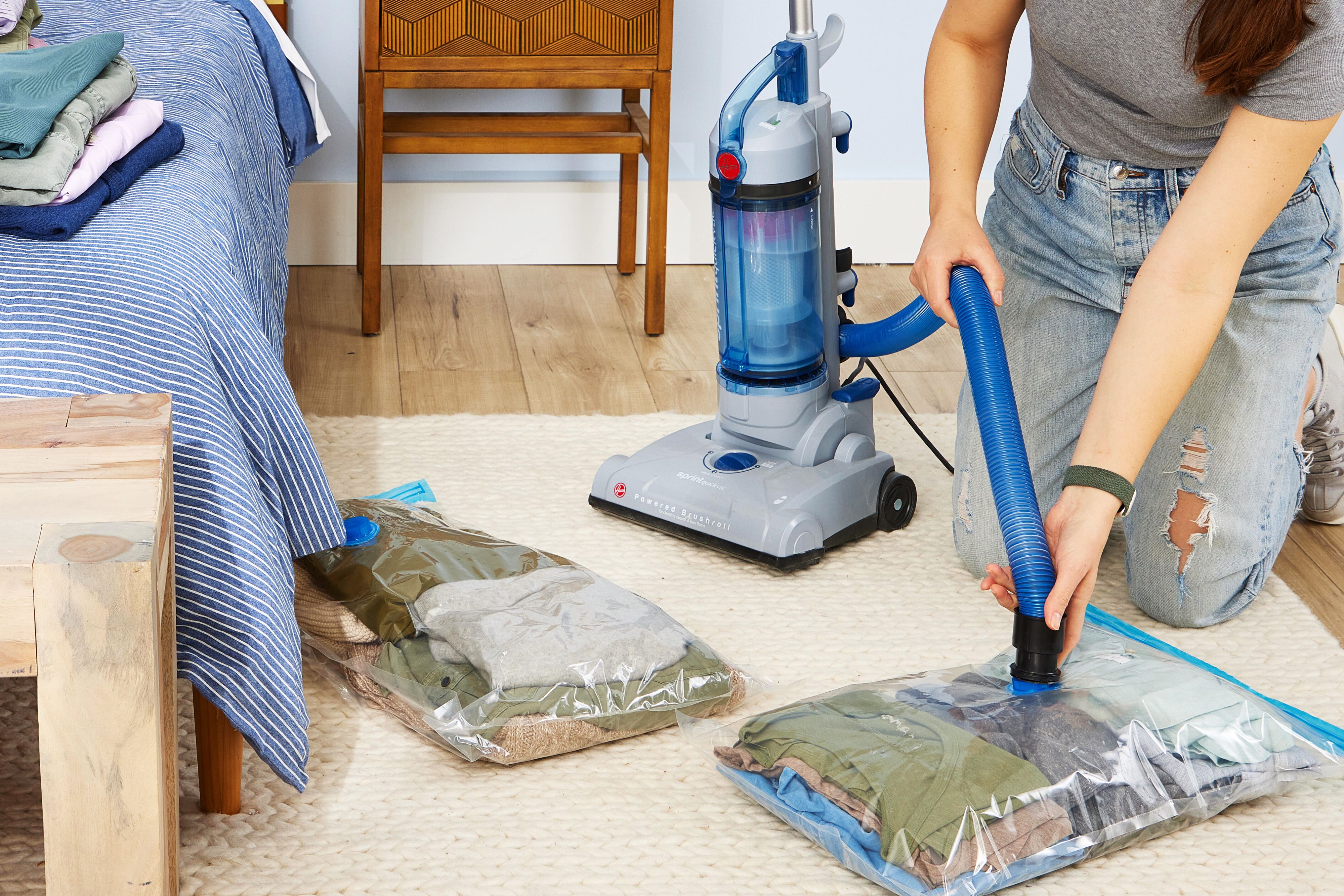
Vacuum-seal bags are usually treated like the overachievers of the storage world: practical, quiet, and weirdly satisfying. You stuff in a mountain of bedding, zip the bag, pull out the air, and suddenly your fluffy comforter looks like it has been put on a strict budget. Most people use vacuum-seal bags for the obvious jobs, like storing winter sweaters or squeezing extra blankets into a crowded closet. But these bags can do much more than simply flatten soft things until they behave.
If your home feels like it is running out of square footage, the smartest move is not always buying more bins. Sometimes it is about rethinking the space you already have. Vacuum-seal bags can help you turn awkward, ignored, or chaotic areas into practical storage zones. The trick is using them creatively, not randomly. In other words, do not just vacuum-pack a pile of mystery linens and toss them into the abyss under the bed. Give each bag a job.
Below are seven creative ways to use vacuum-seal bags for storage, along with practical tips for making the system work in real life. Whether you live in a tiny apartment, a busy family home, or a house where one closet seems to be doing the work of six, these ideas can help you reclaim space without making your belongings impossible to find later.
Why Vacuum-Seal Bags Work So Well for Storage
Before getting into the fun stuff, it helps to understand why vacuum-seal bags are such a storage hero. They reduce the volume of soft goods, protect them from dust, and help keep categories together. That means bulky bedding, puffy coats, guest towels, and seasonal clothing can take up dramatically less room while staying cleaner and more organized.
That said, vacuum-seal bags are not magical portals. They work best when the contents are completely clean and fully dry, the bag is not overstuffed, and the stored items are suited to compression. Think soft household textiles, not everything you own with a zipper and a dream.
1. Build a Seasonal Bedding Library
One of the smartest ways to use vacuum-seal bags for storage is to create a seasonal bedding system. Instead of cramming extra comforters, flannel sheets, quilts, and spare pillows into the linen closet until the shelf bows in protest, sort bedding by season and seal each group into its own labeled bag.
How to do it
Create separate sets for winter, summer, and guest use. For example, one bag might hold your cold-weather fleece sheets and heavy duvet cover, while another stores the lightweight cotton layers you only need during warmer months. Label each bag clearly on the outside with a broad category and bed size, such as “King Winter Bedding” or “Guest Room Summer Set.”
Why it works
This approach turns your linen storage into something more like a mini library: organized, easy to browse, and not likely to avalanche onto your head. It also makes seasonal swaps faster. Instead of pulling out random sheets and hunting down missing pillowcases, you grab one bag and you are done.
For small homes, flat vacuum-sealed bedding can slide onto a high closet shelf, into a storage bench, or under the bed. Suddenly that comforter is no longer a fluffy closet hog. It is a disciplined rectangle.
2. Turn Under-Bed Space Into a Closet Extension
Under-bed storage is famous for collecting dust bunnies, lonely shoes, and objects you vaguely remember buying in 2022. Vacuum-seal bags can turn that neglected space into a clean, efficient extension of your closet.
Best items for this method
- Out-of-season sweaters
- Scarves, hats, and gloves
- Bulky sweatshirts
- Extra blankets
- Occasional-use clothing, like holiday pajamas or ski layers
How to make it useful, not annoying
The key is grouping items by purpose instead of by whatever happened to be nearby when you started cleaning. Make one bag for winter accessories, one for off-season casual wear, one for extra throws, and so on. Then store the flatter bags inside a shallow under-bed bin or on a clean rolling tray. That keeps them from becoming slippery plastic pancakes you have to wrestle out with a broom handle.
This idea is especially useful in apartments and bedrooms with limited closet space. It helps you store more without making the room look busier. And because the bags compress the contents, you can fit more usable items into that low-clearance space than you could with standard fabric bins.
3. Create Grab-and-Go Guest Room Kits
Guest bedding has a sneaky habit of multiplying. One extra set becomes three sheet sets, two blankets, guest towels, and a decorative pillow you do not even like but somehow still own. Vacuum-seal bags can help you turn guest supplies into neat, self-contained kits.
What goes in a guest kit
Each bag can hold a full setup for one sleeping arrangement: sheets, pillowcases, a lightweight blanket, and even a spare towel if you want to get fancy. If you host often, make separate kits for the guest bed, sofa bed, and air mattress. Label them clearly so no one has to unfold half the closet before company arrives.
The payoff
This system saves time, reduces visual clutter, and makes hosting easier. When visitors are on the way, you do not need to gather items from five different places. You just pull one bag, let the bedding breathe for a bit, and you are ready.
It is also a clever solution for holiday hosting, when extra linens suddenly become very important and your home begins operating like a tiny bed-and-breakfast without the charming breakfast part.
4. Use Luggage as Hidden Storage for Vacuum-Sealed Bags
Luggage takes up a surprising amount of room for something that only sees daylight a few times a year. Instead of storing empty suitcases, use them as secondary storage zones for vacuum-sealed bags.
What to store inside
Great options include off-season clothes, travel-size toiletry backups, beach towels, spare swimsuits, packable jackets, or family travel gear you do not need every week. A large suitcase can hold several compressed bags while keeping them out of sight.
Why this is brilliant
You are using one storage item to store another storage solution, which is delightfully efficient. It also helps keep travel-related items together. Need to pack for a summer trip? Open the suitcase and your warm-weather basics may already be waiting for you like organized little overachievers.
This trick works well in closets, under guest beds, or in entryway storage. It is especially handy for families who need to rotate clothing and gear but do not want those items taking over visible shelf space year-round.
5. Make a Moving-Day or Renovation Soft-Goods Kit
Vacuum-seal bags are a lifesaver during moves, repainting projects, or room renovations. Soft items tend to gather dust, absorb odors, and get dragged from room to room while everyone asks where the tape went. By sealing them ahead of time, you can create clean, compact kits that stay protected until you need them.
What belongs in these kits
- Fresh bedding for the first night after a move
- Towels and washcloths
- A few changes of clothes
- Baby blankets or kids’ comfort items
- Throw blankets for a temporary sleeping setup
Why it matters
Moves create chaos. Chaos loves wrinkled sheets, misplaced pajamas, and that special moment when your toothbrush is somewhere in a box labeled “decor.” A vacuum-sealed first-night kit cuts down on that confusion. It keeps the essentials compact, clean, and easy to identify.
Even if you are not moving, this trick is useful when repainting bedrooms, replacing flooring, or doing a deep closet reorganization. Your soft goods stay sealed away from dust and can be unpacked only when the space is ready.
6. Build Compact Emergency and Road-Trip Backup Packs
Vacuum-seal bags are also useful for storing backup soft goods and non-fragile essentials in your car, cabin, or emergency supply area. The big advantage here is not glamour. It is protection and compactness.
Smart ideas for this setup
You can create sealed packs with spare socks, T-shirts, basic toiletries, small towels, wipes, gloves, light blankets, or kids’ backup clothing. These packs take up less room and stay cleaner than loose items tossed into a tote. They are especially helpful for long road trips, sports families, camping weekends, and rainy-day “just in case” situations.
Important caveat
For truly critical paperwork, keep originals in proper waterproof and secure storage. Vacuum-seal bags can be helpful for organizing copies or temporary travel bundles, but they should not replace your long-term document protection plan.
Used the right way, though, this system makes your backup gear tidier and easier to stash in a trunk, mudroom cabinet, or vacation property closet. It is the grown-up version of being prepared without looking like you are rehearsing for the apocalypse.
7. Tame Hobby Supplies, Baby Keepsakes, and Textile Clutter
Not every vacuum-seal bag has to hold clothing. Some of the best uses involve soft, awkward, or sentimental items that are hard to store neatly. Think fabric scraps, costume pieces, yarn, seasonal table linens, baby clothes you are saving, or spare cushion covers that seem to breed when the lights are off.
Why this method helps
These categories are often too soft for stacking and too irregular for standard bins. Vacuum-sealing them helps reduce bulk while keeping like items together. That means your holiday table runner is not tangled with old dance costumes and a mystery scarf from a bygone era.
How to keep it from becoming a memory trap
If you are sealing sentimental or delicate items, do not pack them away forever and forget about them. Add a label with the contents and date, and revisit the bag periodically. Some keepsakes benefit from more breathable, archival-style storage depending on the fabric and emotional value. Vacuum-seal bags are great for practical organization, but not every item wants to spend years impersonating a tortilla.
Mistakes to Avoid When Using Vacuum-Seal Bags
A good storage system should make your life easier, not create a future problem with a zipper. To get the best results, avoid these common mistakes:
Sealing damp or dirty items
If something is not fully dry, do not seal it. Moisture trapped inside a bag can lead to odors, mildew, and disappointment.
Overstuffing the bag
There is a difference between maximizing space and trying to defeat physics. Overpacked bags are harder to seal properly and more likely to leak or tear.
Skipping labels
Trust your future self less. Label every bag. “Miscellaneous winter stuff” is not a useful category in January.
Using vacuum compression for everything
Some lofted or sensitive items are better in breathable storage, especially if compression will be long-term. If the item relies on structure, loft, or cushioning to do its job, think twice before flattening it into a sheet.
Forgetting to rotate stored items
Vacuum-seal bags work best as part of a living system. Seasonal swaps, guest bedding rotation, and periodic check-ins help keep contents fresh and useful.
Real-Life Experiences With Vacuum-Seal Bags: What People Learn After Actually Using Them
The funniest thing about vacuum-seal bags is how dramatic the first experience feels. You start with a fluffy comforter the size of a small cloud and end with something that looks like a very serious envelope. It feels like a storage miracle. And honestly, sometimes it is. In small homes, that first successful compression session can feel like finding an extra closet you did not know you had.
One common experience is realizing that vacuum-seal bags are not just for storing things; they are for editing space. A crowded linen closet suddenly becomes manageable. The top shelf in a bedroom closet stops looking like it is preparing to collapse under the weight of “extra” blankets. Families who rotate wardrobes with the seasons often find that vacuum-sealing bulky items makes the whole home feel calmer because only the current season is taking up premium space.
Another thing people notice is how much easier it becomes to keep sets together. A guest bedding bundle, an air-mattress sheet set, or a winter accessories pack becomes one unit instead of six separate things living in six different places. That kind of organization sounds small, but it saves real time. When the weather changes or guests arrive, you are not running around the house hunting for a matching pillowcase like it is the final round of a game show.
Travelers and parents often learn a second lesson: compression is amazing, but category control is even better. A vacuum-sealed bag full of random clothing may save space, but it becomes annoying the moment you need one specific item. The better experience usually comes from packing by purpose. One bag for ski gear. One for spare towels. One for kids’ emergency clothes in the car. One for off-season sweatshirts inside the suitcase you were storing anyway. Suddenly the system is not just compact. It is useful.
There are also the cautionary tales, because storage always has a few plot twists. Many people learn the hard way that sealing anything even slightly damp is a terrible idea. The bag may look neat on the outside, but what is happening inside can become a musty little science experiment. Others discover that overstuffing is a short-term victory and a long-term headache. The zipper fights back, the seal slips, and eventually the bag reinflates like a grumpy balloon.
Then there is the lesson about access. Vacuum-seal bags are wonderful for items you do not need every day. They are much less charming when you use them for things you constantly want to grab. If you are opening and resealing the same bag every week, it is probably not the right storage method for that category. People get the best results when they reserve these bags for true off-season items, backup supplies, and low-frequency textiles.
Over time, the most successful users tend to land on the same conclusion: vacuum-seal bags are not the whole storage strategy. They are the power tool within the strategy. Used thoughtfully, they free up shelves, protect soft goods, and make tiny homes function better. Used carelessly, they create flat mystery bundles and mild regret. The difference is not the bag itself. It is the system around it.
Final Thoughts
The best vacuum-seal bag ideas are the ones that solve two problems at once: they save space and make your belongings easier to manage. Whether you are storing seasonal bedding, extending your closet under the bed, creating guest-room kits, or building compact backup packs for travel and emergencies, the goal is not just to compress things. The goal is to make your home work better.
Think of vacuum-seal bags as strategic storage, not panic storage. Use them with categories, labels, and a little common sense, and they can turn cluttered corners into useful real estate. That is a pretty impressive career path for a bag full of airlessness.
Note: This is publication-ready HTML body content in standard American English, with SEO tags included in JSON format at the end for easy copying.