Halloween is the one night of the year when a tiny superhero, a glow-in-the-dark skeleton, a nervous parent with a flashlight, and a dog dressed as a taco can all walk down the same sidewalk and nobody asks questions. It is spooky, silly, historical, commercial, creative, and occasionally powered by an alarming amount of fun-size chocolate.
But behind the costumes and candy bowls is a surprisingly rich story. Halloween has roots in ancient seasonal festivals, Christian observances, immigrant traditions, American neighborhood customs, agriculture, folklore, and modern pop culture. In other words, Halloween is not just “kids asking strangers for candy.” It is a 2,000-year-old cultural remix with pumpkins.
This guide brings together 42 fun Halloween facts, history notes, and trivia gems for kids and adults. Some are perfect for classrooms, party games, family trivia night, or that one friend who insists on explaining everything while holding a plastic vampire cup.
Quick Halloween History: How the Spooky Season Began
Modern Halloween is often connected to Samhain, an ancient Celtic festival that marked the end of harvest season and the beginning of the darker part of the year. Over time, Christian traditions such as All Saints’ Day and All Souls’ Day blended with older seasonal customs. Later, Irish and Scottish immigrants helped carry many Halloween traditions to North America, where they slowly transformed into the costume-filled, candy-powered celebration we know today.
In the United States, Halloween became especially popular in the 19th and 20th centuries. Parties, games, costumes, pranks, community events, trick-or-treating, haunted houses, pumpkin carving, and scary movies all helped turn October 31 into one of America’s most beloved holidays.
42 Fun Halloween Facts, History and Trivia
1. Halloween is celebrated on October 31 every year
Halloween falls on the evening before All Saints’ Day, which is why it has also been called All Hallows’ Eve. Over time, “All Hallows’ Evening” was shortened into the word “Halloween.” Language: the original costume designer.
2. Samhain is one of Halloween’s oldest roots
Samhain was a Celtic festival associated with the harvest’s end and the coming of winter. People believed the boundary between the living world and the spirit world became thinner during this time, which helped inspire many spooky customs.
3. Costumes may have started as disguises
Some old traditions involved wearing masks, animal skins, or disguises. The idea was to confuse wandering spirits or blend into the supernatural crowd. Today, the same concept explains why your neighbor can become a pirate by adding one eye patch.
4. Trick-or-treating has several ancestors
Modern trick-or-treating may be linked to older customs such as “souling,” when people went door to door offering prayers for the dead in exchange for food. It is also connected to “guising,” where children dressed up and performed songs, jokes, or tricks for treats.
5. Trick-or-treating became widespread in America during the 20th century
Although Halloween activities existed earlier, door-to-door trick-or-treating became a stronger neighborhood tradition in the United States during the early to mid-1900s. Candy companies were probably not upset about this development.
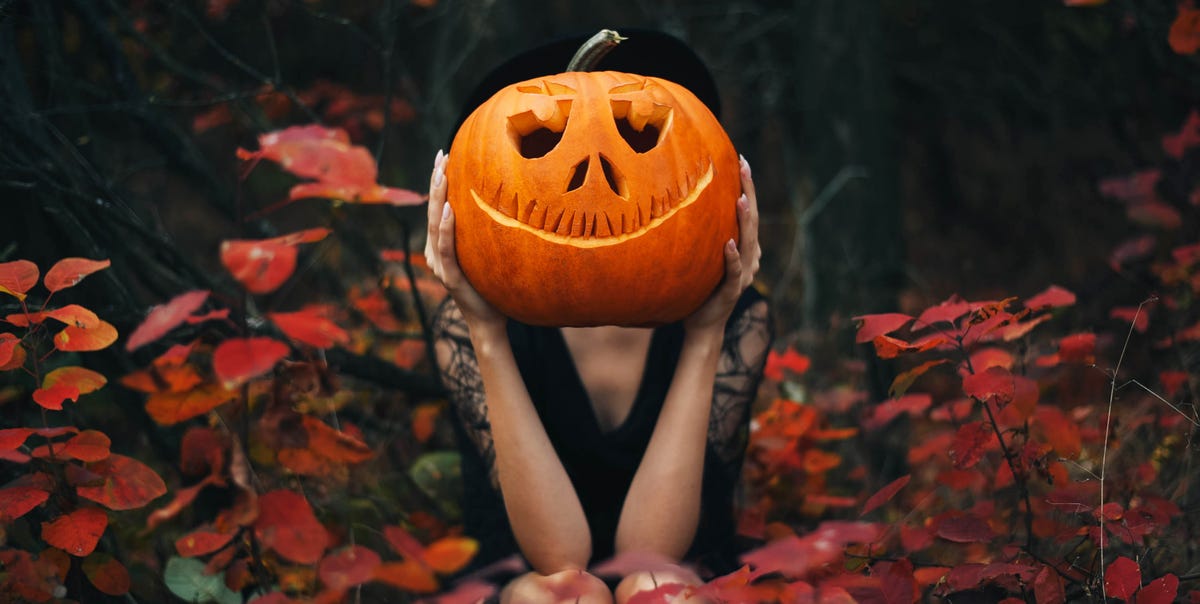
6. Jack-o’-lanterns were not always made from pumpkins
Before pumpkins became the Halloween carving superstar in America, people in parts of Ireland and Britain carved turnips, potatoes, or beets. If you have ever tried carving a turnip, you understand why pumpkins received the promotion.
7. The jack-o’-lantern is tied to an Irish legend
The name is often connected to the story of “Stingy Jack,” a tricky character said to wander with a carved lantern. The legend helped inspire the glowing faces that now guard porches across America.
8. Pumpkins are native to North America
Pumpkins grew in the Americas long before Halloween became an American holiday tradition. Once immigrants encountered the big orange squash, it was practically begging to become a seasonal decoration.
9. The United States grows a lot of pumpkins
Pumpkin production is spread across several states, with Illinois often leading in pumpkin production, especially for processing. That means your pie filling and your porch decoration may have more agricultural history than you expected.
10. Candy corn has been around since the 1880s
Candy corn was created in the late 19th century and became one of America’s most recognizable seasonal candies. Whether you love it, hate it, or use it as tiny triangular table décor, it has survived more debates than most politicians.
11. Candy corn was once called “Chicken Feed”
Early candy corn was marketed with farm-themed packaging because agricultural shapes were popular in candy. The name sounds strange now, but in the late 1800s, farm-inspired sweets made sense to many American shoppers.
12. Black and orange became Halloween power colors
Orange is associated with pumpkins, autumn leaves, and harvest season. Black connects to night, mystery, bats, cats, and spooky storytelling. Together, they are basically Halloween’s official uniform.
13. Witches are one of the oldest Halloween costume favorites
Witch costumes have stayed popular because they combine folklore, mystery, magic, and a hat that makes everyone look like they know a secret. Add a broom, and suddenly the whole outfit has transportation.
14. Bats became spooky partly because they come out at night
Bats are nocturnal, move quickly in the dark, and often live in caves or old buildings. That was enough for human imagination to put them on the Halloween guest list forever.
15. Real bats are helpful, not evil
Despite their spooky reputation, many bats eat insects and play important roles in ecosystems. In other words, bats are less “monster of the night” and more “tiny flying pest control.”
16. Black cats were not always considered unlucky
Black cats have been viewed differently across cultures. In some places, they were considered lucky. Their Halloween reputation grew from folklore, superstition, and their excellent ability to look dramatic under moonlight.
17. Halloween parties used to include fortune-telling games
In the 19th and early 20th centuries, Halloween parties often featured games about romance and future predictions. Apples, mirrors, nuts, and candles all appeared in playful rituals. Apparently, before dating apps, people trusted fruit.
18. Bobbing for apples has old roots
Apple games were common at harvest celebrations and Halloween parties. Bobbing for apples became a classic activity because it was simple, seasonal, and guaranteed to ruin at least one hairstyle.
19. Haunted houses became popular attractions in America
Commercial haunted attractions grew during the 20th century and are now a major part of spooky season entertainment. Some are silly, some are intense, and some mostly teach you that your friend screams louder than expected.
20. Halloween is a huge retail holiday
Americans spend billions of dollars on Halloween candy, costumes, decorations, greeting cards, and party supplies. The holiday has become a major seasonal event for stores, families, schools, and neighborhoods.
21. Pet costumes are now part of the Halloween economy
Many Americans buy Halloween costumes for pets. Dogs dressed as pumpkins, cats dressed as bats, and guinea pigs dressed as hot dogs prove one thing: humans have imagination, and pets have patience.
22. The most popular kids’ costumes change with pop culture
Classic costumes like witches, ghosts, princesses, superheroes, and vampires remain favorites. But movie characters, video game heroes, and viral trends also shape what appears on sidewalks each October.
23. Ghost costumes are timeless because they are simple
The classic sheet ghost is one of the easiest costumes in Halloween history. It is affordable, recognizable, and only mildly risky if someone forgets to cut proper eye holes.
24. The word “spooky” is older than modern Halloween culture
“Spooky” comes from words connected to ghosts or spirits. Today, it describes everything from haunted mansions to a suspiciously quiet toddler holding chocolate.
25. Halloween and Día de los Muertos are not the same holiday
Halloween and Día de los Muertos happen close together on the calendar, but they have different histories, meanings, and traditions. Día de los Muertos is a Mexican and Latin American tradition honoring loved ones who have died.
26. Skeletons became popular because they symbolize mortality
Skeleton imagery reminds people of death, which is why it appears in many old traditions, artworks, and celebrations. On Halloween, skeletons become less philosophical and more likely to dance in someone’s front yard.
27. Scarecrows fit Halloween because of harvest season
Halloween comes at the end of October, right in the heart of autumn. Scarecrows, corn stalks, hay bales, pumpkins, and gourds all connect the holiday to farms and harvest traditions.
28. Not all pumpkins are great for pie
Large carving pumpkins are often watery and stringy compared with smaller pie pumpkins. You can eat many pumpkins, but the best jack-o’-lantern may not make the best dessert.
29. Pumpkin spice does not usually contain pumpkin
Pumpkin spice is typically a blend of cinnamon, nutmeg, ginger, cloves, and sometimes allspice. It tastes like autumn walked into a bakery wearing a scarf.
30. Halloween pranks were once a bigger problem
In some American communities, Halloween used to involve more mischief, vandalism, and pranks. Organized parties and trick-or-treating helped turn the holiday toward safer, family-friendly fun.
31. “Trick or treat” is both a phrase and a tiny negotiation
The phrase jokingly suggests that a treat prevents a trick. In practice, most children say it politely, receive candy, and then sprint to the next porch like tiny accountants collecting seasonal revenue.
32. Halloween candy safety is still important
Parents and caregivers are often advised to check treats before kids eat them, especially for allergies, choking hazards, opened wrappers, or homemade items from unfamiliar sources.
33. Reflective costumes are a smart idea
Because trick-or-treating often happens after dark, bright colors, reflective tape, glow sticks, flashlights, and adult supervision can help make children easier for drivers to see.
34. Masks can make walking harder
Masks may block vision, especially for young children. Face paint or well-fitted costume accessories can be safer alternatives when walking through neighborhoods.
35. Halloween is one of the biggest nights for pedestrian safety awareness
With more children walking in neighborhoods after dark, safety organizations remind drivers to slow down, avoid distractions, and watch carefully near crosswalks, driveways, and intersections.
36. “Fun-size” candy is a marketing miracle
Fun-size candy bars are smaller than regular candy bars, which is convenient for trick-or-treating. The name is clever because “tiny but socially acceptable to eat twelve of them” would not fit on the wrapper.
37. Halloween movies helped shape the modern mood
From family-friendly cartoons to classic monster films, movies helped define Halloween’s atmosphere. Not every Halloween story needs to be terrifying; sometimes a talking pumpkin is plenty.
38. Some towns celebrate Halloween with parades
Across the United States, communities host parades, trunk-or-treat events, pumpkin festivals, costume contests, and fall fairs. These events make Halloween feel local, creative, and neighborly.
39. Haunted storytelling is part of American folklore
Ghost stories, legends, and spooky folktales have long been shared around campfires, at sleepovers, and during autumn events. Halloween gives these stories a yearly spotlight.
40. Adults enjoy Halloween too
Halloween is not just for kids. Adults attend costume parties, decorate homes, visit haunted attractions, watch scary movies, and argue passionately about whether candy corn counts as candy or a dare.
41. Halloween decorations have become bigger and bolder
Modern Halloween décor can include giant skeletons, fog machines, animated witches, inflatable ghosts, and entire front yards turned into mini haunted parks. Some houses do not decorate; they launch a production.
42. Halloween keeps changing
Halloween has never been frozen in time. It has moved from ancient seasonal rituals to church calendars, immigrant traditions, neighborhood customs, candy culture, and social media trends. That flexibility is why it still feels fresh every October.
Why Halloween Trivia Is Fun for Kids and Adults
Halloween trivia works because it mixes history with humor. Kids enjoy facts about pumpkins, costumes, candy, bats, and ghosts. Adults enjoy learning how a holiday with ancient roots became a modern celebration involving porch skeletons taller than basketball players.
Trivia also makes Halloween more meaningful. When children learn that jack-o’-lanterns were once carved from turnips, they understand that traditions can travel and change. When adults learn that trick-or-treating grew from older door-to-door customs, they see that today’s candy bowl has a long cultural memory behind it.
Easy Ways to Use These Halloween Facts
For classrooms
Teachers can turn these Halloween facts into a quick quiz, a writing prompt, a history discussion, or a seasonal reading activity. Students might compare old Halloween customs with modern celebrations or write their own “fact number 43.”
For family parties
Print the facts, cut them into strips, and place them in a pumpkin bowl. Guests can pull one out and guess whether it is history, trivia, folklore, or candy science. Bonus points if someone reads the candy corn fact with dramatic seriousness.
For content creators
These facts can inspire social captions, short videos, blog sections, newsletters, party invitations, and seasonal trivia cards. Halloween content performs well because it is visual, emotional, nostalgic, and easy to share.
Personal Experiences and Practical Ideas Inspired by Halloween Facts
The best thing about Halloween is that it does not require perfection. In fact, the slightly messy parts are usually the most memorable. A pumpkin with one eye bigger than the other? Perfect. A costume that started as a vampire but somehow became “office worker with fangs”? Wonderful. A haunted front porch where the fog machine quits after six minutes? That is not failure; that is atmosphere with technical difficulties.
One of the most enjoyable ways to celebrate the topic of “42 Fun Halloween Facts, History and Trivia for Kids and Adults” is to build a trivia night around it. Families can divide into teams: kids versus adults, upstairs versus downstairs, or “people who like candy corn” versus “people with functioning taste buds.” Each round can focus on a theme. Round one might cover Halloween history, including Samhain, All Hallows’ Eve, and the rise of trick-or-treating. Round two can focus on candy, pumpkins, costumes, and spooky animals. Round three can be a lightning round where players answer quickly before someone steals the last peanut butter cup.
For kids, Halloween facts become more exciting when they are connected to hands-on activities. After learning that jack-o’-lanterns were once carved from turnips, children can compare a pumpkin, a potato, and a turnip to see which one would be easiest to carve. Spoiler: the pumpkin wins, and the turnip sits there looking historically important but emotionally unavailable. After learning that bats are helpful animals, kids can draw bat posters that explain how bats support ecosystems. This turns spooky curiosity into science learning.
Adults can use Halloween trivia to make parties feel more creative without making guests feel like they accidentally enrolled in night school. Place fact cards near snacks, drinks, or decorations. For example, put the candy corn fact beside a candy bowl, the pumpkin production fact near the jack-o’-lanterns, and the black cat folklore fact near a cat decoration. Guests will naturally read, laugh, and start conversations. It gives the party a little personality beyond “Here is a table of snacks shaped like fingers.”
Another experience-based idea is to create a “history of Halloween” decoration trail. Start at the front door with ancient harvest symbols such as leaves, apples, and pumpkins. Move to a table with old-fashioned games like apple bobbing or fortune-themed cards. Then create a modern section with costumes, candy, movie posters, and glow sticks. This shows how Halloween changed over time, from seasonal rituals to today’s neighborhood celebration. It is educational, but still fun enough that nobody will accuse you of hiding homework in a witch hat.
For families with younger children, safety can become part of the Halloween experience without turning the evening into a lecture. Let kids decorate flashlights, choose glow bracelets, or add reflective stickers to treat bags. Explain that these are not boring safety tools; they are “monster visibility gear.” Before trick-or-treating, make a simple plan: stay together, cross at corners, wait before eating candy, and say thank you. Kids remember rules better when they feel like part of the adventure.
Halloween facts also make great writing prompts. Ask kids or adults to choose one fact and write a short story from it. What if a turnip jack-o’-lantern felt jealous of pumpkins? What if a bat had to correct its spooky reputation? What if candy corn held a press conference to defend itself? These playful prompts help connect history, imagination, and humor.
In the end, Halloween is popular because it gives everyone permission to be creative. Kids get to become characters. Adults get to decorate like theatrical goblins with mortgages. Neighborhoods become friendlier. Stories feel more exciting. And for one night, a bowl of candy by the door becomes a tiny community ritual. That is the real magic of Halloween: it is old, new, spooky, sweet, and wonderfully ridiculous all at once.
Conclusion
Halloween is more than costumes and candy. It is a layered holiday shaped by ancient festivals, Christian observances, immigrant customs, American neighborhoods, agriculture, folklore, retail traditions, and family creativity. These 42 fun Halloween facts show how a single night can hold history, trivia, mystery, humor, and enough sugar to make a dentist gently sigh.
Whether you are planning a classroom lesson, writing a Halloween blog post, hosting a party, or preparing a family trivia game, these facts can help make the season more memorable. Halloween works because it lets people learn, laugh, dress up, tell stories, and share treats. That combination never gets oldeven if the porch skeleton is starting to look emotionally tired.