Note: This article is an original editorial synthesis based on widely discussed TV storylines, official series context, critic coverage, and U.S. entertainment reporting. It is written for publication in standard American English without copied source text.
Some TV couples make us believe in soulmates. Others make us believe in therapy, caller ID, and moving to a different ZIP code. The history of television is packed with romantic pairings that looked glamorous under soft lighting but were actually emotional demolition derbies with better wardrobes.
That is why “toxic TV couples” remain such a fascinating topic. These relationships are not always badly written. In fact, many are unforgettable because they are messy, magnetic, and painfully human. They show jealousy, manipulation, poor communication, power imbalance, emotional avoidance, and the classic television condition known as “we broke up three episodes ago but are somehow still ruining each other’s lives.”
This list of 41 toxic TV couples that are a total shipwreck looks at famous on-screen relationships that made viewers gasp, argue, tweet, rewatch, and occasionally yell, “Please date literally anyone else.” Some couples were intentionally written as cautionary tales. Others were sold as romance but aged like milk left in a studio trailer.
Why Toxic TV Couples Are So Hard To Look Away From
Great television loves conflict, and romance is one of the easiest places to put it. A healthy couple talks things out, respects boundaries, and goes to bed at a reasonable hour. A toxic TV couple lies, storms out, returns dramatically in the rain, and somehow turns brunch into a courtroom scene.
The problem begins when chaos gets framed as passion. A little tension can make a story exciting, but constant disrespect, control, secrecy, betrayal, or emotional games are not signs of “epic love.” They are signs that the relationship is running on fumes, denial, and a soundtrack that deserves better.
41 Toxic TV Couples That Are A Total Shipwreck
1. Ross and Rachel Friends
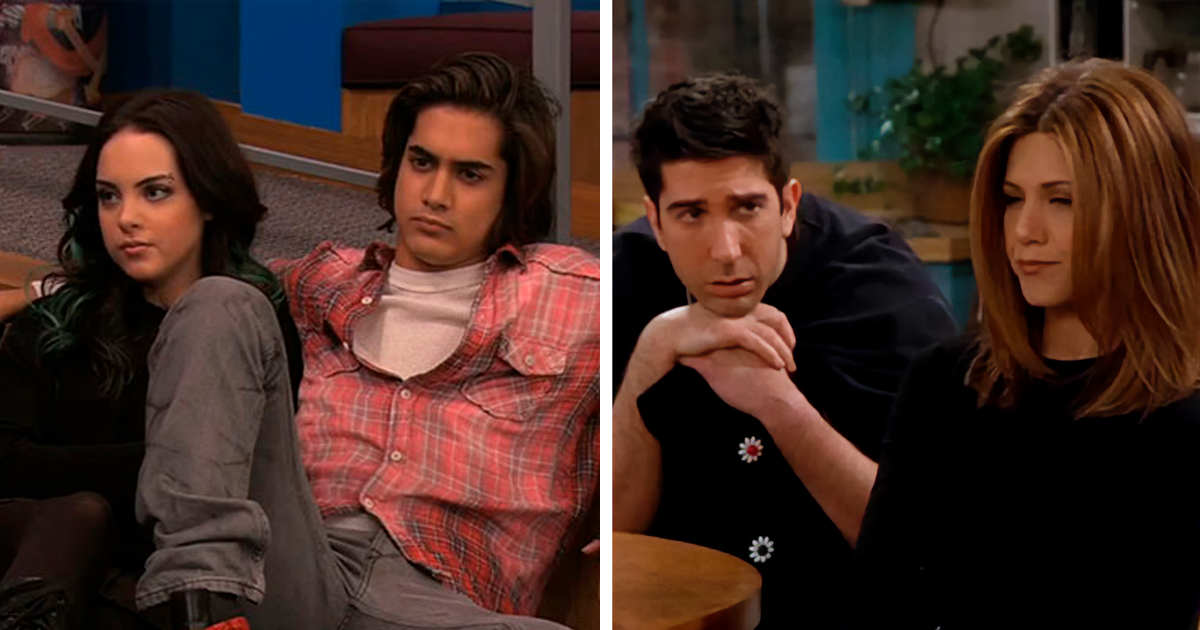
Ross and Rachel are iconic, but iconic does not automatically mean healthy. Their relationship is built on jealousy, poor timing, miscommunication, and the eternal phrase “we were on a break.” They had chemistry, but they also had the emotional conflict-resolution skills of a malfunctioning answering machine.
2. Carrie Bradshaw and Mr. Big Sex and the City
Carrie and Big turned emotional unavailability into a luxury lifestyle brand. Their romance had sparkle, expensive dinners, and dramatic exits, but it also had avoidance, mixed signals, and a pattern of Big appearing just when Carrie was trying to move on.
3. Chuck Bass and Blair Waldorf Gossip Girl
Chuck and Blair had style, wit, and enough scheming energy to power Manhattan. But their relationship often confused obsession with devotion. Between manipulation, revenge plots, and emotional power games, this ship sailed beautifully straight into an iceberg.
4. Serena van der Woodsen and Dan Humphrey Gossip Girl
Serena and Dan began as an outsider-insider fairy tale, but the trust issues were enormous. Once secrets, surveillance, judgment, and identity games entered the picture, their romance became less “opposites attract” and more “please log off forever.”
5. Damon and Elena The Vampire Diaries
Damon and Elena had supernatural chemistry, but chemistry is not the same as emotional safety. Their relationship included intense dependence, moral compromise, and plenty of choices that made viewers wonder whether the town of Mystic Falls had any functioning therapists.
6. Stefan and Katherine The Vampire Diaries
Katherine’s history with Stefan was full of manipulation and control. Their connection was dramatic, but it was also shaped by deception and emotional damage. In vampire terms, the red flags were practically glowing in the dark.
7. Buffy and Spike Buffy the Vampire Slayer
Buffy and Spike remain one of TV’s most debated pairings. Their dynamic explored pain, loneliness, identity, and desire, but it was often unhealthy and destructive. The relationship worked best as a dark character study, not a model for romance.
8. Olivia Pope and Fitzgerald Grant Scandal
Olivia and Fitz had political intrigue, longing looks, and monologues sharp enough to cut glass. But their relationship was tangled in power, secrecy, marriage, ambition, and emotional dependency. Romantic? Sometimes. Stable? Absolutely not.
9. Meredith Grey and Derek Shepherd Grey’s Anatomy
Meredith and Derek gave TV some unforgettable romantic moments, but the early years included workplace imbalance, secrecy, emotional whiplash, and painful communication breakdowns. “Pick me, choose me, love me” is memorable television, but it is not exactly a wellness plan.
10. Callie Torres and Arizona Robbins Grey’s Anatomy
Callie and Arizona had real love, but their relationship was deeply strained by resentment, trauma, and betrayal. Their arguments often showed how two good people can still become terrible for each other when pain goes unhealed.
11. Izzie Stevens and George O’Malley Grey’s Anatomy
Izzie and George are a reminder that best-friend chemistry does not always translate into romantic chemistry. Their relationship hurt other people, strained friendships, and felt more like confusion wearing a lab coat than lasting love.
12. Aria Montgomery and Ezra Fitz Pretty Little Liars
Aria and Ezra’s relationship is often criticized because of its teacher-student power imbalance. The secrecy and authority issues made the romance uncomfortable, even when the show presented it with dramatic music and longing looks.
13. Spencer Hastings and Toby Cavanaugh Pretty Little Liars
Spencer and Toby had loyal moments, but they were also wrapped in secrets, mistrust, and dangerous alliances. In Rosewood, romance often came with more hidden files than a government server.
14. Hanna Marin and Caleb Rivers Pretty Little Liars
Hanna and Caleb were beloved, but their relationship still had moments of secrecy, hacking, and emotional withdrawal. Compared with other Rosewood romances, they were healthier, but the bar was basically buried underground.
15. Joe Goldberg and Love Quinn You
Joe and Love are the rare couple where both people should probably never share a Wi-Fi password, a home, or a conversation without witnesses. Their relationship is a sharp satire of obsession disguised as love, and it is toxic by design.
16. Joe Goldberg and Beck You
Joe and Beck’s relationship is a chilling example of control, fantasy, and invasion of privacy. The show makes it clear that romantic narration can hide deeply harmful behavior when someone sees another person as a possession instead of a partner.
17. Nate Jacobs and Maddy Perez Euphoria
Nate and Maddy are one of the clearest examples of a destructive teen relationship on modern television. Their connection involves control, fear, jealousy, and emotional volatility. The show never needs to whisper “red flag”; it practically paints the walls with it.
18. Nate Jacobs and Cassie Howard Euphoria
Nate and Cassie are built on secrecy, insecurity, and emotional chaos. Cassie wants validation, Nate wants control, and the result is a relationship that feels less like romance and more like a group project where everyone fails.
19. Tony Soprano and Carmela Soprano The Sopranos
Tony and Carmela’s marriage is complex, brilliantly written, and deeply unhealthy. It includes betrayal, denial, financial dependency, emotional distance, and moral compromise. They are fascinating characters, but their marriage is not exactly couple-goals material.
20. Walter White and Skyler White Breaking Bad
Walter and Skyler’s marriage collapses under lies, fear, control, and pride. Walter’s choices turn the household into a pressure cooker, and Skyler is pulled into a nightmare she never signed up for. This is domestic tension as prestige-TV thunderstorm.
21. Jimmy McGill and Kim Wexler Better Call Saul
Jimmy and Kim genuinely understand each other, which makes their toxicity even more tragic. Their shared schemes become addictive, and their love starts enabling the worst parts of their personalities. Sometimes the person who “gets you” can also help you sink faster.
22. Don Draper and Betty Draper Mad Men
Don and Betty are a portrait of repression, secrets, status, and emotional neglect. Their marriage looks polished from the outside, but inside it is all silence, resentment, and cigarette smoke curling around every unsaid truth.
23. Don Draper and Megan Draper Mad Men
Don and Megan begin with glamour and optimism, but the old patterns return. Don hides, Megan grows resentful, and the marriage becomes another stage on which Don performs the role of “man who has learned nothing today.”
24. Tom Wambsgans and Shiv Roy Succession
Tom and Shiv are corporate warfare with wedding rings. Their marriage is full of status anxiety, emotional tests, betrayal, and power plays. Watching them argue is like watching two lawyers fight inside a burning yacht.
25. Logan Roy and Marcia Roy Succession
Logan and Marcia’s relationship is built around power, control, and strategic silence. There may be affection, but in the Roy universe, affection usually arrives with a contract, a threat, or both.
26. Kendall Roy and Naomi Pierce Succession
Kendall and Naomi understand each other’s damage, but shared damage is not always a foundation. Their relationship often feels like two people trying to escape reality while carrying matching emotional luggage with broken wheels.
27. Cersei Lannister and Jaime Lannister Game of Thrones
Cersei and Jaime are one of television’s most infamous toxic pairings. Their bond is rooted in secrecy, loyalty, power, and destruction. It is less a romance than a royal disaster wearing armor.
28. Daenerys Targaryen and Jon Snow Game of Thrones
Daenerys and Jon had epic fantasy energy, but their relationship became tangled in politics, identity, loyalty, and clashing ideas of power. By the end, the romance carried the emotional comfort of a dragon circling overhead.
29. Piper Chapman and Alex Vause Orange Is the New Black
Piper and Alex are magnetic, funny, and deeply messy. Their relationship includes betrayal, dependency, and cycles of reunion and resentment. They love each other, but they also repeatedly push each other into chaos.
30. Frank and Claire Underwood House of Cards
Frank and Claire are a power couple in the most alarming sense of the phrase. Their marriage is strategic, cold, and transactional, with loyalty often tied to ambition. They do not need couples counseling; they need a constitutional amendment.
31. Mickey and Ian Shameless
Mickey and Ian have a passionate, fan-favorite love story, but their early dynamic includes secrecy, emotional volatility, and harsh conflict. Their later growth matters, but the road there is paved with enough chaos to qualify as a Chicago infrastructure project.
32. Lip Gallagher and Tami Tamietti Shameless
Lip and Tami often struggle with communication, resentment, and mismatched expectations. Their relationship feels painfully realistic at times, especially when love is present but emotional maturity keeps missing the bus.
33. Fiona Gallagher and Jimmy/Steve Shameless
Fiona and Jimmy/Steve had charm, but their relationship was built on deception and instability. He brought excitement, but also lies. Fiona already had enough problems without dating a man whose identity came with optional accessories.
34. Ryan Howard and Kelly Kapoor The Office
Ryan and Kelly are hilarious because they are awful together. Their relationship is a carousel of ego, insecurity, dramatic breakups, and workplace nonsense. They are not soulmates; they are two push notifications that refuse to be silenced.
35. Michael Scott and Jan Levinson The Office
Michael and Jan’s relationship is comedy gold and emotional red-alert lighting. Their dynamic involves control, insecurity, workplace complications, and a dinner party so uncomfortable it deserves its own warning label.
36. Ted Mosby and Robin Scherbatsky How I Met Your Mother
Ted and Robin want different futures, and the show tells us that repeatedly. Their relationship often suffers because Ted romanticizes what he wants Robin to represent, while Robin resists being placed inside someone else’s destiny slideshow.
37. Barney Stinson and Robin Scherbatsky How I Met Your Mother
Barney and Robin share humor and chemistry, but they also struggle with honesty, emotional vulnerability, and long-term compatibility. Their romance had great moments, yet it sometimes felt like two commitment issues wearing formalwear.
38. Jess Day and Sam Sweeney New Girl
Jess and Sam were sweet in flashes, but their relationship repeatedly suffered from timing problems, emotional confusion, and unresolved feelings elsewhere. It was not the worst shipwreck on TV, but it definitely needed a lighthouse.
39. Nick Miller and Caroline New Girl
Nick and Caroline showed how nostalgia can trick people into re-entering a relationship that no longer fits. Their dynamic pulled Nick backward, and the romance felt less like a fresh start than a rerun with worse lighting.
40. Mindy Lahiri and Danny Castellano The Mindy Project
Mindy and Danny had witty banter and major chemistry, but their relationship became strained by control issues and clashing expectations. Danny often wanted Mindy to shrink her life into his version of family, which is not romance; it is emotional tailoring without consent.
41. Lucy Albright and Stephen DeMarco Tell Me Lies
Lucy and Stephen are practically a case study in addictive, unhealthy attachment. Their relationship thrives on secrets, manipulation, attraction, and emotional confusion. The show understands that some toxic bonds are not thrilling because they are glamorous; they are thrilling because they are hard to escape.
What These Toxic TV Relationships Have In Common
They Mistake Drama For Depth
Many toxic TV couples feel “deep” because they are constantly in crisis. But crisis is not intimacy. Real intimacy usually looks much quieter: honesty, accountability, patience, and respect. Television, of course, prefers slammed doors and dramatic airport scenes.
They Confuse Jealousy With Love
Jealousy is one of the most common ingredients in unhealthy TV romances. A jealous partner may be framed as passionate, protective, or “unable to live without” the other person. In reality, constant jealousy often points to control, insecurity, and lack of trust.
They Use Secrets As Fuel
From hidden identities to secret affairs to mysterious pasts, TV couples love secrets. Some secrets create suspense. Too many create emotional bankruptcy. When a couple cannot survive honesty, the relationship is already wobbling like a cheap folding chair.
They Make The Audience Root Against Common Sense
A talented cast can make almost any relationship compelling. That is the tricky part. Viewers may know a couple is terrible together and still feel invested. Chemistry is powerful. So are cheekbones, good lighting, and a perfectly timed needle-drop.
Why Viewers Still Ship Problematic TV Couples
Shipping does not always mean endorsement. Sometimes viewers enjoy a toxic couple because the writing is sharp, the acting is electric, or the chaos is entertaining from a safe distance. Nobody wants Frank and Claire Underwood giving marriage advice at a community center, but watching their power games unfold can be riveting television.
There is also the redemption fantasy. Audiences love the idea that love can heal someone, soften them, or turn them into a better version of themselves. That can be beautiful when the story includes accountability and growth. It becomes dangerous when the relationship asks one person to absorb endless harm because “deep down” the other person is complicated.
Another reason these couples stick is nostalgia. Many viewers met Ross and Rachel, Carrie and Big, or Chuck and Blair when they were younger. A rewatch years later can feel like opening a time capsule and finding a glittery warning sign inside. What once seemed romantic may now look exhausting, unfair, or wildly avoidant.
The Viewer Experience: What Rewatching Toxic TV Couples Teaches Us
Rewatching toxic TV couples as an adult, or even just as a more emotionally experienced viewer, can feel like being handed a pair of upgraded glasses. Suddenly, the big romantic speech does not hit the same way. The surprise appearance outside someone’s apartment feels less dreamy and more like a boundary issue. The jealous argument that once seemed passionate now sounds like two people auditioning for a relationship they are not qualified to maintain.
That change is part of what makes these couples so useful to discuss. Television lets viewers test emotional reactions without having to live inside the disaster. You can watch Carrie wait for Big, see Blair and Chuck turn love into strategy, or observe Tom and Shiv weaponize every dinner conversation, then ask, “Why did that feel exciting?” The answer is rarely simple. Sometimes drama looks romantic because it is intense. Sometimes intensity looks like importance. And sometimes the show is simply very good at making chaos attractive.
In real life, however, most people eventually learn that peace is underrated. A partner who texts back honestly may not produce a season finale cliffhanger, but they also will not leave your nervous system looking like it just ran a marathon in dress shoes. Healthy love can be funny, passionate, ambitious, and interesting without requiring constant emotional cleanup.
These TV shipwrecks also teach us how much storytelling has changed. Older shows often treated possessiveness, grand gestures, or relentless pursuit as romantic proof. Modern audiences are more likely to notice power imbalance, emotional manipulation, and consent around boundaries. That does not mean viewers cannot enjoy older shows. It means they can enjoy them with sharper eyes and better jokes.
Another common viewing experience is the group-chat debate. One friend insists a couple is iconic. Another friend says, “Iconic where? In a warning pamphlet?” Then everyone starts ranking red flags like Olympic judges. This is part of the fun. Toxic TV couples create conversation because they sit at the messy intersection of entertainment, fantasy, ethics, and character psychology.
They also remind us that fiction does not have to be morally perfect to be valuable. A destructive relationship can reveal character flaws, social pressures, ambition, trauma, or cultural expectations. The key is knowing the difference between portrayal and promotion. When a show understands that a couple is unhealthy, viewers can analyze the wreckage. When a show accidentally sells dysfunction as destiny, the audience may need to do the analysis itself.
Ultimately, the best way to watch toxic TV couples is with curiosity and boundaries. Laugh at the chaos. Appreciate the performances. Quote the dramatic lines. But when the episode ends, remember that love should not require decoding, chasing, begging, spying, or shrinking yourself to fit someone else’s comfort zone. A great TV shipwreck can be delicious entertainment. In real life, though, it is perfectly acceptable to choose the lifeboat.
Conclusion: Shipwrecks Make Great TV, Not Great Dating Blueprints
Toxic TV couples endure because they are dramatic, stylish, complicated, and endlessly debatable. They give writers conflict, actors juicy material, and audiences something to argue about long after the credits roll. But the real lesson is simple: chemistry can make a relationship watchable, but respect makes it livable.
From Ross and Rachel’s endless miscommunication to Tom and Shiv’s emotional chess match, these pairings prove that not every unforgettable romance should be copied. Some should be studied, laughed at, and then gently placed in the “please do not try this at home” folder.
So yes, enjoy the shipwreck. Bring popcorn. Bring opinions. Bring a friend who can shout, “Red flag!” at the screen. Just remember that in real life, the healthiest love stories usually involve fewer secrets, fewer power games, and absolutely no need for a dramatic season finale apology in the rain.