Gnats are tiny, dramatic little freeloaders. One minute your kitchen is peaceful; the next, a cloud of miniature helicopters is hovering over the fruit bowl like they paid rent. The good news? You can get rid of gnats without turning your home into a chemical fog machine or declaring war on every banana within city limits.
The trick is understanding that “gnat” is a casual name people use for several small flying pests. The most common indoor suspects are fruit flies, fungus gnats, drain flies, and sometimes phorid flies. They look similar when they are zipping past your nose during breakfast, but they breed in different places. That means the best way to get rid of gnats is not one magic spray. It is a smart, four-part plan: identify the source, remove what they are breeding in, trap the adults, and prevent the next generation from staging a comeback tour.
This guide explains four practical ways to get rid of gnats fast, naturally when possible, and safely when stronger measures are needed. Whether the problem is a sink drain, overwatered houseplants, forgotten produce, or a trash can that has entered its villain era, these steps will help you take back your kitchen, bathroom, plant shelf, and sanity.
What Are Gnats, Really?
Before you start swinging a dish towel like a medieval knight, take a minute to inspect where the gnats are gathering. Their location tells you almost everything.
Fruit Flies
Fruit flies are small tan or brownish flies often found around ripe fruit, wine, beer, vinegar, recycling bins, compost containers, and sticky spills. They love fermenting material. If your gnats are partying near bananas, peaches, tomatoes, onions, or an unwashed soda can, you are probably dealing with fruit flies.
Fungus Gnats
Fungus gnats are usually dark, delicate flies that hover around houseplants. Adults are annoying, but the real issue is in the soil. Their larvae live in moist potting mix and feed on fungi, decaying organic matter, and occasionally tender roots. If tiny flies rise from the soil whenever you water your plants, fungus gnats are likely the culprits.
Drain Flies
Drain flies look fuzzy or moth-like and often appear around sinks, showers, floor drains, or laundry areas. Their larvae develop in the slimy organic film that builds up inside pipes. If you keep seeing gnats in the bathroom even though there is no fruit in sight, your drain may be running a very small insect daycare.
Phorid Flies
Phorid flies are small, hump-backed flies that may breed in decaying organic matter, dirty drains, garbage, plumbing leaks, or hidden moisture problems. They tend to run in short, jerky movements before flying. If the infestation is heavy and you cannot find an obvious source, check for leaks, damp debris, or hidden food residue.
Once you know which gnat you are dealing with, the solution becomes much easier. Now let’s get into the four best ways to get rid of gnats.
1. Remove the Breeding Source First
If there is one rule for getting rid of gnats, it is this: traps catch adults, but source removal ends the infestation. Gnats reproduce quickly, and many indoor infestations continue because people trap the visible flies while accidentally feeding the invisible nursery.
Start in the kitchen. Toss overripe fruit and vegetables, especially anything soft, leaking, bruised, or fermenting. Do not leave produce scraps in an open trash can overnight. Rinse bottles, cans, and containers before putting them in recycling. Wipe sticky shelves, counters, and the area around the trash can. Even a small splash of juice under the rim of a bin can keep fruit flies interested.
Next, inspect the pantry. Potatoes, onions, garlic, and fruit stored in bags can rot quietly in the back of a cabinet. That one forgotten potato can become the luxury resort nobody asked for. Remove spoiled items, clean the shelf, and store produce in breathable containers or the refrigerator when appropriate.
Do not ignore compost. Indoor compost buckets should have tight-fitting lids and should be emptied regularly. If gnats are already active, wash the container thoroughly with soap and hot water. If odor remains, sprinkle baking soda in the bottom after cleaning and use a liner or compostable bag to reduce residue.
For bathrooms and drains, look for organic buildup. Drain flies and some phorid flies breed in sludge, not in clean running water. Remove hair, soap scum, food particles, and slimy film from drain openings. A stiff drain brush can help scrub the sides of the pipe where larvae may be feeding. Enzyme or bacterial drain cleaners can also help break down organic matter over time, especially when used according to label directions.
For houseplants, check soil moisture. Fungus gnats thrive when potting mix stays wet for too long. Remove dead leaves from the soil surface, empty water from saucers, and stop watering on autopilot. Plants are not pets with tiny thirst schedules; they need water based on soil dryness, light, pot size, and plant type.
Quick Source-Control Checklist
- Throw away overripe or rotting fruits and vegetables.
- Refrigerate ripe produce when possible.
- Rinse bottles, cans, and food containers before recycling.
- Clean trash cans, compost bins, and sticky spills.
- Scrub drains and remove organic buildup.
- Let overwatered plant soil dry before watering again.
- Remove dead leaves and debris from pots.
This step may feel too simple, but it is the most important part of gnat control. Without it, traps become a hobby instead of a solution.
2. Trap Adult Gnats to Cut Down the Swarm
Once you remove the source, traps help catch the adults still flying around your home. Adult gnats are the ones you see, the ones you swat, and the ones that somehow know exactly when you are trying to sip coffee. Trapping them reduces the population while the breeding sites dry out, get cleaned, or disappear.
Apple Cider Vinegar Trap for Fruit Flies
A classic vinegar trap works best for fruit flies and other flies attracted to fermentation. Pour a small amount of apple cider vinegar into a jar or cup. Add one or two drops of dish soap. The vinegar attracts the flies, and the soap breaks the surface tension so they sink instead of standing on the liquid like tiny smug surfers.
You can also make a paper cone trap. Add vinegar, a piece of ripe banana, or a splash of wine to a jar. Roll paper into a cone with a small opening at the bottom and place it in the jar without letting the tip touch the bait. Fruit flies enter through the cone but have trouble escaping. This method is simple, cheap, and oddly satisfying.
Place traps near the source: beside the fruit bowl, near the trash can, close to the recycling bin, or by the sink. Replace the liquid every few days, or sooner if it starts looking like a science fair project with legal concerns.
Yellow Sticky Traps for Fungus Gnats
Vinegar traps are not very useful for fungus gnats because fungus gnats are not strongly attracted to vinegar. For houseplant gnats, yellow sticky traps are the better tool. Place the sticky cards just above the soil line or attach them to small stakes in the pot. Adult fungus gnats are attracted to the color and get stuck before they can lay more eggs.
Sticky traps are especially helpful because they also show whether your control plan is working. If the number of trapped gnats drops each week, you are winning. If the card looks like a tiny black confetti party, the soil is probably still too wet or larvae are still developing.
Light and Drain Area Monitoring
For drain flies, traps can help confirm the source. At night, dry the drain opening and place a piece of clear tape sticky-side down over part of the drain, leaving some airflow. In the morning, check whether small flies are stuck to the tape. This does not solve the problem, but it can help identify which drain needs attention.
Avoid relying on bug zappers near food prep areas. They may kill some flying insects, but they are not a good kitchen solution because insect fragments can scatter. Also, if the breeding source remains, more flies will simply replace the fallen heroes.
3. Treat Houseplant Soil the Smart Way
Houseplants make a room feel alive, cozy, and peacefuluntil tiny gnats rise from the soil like your pothos has opened a nightclub. Fungus gnats are among the most common indoor plant pests, especially in homes where plants are loved a little too moistly.
The first fix is watering discipline. Let the top inch or two of potting mix dry before watering again, unless the plant is a moisture-loving species with different needs. For many common houseplants, a drier surface discourages fungus gnat females from laying eggs. Bottom watering can also help because it gives roots moisture while keeping the top layer of soil less inviting.
Drainage matters, too. Make sure every pot has drainage holes. Empty saucers after watering. If a decorative cachepot holds water around the nursery pot, remove the plant and dump the excess. Standing water plus organic potting mix equals fungus gnat brunch.
Use Bti for Larvae
If drying the soil and using sticky traps are not enough, consider a soil treatment containing Bacillus thuringiensis israelensis, commonly called Bti. Bti is a biological control used against certain fly larvae, including fungus gnat larvae. It is often sold in products such as mosquito bits or gnat-control drenches. Follow the product label carefully, soak or apply as directed, and repeat applications as needed because Bti targets larvae, not eggs, pupae, or adults.
For best results, combine Bti with sticky traps and better watering habits. Think of it as a three-part team: sticky traps catch adults, Bti targets larvae, and dry soil makes the whole environment less attractive. When all three are working together, fungus gnats have a much harder time keeping the family business alive.
Repot When the Soil Is the Problem
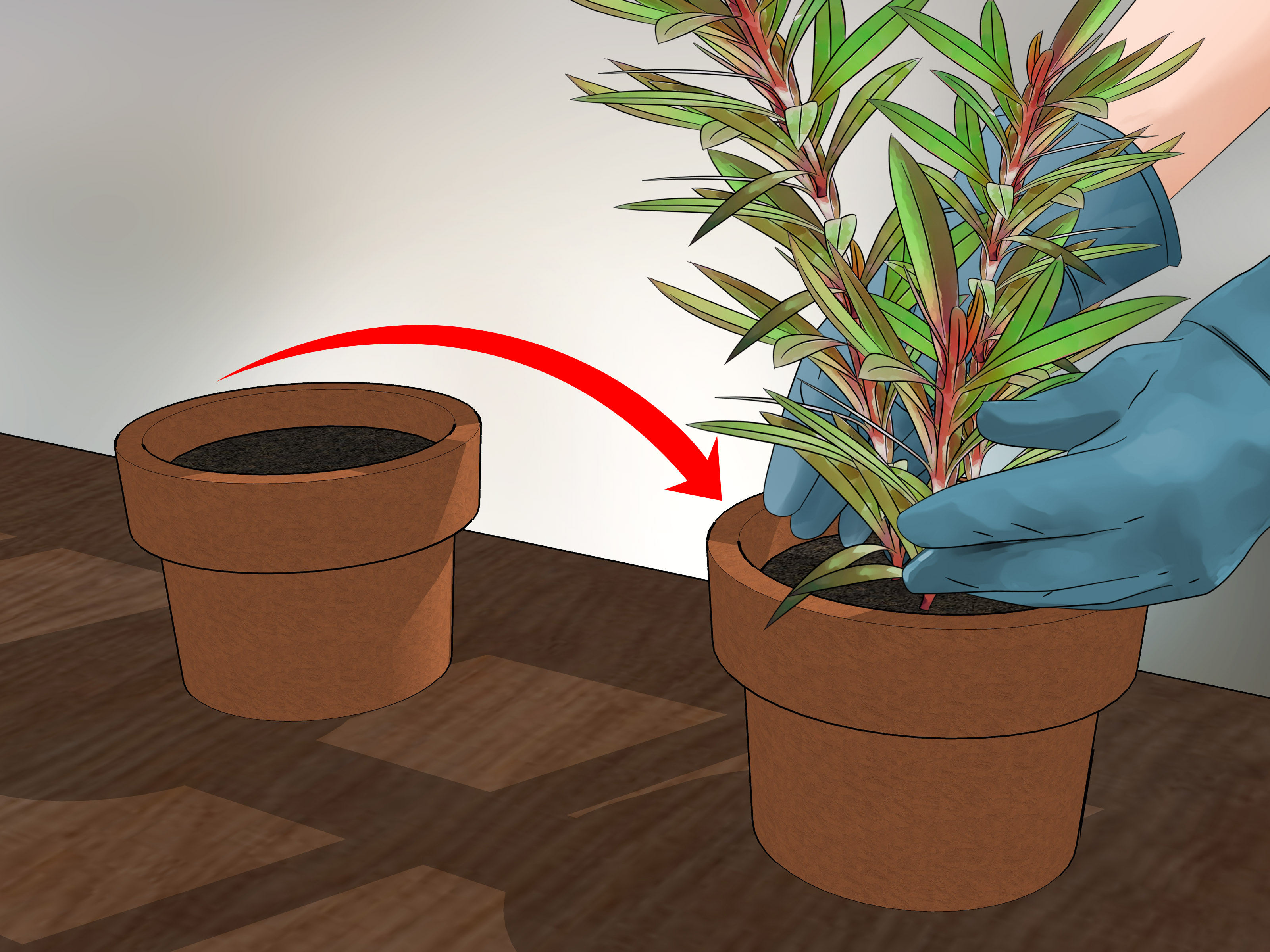
If the infestation is severe, the pot smells sour, the soil stays wet for days, or you see root rot symptoms, repotting may be necessary. Use fresh, well-draining potting mix and a clean container. Gently remove old soil from the roots, trim any mushy dead roots, and avoid reusing contaminated potting mix indoors.
You can also add a thin layer of coarse sand or fine gravel to the soil surface. This helps keep the top layer dry and may discourage egg laying. Do not pile on heavy material that blocks airflow or traps moisture underneath. The goal is a drier surface, not a decorative swamp lid.
Do Not Overdo Home Remedies
You may see advice online about cinnamon, hydrogen peroxide, essential oils, coffee grounds, or random kitchen mixtures. Some may have limited usefulness in certain situations, but they are not reliable as stand-alone solutions for serious infestations. Essential oils can irritate people and pets, hydrogen peroxide can damage roots if misused, and coffee grounds can hold moisture and make fungus gnats even happier. When in doubt, stick with moisture control, sticky traps, Bti, and repotting.
4. Prevent Gnats from Coming Back
After the gnats are gone, prevention keeps your home from becoming a recurring episode called “Return of the Tiny Menace.” The best prevention strategy is simple: remove food, reduce moisture, and clean the places where organic matter collects.
In the kitchen, keep ripe fruit in the refrigerator or eat it before it crosses into “smoothie or compost” territory. Wash produce when you bring it home if appropriate, but make sure it dries before storage. Moist fruit in a sealed bag can spoil faster. Keep counters clean, wipe under appliances when possible, and take out trash before it smells sweet, sour, or suspicious.
Recycling deserves special attention. A nearly empty beer bottle, wine bottle, soda can, or juice container can attract fruit flies. Rinse containers before storing them, and keep recycling bins clean and dry. If you collect cans indoors for more than a few days, use a lidded bin.
For drains, routine cleaning helps prevent buildup. Run water through rarely used drains, clean stoppers, remove hair, and scrub the upper drain area. If drain flies return quickly after cleaning, there may be a deeper buildup or plumbing issue. Persistent phorid flies can sometimes indicate hidden leaks or decaying material behind walls, under floors, or beneath appliances. In that case, it may be time to call a plumber or pest professional.
For houseplants, adjust your plant-care habits. Water only when the plant needs it, not because it is Tuesday and you own a watering can. Use pots with drainage, choose a well-draining mix, avoid letting leaves rot on the soil, and inspect new plants before bringing them home. If you buy a plant and tiny flies are already circling the pot at the store, consider choosing a different plant. Love at first sight is lovely; bringing home a gnat colony is less romantic.
Use Pesticides Carefully, If You Use Them at All
Most gnat problems can be solved with sanitation, moisture control, traps, and targeted biological treatment. If you decide to use an insecticide, choose a product labeled for the specific indoor use and pest. Read the label completely, follow all directions, and never assume more product means better results. More is not “extra effective”; more is just extra risk.
Do not use outdoor pesticides indoors. Do not spray around food, dishes, pets, or children. Do not mix products unless the label specifically allows it. For houseplants, move plants outdoors or to a well-ventilated area when the label recommends it, and let them dry before returning them inside. When safety directions and convenience disagree, safety wins.
How Long Does It Take to Get Rid of Gnats?
If you remove the breeding source thoroughly, fruit fly numbers may drop noticeably within a few days. However, adults can continue appearing for a short period because eggs and larvae may already be developing. Fungus gnats often take longer because eggs, larvae, pupae, and adults may all be present in the potting soil at the same time. Expect two to four weeks of consistent control for a houseplant infestation, especially if several plants are involved.
Drain flies can also take time if the organic film inside the drain is thick. One cleaning may not be enough. Scrubbing, enzyme treatment, and repeated cleaning may be necessary. If flies keep returning after you have cleaned every obvious drain, look for hidden moisture, floor drains, sump areas, condensation pans, or plumbing leaks.
Common Mistakes That Keep Gnats Around
Using Traps but Leaving the Source
A vinegar trap beside a rotten peach is like placing a towel under a leaking roof and calling it architecture. Remove the peach. Then use the trap.
Overwatering Plants While Treating Fungus Gnats
If the soil stays wet, fungus gnats will keep breeding. Sticky traps alone will not fix a soggy pot.
Ignoring Drains
If gnats appear in the bathroom, laundry room, or kitchen sink area, check drains and plumbing. A sparkling countertop does not help if the drain is hosting larvae.
Spraying the Air
Flying insect sprays may knock down adults, but they rarely solve the infestation. Source control is more effective and safer for long-term results.
Waiting Too Long
Gnats reproduce quickly. A few flies can become many if food, moisture, and breeding sites remain available. Act early, and the job is much easier.
Real-Life Experience: What Actually Works When Gnats Invade
Here is the kind of gnat situation many people recognize. You buy a bunch of bananas, promise yourself you will make banana bread, then forget about them until the kitchen has developed its own weather system. You set out a vinegar trap, catch a few fruit flies, feel victorious, and then wake up to more. This is where most people get frustrated. The trap is working, but it is not enough because the source is still there.
In a real kitchen cleanup, the biggest improvement usually happens after a full reset. The old fruit goes out. The fruit bowl gets washed, not just emptied. The trash can gets scrubbed, including the lid and the weird little rim where sticky liquid hides. Recycling gets rinsed. The counter under the coffee maker gets wiped. Suddenly, the vinegar trap starts catching the remaining adults, and within several days the swarm is no longer hovering around like it has formed a committee.
Houseplants are a different story. Many plant lovers accidentally create fungus gnat heaven by watering too often. The plant looks a little sad, so it gets more water. Then the roots struggle, the soil stays wet, fungi grow, and fungus gnats move in with luggage. The fix feels counterintuitive at first: water less. Letting the top layer dry can feel like neglect, but for many plants it is healthier than keeping the soil constantly damp. Add yellow sticky traps, use Bti if larvae are active, and the population usually drops steadily.
One helpful habit is the “lift test.” Pick up the pot after watering and notice how heavy it feels. A few days later, lift it again. Dry pots are lighter. This simple trick teaches you when a plant actually needs water. It is not fancy, but neither are gnats, and here we are.
Drain flies can be the most confusing because the house may look clean. You may see flies near the bathroom mirror and wonder what they are eating. The answer is often the organic film inside the drain. A quick splash of cleaner may not reach the problem. Mechanical cleaning with a drain brush is often more effective because it physically removes the buildup where larvae feed. Follow with an enzyme cleaner as directed, and repeat for several days if needed.
The most important lesson from dealing with gnats is that they are not random. They are clues with wings. Fruit flies point to fermenting food or residue. Fungus gnats point to moist soil. Drain flies point to organic buildup and moisture. Once you read the clue, the solution becomes much less mysterious.
Another experience-based tip: do not try every remedy at once. If you pour random mixtures into drains, spray plants with harsh solutions, set out six types of traps, and still leave a damp compost bin under the sink, you will not know what worked or what made things worse. Use a calm plan. Clean first. Dry what should be dry. Trap adults. Treat larvae only where needed. Give the process a little time.
Finally, remember that a few gnats do not mean your home is dirty. They can arrive on produce, potting soil, flowers, or plants. The difference between a few visitors and an infestation is whether they find a place to breed. Take away the breeding site, and the tiny helicopters run out of runway.
Conclusion
Getting rid of gnats is not about winning one dramatic battle with a spray bottle. It is about cutting off the things gnats need: food, moisture, and breeding sites. Start by identifying the type of gnat. Remove rotting produce, clean trash and recycling areas, scrub drains, and fix soggy plant soil. Then use the right trap for the right pest: vinegar traps for fruit flies, yellow sticky cards for fungus gnats, and drain monitoring for drain flies.
For houseplants, let soil dry between waterings, improve drainage, remove dead leaves, and use Bti when larvae need targeted control. For drains, scrub away organic film and keep the area clean. If the problem persists despite thorough cleaning, look for hidden moisture or call a professional.
Gnats are annoying, but they are beatable. With a little detective work and consistent cleanup, your home can go from “tiny fly convention” back to normalno flamethrower, panic, or banana-related guilt required.
Note: This article synthesizes practical guidance from U.S. university extension programs, integrated pest management resources, EPA-style pesticide safety recommendations, and common professional pest-control practices. Always follow product labels and local safety guidance when using any pest-control treatment.