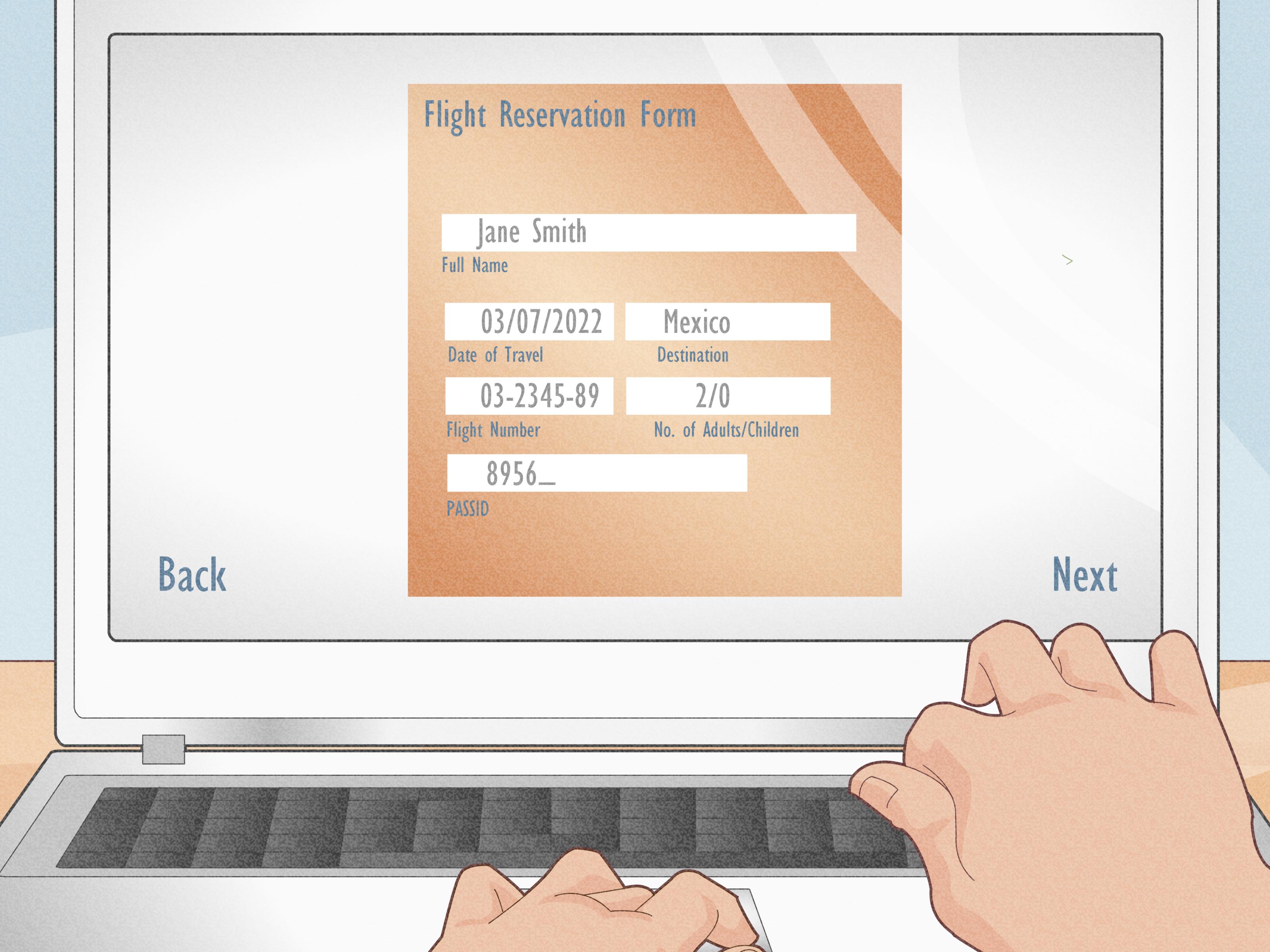
If airport security lines make you question every life choice that led you to Terminal B at 5:12 a.m., a Known Traveler Number can feel like a small miracle. A Known Traveler Number, or KTN, is the number that connects you to expedited screening benefits like TSA PreCheck. In plain English: shorter lines, less shoe-removal drama, and a better chance of keeping your dignity while traveling with a laptop, a carry-on, and a lukewarm coffee.
But here’s where people get tripped up. There is not just one path to getting a KTN. Some travelers apply directly for TSA PreCheck. Others get a PASS ID through Global Entry, NEXUS, or SENTRI and use that number in the Known Traveler Number field when booking flights. That means the “best” way to get a KTN depends on how you travel. Are you mostly flying domestic? Crossing the U.S.-Canada border often? Heading through U.S.-Mexico land crossings? Your travel habits matter more than your optimism.
This guide breaks down the four main ways to get a Known Traveler Number, how each route works, who it fits best, and what kind of real-world experience you can expect. No fluff, no mystery, and no pretending that airport websites are written by poets.
What Is a Known Traveler Number, Exactly?
A Known Traveler Number is the identifier you enter when booking flights so airlines can match your reservation with your approved trusted traveler status. Once that happens correctly, your boarding pass may show the TSA PreCheck indicator, which is your golden ticket to the faster security lane.
That said, not every traveler receives the same type of number in the same way. If you apply through TSA PreCheck directly, you get a KTN tied to that program. If you join Global Entry, NEXUS, or SENTRI, you receive a PASS ID, and that PASS ID is what you use in the Known Traveler Number field on airline reservations.
One more thing that causes unnecessary confusion: a KTN is not the same as a redress number. A redress number is for people who keep getting flagged or delayed because of misidentification issues. A KTN is for approved travelers in expedited screening programs. Mixing them up is a little like showing your library card at the DMV. Both are cards. Neither solves the other problem.
Way #1: Apply Directly for TSA PreCheck
Best for frequent domestic travelers
If most of your trips happen within the United States, this is usually the simplest and most practical route. TSA PreCheck is built for airport security efficiency, not border processing. So if your dream is to keep your shoes on and avoid unpacking your laptop like you’re setting up a tiny office at the checkpoint, this is probably your lane.
The standard process is fairly straightforward. You complete an online pre-enrollment form, schedule or walk into an enrollment center, bring your identity and citizenship or immigration documents, get fingerprinted and photographed, pay the fee, and wait for approval. Once approved, you receive your Known Traveler Number and can start using it when booking flights.
This option makes sense for travelers who fly domestic routes several times a year, take work trips, or simply hate line-based character building. It also tends to be the least complicated option because you are applying specifically for the airport screening benefit you want.
Why choose this route? It is direct, widely useful for domestic air travel, and easier to understand than the border-crossing programs. If you do not need customs perks, this is often the cleanest answer.
Example: A consultant who flies from Chicago to Dallas twice a month probably gets more value from TSA PreCheck than from a more international-focused program. Same faster airport screening, fewer steps, less paperwork.
Way #2: Get Global Entry and Use Your PASS ID as Your KTN
Best for international flyers who re-enter the U.S. often
Global Entry is the overachiever of the group. It is designed for expedited re-entry into the United States after international travel, but it also includes access to TSA PreCheck benefits for eligible members. That means one application can cover customs efficiency and airport security benefits. If TSA PreCheck is a bicycle, Global Entry is a bicycle with a passport and a strong opinion about efficiency.
The application is handled through the Trusted Traveler Programs system. You create an account, submit your application, pay the fee, wait for conditional approval, and then complete the interview process. Once approved, your PASS ID can be entered in the Known Traveler Number field when booking airline tickets.
This is a smart choice if you travel abroad more than occasionally. Even one or two international trips a year can make Global Entry feel worth it, especially when coming home tired, jet-lagged, and not emotionally prepared to stand in another line while staring at a customs poster.
Why choose this route? You get a number you can use for TSA PreCheck purposes, plus you gain expedited customs processing benefits. For many travelers, paying for Global Entry instead of TSA PreCheck alone is the better long-term move.
Example: A family that takes one international vacation every summer and a couple of domestic trips during the year may find Global Entry more useful than TSA PreCheck alone, especially if the adults want smoother re-entry into the U.S.
Way #3: Join NEXUS and Use the PASS ID as Your KTN
Best for travelers who cross between the U.S. and Canada
NEXUS is the specialized option for people who regularly travel between the United States and Canada. If that sounds extremely specific, that is because it is. But for the right traveler, it is excellent. NEXUS is aimed at low-risk travelers moving between the two countries, and eligible members can use their PASS ID in the Known Traveler Number field for air travel benefits as well.
Like Global Entry, NEXUS is managed through the Trusted Traveler Programs system. The process typically includes an application, fee payment, background review, and interview requirements. It is not the casual, “click here and vibes take over” kind of process. It is real paperwork. But if you actually need cross-border convenience with Canada, the extra effort can be worth it.
NEXUS is especially attractive to travelers who live near the northern border, work in both countries, or visit Canada frequently for family or business. For everyone else, it can feel like buying specialized snow tires for a city that gets one flake every three years.
Why choose this route? It is often the best-value option for frequent U.S.-Canada travelers because it is designed for that exact use case and still gives you a number you can use in the Known Traveler Number field when flying.
Example: A consultant based in Seattle who flies to Vancouver often, or a family in upstate New York that crosses into Canada regularly, may get more practical value from NEXUS than from standard TSA PreCheck.
Way #4: Join SENTRI and Use the PASS ID as Your KTN
Best for travelers who cross the U.S.-Mexico border frequently
SENTRI is the border-focused cousin in this lineup. It is built for expedited entry into the United States from Mexico for pre-approved, low-risk travelers. If you cross the southern border regularly, SENTRI can save serious time. And yes, eligible members can also use their PASS ID in the Known Traveler Number field for TSA PreCheck-related airline use.
The process is similar to the other CBP trusted traveler programs: you apply through the official system, pay the fee, wait for review, and complete the necessary enrollment steps. It is not the right fit for every traveler. But if your routine includes frequent border crossings, this option can make your travel life significantly easier.
SENTRI is particularly useful for commuters, frequent visitors, and people whose work or family life has them moving back and forth across the U.S.-Mexico border. If that is not you, this is probably more program than you need.
Why choose this route? It is purpose-built for a specific border-crossing pattern and still gives you a usable PASS ID for the Known Traveler Number field when you book flights.
Example: A business owner who regularly returns to the U.S. through the southern border may find SENTRI far more valuable than a TSA-only option because it solves both airport and border convenience problems.
How to Choose the Right Route
If you are trying to decide which path is right for you, start with one simple question: How do I actually travel most often? Not how you imagine yourself traveling after one motivational YouTube video. How you really travel.
- Mostly domestic flights: TSA PreCheck is usually the easiest answer.
- International travel and U.S. re-entry: Global Entry is usually the strongest overall value.
- Frequent travel between the U.S. and Canada: NEXUS deserves a serious look.
- Frequent travel between the U.S. and Mexico: SENTRI is the specialized winner.
There is also a strategy angle here. Many travelers assume they should buy TSA PreCheck first because it is the most familiar name. But if you already know you travel internationally with some regularity, going straight to Global Entry may be the smarter move. Likewise, if you already qualify through a trusted traveler program, there is no reason to pay again just to get another number for the same booking field.
In other words, pick the program that matches your real life, not the one that sounds cool in a group chat.
Common Mistakes Travelers Make
Applying for the wrong program. This is the biggest one. Some travelers pay for TSA PreCheck, then later realize Global Entry would have better matched how they travel. Others choose a border program they barely need because the name sounds more elite. Your goal is convenience, not collecting acronyms like trading cards.
Forgetting to add the number to airline profiles. Approval alone is not enough. You must add your KTN or PASS ID to your reservation or frequent flyer profile. If you skip that step, the airport will not read your mind. Airlines are impressive, but not psychic.
Typing the wrong name or date of birth. Your reservation details must match your approved profile. Even small mismatches can keep the TSA PreCheck indicator off your boarding pass. This is not the time for nicknames, creative punctuation, or pretending your middle name has never existed.
Assuming there is a physical TSA PreCheck card. There is not a standard TSA PreCheck membership card the way some people expect. Your number is what matters, and your boarding pass indicator is what gets you into the lane.
Confusing a redress number with a KTN. They are not interchangeable. One helps resolve identity-screening issues. The other unlocks expedited screening benefits.
What the Experience Is Actually Like
Here is the part most guides skip: what it feels like to go through the process in the real world.
For TSA PreCheck applicants, the experience usually starts with optimism and a browser tab. You fill out the form, choose an enrollment center, and think, “That wasn’t bad.” Then comes the adulting portion: finding the correct documents, showing up on time, getting fingerprinted, and answering basic questions while trying not to look like someone who loses passports in hotel drawers. The appointment itself is often quick. The waiting is the hard part, mostly because once you know faster security is possible, normal lines suddenly feel personally offensive.
Global Entry feels a bit more serious. There is more of a “government portal” vibe to the process, and the interview step can make it seem like you are auditioning for Responsible Traveler of the Year. But for many people, the real payoff comes after an international trip. You land exhausted, your body thinks it is two time zones away, and instead of staring at a long customs line with the thousand-yard gaze of the recently deplaned, you move through much faster. That is when the application starts to feel very worth it.
NEXUS and SENTRI tend to be the most satisfying for people whose travel patterns fit them perfectly. If you cross the U.S.-Canada or U.S.-Mexico border often, these programs do not feel like luxury perks. They feel like sanity-preserving tools. The best experience is not dramatic; it is practical. Less waiting. Less repetition. Less “why is this taking forever?” energy.
Then there is the moment of truth for every program: booking a flight. You finally have your KTN or PASS ID, you enter it in your airline profile, and then you stare at your boarding pass like it is exam results day. If the TSA PreCheck indicator appears, it feels absurdly rewarding for something that is basically a line-management upgrade. But anyone who has sailed through security while everyone else is unlacing boots knows the feeling is real.
There can still be hiccups. Sometimes the number is entered incorrectly. Sometimes the reservation information does not match perfectly. Sometimes travelers forget to update a profile and only notice at the airport, which is like realizing you left your umbrella at home just as the storm begins. The good news is that these issues are usually fixable once you know what to check: your name, your date of birth, your airline profile, and the number itself.
Most importantly, getting a Known Traveler Number is not about feeling fancy. It is about reducing friction in a part of travel that is almost always more annoying than anyone wants to admit. A good travel perk does not have to be glamorous. Sometimes it just needs to let you keep your shoes on and preserve your last ounce of patience before Gate 24.
Final Thoughts
There are four main ways to get a Known Traveler Number, and the right one depends on how you move through the world. TSA PreCheck is ideal for frequent domestic flyers. Global Entry is the strongest all-around option for many international travelers. NEXUS is tailor-made for regular U.S.-Canada travel, and SENTRI is the better fit for frequent U.S.-Mexico border crossings.
The smartest move is not chasing the most famous program. It is choosing the one that matches your actual travel habits, then making sure your approved number is correctly added to your airline reservations and travel profiles. Do that, and your next airport experience may involve less stress, less unpacking, and fewer opportunities to wonder why belts became such a major part of modern aviation.