Meeting a stray dog can tug on every string in your heart. One minute you are walking home with a coffee, and the next you are whispering, “Hello, buddy,” to a nervous dog hiding behind a parked car like a tiny furry detective. But before you rush in with heroic music playing in your imagination, remember this: gaining the trust of a stray dog is not about being fast, brave, or dramatic. It is about being calm, patient, observant, and safe.
A stray dog may be lost, abandoned, injured, hungry, frightened, or simply overwhelmed by traffic, people, noises, and unfamiliar smells. Even a sweet dog can bite if they feel trapped. That does not make the dog “bad.” It means the dog is scared. Your job is not to force a friendship. Your job is to make yourself look like the least threatening thing in the environment. Basically, be the opposite of a vacuum cleaner.
This guide explains four practical ways to gain the trust of a stray dog while protecting yourself, the dog, and nearby people. You will learn how to read dog body language, approach safely, use food wisely, build confidence through patience, and know when to call animal control or a local shelter. Trust is not a leash you throw over a dog. It is a bridge you build one quiet moment at a time.
Before You Approach: Safety Comes First
The first rule of helping a stray dog is simple: do not become the second emergency. If the dog is running through traffic, acting aggressively, appearing severely injured, foaming at the mouth, staggering, or guarding puppies or food, keep your distance and call local animal control, a humane society, or a nearby shelter. Professionals have the equipment and training to handle dangerous or high-stress situations.
Also consider your surroundings. Are you near a busy road? Is the dog cornered? Are children gathering? Are other dogs nearby? A frightened stray may bolt if chased or surrounded. If possible, reduce noise, ask bystanders to step back, and avoid creating a crowd. A calm environment helps the dog think clearly. A crowd of excited humans saying “Awwww!” may be adorable to us, but to a scared dog it can feel like a flash mob with bad intentions.
1. Read the Dog’s Body Language Before Making a Move
The best way to gain the trust of a stray dog is to listen with your eyes. Dogs speak through posture, movement, facial expressions, tail position, ears, and tension. If you understand what the dog is saying, you are less likely to push too hard and break trust before it even begins.
Signs the Dog May Be Fearful
A fearful stray dog may crouch low, tuck the tail, pin the ears back, lick the lips, yawn repeatedly, tremble, freeze, look away, avoid eye contact, or keep shifting weight as if deciding whether to run. Some dogs show the whites of their eyes, often called “whale eye.” Others may turn their body sideways or try to hide.
These signs are not invitations to move closer. They are polite canine requests for space. Think of them as the dog saying, “I am not ready for this meeting, and I did not approve the calendar invite.”
Signs You Should Stop or Back Away
Growling, snarling, stiff posture, a hard stare, raised hackles, lunging, snapping, or showing teeth are serious warning signs. Do not punish or scold a growl. A growl is useful information; it tells you the dog feels unsafe before a bite happens. If the dog gives a warning, respect it. Stop moving forward, avoid direct eye contact, and slowly create more distance.
Signs the Dog May Be Open to Help
A dog who is curious but cautious may sniff the air, glance toward you and away, hold a loose body, wag gently at a neutral height, or take a few steps forward and then pause. This does not mean you should reach out immediately. It means you can continue being calm and let the dog choose the pace.
2. Approach Slowly, Sideways, and Without Pressure
Humans often greet each other face-to-face. Dogs do not always love that, especially when they are scared. A direct approach can feel threatening. To gain a stray dog’s trust, soften your body language. Turn your body slightly sideways, keep your movements slow, and avoid staring directly into the dog’s eyes.
Do not run toward the dog. Do not bend over them. Do not reach over their head. Do not grab at their collar. These actions can trigger panic. Instead, make yourself smaller by crouching or sitting at an angle, but only if it is safe and you can stand up calmly if needed. Keep your hands relaxed and visible. Speak in a low, gentle voice.
Let the Dog Come to You
The golden rule is this: invitation beats invasion. Let the dog decide whether to approach. You can toss food gently near the dog, then a little closer to you, but avoid luring the dog so close that they suddenly realize they feel trapped. Trust grows when the dog learns that moving toward you does not cause pressure.
If the dog backs away, pause. If they move closer, stay calm. If they sniff you, resist the urge to throw a celebration parade. Allow the sniff. Keep your body loose. Many dogs need several rounds of approach, retreat, sniff, and reconsider before they feel safe.
Use Your Voice Like a Blanket, Not a Siren
Your voice can help or hurt. A soft, steady tone can reassure a nervous dog. Loud squealing, shouting, or repeating commands may increase stress. Avoid yelling “Come here!” as if the dog missed a work meeting. Instead, try simple phrases such as “Good dog,” “You’re okay,” or “Easy, buddy.” The words matter less than the tone.
3. Use Food and Water to Build Positive Association
Food can be one of the fastest ways to build trust with a stray dog, but it should be used thoughtfully. Strong-smelling foods such as wet dog food, plain cooked chicken, or soft treats can get a hungry dog’s attention. Place food on the ground rather than offering it from your hand at first. Hand-feeding too soon puts your fingers close to a nervous mouth, and your fingers probably have plans for the rest of the week.
Create a Safe Food Trail
Start by tossing food away from your body and slightly to the side of the dog. This helps the dog eat without feeling cornered. If the dog accepts the food and remains calm, toss the next piece a little closer. Move slowly. You are not trying to win a speed contest. You are teaching the dog that your presence predicts good things and no pressure.
Water is also helpful, especially in hot weather. Place a bowl nearby and step back. A dehydrated dog may desperately need water but still be too afraid to approach while you are standing over the bowl like a security guard at a nightclub.
Avoid Foods That Can Harm Dogs
Do not offer chocolate, grapes, raisins, onions, garlic-heavy foods, alcohol, or anything spicy. Avoid bones that can splinter. If you do not have dog-safe food, plain cooked meat without seasoning is usually better than processed snacks. When in doubt, keep it simple.
Do Not Use Food to Trick the Dog Into Panic
Food should reduce fear, not create a trap. If you lure the dog close and suddenly grab them, the dog may learn that humans are sneaky. That can make future rescue harder. If the dog is comfortable enough to be leashed, move gently. If not, keep feeding, keep waiting, and call for help if safe containment is not possible.
4. Build Trust Through Patience, Routine, and Safe Containment
Some stray dogs warm up in minutes. Others need hours, days, or longer. A dog who has been neglected, chased, injured, or punished may need more time to believe that people can be safe. Patience is not a bonus skill here; it is the whole recipe.
If the Dog Is Staying in One Area
If the dog is hanging around your yard, workplace, or neighborhood, create a predictable routine. Put food and water in the same quiet place at the same time each day. Stay nearby at a respectful distance. Over time, gradually decrease the distance only if the dog remains relaxed.
Predictability is powerful. A scared dog does not need surprises. They need a calm pattern: food appears, human sits quietly, nothing bad happens. Repeat that enough times and the dog may begin to choose contact.
If the Dog Allows Handling
If the dog willingly approaches, has loose body language, and seems comfortable, you may be able to slip a leash over them or guide them into a fenced area, crate, car, or garage. Move slowly and avoid dragging. A leash can feel frightening to a dog who has never worn one or who associates restraint with bad memories.
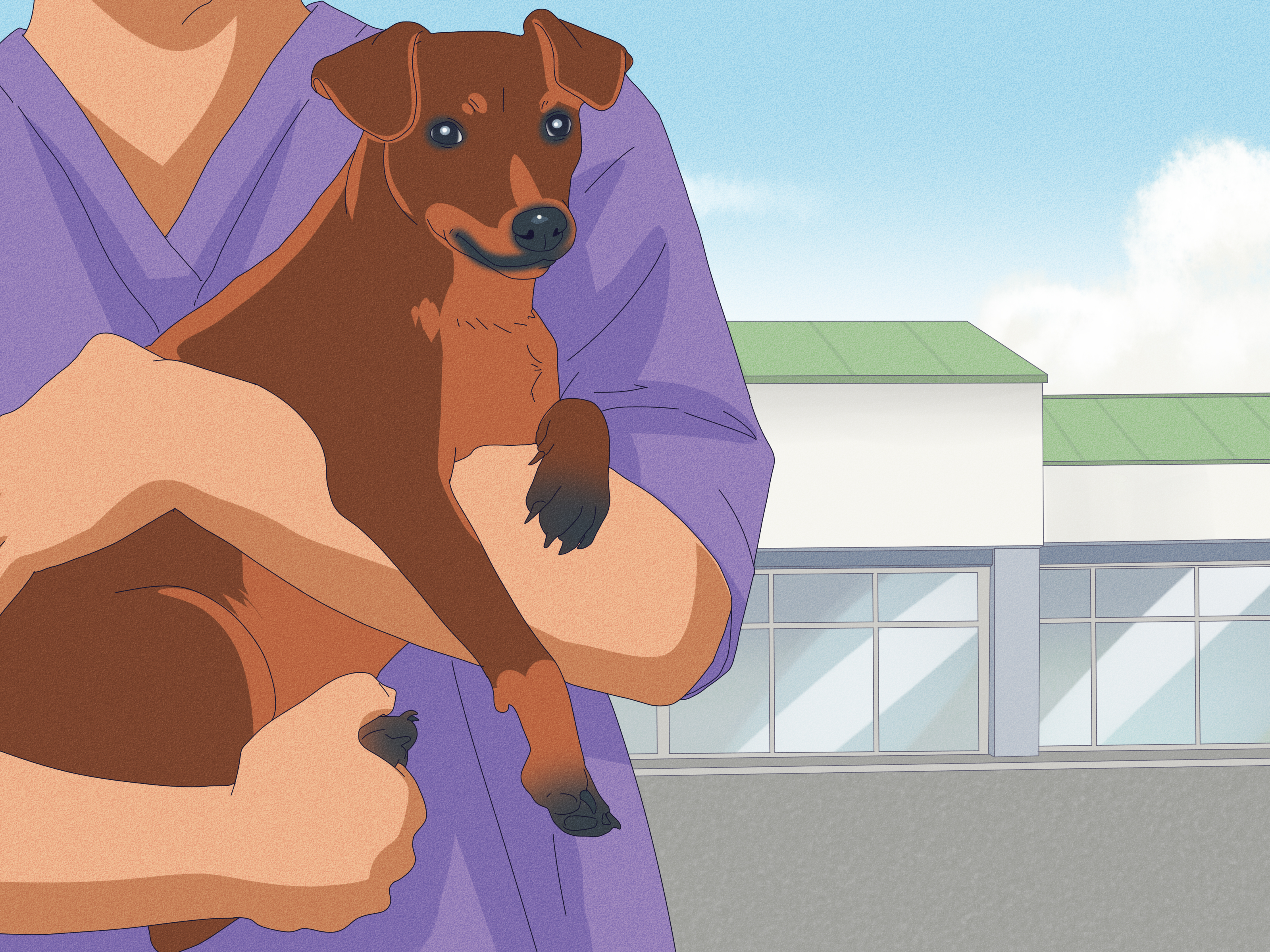
Once the dog is safely contained, check for an ID tag. If there is no tag, contact a shelter, veterinarian, or animal control agency to scan for a microchip. Many “stray” dogs are actually lost pets with families searching for them. File a found-pet report with local shelters and follow local laws before assuming the dog is yours to keep.
If the Dog Is Too Scared to Catch
Do not chase. Chasing a stray dog can push them into traffic, deeper into hiding, or farther from the area where their owner may be searching. Instead, call local animal control or a rescue group experienced with humane trapping. In many cases, the safest rescue happens with a plan, a feeding station, and proper equipment.
Common Mistakes That Break a Stray Dog’s Trust
Even kind people make mistakes when emotions take over. The most common mistake is moving too quickly. Another is assuming a wagging tail always means friendliness. Tail wagging can mean excitement, stress, uncertainty, or arousal. Look at the whole body, not just the tail.
Avoid cornering the dog, reaching over the head, hugging, picking up a medium or large dog, forcing eye contact, or letting children crowd around. Also avoid letting your own dog rush up to the stray. Your dog may be friendly, but the stray dog did not ask for a surprise roommate interview.
What to Do After You Gain the Dog’s Trust
Gaining trust is only the first step. The next step is responsible action. If you can safely contain the dog, keep them separated from your pets until a veterinarian or shelter can assess health, vaccination status, parasites, and behavior. Wash your hands after contact. If you are bitten or scratched, wash the wound thoroughly and seek medical advice promptly.
Report the found dog to local shelters, animal control, and lost-pet groups. Take clear photos. Note the location, date, and any identifying features. A microchip scan is essential because collars and tags can fall off. Reuniting a lost dog with their family is one of the happiest endings possible, even if you have already named the dog Sir Biscuit McFluff and emotionally planned matching sweaters.
When to Call a Professional Immediately
Call animal control, a shelter, or a rescue organization if the dog is injured, aggressive, trapped, near traffic, guarding puppies, extremely fearful, or impossible to approach safely. You should also call if the dog appears sick, disoriented, or unusually bold in a way that seems abnormal. Keeping distance in these situations is not a lack of compassion. It is smart rescue behavior.
Real-Life Experience: What Gaining a Stray Dog’s Trust Often Feels Like
Anyone who has tried to help a stray dog knows the experience is rarely like the movies. In movies, the dog looks into the hero’s eyes, trots over, and instantly becomes a loyal sidekick. In real life, the dog often stares at you from under a truck while you crouch on the sidewalk holding a piece of chicken and questioning every life choice that led to this moment.
One of the most important lessons is that progress can look tiny. The first win might not be touching the dog. It might be the dog eating food after you step back ten feet. The next win might be the dog staying in sight instead of running away. Later, the dog may sniff the air near you, take two steps closer, then retreat. That is still progress. Trust is not always dramatic. Sometimes it arrives quietly, wearing dusty paws and a suspicious expression.
A helpful mindset is to stop thinking, “How do I catch this dog right now?” and start thinking, “How do I help this dog feel safer than they felt five minutes ago?” That shift changes everything. You stop rushing. Your shoulders relax. You stop reaching. You notice the small signals: the ears softening, the tail lowering from stiff alertness, the dog choosing to stay nearby. Those details tell you whether your approach is working.
Another real-world lesson is that food is useful, but patience is the true magic trick. Food may bring the dog closer, but patience keeps the dog from panicking. If you toss a treat and immediately step forward, you may undo the good you just created. If you toss a treat and wait, the dog learns they can make choices around you. Choice is comforting to fearful animals. It tells them they are not trapped.
People also learn quickly that their own emotions matter. Feeling sorry for the dog is natural. Feeling excited when the dog approaches is natural too. But big emotions can lead to big movements, and big movements can scare a stray dog. The calmer you are, the more trustworthy you appear. In a strange way, helping a stray dog teaches you to become boring in the best possible sense. Calm voice. Slow hands. Sideways body. No sudden heroics.
There is also a bittersweet part of the experience. Sometimes the dog you help already has a family. After a microchip scan or found-pet report, the owner may appear, relieved and grateful. You may feel attached after spending time earning that dog’s trust, but reunion is a beautiful outcome. Helping does not always mean keeping. Sometimes it means being the safe middle chapter between “lost” and “home.”
And sometimes, when no owner is found and adoption becomes possible through the proper legal and shelter process, the trust you built becomes the beginning of a new life. The dog who once trembled behind a dumpster may one day nap on a couch, steal your blanket, and look personally offended when dinner is three minutes late. That transformation is not instant, but it is unforgettable.
Conclusion
Learning how to gain the trust of a stray dog is really learning how to respect fear. The four essentials are simple: read the dog’s body language, approach slowly without pressure, use food and water wisely, and build trust through patience and safe containment. The goal is not to prove that you are a dog-loving superhero. The goal is to help the dog feel safe enough to make better choices.
Some dogs will approach. Some will need professional help. Some will turn out to be beloved lost pets. In every case, calm behavior and good judgment matter. When you combine compassion with caution, you give a stray dog the best chance at safety, care, and maybe even a happy ending with a squeaky toy involved.