Note: This is original, publish-ready HTML content written in standard American English and synthesized from real background information about Microsoft Paint, webcomics, digital comics culture, and creator experiences.
Introduction: The Tiny Program That Could
There are two kinds of people in the world: people who see Microsoft Paint as a basic drawing app, and people who look at that blank white canvas and think, “Yes, this is where nonsense becomes art.” The second group is my favorite group. They are the brave pixel wranglers, the mouse-dragging philosophers, the digital doodlers who understand that creativity does not always arrive wearing a beret and carrying a $900 drawing tablet.
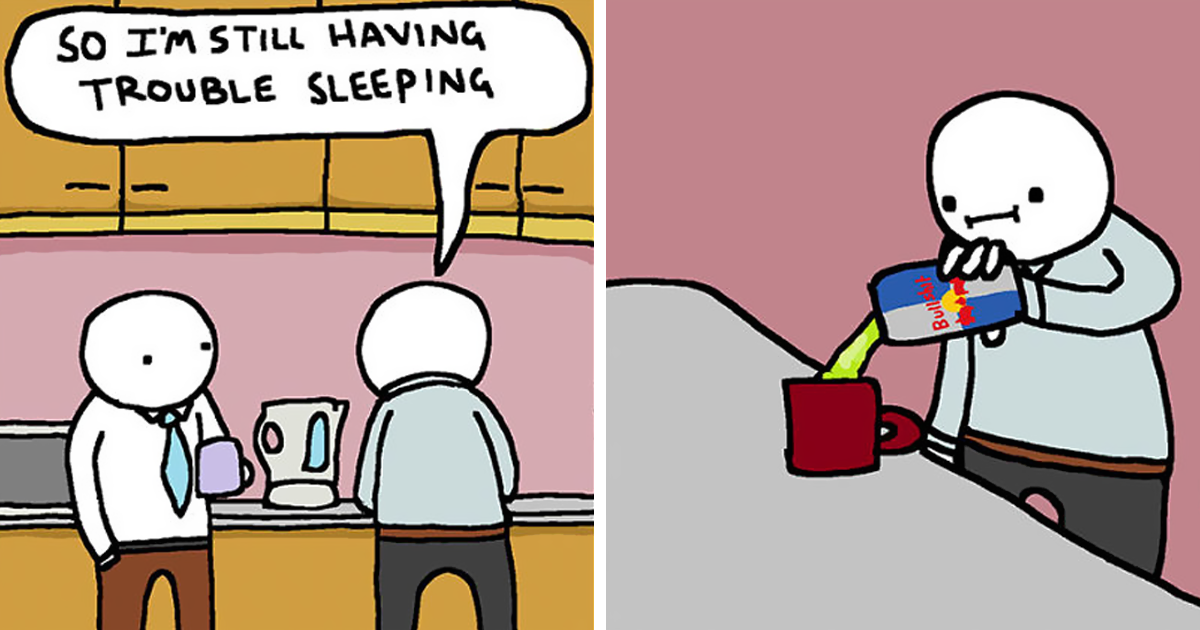
“34 Comics That I Made In Microsoft Paint” is a celebration of simple tools, weird humor, and the charmingly awkward beauty of webcomics created without fancy software. In a world full of polished illustrations, hyper-detailed character designs, and apps with enough menus to qualify as a small airport, Microsoft Paint offers something oddly refreshing: limitations. And limitations, when handled with imagination, can become a secret superpower.
Microsoft Paint has long been known for quick sketches, basic image edits, shapes, text, color fills, and the classic pencil tool. Newer versions of Paint in Windows 11 have added features like layers, transparency, background removal, and AI-powered image creation, but the heart of Paint remains the same: open it, draw something, laugh at what just happened, and maybe turn that chaos into a comic.
That is exactly why Microsoft Paint comics have such a loyal fan base. They feel human. They are not trying too hard. Their charm comes from timing, awkward faces, blunt punchlines, and the fact that a circle with two dots can somehow communicate an existential crisis better than a 4K cinematic trailer.
Why Microsoft Paint Works So Well for Comics
At first glance, Microsoft Paint seems like the wrong tool for making comics. It does not have the professional comic templates of Clip Studio Paint, the brush engines of Photoshop, or the panel-building systems found in specialized illustration software. But that is exactly what makes it interesting. Paint removes the temptation to overcomplicate everything.
When you create comics in Paint, you are forced to focus on the essentials: the joke, the timing, the characters, and the visual rhythm. You cannot hide behind cinematic lighting or twelve layers of magical fog. If the punchline does not land, no amount of gradient fill will save you. Paint is brutally honest like that. It is basically the friend who tells you your haircut looks like a confused mushroombut lovingly.
Simple Tools Encourage Faster Ideas
The best webcomics often begin with small observations: an awkward social moment, a pet doing something suspicious, a typo that becomes a personality, or a thought that appears at 2 a.m. and refuses to leave. Microsoft Paint is perfect for capturing those ideas quickly. You can draw panels, add text, adjust a face, and export the comic without spending half the day adjusting brush stabilization settings.
That speed matters. Online comics thrive on momentum. A creator who can produce consistently has a better chance of building an audience, especially on platforms where readers scroll quickly and decide within seconds whether something is worth sharing. A simple Microsoft Paint comic can be finished before a more complex illustration has even finished loading its reference files.
Rough Art Can Be Part of the Joke
Some comics are funny because they are beautifully drawn. Paint comics are often funny because they look slightly unwellbut in a lovable way. A wobbly line, a rectangular dog, or a character with eyes pointing in mildly different directions can make the humor stronger. The art style becomes part of the voice.
This is especially true in absurd, deadpan, and darkly quirky comics. A polished style might make the joke feel too deliberate. A rough Paint style makes it feel spontaneous, as if the comic crawled out of someone’s brain, blinked twice, and said, “I have a thought.”
The Webcomic Spirit: Low Barrier, High Personality
Webcomics have always been friendly to independent creators. Long before social media feeds became crowded with square panels and relatable jokes, artists were publishing comics online through personal websites, forums, blogs, and early internet communities. Over time, webcomics became a space where creators could experiment without waiting for approval from publishers, editors, or anyone wearing a very serious blazer.
That independent spirit fits perfectly with Microsoft Paint. Paint is accessible, familiar, and unintimidating. For many creators, it is already sitting on the computer, waiting quietly like a digital sandwich. You do not need to buy anything, configure a workspace, or watch fifteen tutorials just to draw a stick figure having a bad day.
The result is a kind of comic that feels direct. Paint comics often prioritize personality over polish. They can be silly, sarcastic, wholesome, strange, or mildly cursed. The style says, “I had an idea, I made it, and now it is your problem.” That confidence is part of the appeal.
Why Readers Love Minimalist Webcomics
Readers respond to minimalist comics because they are easy to understand and quick to enjoy. A four-panel comic can tell a complete story in seconds. It can set up a situation, twist the expectation, and deliver a punchline before the reader has finished pretending they are “just checking one thing” on their phone.
Minimalist comics also invite readers to project themselves into the scene. When a character is drawn simply, it becomes more universal. A round-headed person in a Paint comic can be anyone: your coworker, your cat’s emotional support human, or you after opening your inbox on Monday morning.
What Makes These 34 Microsoft Paint Comics Stand Out?
A collection titled “34 Comics That I Made In Microsoft Paint” immediately promises something specific: not a glossy superhero saga, not a dramatic fantasy epic, but a set of punchy, accessible, internet-ready comics made with a tool many people used as kids. That nostalgia is powerful. Microsoft Paint is familiar to millions of people, and seeing it used creatively brings back memories of drawing terrible houses, suspicious suns, and stick figures with alarming proportions.
But nostalgia alone is not enough. The comics need to work. A good Paint comic usually has three core ingredients: a recognizable situation, a surprising turn, and a visual style that enhances the joke instead of distracting from it.
1. Relatable Situations
The strongest comics usually begin with something ordinary. A person wants food. A pet behaves like a tiny criminal. Someone misunderstands a phrase. A character tries to be productive and immediately loses a battle against their own brain. These scenarios work because readers already understand them.
Microsoft Paint comics are especially good at turning everyday moments into ridiculous mini-stories. A simple character standing in an empty panel can be funny if the expression, timing, and dialogue are sharp enough. The emptiness becomes comedic space. The awkward pause becomes the punchline.
2. Unexpected Punchlines
Great webcomics do not need long explanations. They need a clean setup and a satisfying twist. Sometimes the twist is absurd. Sometimes it is dark. Sometimes it is just painfully accurate. The reader should feel that little mental click: “Oh no, I understand this too well.”
In Paint comics, the punchline often lands harder because the visual style is so plain. The simplicity lowers the reader’s defenses. Then the final panel arrives with a strange face, a blunt sentence, or a tiny visual gag hiding in the corner, and suddenly the whole comic works.
3. A Consistent Comic Voice
The best Microsoft Paint comics are not random doodles thrown together. They have a rhythm. The creator develops a recognizable sense of humor, recurring visual habits, and a tone that readers can identify. That tone might be silly, cynical, wholesome, awkward, or wonderfully unhinged.
Consistency does not mean every comic looks identical. It means the reader begins to trust the creator’s comedic instincts. When a new comic appears, the audience knows they are entering a familiar little universe where strange things happen and rectangles occasionally have feelings.
The Charm of Bad Lines and Good Timing
Professional artists often spend years improving anatomy, perspective, lighting, and composition. Those skills are valuable. But comics are not only about drawing well. They are about communication. A comic with perfect anatomy and weak timing can feel lifeless. A comic with crude drawings and perfect timing can become unforgettable.
Microsoft Paint comics prove this again and again. A shaky line can communicate panic. A badly drawn hand can become a personality trait. A flat background can make the dialogue feel funnier. The roughness gives the comic a handmade quality, like a joke written on a napkin and somehow mailed to the entire internet.
Timing is especially important. In comics, timing is controlled by panel spacing, expression changes, dialogue placement, and what the creator chooses not to show. A blank stare in the final panel can say more than a paragraph. A tiny pause before the punchline can turn a simple joke into a full emotional event.
Panel Structure Matters
Many online comics use three or four panels because the format is compact and easy to share. The first panel sets the scene. The second develops the expectation. The third or fourth breaks it. This structure works well on websites, Instagram-style feeds, and mobile screens.
Microsoft Paint makes this structure easy to build. Rectangles become panels. Text boxes become dialogue. Copy-and-paste becomes animation for people who do not want to animate. A character can stand in the same position for three panels and then change one eyebrow in the fourth. That eyebrow, if used correctly, deserves an award.
Microsoft Paint as a Creative Constraint
Creative constraints are not obstacles; they are weird little coaches. They force decisions. Paint limits the creator’s options, which can actually make the comic stronger. Instead of asking, “Which of these 800 brushes should I use?” the creator asks, “What is the funniest way to draw this potato-shaped man realizing he has made a terrible mistake?” That is a better question.
Constraints also create style. The limited tools of Paint encourage bold shapes, clear silhouettes, simple expressions, and direct storytelling. These qualities are excellent for webcomics. Readers do not need to zoom in or decode complex visuals. They can immediately understand the scene and focus on the joke.
Why “Basic” Does Not Mean “Bad”
One of the biggest myths about digital art is that better software automatically creates better work. It does not. Better software gives artists more options, but options are not the same as ideas. A boring comic made in expensive software is still a boring comic. It just has nicer shadows.
Microsoft Paint reminds creators that the idea comes first. If the joke is strong, the character is expressive, and the pacing is sharp, readers will not care that the background is a blue rectangle named “sky.” They may even prefer it.
How to Make Better Comics in Microsoft Paint
Anyone can open Paint and start drawing, but making comics that people want to read takes practice. The good news is that practice in Paint is fun, quick, and relatively painless unless your mouse hand starts filing complaints.
Start With the Joke Before the Art
Before drawing, write the idea in one or two sentences. What is the situation? What changes by the final panel? Why is it funny, strange, or relatable? If the idea is not clear in text, it may become even more confusing once several oval-headed characters are staring into the void.
Use Simple Character Designs
Simple characters are easier to redraw and easier for readers to recognize. A few consistent featureshair shape, color, outfit, or facial expressioncan make a character memorable. Do not underestimate the power of a good dot eye. Dot eyes have carried entire civilizations of webcomics.
Keep Text Short
In webcomics, long dialogue can slow the rhythm. Short lines usually land better. Let the visuals help. If a character looks horrified, you may not need three sentences explaining that they are horrified. One small “oh no” might do the job.
Make the Final Panel Count
The last panel is where the comic earns its snack. It should deliver the twist, emotional beat, or funniest image. Sometimes the final panel is loud. Sometimes it is silent. Sometimes it is just a character staring at the reader as if both of you are now legally responsible for what happened.
Save Clean Copies
Even when working in a simple program, organization matters. Save editable versions when possible, export web-friendly images, and keep a folder system for finished comics. Future you will be grateful. Future you is already tired.
Why These Comics Feel So Internet-Native
Microsoft Paint comics belong naturally to internet culture because they are fast, visual, and personality-driven. They do not require a long introduction. A reader can understand the setup instantly, laugh, share it, and move on. That makes them ideal for social platforms, community sites, and humor blogs.
The web has always rewarded creators who can turn small observations into shareable moments. Paint comics do this beautifully. They are not trying to imitate print comics. They are built for screens, scrolling, and quick emotional reactions. A good Paint comic can be consumed during a coffee break, a lunch break, or the three seconds before someone pretends to work again.
They also feel democratic. When readers see a comic made in Paint, they may think, “I could try that.” That feeling is important. Art becomes less intimidating when the tools are familiar. Not everyone will become a professional cartoonist, but many people can experience the joy of making a tiny character say something ridiculous in a speech bubble.
The Humor Style: Absurd, Relatable, and Slightly Chaotic
The best Microsoft Paint comics often live in the sweet spot between relatable humor and absurd surprise. They may start with a normal situation and then take one step sideways into nonsense. That sideways step is where the magic happens.
For example, a comic might begin with someone asking for life advice. Instead of receiving wisdom, they receive advice from a duck with suspicious confidence. Another comic might show a pet misunderstanding human behavior in a way that feels more logical than the human behavior itself. The humor comes from treating absurdity as normal.
This approach works especially well with simple drawings. A realistically painted duck offering financial advice might look unsettling. A Microsoft Paint duck doing it looks like an internet citizen with a LinkedIn account and no fear.
Dark Humor Without Losing Playfulness
Some Paint comics also use dark or dry humor, but the simple art style softens the edge. A bleak thought drawn with goofy lines can feel less heavy and more cathartic. It gives readers permission to laugh at uncomfortable truths without feeling trapped inside them.
That balance is difficult. Too dark, and the comic stops being fun. Too silly, and the joke loses bite. The strongest comics understand tone. They know when to be weird, when to be blunt, and when to let a tiny expression do all the emotional damage.
What Creators Can Learn From 34 Microsoft Paint Comics
The biggest lesson is simple: start with what you have. You do not need perfect tools to make something worth sharing. You need ideas, consistency, and the willingness to make imperfect things in public. That last part is scary, but it is also how creative growth happens.
Many creators wait too long because they believe they need better equipment, more training, or a fully developed style. But style often develops through making things, not before making things. A collection of 34 comics is not just a gallery; it is evidence of practice. Each comic teaches something about pacing, expression, layout, or audience reaction.
Another lesson is that humor is a craft. Funny ideas may appear randomly, but turning them into readable comics takes editing. You choose the setup, cut unnecessary words, adjust the panel order, and test whether the final beat lands. The rough art may look casual, but the structure underneath still matters.
Audience Connection Matters
Webcomic audiences often become attached not only to the jokes but also to the creator’s voice. Readers return because they recognize the humor. They enjoy the recurring style, the odd worldview, and the feeling that each comic came from a real person rather than a content machine.
That connection is valuable. It turns a one-time laugh into a following. It also encourages creators to keep going, which is essential because not every comic will be a masterpiece. Some will flop. Some will wobble. Some will look at you from the folder and whisper, “Why did you draw me?” That is normal. Keep making comics anyway.
Extra Experience: What It Feels Like to Make Comics in Microsoft Paint
Making comics in Microsoft Paint feels a little like cooking dinner with only three ingredients and somehow ending up with soup, cake, and a small emotional breakthrough. The program is simple, but that simplicity creates a strange kind of freedom. You stop worrying about whether the brush texture is perfect and start asking whether the joke is actually funny. That shift is refreshing.
The first experience most creators have in Paint is usually messy. Lines go where they want. Circles refuse to become circles. Text boxes behave like tiny bureaucrats. You try to move one object and accidentally drag half the universe with it. But after a while, the awkwardness becomes familiar. You learn shortcuts. You discover little workarounds. You realize that a copy-pasted face with one changed eyebrow can create an entire emotional arc.
One of the best parts of making Paint comics is how quickly an idea can become visible. Suppose you think of a joke about a person trying to meditate while their brain lists every embarrassing thing they have done since 2009. In a more advanced program, you might spend time setting up layers, brushes, and canvas presets. In Paint, you can draw a rectangle, add a character, type “inner peace,” then surround them with chaotic thought bubbles. Ten minutes later, the comic exists. Is it elegant? Maybe not. Is it alive? Absolutely.
Paint also teaches you to be economical. You cannot rely on fancy effects, so every line has to serve the joke. A character’s posture matters. The size of a speech bubble matters. Even empty space matters. A tiny figure standing alone in a huge blank panel can be funnier than a detailed background because the emptiness becomes part of the mood. It says, “This person is alone with their choices, and frankly, the room is judging them.”
Another experience that comes with Paint comics is the joy of accidental style. You may start out trying to draw “properly,” then realize your slightly crooked characters are more expressive than the polished version. The uneven lines become recognizable. The awkward proportions become charming. The limitations stop feeling like flaws and start feeling like a signature. That is when the comics begin to feel personal.
There is also a practical advantage: Paint makes it easier to finish. Finishing is underrated. Many creative projects die because they become too large, too complicated, or too precious. Paint lowers the pressure. A comic can be simple and still complete. That sense of completion builds confidence, and confidence leads to more comics.
Audience feedback can be surprising too. Readers often do not care that the art was made in a basic program. They care whether the comic made them laugh, nod, or send it to a friend with the message, “This is you.” Sometimes the roughness even makes the comic more shareable because it feels honest and approachable. It looks like something created by a person with an idea, not a committee with a branding deck.
After making enough comics, you begin to notice patterns. Some jokes need fewer words. Some expressions work better when exaggerated. Some panels are funnier when nothing happens. You learn that silence can be a punchline. You learn that a character staring directly at the reader is basically a comedic emergency button. You learn that Microsoft Paint, despite being simple, can hold a surprising amount of personality.
Most importantly, making comics in Paint reminds you that creativity is not reserved for people with perfect tools. It belongs to anyone willing to open a blank canvas and make something weird, funny, sincere, or beautifully dumb. And honestly, beautifully dumb is one of the internet’s finest art forms.
Conclusion: Small Program, Big Personality
“34 Comics That I Made In Microsoft Paint” is more than a funny title. It represents a creative attitude: use what you have, keep the idea clear, and let personality do the heavy lifting. Microsoft Paint may be basic, but basic can be powerful. Its limits encourage speed, clarity, and a distinctive kind of humor that fits perfectly into webcomic culture.
Whether the comics are absurd, relatable, darkly funny, or simply strange in the best possible way, they prove that good storytelling does not need expensive software. It needs timing, voice, and the courage to draw a character that looks like a potato experiencing moral conflict.
For new creators, Paint comics are a reminder to stop waiting for ideal conditions. Open the program. Draw the panel. Write the joke. Export the file. Share the weird little thing. The internet has room for polished masterpieces, but it also has room for wobbly lines, blunt punchlines, and comics made with the humble tool that has been sitting on Windows computers like a quiet creative goblin for decades.