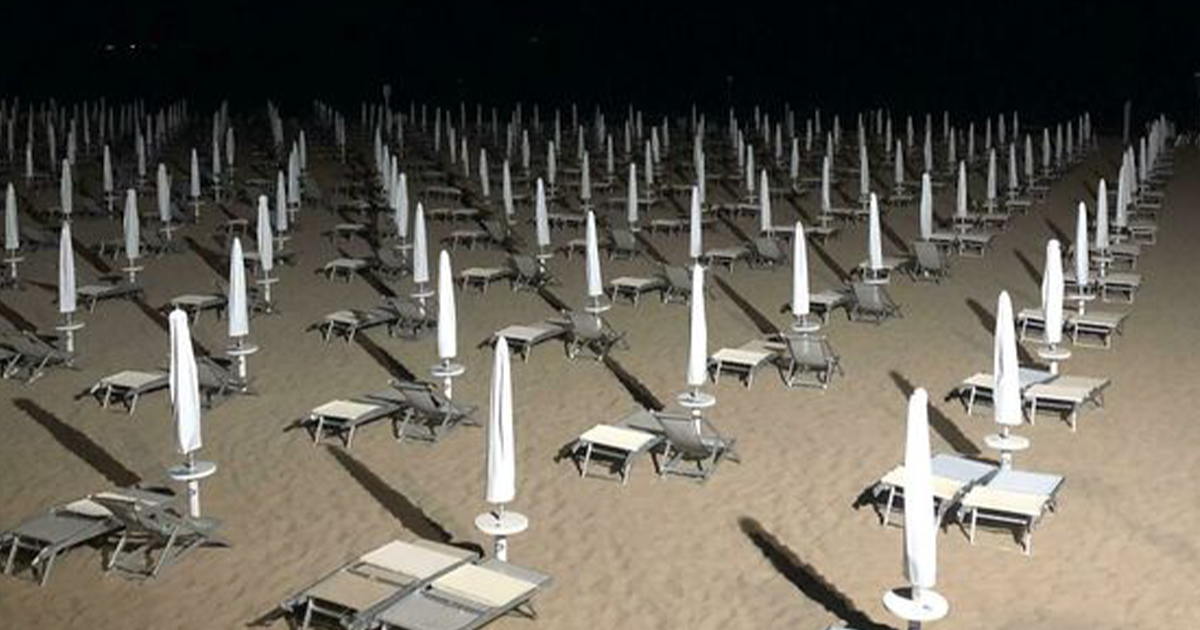
Some photos do not scream. They whisper. They show an empty hallway, a silent hotel pool, a mall corridor after closing time, or a school stairwell lit by fluorescent bulbs that clearly have not had a good night’s sleep since 1998. Nothing is technically wrong, and yet your brain immediately grabs a tiny flashlight and says, “We should investigate, but respectfully, from a distance.”
That is the strange magic of liminal spaces. These are places caught between one purpose and another: airports, staircases, waiting rooms, parking garages, vacant offices, roadside motels, dead malls, empty playgrounds, and the kind of carpeted corridor that makes you remember a vacation you may never have taken. They can feel peaceful, nostalgic, dreamlike, or deeply unsettling. Sometimes they are oddly comforting. Sometimes they feel like a ghost is about to ask whether you validated parking.
The title “33 Pics Of Liminal Spaces That You May Find Oddly Comforting Or Oddly Creepy” taps into a huge online fascination with liminal space pictures, creepy empty places, and the Backrooms aesthetic. These images have spread through Reddit, TikTok, meme culture, horror films, photography pages, and design conversations because they capture a mood that is hard to name but instantly recognizable: the feeling of being in-between.
What Are Liminal Spaces?
The word “liminal” comes from the idea of a threshold. In everyday terms, a liminal space is a place or moment between what was and what comes next. It is the hallway before the hotel room, the airport gate before the flight, the empty classroom before the bell, the parking lot after the store closes, or the hallway in a childhood friend’s apartment building that somehow lives rent-free in your memory.
In anthropology and psychology, liminality has long described transitional periods: moving away from home, starting a new job, recovering after a major life change, or standing between old identity and new reality. Online, however, the term has developed a visual personality. A liminal space photo usually shows a familiar place stripped of its usual context. No people. No clear action. No obvious story. Just a space waiting for something to happen.
That absence is everything. A school hallway is normal when students are rushing to class. Empty at night, it becomes a stage after the play has ended. A swimming pool is cheerful when families are splashing around. Empty, blue, and echoing under artificial lights, it becomes a portal to memories, dreams, and possibly a very polite monster.
Why Do Liminal Space Pictures Feel Creepy?
Liminal spaces feel eerie because they interrupt the brain’s expectations. We know what a mall, hotel, office, or airport should contain. People. Noise. Movement. Background chatter. A suspiciously expensive pretzel. When those familiar signs disappear, the place becomes recognizable but incomplete. It is not totally alien, which would be easy to categorize. It is almost normal, and “almost” is where the weirdness lives.
That is why many people describe liminal spaces as the architectural version of the uncanny valley. A room can look ordinary enough to trigger memory, but strange enough to make the brain search for missing information. Why is the hallway empty? Why is the lighting so yellow? Why does this motel corridor look exactly like the one from a childhood trip, even though you cannot remember the city, the year, or whether the vending machine worked?
The creepiness also comes from stillness. Humans are highly social readers of space. We look for signs of life: footsteps, voices, open doors, cars passing, music, staff members, kids running, someone dropping a phone in a food court. When a public place has no people, it can feel abandoned, frozen, or paused. The scene becomes a question mark with carpet.
Why Do They Also Feel Comforting?
Here is the twist: the same qualities that make liminal spaces creepy can also make them comforting. Empty places are quiet. They give the mind room to wander. They look like the world has temporarily stopped asking for emails, bills, notifications, deadlines, and “quick calls.” A silent airport terminal at 2 a.m. may be eerie, but it can also feel like a private bubble between responsibilities.
Liminal spaces often trigger nostalgia because they resemble places many people passed through during childhood: bowling alleys, indoor pools, school corridors, church basements, department stores, arcades, community centers, grandparents’ apartment buildings, and old fast-food play areas. The image does not have to show your exact memory. It only needs to rhyme with it.
That is why people stare at these pictures longer than they planned. A dim hallway becomes a memory machine. An empty mall becomes a museum of weekends. A yellow-lit stairwell becomes the place where your brain says, “I know this,” even when it absolutely does not.
The Backrooms Effect: When Liminal Spaces Became Internet Folklore
No discussion of creepy liminal spaces is complete without the Backrooms. The concept began as internet horror built around the idea of endless yellow rooms, buzzing fluorescent lights, damp carpet, and the fear of slipping out of reality into a place that looks like a forgotten office maze. It became a perfect symbol for liminal horror because it is not a gothic castle, a haunted forest, or a dramatic stormy mansion. It is worse: it looks like a poorly maintained commercial building.
The Backrooms aesthetic works because it turns everyday design into a trap. Drop ceilings, beige walls, old carpet, buzzing lights, endless corridors, and cheap partitions are not traditionally scary. In fact, they are aggressively boring. But when these ordinary details repeat forever, they become surreal. The terror is not that the space is monstrous. The terror is that it is familiar enough to be real.
This is why liminal space images have moved beyond niche forums and into mainstream culture. They connect internet nostalgia, pandemic-era emptiness, childhood memories, abandoned commercial architecture, and a very modern feeling of disconnection. In other words, the Backrooms did not invent liminal spaces. It simply gave the internet a yellow, buzzing mascot for them.
33 Types Of Liminal Space Pics That Hit The Weird Sweet Spot
If you were building a gallery of 33 liminal space pictures, the strongest images would not need jump scares. They would rely on mood, memory, and that deliciously uncomfortable feeling that you have arrived either too early or far too late.
1. Empty Hotel Hallways
Hotel corridors are liminal classics. The patterned carpet, identical doors, low lighting, and distant ice machine create a mood that is both vacation-adjacent and mildly cursed.
2. Indoor Pools With No Swimmers
An empty indoor pool feels like childhood, chlorine, echoing walls, and the alarming realization that water becomes much stranger when nobody is in it.
3. Closed Shopping Malls
A mall without crowds looks like capitalism left the room to take a phone call. The storefronts, escalators, and food court tables remain, but the purpose has evaporated.
4. School Corridors After Hours
Schools are built for noise. Empty, they become emotional time capsules full of lockers, polished floors, and memories of quizzes you definitely did not study for.
5. Airport Terminals At Night
Airports are already places of transition. At night, when the crowds thin out, they become glowing zones of fatigue, possibility, and overpriced sandwiches.
6. Parking Garages
Concrete levels, painted arrows, echoing footsteps, and low ceilings make parking garages feel like urban caves with better signage.
7. Empty Playgrounds
A playground without children is instantly strange. The bright colors say “fun,” while the silence says “plot twist.”
8. Suburban Streets With No Cars
When a neighborhood looks too clean, too quiet, and too evenly lit, it becomes less like a street and more like a set built for a dream.
9. Office Cubicles After Everyone Leaves
An empty office at night is the haunted house of modern adulthood. The ghosts are spreadsheets.
10. Laundromats At Midnight
Rows of glowing machines, plastic chairs, and tile floors create a surprisingly cinematic atmosphere. Bonus points if one dryer is still spinning for no visible reason.
11. Motel Exteriors
Old motel walkways, neon signs, and identical doors can feel lonely, cinematic, and slightly suspicious, like they are waiting for a detective in a wrinkled jacket.
12. Empty Hospitals
Hospitals are usually full of motion and urgency. Empty corridors make the clinical design feel more intense, especially under fluorescent light.
13. Waiting Rooms
A waiting room is literally designed for the in-between. Remove the people, and it becomes a room dedicated to anticipation itself.
14. Stairwells
Stairwells are pure transition. Nobody hangs out there unless they are lost, hiding, or starring in a thriller with a modest budget.
15. Gas Stations At 3 A.M.
Few places balance comfort and creepiness like a quiet gas station glowing in the night. It promises snacks, fuel, and maybe a mysterious cashier who knows too much.
16. Empty Arcades
Arcades are supposed to blink, beep, and shout. Empty, they feel like abandoned joy machines.
17. Bowling Alleys With The Lights On
A bowling alley without bowlers becomes an oddly ceremonial space: lanes stretching forward, shoes waiting, screens glowing with no names.
18. Long Apartment Corridors
Apartment hallways can feel deeply personal and totally anonymous at the same time. That contradiction is liminal fuel.
19. Basement Recreation Rooms
Wood paneling, old carpet, folding chairs, and fluorescent bulbs create an atmosphere best described as “birthday party in 1997, but everyone left.”
20. Empty Restaurants Between Shifts
A restaurant before opening or after closing feels theatrical. The tables are set, the lights are on, and the room is holding its breath.
21. Deserted Train Platforms
Train platforms are built around arrival and departure. Empty, they become monuments to waiting.
22. Public Rest Stops
Rest stops are never destinations. That is why they work so well: they are places everyone uses and almost nobody remembers clearly.
23. Empty Convention Centers
Convention centers contain enormous spaces designed for temporary excitement. Without crowds, they feel like the skeleton of an event.
24. Supermarket Aisles After Closing
Grocery stores are familiar and practical. Empty aisles turn cereal boxes and freezer doors into surreal scenery.
25. Abandoned Water Parks
Water parks are engineered joy. When empty or decayed, they become oddly heartbreaking, like summer forgot to come back.
26. Escalators With No One On Them
An escalator moving by itself is a simple image, but it has the eerie confidence of a machine going somewhere without us.
27. Empty Movie Theaters
Rows of seats facing a blank screen create a strange sense of anticipation. The room is ready for a story, but the story is missing.
28. Office Lobbies At Night
Polished floors, security desks, potted plants, and silent elevators make office lobbies feel like corporate dreams.
29. Dead-End Hallways
A hallway that leads nowhere is practically a liminal space punchline. The architecture says “continue,” then changes its mind.
30. Empty Churches Or Community Halls
Large gathering spaces without gatherings can feel reverent, peaceful, and a little strange, as if the room is still holding voices.
31. Suburban Backyards At Dusk
A quiet backyard with a plastic chair, fence, and fading sky can feel more dreamlike than a fantasy landscape. The ordinary becomes symbolic.
32. Office Break Rooms
Nothing says existential transition like a microwave, a vending machine, and one lonely chair under buzzing lights.
33. Roads That Seem To Lead Nowhere
Empty roads are liminal by design. They are not the destination; they are the promise that something is ahead, even if the photo never shows what.
What Makes A Great Liminal Space Photo?
A great liminal space picture does not simply show an abandoned building. It creates tension between recognition and mystery. The best images are familiar enough to feel personal, but vague enough to invite projection. You do not just look at them; you complete them with your own memories.
Lighting matters. Fluorescent light often creates a cold, flat, institutional mood. Golden evening light can turn a plain room nostalgic. Harsh flash photography can make a hallway feel accidental, like evidence. Symmetry also helps. Long corridors, repeated doors, tile patterns, and rows of chairs suggest order, but too much order can feel unnatural.
Most importantly, a liminal space photo needs absence. Not just physical emptiness, but narrative emptiness. Something happened here, or something is about to happen, but the image refuses to say what. That refusal is the hook.
The Psychology: Why Your Brain Keeps Looking
When you see a liminal space, your brain tries to place it. Have I been there? Is this safe? What time is it? Why does the carpet look like every childhood hotel at once? These images activate memory, pattern recognition, and imagination. They are visual prompts disguised as ordinary rooms.
They can also reflect emotional transition. People often connect with liminal spaces during periods of uncertainty: moving, graduating, changing careers, grieving, recovering, waiting for results, or feeling stuck between versions of themselves. A hallway becomes more than a hallway. It becomes a metaphor you can scroll past at 1:17 a.m. while pretending you are “just checking your phone.”
This may explain why some people find these images calming. The photo externalizes a feeling that is usually internal. Instead of saying, “I am between chapters and I do not know what comes next,” the image says it with a carpeted corridor and a flickering light. Sometimes that is enough.
How Liminal Spaces Became A Web Aesthetic
The internet loves categories for feelings that previously floated around unnamed. Cottagecore gave people a label for dreamy rural coziness. Dark academia gave people a label for moody libraries and dramatic coats. Liminal spaces gave people a label for empty, transitional, nostalgic, uncanny environments that feel like memories from another timeline.
The aesthetic spread because it is easy to recognize and easy to personalize. Everyone has a version of it. Someone sees an abandoned mall and remembers Saturday afternoons. Someone else sees an empty pool hallway and remembers family vacations. Another person sees a quiet school corridor and hears sneakers squeaking on tile. The images are public, but the reactions are private.
That is also why debates over what “counts” as a liminal space can get surprisingly passionate. Some people insist the space must be transitional, like a hallway or airport. Others use the term more loosely for any eerie, nostalgic, empty place. The strict definition matters, but the emotional truth matters too. The internet did what the internet does best: it took a concept, gave it mood lighting, and argued about it in the comments.
Oddly Comforting Or Oddly Creepy? The Answer Is Yes
The beauty of liminal spaces is that they do not choose one feeling. They can be creepy and comforting at the same time. A quiet hotel hallway can feel safe because it reminds you of vacation, and unsettling because it seems endless. A closed mall can feel nostalgic because it recalls adolescence, and sad because it suggests a vanished public world. An empty road can feel peaceful because nobody is there, and eerie because nobody is there.
This emotional ambiguity is the whole point. Liminal spaces are thresholds. They hold two meanings at once: past and future, safety and uncertainty, memory and imagination, comfort and dread. They are not just photos of empty places. They are photos of the moment before the next thing happens.
Personal Experiences With Liminal Spaces: Why They Stay With Us
Many people first encounter liminal spaces before they know the term. Maybe it was a school hallway after a late club meeting, when the building felt too large and the lockers looked like silent witnesses. Maybe it was a hotel corridor on the way back from the pool, wet hair dripping onto carpet while the ice machine rumbled somewhere around the corner. Maybe it was an airport at dawn, when everyone looked sleepy and half-transparent, dragging suitcases through a place that belonged to no one.
One of the most common liminal experiences is the late-night road trip stop. You pull into a gas station off the highway. The sky is black, the pumps are glowing, and the store windows are full of snacks that look unusually important because it is 2:43 a.m. Inside, the floor shines under bright lights. A cooler hums. A cashier nods. Outside, your car waits like a small spaceship. For five minutes, you are not really in your old place or your destination. You are suspended in travel. Nothing dramatic happens, but the memory sticks.
Another familiar example is the empty mall. Walking through a mall near closing time can feel like exploring the backstage area of your own childhood. The fountains are quiet, the kiosks are covered, the escalators keep moving, and the storefront mannequins stare with the confidence of people who have never paid rent. If you grew up visiting malls, the scene may feel comforting. If the mall is nearly abandoned, it may feel like a cheerful place slowly forgetting how to be cheerful.
Hospitals create a different kind of liminal feeling. Long corridors, waiting rooms, vending machines, and softly beeping equipment can make time feel strange. People sit between diagnosis and answer, worry and relief, before and after. Even a simple hallway can feel emotionally charged because it belongs to transition. You are not there for the hallway. You are passing through it on the way to news, care, recovery, or change.
Hotels are perhaps the champions of everyday liminality. A hotel room is yours, but not yours. The hallway is shared, but often empty. The lobby is public, but temporary. You sleep in a bed designed for strangers and wake up in a place that has no personal history except the one you bring into it. That is why hotel spaces appear so often in liminal photography. They are built for temporary identity. For a night or two, you are someone with a key card and tiny shampoo.
Even ordinary neighborhoods can become liminal under the right conditions. A suburban street after rain, a backyard at dusk, a playground during winter, or a bus stop before sunrise can feel like a pause button pressed on reality. These places are not abandoned. They are simply between uses. That is what makes them powerful. They remind us that the world has quiet intervals, and those intervals can feel meaningful if we notice them.
The comfort comes from recognition. The creepiness comes from uncertainty. Together, they create the peculiar emotional flavor that makes liminal space pictures so addictive. They let us revisit places that may never have existed exactly as shown, but still feel true. They offer a safe way to explore unease, nostalgia, loneliness, and curiosity without leaving the couch. In a noisy digital world, there is something oddly refreshing about an empty hallway that asks nothing from you except attention.
Conclusion
Liminal spaces are more than creepy pictures of empty rooms. They are visual thresholds: places between arrival and departure, memory and imagination, comfort and discomfort. Whether you are drawn to abandoned malls, silent hotels, empty pools, school corridors, glowing gas stations, or the eerie yellow maze of the Backrooms aesthetic, these images work because they make ordinary places feel emotionally charged.
The best liminal space pictures do not explain themselves. They invite you to linger in the question. Why does this place feel familiar? Why is it empty? Why do I want to go there and absolutely not go there at the same time? That contradiction is why a gallery of 33 liminal spaces can feel oddly comforting, oddly creepy, and weirdly unforgettable. Sometimes the scariest place is not a haunted mansion. Sometimes it is a hallway with beige carpet, fluorescent lights, and the suspicious confidence to continue forever.