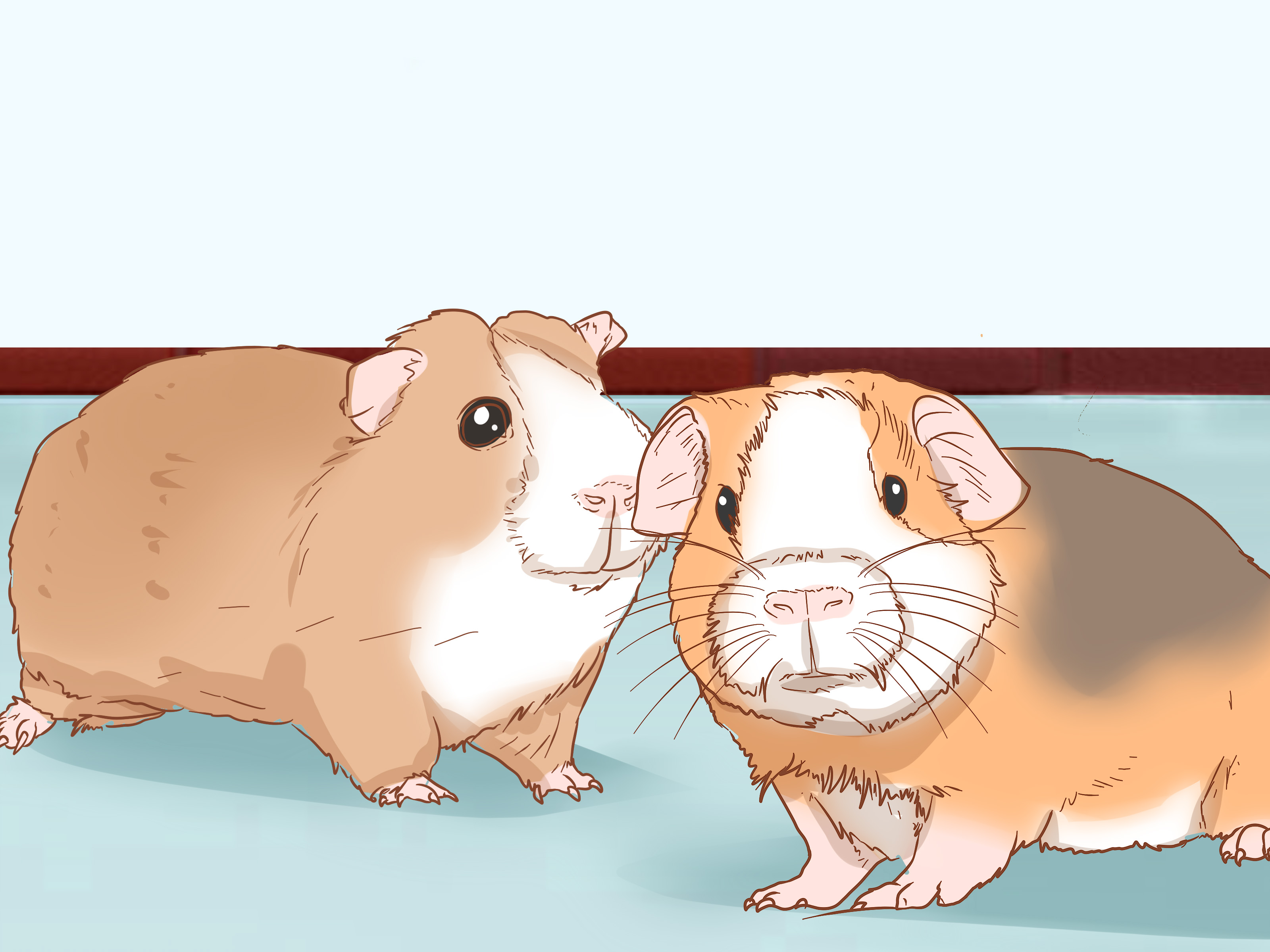
Bringing home a guinea pig is a little like inviting a tiny, furry roommate to move in and then realizing your new roommate thinks you might be a hawk. Guinea pigs are prey animals by nature, which means they are wired to be cautious, quick to hide, and extremely suspicious of large creatures who lean over their homes saying, “Awww, come here!” in a voice that would make any self-respecting cavy bolt under the nearest tunnel.
The good news? Guinea pigs can absolutely learn to trust you. Many become social, chatty, food-motivated little companions who recognize their people, respond to routines, and sometimes announce dinner with the volume of a tiny kitchen alarm. The key is not forcing affection. It is building safety, predictability, and positive associations one calm interaction at a time.
This guide covers 3 ways to help your guinea pig adjust to you: creating a safe environment, bonding through calm daily interaction, and handling your guinea pig properly. Whether your new piggy is hiding, freezing, nibbling cautiously, or wheeking like a snack-powered opera singer, these steps will help you build trust without overwhelming your pet.
Why Guinea Pigs Need Time to Adjust
Before jumping into bonding tips, it helps to understand your guinea pig’s point of view. Guinea pigs are not naturally bold predators. They are small herbivores with strong instincts to run, hide, and evaluate danger. A new home brings unfamiliar smells, sounds, lighting, voices, schedules, bedding, food bowls, and giant humans looming nearby. That is a lot for an animal whose survival plan is basically, “If unsure, become a potato under a hideout.”
Adjustment time varies. Some guinea pigs take a few days to accept your presence. Others need several weeks before they feel comfortable being touched. Older guinea pigs, rescue guinea pigs, or those with little previous handling may require extra patience. The goal is not to rush them into cuddles. The goal is to teach them that you are safe, predictable, and usually connected to excellent snacks.
Way 1: Create a Safe, Calm, and Predictable Home
The first step in helping your guinea pig adjust to you is making their environment feel secure. A nervous guinea pig cannot bond well if their cage is in a noisy, chaotic area or if they have nowhere to hide. Trust begins with the habitat.
Give Your Guinea Pig a Quiet Arrival Period
When your guinea pig first comes home, resist the urge to scoop them up immediately. Yes, they are adorable. Yes, their tiny nose may look scientifically designed to weaken human self-control. But for the first day or two, focus on letting them settle in.
Place the enclosure in a calm area of the home where your guinea pig can observe household activity without being surrounded by constant noise. Avoid blasting televisions, loud music, barking dogs, or sudden grabbing hands. Speak softly when you enter the room. Move slowly. Guinea pigs notice everything, including the difference between a gentle caretaker and a human tornado.
Provide Multiple Hiding Places
Hideouts are not optional décor. They are emotional support architecture. Guinea pigs need places to retreat when they feel uncertain. A cozy hidey house, tunnel, fleece forest, or cardboard shelter gives them control over their space. That sense of control makes them more likely to explore later.
If you have more than one guinea pig, provide more than one hiding area so nobody has to argue over the premium real estate. For safety, choose hideouts with enough space and, ideally, more than one entrance so a guinea pig does not feel trapped by a cage mate.
Keep the Cage Comfortable and Easy to Navigate
A guinea pig that feels physically comfortable is more likely to relax emotionally. Use solid flooring rather than wire flooring, which can injure delicate feet. Keep bedding clean and dry. Spot-clean daily and do deeper cage cleaning regularly. A messy cage is not just unpleasant; it can make your guinea pig feel stressed and exposed.
Make sure your guinea pig always has access to fresh water, unlimited grass hay, appropriate guinea pig pellets, and safe vegetables in proper amounts. Guinea pigs rely heavily on hay for digestive and dental health. They also need vitamin C in their diet because they cannot produce it on their own. If their basic needs are met consistently, they are more likely to associate your presence with comfort rather than disruption.
Build a Routine Your Guinea Pig Can Predict
Guinea pigs love routines. Feeding time, floor time, cage cleaning, and quiet visits should happen in a fairly predictable rhythm. Over time, your guinea pig learns what to expect. That predictability reduces fear.
For example, you might refresh hay in the morning, offer vegetables in the evening, and sit beside the cage for five calm minutes after dinner. Soon, your guinea pig may begin to recognize the pattern. They may come closer when they hear the veggie bag or your voice. Congratulations: you have become part of the trusted household schedule.
Way 2: Bond Through Food, Voice, and Calm Daily Interaction
Once your guinea pig has a safe space, the next step is bonding. The best guinea pig bonding strategy is simple: be calm, be consistent, and let food do some of the public relations work.
Start by Sitting Near the Cage
In the beginning, do not make every interaction about touching. Just sit near the enclosure and talk softly. Read a book, scroll quietly, or narrate your day in a gentle tone. Your guinea pig does not need to understand your words. They need to learn your voice and presence are not dangerous.
At first, your guinea pig may hide the entire time. That is normal. They may peek out, freeze, run back, and repeat the process like a tiny security guard performing risk assessment. Let them. Every peaceful visit teaches them that you can appear without causing chaos.
Offer Food by Hand
Hand-feeding is one of the most effective ways to help a guinea pig adjust to you. Start with long pieces of safe vegetables or hay so your hand does not need to be too close. Romaine lettuce, cilantro, bell pepper, or a strand of hay can work well, depending on what your guinea pig already eats safely.
Hold the food still and let your guinea pig decide whether to approach. Do not chase them around the cage with a lettuce leaf like you are trying to serve salad to a moving tennis ball. If they do not take it, place the food nearby and try again later. The lesson is simple: your hand brings good things and does not grab.
Use Positive Associations
Guinea pigs learn through repeated experiences. If your presence often predicts fresh hay, clean water, gentle talking, and tasty vegetables, your guinea pig will become more comfortable with you. If your presence usually predicts sudden lifting, loud noises, or being cornered, trust will take longer.
Try creating a short bonding routine. Approach slowly, say the same calm phrase, offer a small piece of food, and sit nearby. Keep sessions short at first. Five minutes of peaceful bonding is better than thirty minutes of stressful attention.
Learn Guinea Pig Body Language
Your guinea pig is always communicating, even when they are not making noise. Relaxed exploring, gentle wheeking, curious sniffing, and comfortable eating near you are positive signs. Popcorning, those sudden happy little jumps, often means excitement. Freezing, teeth chattering, frantic running, hiding constantly, or nipping can signal fear, irritation, or overstimulation.
Respect those signals. If your guinea pig backs away, give them space. If they freeze when touched, slow down. Trust grows faster when your pet realizes their boundaries matter. In other words, be the kind of roommate who knocks before entering.
Way 3: Handle Your Guinea Pig Gently and Correctly
Many guinea pigs never love being picked up, even when they adore their humans. This surprises new owners. A guinea pig may run from your hand but happily eat beside you five seconds later. That does not mean they hate you. It means being lifted off the ground triggers prey-animal instincts.
Handling should be gradual, safe, and supportive. The goal is to make necessary handling less scary, not to prove your guinea pig is ready for a social media cuddle session.
Do Not Grab From Above
Hands coming from above can feel threatening to guinea pigs. Instead, approach slowly from the side when possible. Let your guinea pig sniff your hand. Use calm movements. If you need to pick them up, gently guide them rather than chasing them around the cage.
Some owners use a soft cuddle sack, small carrier, or tunnel to help transfer nervous guinea pigs. The guinea pig walks into the item, and you lift the item securely. This can reduce stress, especially for pigs who panic when hands reach in.
Support the Whole Body
When lifting a guinea pig, use two hands. Support the chest and front area with one hand while supporting the hindquarters with the other. Keep your guinea pig close to your body so they feel secure and cannot jump. Falls can seriously injure guinea pigs, so handling should always happen carefully and close to a safe surface.
If children are interacting with the guinea pig, an adult should supervise. A good option is to have the child sit on the floor with a towel or fleece blanket on their lap while the guinea pig rests securely. This lowers the risk of falls and keeps the experience calmer for everyone.
Keep Handling Sessions Short
At first, handle your guinea pig for only a brief period. A minute or two may be enough. Offer a favorite vegetable afterward so the experience ends positively. Over time, gradually increase the length of handling if your guinea pig remains calm.
Watch for stress signs. If your guinea pig becomes restless, vocalizes sharply, nibbles hard, or tries to leap away, return them safely to their enclosure or floor-time area. Ending before panic sets in helps preserve trust.
Try Floor Time for Bonding
Many guinea pigs prefer interacting on the floor rather than being held in the air. Create a safe, enclosed floor-time space with tunnels, hideouts, fleece, hay, and a few safe vegetables. Sit inside the area and let your guinea pig approach you.
This method gives your guinea pig choice. They can explore, retreat, sniff your socks, judge your life choices, and eventually climb near you when ready. Floor time builds confidence because it turns you into part of the environment instead of the giant hand from the sky.
Common Mistakes That Slow Down Bonding
Even loving owners can accidentally make adjustment harder. The most common mistake is rushing. Guinea pigs are not dogs in tiny sweaters. They usually do not greet new humans with instant enthusiasm. They need repetition and patience.
Another mistake is chasing. Chasing a guinea pig around the cage to pick them up can make them more fearful. Instead, use slow movements, tunnels, cuddle sacks, or patient training. Loud environments can also delay bonding. If the cage is next to constant noise or sudden activity, your guinea pig may remain on high alert.
Finally, avoid changing too much at once. Sudden food changes, frequent cage rearranging, or inconsistent handling can be stressful. Introduce new foods gradually and keep the main routine stable while your guinea pig settles in.
How Long Does It Take for a Guinea Pig to Trust You?
Some guinea pigs begin taking food from your hand within a few days. Others may take weeks. A shy guinea pig is not a failed guinea pig, and a cautious start does not mean you will never bond. Trust is built through hundreds of small, calm interactions.
Look for small progress. Did your guinea pig stay outside the hideout while you refreshed hay? Did they sniff your hand? Did they take one piece of cilantro and retreat dramatically like a tiny bandit? That counts. Celebrate the little wins.
Should You Get Your Guinea Pig a Companion?
Guinea pigs are highly social animals and often benefit from living with another compatible guinea pig. A same-sex pair or properly managed pairing can provide companionship, reduce boredom, and support natural social behavior. However, introductions must be done carefully, and not every match works automatically.
If you are considering a second guinea pig, research proper bonding methods, quarantine recommendations, sexing accuracy, space requirements, and veterinary considerations. Never place unfamiliar guinea pigs together without supervision and preparation. A compatible guinea pig friend can help your pet feel more secure, but the process should be thoughtful rather than spontaneous.
When to Ask a Veterinarian for Help
Sometimes a guinea pig seems “shy” because something is wrong. Contact an exotic-pet veterinarian if your guinea pig is not eating, has fewer droppings, seems lethargic, loses weight, has discharge from the eyes or nose, scratches constantly, has hair loss, limps, or shows sudden behavior changes. Guinea pigs can hide illness, so changes in appetite or energy deserve attention quickly.
A wellness visit after adoption is also smart. It helps establish a baseline, confirms your guinea pig’s sex and health status, and gives you a chance to ask about diet, housing, nail trimming, and handling.
Extra Experience: Real-Life Lessons From Helping a Guinea Pig Adjust
One of the most useful experiences with guinea pigs is learning that trust does not always look dramatic. You may imagine a perfect movie moment: your guinea pig runs toward you, leaps into your arms, and accepts you as their lifelong best friend while inspirational music plays. Real life is usually quieter. Sometimes the first sign of trust is simply that your guinea pig keeps chewing hay while you sit nearby. That may not win an award, but in guinea pig language it is a five-star review.
A practical approach is to treat the first week like a “soft opening.” The habitat is ready, the food is consistent, the room is calm, and the human staff is polite. During this period, avoid inviting everyone in the house to hold the guinea pig. Too many hands and voices can feel overwhelming. Instead, assign one or two calm people to handle daily care. Let the guinea pig learn those voices and routines first.
Food can become your best bonding tool, but it works best when used with patience. For example, sit beside the cage with a strip of bell pepper and rest your hand still near the entrance of a hideout. At first, your guinea pig may stretch forward like they are trying to win a vegetable without touching the human. That is fine. Over several days, they may step closer. Eventually, they may take the food confidently. The magic is not the pepper. The magic is that nothing scary happens while they approach.
Another lesson is that floor time often changes the relationship. In the cage, your hand may feel intrusive. On the floor, in a safe pen with tunnels and fleece, your guinea pig has more choice. Sit still and let them investigate. Some guinea pigs will sniff your shoes, hide behind your leg, or run laps around you. Do not force contact. Being present without pressure tells your guinea pig that you are safe company.
Handling improves when you prepare before lifting. Have the destination ready: a towel on your lap, a secure carrier, or a floor-time pen. Lift with two hands, keep the guinea pig close, and avoid carrying them across long distances unless necessary. Many guinea pigs feel calmer when partially wrapped in a soft towel, as long as they are not squeezed or overheated. Think “secure burrito,” not “tiny hostage situation.”
It also helps to respect personality. Some guinea pigs become lap potatoes. Others prefer drive-by snack visits and limited touching. Both can be bonded pets. The point is not to turn your guinea pig into a stuffed animal. The point is to build a relationship that fits their comfort level.
Over time, you may notice delightful signs of progress. Your guinea pig may wheek when you open the refrigerator, approach the cage door, stretch out while you talk, or accept gentle chin rubs. These moments feel small, but they are earned. Every calm feeding, every respectful pause, and every safe handling session deposits trust into the relationship.
The biggest experience-based tip is this: be boring in the best possible way. Predictable humans are wonderful to guinea pigs. Show up gently. Bring hay. Offer vegetables. Clean the cage. Speak softly. Do not grab without warning. Repeat. Eventually, your guinea pig learns that you are not a predator, not a thunderstorm, and not a suspicious moving tree. You are the snack person. In guinea pig society, that is a very respectable title.
Conclusion
Helping your guinea pig adjust to you is not about speed. It is about safety, patience, and positive repetition. Start with a secure habitat full of hiding places, clean bedding, hay, water, and a steady routine. Then bond through gentle voice, hand-feeding, and calm daily presence. Finally, use safe handling techniques that support your guinea pig’s whole body and respect their natural caution.
Your guinea pig may not trust you overnight, but each peaceful interaction matters. Give them time, let them choose when to approach, and celebrate every tiny sign of confidence. Before long, the shy potato in the hideout may become a wheeking, popcorning, snack-detecting member of the family.
Note: This article is written for web publication and is based on reputable veterinary and animal-welfare guidance. It is educational content and does not replace advice from an exotic-pet veterinarian.