Sticky glue residue has a special talent for making perfectly good things look like they lost a fight with a price tag. One minute you are peeling a label off a glass jar, removing tape from a wall, or unboxing a new appliance. The next minute, there is a grimy, lint-loving patch of goo that seems determined to become part of the furniture.
The good news: most adhesive residue can be removed without turning your kitchen, desk, or favorite storage bin into a science experiment. The trick is choosing a method that softens or dissolves the sticky layer without damaging the surface underneath.
Why Glue Residue Is So Stubborn
Most sticker and tape adhesives are designed to stay put. That is, after all, their entire résumé. Over time, heat, sunlight, moisture, dust, and plain old age can make the adhesive dry out or spread into a sticky film. When you pull the label away, the paper gives up quickly, but the glue clings on like it still has a lease agreement.
Removing glue residue usually comes down to one of three strategies: soften it with heat, loosen it with oil, or dissolve it with a mild solvent. The safest option depends on what you are cleaning. Glass and metal can usually handle more aggressive methods than painted walls, unfinished wood, acrylic plastic, leather, natural stone, or electronic screens.
Before using any cleaner, test it on a hidden spot. A tiny test patch may feel unnecessary until you discover that your “quick fix” has left a cloudy mark on a cabinet door. That is not the kind of before-and-after photo anyone wants.
Before You Start: Gather the Right Tools
You do not need a cleaning cart that looks like a hardware-store aisle. For most glue residue removal jobs, gather a microfiber cloth, warm water, dish soap, a plastic scraper or old gift card, paper towels, and one of the cleaning options described below.
- Use a plastic scraper, plastic putty knife, or expired gift card instead of a metal blade.
- Work slowly and use light pressure, especially on painted, glossy, or delicate surfaces.
- Keep heat away from alcohol, aerosol products, and other flammable cleaners.
- Open a window or improve ventilation when using rubbing alcohol or a commercial adhesive remover.
- Never mix cleaners. One product at a time is more than enough excitement for a glue-removal project.
Start by peeling or scraping away as much of the thick residue as possible. The less goo left behind, the less cleaner you will need. Think of it as cleaning in layers, not trying to win the whole battle with one dramatic swipe.
1. Use Gentle Heat and a Plastic Scraper
Heat is often the easiest first move for sticker glue, tape residue, and mounting adhesive. Warming the residue makes it softer and more flexible, so it is easier to lift away instead of smearing across the surface like melted candy.
What You Need
- A hair dryer
- A plastic scraper, gift card, or plastic spatula
- A soft cloth
- Warm water and dish soap
How to Remove Glue Residue With Heat
- Set a hair dryer to low or medium heat.
- Hold it several inches from the sticky area and move it back and forth for about 20 to 40 seconds.
- Test the residue with a fingernail or plastic scraper. If it feels softer, gently push the glue into small rolls.
- Wipe away the loosened bits with a dry microfiber cloth.
- Finish by washing the surface with warm water and a few drops of dish soap.
This method works especially well on glass jars, metal containers, ceramic tile, mirrors, and many finished surfaces. It is also handy when you are removing a large label because heat can soften both the paper and the adhesive beneath it.
Use extra caution on plastic, laminate, painted walls, vinyl, and wood. Keep the dryer moving and avoid high heat. Too much heat can warp plastic, soften paint, damage a finish, or turn a simple cleaning job into an unexpected home-improvement project.
Best Example: Removing a Label From a Glass Jar
Warm the label for 30 seconds, peel it back slowly, and keep applying gentle heat as you pull. Once the paper is gone, use the edge of a plastic card to lift the remaining adhesive. Wash the jar with hot, soapy water, and it will be ready for pantry storage, flower stems, or that ambitious “I am definitely organizing my spices this weekend” plan.
2. Loosen Sticky Residue With Oil and Dish Soap
Oil is surprisingly good at handling sticky glue residue because many adhesives respond well to oily ingredients. Cooking oil, mineral oil, coconut oil, or olive oil can help loosen the glue so it wipes away more easily. This method is gentle, inexpensive, and especially useful for glass, metal, ceramic, and some hard plastics.
What You Need
- Cooking oil, coconut oil, mineral oil, or olive oil
- Paper towel or cotton pad
- A plastic scraper or old card
- Dish soap and warm water
How to Remove Glue Residue With Oil
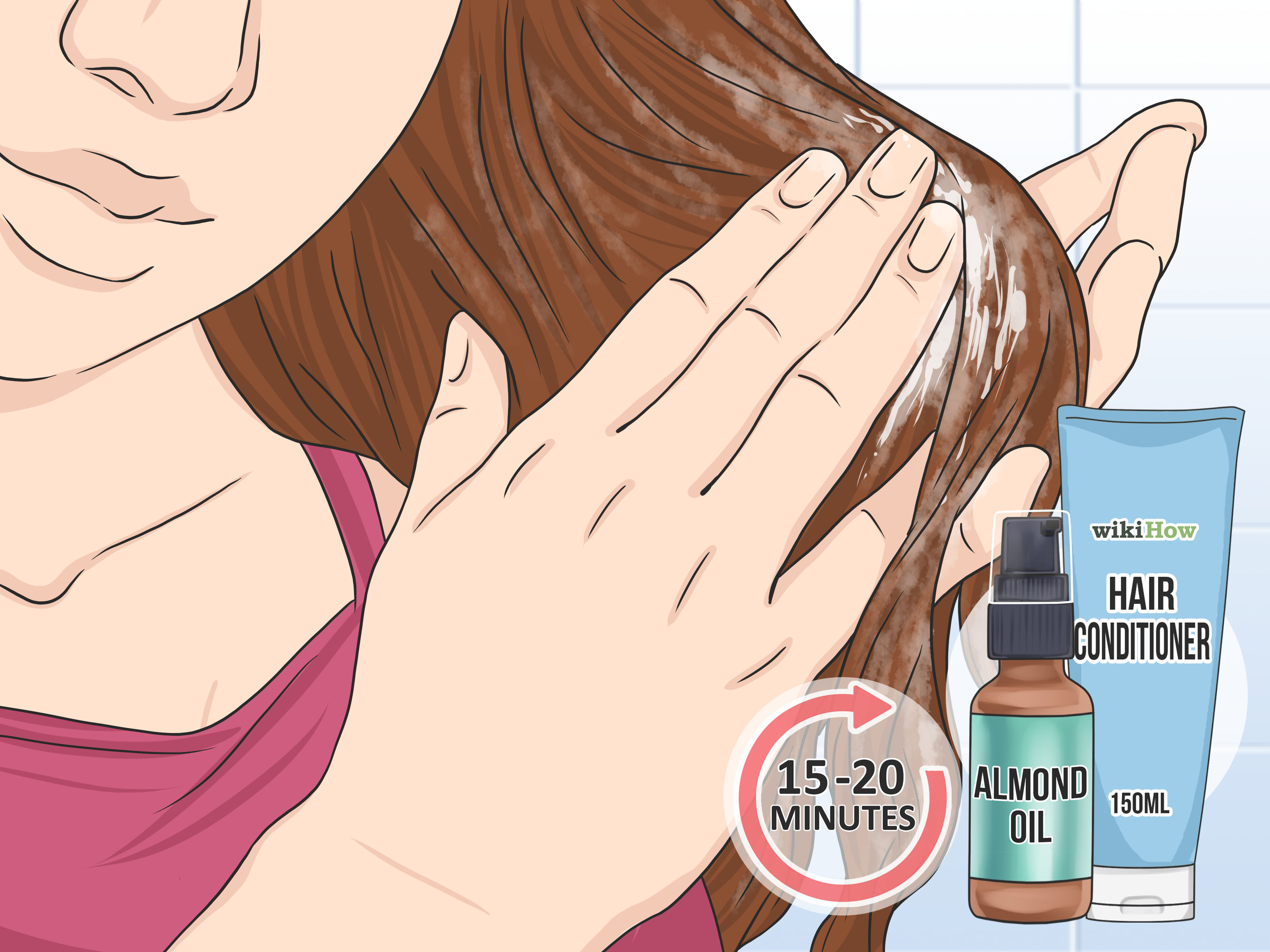
- Apply a small amount of oil to a paper towel or cotton pad.
- Press it over the sticky residue and let it sit for 10 to 15 minutes.
- Rub the area gently with the towel until the glue starts to loosen.
- Use a plastic scraper to lift stubborn pieces without scratching the surface.
- Wash the area with warm water and dish soap to remove the oily film.
- Dry thoroughly with a clean cloth.
The final wash with dish soap matters. Oil may defeat the glue, but leaving it behind can attract dust, fingerprints, and the occasional mystery crumb. Dish soap cuts through the oil and leaves the surface clean rather than slick.
Where the Oil Method Works Best
Try this approach on glass bottles, mugs, metal tins, ceramic planters, sealed tile, stainless steel, and plastic storage containers. It can also work well on a stubborn sticker on the bottom of a plate or a decorative label on a candle jar.
Avoid using oil on unfinished wood, unsealed stone, untreated fabric, suede, or paper-based materials. Those surfaces can absorb oil and leave a dark or permanent mark. For finished wood, use the smallest amount possible, test first, and wipe the area clean quickly.
Optional Helper: Baking Soda Paste
For a small patch of residue on durable glass or metal, mix a little baking soda with oil to create a soft paste. The oil helps loosen the adhesive, while the baking soda adds mild texture. Rub gently with a soft cloth, then wash the surface with dish soap. Skip this trick on glossy plastic, painted surfaces, coated metals, and anything that could scratch.
3. Dissolve Glue Residue With Rubbing Alcohol or Adhesive Remover
When heat and oil are not enough, rubbing alcohol can be a useful next step. Isopropyl alcohol acts as a mild solvent, helping break down sticky residue so it can be wiped away. Commercial adhesive removers can also work well, especially on stubborn tape marks, old labels, and gummy adhesive left behind by decals.
What You Need
- Rubbing alcohol or a surface-safe commercial adhesive remover
- Cotton balls, paper towels, or a microfiber cloth
- A plastic scraper
- Warm water and mild dish soap
How to Remove Glue Residue With Rubbing Alcohol
- Test the alcohol on an inconspicuous spot first.
- Dampen a cloth or cotton pad with rubbing alcohol. Do not pour it directly onto the surface.
- Press the damp cloth against the residue for a few minutes.
- Rub gently until the adhesive begins to dissolve or lift.
- Use a plastic scraper for any remaining thick spots.
- Wipe with a clean damp cloth and dry the surface.
Rubbing alcohol is often effective on glass, metal, ceramic, and some plastic items. It can also help with adhesive residue on mirrors, jars, storage bins, and smooth countertop accessories. However, “some plastic” is not the same as “every plastic.” Acrylic, certain vinyls, painted finishes, and clear coatings may dull, discolor, or crack when exposed to solvents.
Using a Commercial Adhesive Remover
Commercial adhesive removers are useful when you are dealing with old, thick, or particularly stubborn residue. Follow the product label exactly, use it in a well-ventilated area, and test it on a hidden spot first. Many removers are designed for glass, metal, ceramic, sealed surfaces, and some plastics, but compatibility varies by product and material.
Apply the remover to a cloth instead of spraying it wildly across the room like you are filming an action movie. Let it sit for the recommended time, wipe away the softened residue, then wash the area with mild soap and water if the product directions recommend it.
Surfaces to Avoid With Alcohol or Strong Adhesive Removers
- Unfinished or delicate wood
- Leather and suede
- Natural stone, including marble and some granite finishes
- Painted walls and painted furniture
- Electronic screens and display panels
- Clear acrylic, plexiglass, and unknown plastics
For these materials, start with a soft cloth, mild soapy water, and the gentlest method possible. When in doubt, check the manufacturer’s care instructions before using any solvent.
How to Remove Glue Residue From Common Surfaces
Glass and Mirrors
Glass is one of the easiest surfaces to clean. Start with heat or warm soapy water, then try oil or rubbing alcohol if residue remains. Use a plastic scraper or old card rather than a metal blade unless you are experienced and certain the glass is plain, undamaged, and safe to scrape.
Plastic Containers and Toys
Use warm soapy water or a little oil first. Plastic can be sensitive to alcohol, acetone, and stronger removers, so test any solvent on a hidden area. Keep heat low because plastic can warp faster than your patience during a difficult label-removal job.
Finished Wood Furniture
Use low heat for a few seconds, then gently lift residue with a plastic card. Wipe with a barely damp cloth and mild dish soap if needed. Avoid soaking the wood or using strong solvents, which can strip varnish, stain, or protective coatings.
Painted Walls
Use the least aggressive option: warm air from a hair dryer on low, followed by a soft cloth. Do not scrub hard. If a little residue remains, try a tiny amount of soapy water on a cloth, not directly on the wall. Alcohol and commercial removers can remove paint along with the glue, which is an impressively efficient way to create a second project.
Metal and Stainless Steel
Heat, oil, alcohol, and many commercial adhesive removers can work well on metal. Wipe in the direction of the grain on stainless steel, then clean and dry the surface to prevent streaks.
Common Glue Residue Removal Mistakes to Avoid
The biggest mistake is reaching for the sharpest object in the drawer. Knives, razor blades, metal spatulas, and screwdrivers may remove glue, but they can also scratch glass, gouge plastic, chip paint, and leave a permanent souvenir of the cleanup.
Another common problem is adding too much cleaner too quickly. A small amount of oil, alcohol, or remover is easier to control and less likely to spread across a larger area. Give the product time to work before scrubbing harder.
Finally, do not confuse “natural” with “safe for every surface.” Vinegar, baking soda, oils, and citrus-based products can still discolor, dull, stain, or leave residue on certain materials. The surface matters as much as the cleaner.
Conclusion: Remove the Goo, Keep the Surface
Learning how to remove glue residue is mostly about patience and choosing the gentlest effective method. Start with low heat and a plastic scraper, move to oil and dish soap for stubborn sticky patches, and use rubbing alcohol or a commercial adhesive remover only after testing the surface.
With the right approach, even the most annoying label glue can disappear without scratches, stains, or dramatic speeches directed at a jar. Your surfaces can go back to looking clean, smooth, and blissfully free of price-tag ghosts.
Real-World Experiences: What Usually Works Best
In real homes, glue residue removal is rarely a one-step miracle. The best results usually come from starting gently, waiting a few minutes, and repeating the process rather than trying to overpower the adhesive immediately. A label on a glass pasta sauce jar may come off in under two minutes, while an old piece of tape baked onto a sunny window can feel like it has been there since the invention of glass.
One of the most common experiences is discovering that the visible sticker is not the real problem. The paper peels away easily, leaving behind a nearly invisible layer of sticky adhesive. At first, it may seem harmless. Then dust settles on it, lint sticks to it, and suddenly the object looks permanently dirty. This is where rubbing the area with a dry towel often makes things worse, because friction can spread the glue into a larger, grayer patch.
Heat tends to be the most satisfying method for fresh tape residue and recently applied labels. A low-setting hair dryer can soften the glue enough that it rolls up under a plastic card. The important part is moving slowly. When people rush, they often pull the label off at a sharp angle and leave more adhesive behind. Warming a corner, peeling gradually, and continuing to apply heat usually creates a much cleaner result.
Oil is often the quiet hero of the situation. It may not look dramatic at first, but after 10 or 15 minutes, the adhesive can become soft enough to wipe away with surprisingly little effort. This is especially useful for jars, metal storage tins, and ceramic items. The lesson is simple: let the oil sit. Trying to scrub immediately is like asking a microwave dinner to be ready before it has entered the microwave.
Alcohol and commercial adhesive removers are excellent backup options, but they are best treated with respect. They can solve a stubborn glue problem quickly on glass or metal, yet they can also create dull spots or remove color from a delicate finish. The most successful cleanup jobs usually involve a small test patch, a lightly dampened cloth, and controlled application rather than pouring cleaner directly onto the surface.
Another practical lesson is that the final wash matters. After using oil or a commercial remover, the surface may no longer feel sticky, but it can still have a slick film. A quick wash with warm water and dish soap removes that leftover residue and helps prevent dust from collecting again. It is the difference between “the glue is gone” and “this actually looks clean.”
Ultimately, glue residue removal is a small household task that rewards patience more than force. Use heat when the adhesive needs softening, oil when it needs loosening, and alcohol or a labeled adhesive remover when it needs dissolving. With a plastic scraper, a soft cloth, and a little restraint, most sticky messes can be handled without leaving behind scratches, stains, or a new reason to repaint the wall.