Vintage images have a peculiar superpower: they can make an ordinary wall, journal page, gift tag, or storage box look as though it has lived a fascinating life. A faded botanical plate suggests afternoons spent cataloging wildflowers. An old city map hints at secret streets and forgotten cafés. A Victorian bird illustration makes even a bargain-store frame look suspiciously expensive.
The best part is that you do not need to spend a small fortune at an antique market. Thousands of historical illustrations, photographs, prints, maps, advertisements, and decorative designs are available through public-domain and open-access museum collections. When an item is clearly marked for unrestricted reuse, you can download it, print it, resize it, and turn it into something personal.
This guide explores more than 25 types of free printable vintage images, along with practical advice for finding high-resolution files, checking usage rights, choosing paper, improving print quality, and creating projects that do not resemble a rushed school assignment from 1998.
Why Free Vintage Printables Are So Popular
Vintage artwork adds warmth and character without demanding that every room become a historical reenactment. A single antique flower print can soften a modern office. A group of black-and-white photographs can give a hallway a collected-over-time appearance. Old labels, postcards, and advertisements also work beautifully in scrapbooks, junk journals, handmade cards, and decoupage projects.
Unlike mass-produced wall décor, vintage printables are easy to customize. You can crop an image, adjust its size, print it in sepia, add a border, or combine several pieces into a gallery wall. Public collections maintained by museums, libraries, and government archives are especially useful because their scans often include reliable descriptions, dates, creators, and rights information.
Before You Download: A Quick Note About Image Rights
“Old” does not automatically mean “free to use.” Copyright depends on factors such as publication date, creator, country, and later rights agreements. Some websites also place restrictions on their digital files even when the original object is old.
For the safest results, look for an item-level label such as Public Domain, CC0, No Known Copyright Restrictions, or Free to Use and Reuse. Major collections such as the Library of Congress, the New York Public Library, the Smithsonian, The Metropolitan Museum of Art, the National Gallery of Art, the National Archives, Getty, and several American art museums provide filters or download icons for reusable material.
Save the title, artist, date, institution, and record page with the downloaded file. Attribution may not always be legally required for public-domain material, but keeping this information is courteous and useful. It also prevents future-you from staring at a mysterious bird print and wondering whether it came from a museum or a cereal box.
30 Free Printable Vintage Image Ideas
Botanical and Natural History Printables
-
Antique Botanical Plates
Detailed flower studies are among the most versatile vintage printables. Look for roses, tulips, orchids, lilies, and native wildflowers. Print a matching set for a bedroom, kitchen, reading corner, or garden room.
-
Medicinal Herb Illustrations
Historical drawings of lavender, sage, mint, rosemary, and chamomile look wonderful in kitchens and home offices. Their handwritten labels and scientific names add just enough scholarly seriousness to distract from the pile of unopened mail nearby.
-
Vintage Fruit Prints
Apples, pears, citrus fruits, peaches, cherries, and grapes were frequently documented in agricultural catalogs and botanical books. These colorful images are ideal for breakfast nooks, pantries, recipe binders, and seasonal displays.
-
Classic Vegetable Illustrations
Cabbages, tomatoes, beans, carrots, artichokes, and squash may not sound glamorous, but antique illustrators treated them like botanical royalty. Group several vegetable plates together for cheerful farmhouse-style kitchen art.
-
Vintage Mushroom Charts
Mushroom illustrations provide earthy colors, unusual shapes, and a slightly mysterious woodland mood. They work especially well in autumn décor, nature journals, cabin interiors, and cottage-style gallery walls.
-
Antique Bird Illustrations
Search for hummingbirds, owls, robins, swallows, herons, and songbirds. Natural-history books often feature birds posed with branches or flowers, creating compositions that are already perfectly suited for framing.
-
Butterfly and Moth Plates
Rows of carefully labeled butterflies make attractive educational art without looking like classroom decoration. Print one large chart or separate individual specimens for cards, labels, bookmarks, and small frames.
-
Seashell and Marine-Life Prints
Vintage shells, coral, fish, seaweed, jellyfish, and crustaceans bring a more sophisticated feel to coastal décor. They are a pleasant alternative to signs that announce “Beach House” in letters large enough to be read from offshore.
Maps, Travel, and Exploration Images
-
Antique World Maps
Historical maps include ornate borders, illustrated sea creatures, hand-colored regions, and wonderfully imperfect geography. Use them for office art, travel journals, wrapping paper, or the background of a mixed-media project.
-
Old City Maps
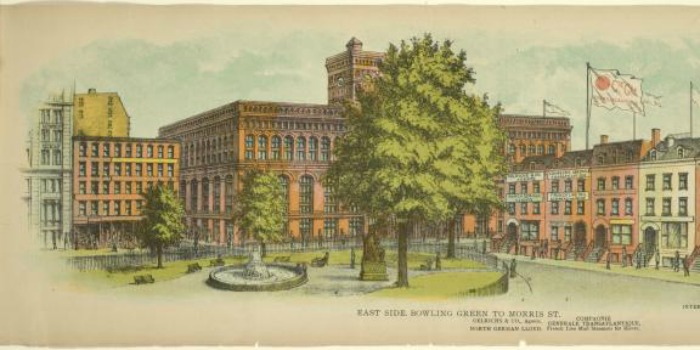
Choose a city that holds personal meaning, such as a birthplace, honeymoon destination, college town, or dream vacation. Street plans from New York, Boston, Chicago, Washington, and other cities make thoughtful personalized gifts.
-
Historical Travel Posters
Early tourism posters promoted national parks, railroads, resorts, and distant cities with bold lettering and dramatic landscapes. Their strong shapes and limited colors fit surprisingly well in modern interiors.
-
Photochrom Travel Views
Photochrom prints transformed black-and-white photographs into richly colored travel scenes. Images of mountains, castles, harbors, streets, and famous landmarks offer the charm of an old postcard with more detail and depth.
-
Vintage Postcards
Old postcards are excellent for small projects because they already include borders, captions, and compact compositions. Print them as mini art, gift tags, journal pockets, party decorations, or inserts for travel-themed invitations.
-
Celestial and Astronomy Charts
Moon phases, constellations, eclipses, planets, and early star maps add a dramatic scientific touch to a room. Dark celestial charts are especially striking when printed on matte paper and displayed in simple black or brass frames.
-
Ship and Maritime Prints
Historical engravings of sailing ships, steamships, lighthouses, knots, and navigation instruments suit offices, libraries, boys’ rooms, and coastal homes. A trio of ship diagrams can create an elegant display without a single decorative anchor.
Portraits, Fashion, and Everyday Life
-
Victorian Portrait Photographs
Formal studio portraits reveal clothing, hairstyles, props, and social customs from another era. Use them in family-history displays, Halloween projects, theatrical décor, or humorous gallery walls featuring distinguished strangers.
-
Silhouette Portraits
Black profile silhouettes have a clean graphic quality that works with traditional and minimalist décor. They are also useful for labels, ornaments, greeting cards, and layered paper crafts.
-
Vintage Fashion Plates
Fashion illustrations from the eighteenth, nineteenth, and early twentieth centuries feature elaborate dresses, hats, coats, shoes, and accessories. Print them for dressing rooms, sewing spaces, bedrooms, boutiques, and fashion journals.
-
Antique Hat Illustrations
Historical hats often deserve their own category because they range from elegant bonnets to constructions that appear capable of receiving radio signals. These prints make playful art for closets, vanities, and creative studios.
-
Historical Occupation Photographs
Images of bakers, mechanics, farmers, shopkeepers, librarians, factory workers, and street vendors provide a fascinating view of everyday labor. Choose a photograph connected to a profession or family tradition for a meaningful display.
-
Early Transportation Photographs
Streetcars, bicycles, locomotives, automobiles, airplanes, and horse-drawn wagons are excellent subjects for offices and children’s rooms. Patent-style diagrams can be paired with real historical photographs for added variety.
Ephemera, Advertising, and Decorative Graphics
-
Seed Catalog Covers
Vintage seed catalogs often use vivid illustrations, decorative lettering, and optimistic displays of enormous vegetables. They make colorful kitchen art and can also be cut into labels, tags, and collage elements.
-
Old Product Labels
Soap labels, fruit-crate labels, tea packaging, apothecary designs, and food advertisements are compact and decorative. Print them on adhesive paper to embellish jars, boxes, notebooks, and faux vintage containers.
-
Vintage Advertisements
Old advertisements document changing design styles, technologies, and social habits. Choose visually appealing examples rather than claims that have aged badly, scientifically or socially. History can be interesting without becoming your new household policy.
-
Sheet Music Covers
Illustrated sheet music covers combine typography, portraits, landscapes, and decorative borders. They are ideal for music rooms, piano corners, theaters, rehearsal spaces, and handmade covers for journals.
-
Antique Bookplates
Bookplates were designed to identify a book’s owner and often featured coats of arms, animals, architecture, or ornate lettering. Print them as labels for a personal library or adapt them into gift tags for fellow readers.
-
Vintage Alphabet and Typography Sheets
Decorative alphabets, calligraphy samples, printer’s ornaments, and type specimens make excellent office and studio décor. Individual letters can also be enlarged for monograms or combined to create custom signs.
-
Patent and Mechanical Drawings
Technical drawings of cameras, bicycles, tools, clocks, sewing machines, and household inventions have a clean industrial look. Print them in black and white for workshops, offices, or rooms with modern farmhouse décor.
-
Architectural Drawings
Floor plans, elevations, garden designs, columns, windows, and historic building studies are sophisticated choices for home offices and entryways. Look for drawings connected to a favorite architectural period or city.
-
Classic Children’s Book Illustrations
Public-domain fairy tales, nursery rhymes, animal stories, and adventure books contain charming artwork for nurseries and reading corners. Confirm the rights of the specific edition because newer illustrations may remain protected even when the original story is not.
-
Vintage Holiday Postcards
Old Christmas, New Year, Easter, Valentine’s Day, and Halloween postcards are full of decorative lettering and unusual imagery. Print them for seasonal garlands, place cards, gift tags, ornaments, and greeting-card fronts.
How to Find High-Quality Vintage Images
Begin with a specific search phrase rather than the broad term “vintage image.” Useful combinations include “public domain botanical plate,” “open access bird illustration,” “nineteenth-century fashion plate,” “historical city map,” or “vintage travel poster.” Inside a museum or library collection, use filters for date, object type, topic, and rights status.
Open the individual record before downloading. Check that the image is marked as public domain, CC0, or otherwise reusable. Then select the largest available JPEG or TIFF file. Thumbnail images may look fine on a screen but become blurry when enlarged. A high-resolution file gives you more freedom to crop, repair, and resize the image.
When several scans are available, compare contrast, color accuracy, edge damage, and shadows around the page. Minor stains can add charm, but a dark scanner shadow through the middle of a flower is less “romantic antique” and more “office copier having a difficult Tuesday.”
How to Print Vintage Images Beautifully
Choose the Right Resolution
For crisp printing, aim for approximately 300 pixels per inch at the final size. An image intended for an 8-by-10-inch print should ideally be around 2,400 by 3,000 pixels or larger. Slightly lower resolutions may still look acceptable for textured illustrations, but photographs and detailed engravings reveal softness more quickly.
Select Paper That Fits the Artwork
Matte presentation paper is a reliable choice for botanical prints, maps, fashion plates, and drawings. Heavy cardstock works well for tags, postcards, and crafts. Textured cotton or watercolor-style paper can enhance simple illustrations, although heavy texture may reduce fine detail.
Glossy photo paper suits historical photographs and richly colored travel scenes, but it can make antique paper textures appear unnaturally shiny. For most home décor, a warm-white matte paper creates a convincing balance between old-world character and clean print quality.
Make Light Digital Adjustments
Crop empty borders, straighten the page, and make small adjustments to brightness or contrast. Avoid removing every stain, crease, and faded edge. Those imperfections often provide the character that made the image appealing in the first place.
Before producing a full-size print, create a small test section containing fine lines, shadows, and pale colors. This saves ink and reveals whether the printer is darkening the image. Home printers occasionally interpret “soft antique beige” as “mud after heavy rain.”
Creative Ways to Use Printable Vintage Art
A coordinated gallery wall is the obvious project, but vintage images can do much more. Use small botanical prints as pantry labels, frame antique maps as travel souvenirs, cover boxes with old advertisements, or turn postcard images into seasonal bunting. Transparent sticker paper allows you to decorate glass jars, while iron-on transfer paper can place public-domain artwork on fabric.
For a cohesive collection, repeat one visual element. Choose images with similar backgrounds, use matching frame colors, or print everything in the same tone. A group of unrelated subjects can still feel intentional when the mats and sizes follow a consistent pattern.
Vintage images are also excellent for inexpensive gifts. Print a map of someone’s hometown, a flower associated with a birth month, a historical image related to a favorite hobby, or an antique illustration of a beloved animal. Add a simple frame and a small card explaining the image’s origin.
My Experience Creating a Vintage Printable Gallery
My first attempt at decorating with free vintage printables began with a single botanical image and absolutely no reasonable stopping point. I found an antique pear illustration with softly faded greens and warm yellow fruit. It looked elegant on the screen, so I downloaded the largest file and printed it immediately on ordinary office paper. The result had all the visual richness of a slightly damp utility bill.
That disappointing print taught me the first important lesson: the digital image is only half of the project. Paper, printer settings, scale, and framing determine whether the finished piece feels polished. I reprinted the pear on heavyweight matte paper, selected the highest print-quality setting, and reduced the image slightly so the original border remained visible. The difference was dramatic. Fine lines returned, the colors looked warmer, and the page finally resembled a historical plate rather than a screenshot.
Encouraged, I began collecting companion images. I downloaded an apple, a plum, a sprig of currants, and a wonderfully serious-looking cabbage. At first, I chose each picture independently. Although every image was attractive, the group looked chaotic because the backgrounds, borders, and color intensity were different. One print was bright white, another was cream, and a third looked as though it had spent a century near a smoky fireplace.
I fixed the mismatch by adding equal margins and adjusting the backgrounds toward a similar warm tone. I did not completely erase the stains or age marks. Instead, I softened only the most distracting areas. Keeping some wear made the prints feel authentic, while consistent margins made them feel like a set.
Frame selection produced another surprise. Ornate antique-style frames seemed like the natural choice, but combining elaborate frames with highly detailed prints made the wall feel crowded. Simple wooden frames allowed the illustrations to remain the main attraction. Matching mats also helped unify images of slightly different proportions.
I laid the framed pieces on the floor before hanging anything. This step prevented several unnecessary holes and one argument with a tape measure. Starting with the largest image in the center, I arranged smaller prints around it and kept the spaces between frames consistent. A paper template for each frame made it easy to test the layout on the wall.
The most valuable habit I developed was saving the source information with every file. Each image went into a folder containing the artist, approximate date, institution, rights statement, and original record details. This small amount of organization made it much easier to confirm reuse permissions and share the history of the artwork later.
Over time, the project expanded beyond framed art. Smaller versions became recipe-card dividers, gift tags, notebook covers, and labels for storage boxes. A vintage citrus print became kitchen art, while a celestial chart found a home above a desk. The same files could be reused at different sizes, making them far more flexible than store-bought décor.
The experience proved that successful vintage printing does not require expensive software or professional equipment. The best results came from choosing high-resolution files, respecting the original artwork, testing materials, and editing with restraint. It also confirmed one unavoidable truth: once you discover a good public-domain archive, “I will download only one image” becomes a charming piece of fiction.
Conclusion
Free printable vintage images offer an affordable way to bring art, history, color, and personality into everyday projects. Botanical plates can refresh a kitchen, historical maps can commemorate meaningful places, fashion illustrations can brighten a creative studio, and old photographs can transform a plain hallway into a visual story.
Start with reputable open-access collections, verify the rights statement for each item, and download the highest-resolution file available. From there, thoughtful paper choices, light editing, and consistent framing can turn a free digital scan into décor that feels collected rather than copied.
Whether you choose one dignified cabbage or build an entire wall of birds, maps, mushrooms, and mysterious Victorian relatives, vintage printables make creative decorating remarkably accessible.