Your patio should feel like a breezy outdoor living room, not a tiny eight-legged convention center. A spider or two is usually harmlessand honestly, they do eat mosquitoes, flies, gnats, and other pests that deserve fewer invitations. But when webs start appearing across chair legs, under tables, around string lights, and directly at face height like nature’s worst party streamer, it is time for a smart patio reset.
The best way to keep spiders away from your patio is not to wage war on every arachnid in the yard. The smarter approach is integrated pest management: remove the food, reduce the hiding places, block easy access, and make your outdoor space less attractive without turning it into a chemical splash zone. Below are 13 simple, practical, and homeowner-friendly ways to prevent spiders on patios, decks, porches, and outdoor seating areas.
Why Spiders Love Patios in the First Place
Before you evict them, it helps to know why they moved in. Spiders are not lounging on your patio because they admire your outdoor rug. They show up for three main reasons: food, shelter, and quiet corners. Patio lights attract moths and flying insects. Cushions, planters, storage boxes, stacked firewood, and furniture frames create protected hiding spots. Web-building spiders especially like places where insects pass through regularly, such as porch lights, windows, railings, eaves, and water sources.
In other words, your patio can accidentally become a buffet with sectional seating. The solution is to make the space bright enough for humans, boring enough for bugs, and inconvenient enough for spiders.
13 Simple Ways to Keep Spiders Away from Your Patio
1. Sweep Away Webs Every Few Days
The fastest way to discourage spiders is also the least glamorous: remove their webs. A broom, long-handled duster, or web brush can clear corners, railings, furniture legs, umbrella frames, light fixtures, pergola beams, and ceiling edges. Web removal does two things at once. It clears existing spiders and signals that the location is not a stable hunting ground.
Focus on the same places every time: under patio tables, behind planters, around door frames, near outdoor lights, and beneath cushions. If you keep seeing webs in the same corner, that corner has something spiders likeusually light, insects, clutter, or moisture. Treat the cause, not just the silk artwork.
2. Switch to Yellow or Warm Outdoor Lights
Patio lighting can make or break your spider-control plan. Bright white lights, especially those left on for hours, attract flying insects. Spiders follow the food. That is why webs often appear near porch lamps, string lights, garage lights, and patio doors.
Use yellow bug lights, warm LED bulbs, shielded fixtures, or motion-sensor lighting. The goal is not to sit in darkness like a suspicious raccoon. The goal is to avoid lighting up your patio like an insect nightclub. Place lights away from doors and seating areas when possible, and aim fixtures downward instead of across walls where bugs gather.
3. Turn Off Lights When You Do Not Need Them
Even better than changing bulbs is reducing unnecessary lighting. If you leave patio lights on all night, you are basically running a 24-hour diner for moths, midges, mosquitoes, beetles, and other spider snacks.
Use timers, smart plugs, or motion sensors so lights turn off after guests leave. This small habit can reduce insect activity near your patio, which naturally reduces spider activity. It also saves electricity, which means your wallet and your web-free chair cushions both win.
4. Remove Clutter and Hiding Spots
Spiders love quiet, undisturbed places. Outdoor clutter gives them exactly that. Stacks of cardboard, unused pots, folded tarps, old cushions, storage bins, gardening gloves, baskets, and random “I’ll deal with this later” piles are prime spider real estate.
Keep the patio tidy and store items in sealed plastic containers rather than open boxes. Shake out gloves, towels, and cushions before use. If you keep outdoor toys, grilling tools, or garden supplies on the patio, give them a closed storage bench or cabinet. Less clutter means fewer hiding places, fewer egg sacs, and fewer surprise encounters while reaching for the tongs.
5. Move Firewood, Lumber, and Debris Away from the Patio
Firewood piles, stacked boards, bricks, stones, and yard debris create cool, sheltered pockets where spiders and insects thrive. If these materials sit against your patio or house, spiders do not need to commute far to visit your furniture.
Store firewood at least several feet away from the patio and preferably off the ground on a rack. Keep lumber, bricks, and landscape stones neatly stacked away from seating areas. Rake leaves and remove dead vegetation around the patio base. A clean perimeter is one of the simplest long-term ways to prevent spiders outdoors.
6. Trim Plants That Touch the Patio or House
Shrubs, vines, tall grasses, and overgrown plants can become spider highways. When branches touch railings, siding, screens, furniture, or pergolas, they create easy bridges for spiders and other insects.
Trim vegetation back so air can circulate and surfaces dry faster after rain or watering. Keep plants from pressing directly against patio furniture or exterior walls. You do not need to turn your yard into a parking lot, but a little breathing room around the patio makes the area less cozy for pests.
7. Keep Grass and Weeds Short Near the Patio
Tall grass and weeds create shelter for insects, and insects bring spiders. Keep grass trimmed along patio edges, deck steps, fence lines, and walkways. Pull weeds growing between pavers, cracks, or along the foundation.
This matters especially in warm, humid areas where insect populations build quickly. A tidy lawn edge does not guarantee a spider-free patio, but it removes one of the easiest hiding zones near your outdoor living space.
8. Reduce Moisture Around the Patio
Many insects are drawn to damp areas. Since spiders follow insects, moisture control is part of spider control. Check for leaky outdoor faucets, dripping hose connections, clogged gutters, overwatered planters, and saucers that hold standing water.
Let patio surfaces dry between waterings. Empty plant trays after rain. Improve drainage where water collects near furniture or steps. This also helps reduce mosquitoes, ants, crickets, and other pests that can become spider prey. Think of it as turning off the snack bar.
9. Seal Gaps Around Doors, Windows, and Screens
If your patio connects to your home, sealing entry points helps keep spiders from moving indoors. Check gaps around sliding doors, screen doors, window frames, thresholds, vents, utility lines, and foundation cracks. Use caulk, weatherstripping, door sweeps, and screen repair patches where needed.
This step is especially useful if you notice spiders near patio doors or inside the room connected to the patio. A spider outside is one thing. A spider that joins your movie night uninvited is a different diplomatic situation.
10. Clean Patio Furniture Regularly
Outdoor furniture is full of spider-friendly architecture: hollow chair legs, cushion seams, undersides of tables, umbrella cranks, wicker gaps, and storage compartments. Once a week during spider season, give furniture a quick inspection.
Brush or vacuum furniture frames, shake cushions, and wipe hidden surfaces. If you have wicker, rattan, or woven furniture, pay extra attention to tight openings where webs and egg sacs can hide. Wash removable cushion covers according to the care label and store cushions indoors or in sealed bins when not in use for long periods.
11. Use a Strong Spray of Water on Web-Prone Areas
A garden hose can be surprisingly effective for outdoor spider control. Use a firm spray of water to remove webs from patio corners, plant stands, railings, siding, fences, and outdoor decor. This is especially useful for areas where a broom cannot reach comfortably.
Avoid blasting delicate plants or forcing water into electrical fixtures. For light fixtures, turn power off and clean carefully according to the manufacturer’s instructions. Water removal is not a magic shield, but it is a low-toxicity maintenance tool that works well when repeated regularly.
12. Try Natural Scent Deterrents Carefully
Peppermint, citrus, lavender, cedar, eucalyptus, and vinegar-based sprays are popular natural spider deterrents. They may help freshen surfaces and discourage spiders temporarily, but they should not be treated as a complete solution. Scents fade quickly outdoors, especially after rain, heat, or direct sun.
If you use essential oils, dilute them properly and test a small area first. Oils can stain stone, wood, cushions, and painted surfaces. They can also be irritating to pets, children, and sensitive skin. Never spray essential oils directly on spiders, plants, pets, or food-preparation surfaces. Natural does not automatically mean “spray it everywhere like you are blessing the patio.”
13. Use Pesticides Only When Necessary and Follow the Label
For most patios, pesticides are not the first or best solution. Regular cleaning, web removal, lighting changes, vegetation management, and sealing gaps usually solve the problem. If you have a serious infestation, repeated egg sacs, or potentially dangerous spiders such as black widows or brown recluses, consider contacting a licensed pest-control professional.
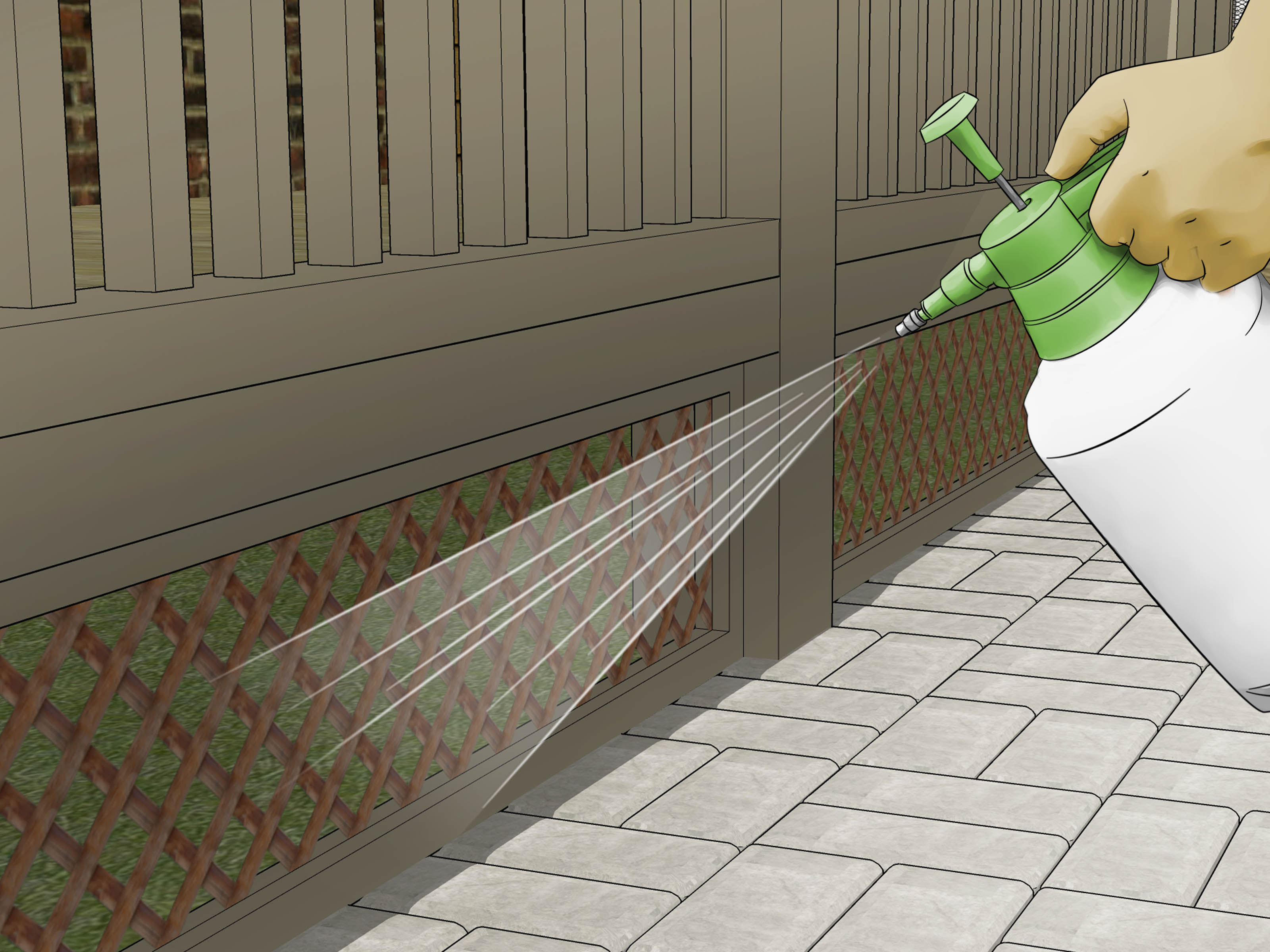
If you choose to use a pesticide, read and follow the label exactly. Do not apply products to furniture, cushions, toys, grills, pet bowls, or areas where people handle food unless the label specifically allows it. Target cracks, crevices, and exterior areas where spiders hide rather than spraying broadly. Smart pest control is precise, not dramatic.
What Not to Do When Trying to Keep Spiders Away
Do Not Rely on One Miracle Trick
One peppermint spray, one ultrasonic gadget, or one heroic Saturday cleaning session will not permanently spider-proof a patio. Spiders are persistent because insects are persistent. A good prevention plan combines several habits: clean, reduce insects, remove clutter, manage lights, and block access.
Do Not Leave Webs Until “Later”
Fresh webs are easier to remove than dusty, layered cobwebs. A quick sweep every few days beats a monthly battle with a broom, a ladder, and a face full of regret.
Do Not Forget Safety
Wear gloves when moving firewood, pots, stored cushions, or debris. Be especially cautious in dark corners, sheds, under furniture, and around stacked items. Most spiders are not dangerous, but caution is still smarter than grabbing blindly into a mystery corner.
Best Patio Maintenance Schedule for Spider Prevention
A simple schedule makes spider prevention easier. You do not need to deep-clean your patio daily. You just need consistent habits that interrupt webs, insects, and hiding places.
Every 2–3 Days
Sweep visible webs from furniture, railings, corners, and light fixtures. Turn off unnecessary outdoor lights at night. Shake out cushions before sitting if the patio has been unused.
Once a Week
Vacuum or brush furniture frames, wipe tables, remove plant debris, check for standing water, and inspect storage areas. Trim small weeds growing through cracks or near steps.
Once a Month
Inspect screens, door sweeps, weatherstripping, and foundation gaps. Move stored items, clean behind planters, and rinse web-prone areas with a hose. Check outdoor lights and replace harsh white bulbs with warmer or yellow options if insects are gathering.
Extra Tips for Different Patio Types
For Covered Patios
Covered patios often collect webs along ceiling corners, beams, fans, and recessed lighting. Use a long-handled duster and inspect overhead areas weekly. If you have a ceiling fan, clean the blades and motor housing regularly because insects and webbing can collect there.
For Decks
Deck boards, stairs, railings, and undersides provide many hiding places. Keep the area beneath the deck clear of leaves, stored items, and damp debris. If your deck has lattice, inspect it for web buildup and consider whether airflow is adequate.
For Paver Patios
Weeds and cracks between pavers can shelter insects. Sweep regularly, remove weeds, and improve drainage where water pools. Store planters on stands or feet so the surface underneath dries more easily.
For Apartment Balconies
Balconies often attract spiders around railings, lights, sliding doors, and potted plants. Keep storage minimal, use sealed bins, avoid overwatering plants, and check the underside of outdoor chairs. A small balcony can become spider-friendly fast because every corner is close to food, light, or shelter.
Are Patio Spiders Dangerous?
Most patio spiders in the United States are more helpful than harmful. They eat insects and usually avoid people. Many spiders found outdoors are web builders or hunters that want bugs, not drama. Still, some species deserve caution, especially black widows and brown recluses in regions where they occur.
Learn what medically significant spiders in your area look like, and do not handle spiders with bare hands. If you suspect a dangerous spider problem near seating, children’s play areas, pet areas, or storage spaces, call a professional. Peace of mind is worth more than pretending you are starring in a wilderness survival show on your own patio.
My Real-World Patio Spider-Proofing Experience
The most useful lesson about keeping spiders away from a patio is that you cannot treat the patio like a separate island. The patio is connected to the yard, the lights, the plants, the doors, the storage habits, and the tiny insect economy happening after sunset. When people say, “I cleaned yesterday and the webs came back,” the problem is usually not laziness. It is that the patio is still offering spiders the three things they want: dinner, shelter, and peace.
In a typical backyard setup, the first web hotspot is almost always near lighting. A porch lamp beside a sliding door may look charming to humans, but insects treat it like a glowing food court sign. Spiders set up nearby because the hunting is easy. The simplest improvement is switching to a warmer bulb and using a timer. After a few nights, there are usually fewer insects circling the door, and fewer webs stretched between the light fixture and the wall. It is not instant magic, but it is noticeable.
The second big discovery is furniture. Patio chairs are sneaky. The tops may look clean while the underside looks like a haunted attic for ants, dust, and tiny webs. Wicker and woven pieces are especially good at hiding spider activity. A five-minute weekly furniture flipjust tilting chairs, checking the legs, brushing the underside, and shaking cushionscan prevent the “I sat down and something moved” moment that ruins a perfectly good iced tea.
Planters are another common trouble spot. People love grouping pots together because it looks lush and intentional, but tight clusters can stay damp and attract insects. Raising pots on feet, spacing them slightly apart, and removing dead leaves from the soil surface makes a big difference. The patio still looks green and welcoming, just less like a spider apartment complex with botanical landscaping.
Storage habits matter more than most people expect. A half-open deck box, a stack of unused cushions, or an old bag of potting mix can become a quiet hiding zone. Switching to sealed containers and keeping rarely used items away from the main seating area makes the patio easier to maintain. The same goes for firewood. A rustic stack beside the patio may look cozy in photos, but it is better placed farther away on a rack.
The best routine is simple: sweep webs twice a week, manage the lights, keep plants trimmed, reduce damp spots, and inspect hidden furniture areas. This approach feels less dramatic than spraying everything, but it works because it changes the environment. Instead of fighting spiders one by one, you make the patio less worth their time. That is the secret. You are not trying to eliminate every spider in the yard. You are politely convincing them that the fence line, shrubs, or garden beds are better career opportunities than your favorite chair.
Conclusion
Keeping spiders away from your patio is not about panic, poison, or performing broom karate every evening. It is about making your outdoor space less attractive to spiders by removing webs, reducing insect prey, eliminating hiding places, trimming vegetation, managing moisture, and sealing easy entry points. Most spiders are beneficial in the yard, but they do not need VIP access to your patio furniture.
Start with the easiest changes: sweep webs, switch outdoor lights, clear clutter, and clean under furniture. Then build a weekly routine that keeps the patio dry, tidy, and less bug-friendly. The result is a more comfortable outdoor space where guests can relax, meals can happen without surprise silk decorations, and your patio finally feels like yours again.
Note: This article is based on research-backed integrated pest management principles and practical spider-prevention guidance from U.S. pest-safety and university extension resources. Always follow product labels when using pest-control products, and contact a licensed professional for severe infestations or suspected dangerous spiders.