Note: This article is written for readers who want a beautiful, functional, and realistic mudroom or entrywayone that can survive wet boots, runaway backpacks, mystery keys, pet leashes, grocery bags, and the occasional “Where did I put my sunglasses?” crisis.
Why Mudrooms and Entryways Deserve More Love
A mudroom or entryway is the first handshake your home gives. Sometimes it is elegant and polished. Sometimes it is holding three umbrellas, two mismatched shoes, a dog towel, and a school permission slip from last Tuesday. Either way, this small but mighty zone has a huge job: it welcomes guests, catches clutter, protects the rest of the house from dirt, and helps everyone leave on time without turning the morning into a competitive sport.
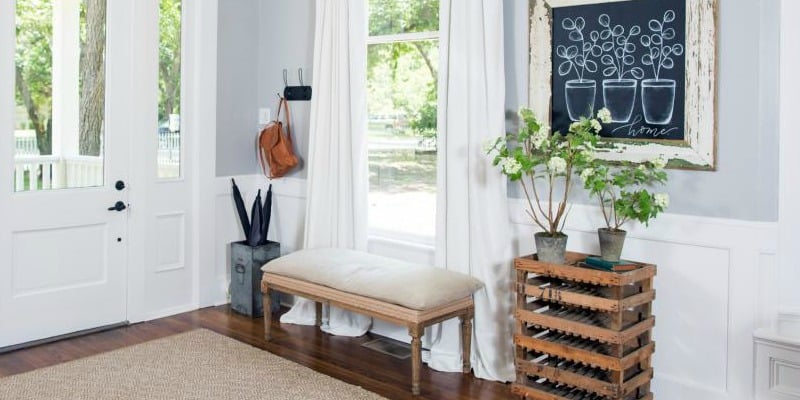
The best mudroom ideas and entryway design ideas combine three things: storage, durability, and personality. A bench is not just a bench; it is a shoe-tying station, a grocery-bag landing pad, and a tiny emotional support platform after a long day. Hooks are not just hooks; they are the difference between a clean wall and a coat pile that slowly becomes a textile mountain. Cubbies, baskets, lockers, rugs, tile, mirrors, lighting, and closed cabinets all play a role in making the entry feel calm, useful, and stylish.
Whether you have a spacious back-door mudroom, a narrow hallway, a garage entrance, a laundry-room pass-through, or a “mudroom” that is technically one wall and a dream, there are countless ways to make it work. Below are 100+ inspiring mudrooms and entryways ideas to help you design a space that looks good, functions hard, and does not judge you for owning six tote bags.
What Makes a Great Mudroom or Entryway?
1. A Clear Drop Zone
Every functional entryway needs a drop zone. This is the place where keys, wallets, sunglasses, mail, bags, and everyday items land. Without one, these items travel freely around the home like tiny escape artists. A simple tray, wall shelf, console table, shallow drawer, or built-in niche can solve the problem beautifully.
2. Seating That Actually Gets Used
A bench makes an entryway instantly more practical. It gives children a place to wrestle with sneakers, adults a place to pull on boots, and guests a spot to pause. Storage benches are especially useful because they provide seating on top and shoe or basket storage underneath. For small spaces, a slim bench or floating bench can offer function without blocking traffic flow.
3. Hooks at the Right Height
Hooks are entryway superheroes. They are affordable, space-saving, and easy to install. Place adult hooks higher, child hooks lower, and pet-leash hooks near the door. Wall hooks often work better than freestanding coat racks because they keep items spread out instead of creating one overloaded tower of jackets that looks like it is plotting something.
4. Shoe Storage That Fits Real Life
Shoes are usually the main villain in mudroom clutter. Open shelves are great for daily footwear, closed cabinets hide visual mess, boot trays collect water, and labeled baskets help families keep pairs together. The best shoe storage system is not necessarily the fanciest one; it is the one people will actually use when they are tired, late, or carrying groceries.
5. Durable Floors and Easy-Clean Surfaces
Mudrooms deal with rain, snow, sand, garden soil, sports gear, muddy paws, and everything else the outdoors throws at your home. Durable flooring matters. Porcelain tile, ceramic tile, brick pavers, stone, luxury vinyl plank, sealed concrete, and washable rugs can all work depending on your style and budget. Choose surfaces that are moisture-resistant, easy to clean, and not too slippery.
100+ Inspiring Mudroom and Entryway Ideas
Smart Storage Ideas
1. Install floor-to-ceiling built-ins for coats, shoes, and bags. 2. Add individual lockers for each family member. 3. Use labeled baskets under a bench. 4. Choose closed cabinets to hide seasonal clutter. 5. Add open cubbies for quick-grab items. 6. Use a narrow dresser as an entryway console. 7. Hang floating shelves above hooks. 8. Add a mail sorter near the door. 9. Use a small bowl for keys. 10. Install a wall-mounted organizer for tight spaces.
11. Add a shoe cabinet with tilt-out drawers. 12. Place a boot tray near the entrance. 13. Use clear bins for hats and gloves. 14. Store umbrellas in a tall ceramic vessel. 15. Add a slim rolling cart for pet supplies. 16. Use woven baskets for texture and hidden storage. 17. Install overhead cabinets above a bench. 18. Add pull-out drawers under seating. 19. Use vertical dividers for bags and backpacks. 20. Mount hooks inside a closet door.
Bench and Seating Ideas
21. Build a custom bench with drawers below. 22. Choose a freestanding wooden bench for flexibility. 23. Add a cushion in performance fabric. 24. Use a floating bench to make the floor feel open. 25. Add a vintage church pew for charm. 26. Try a storage ottoman in a small foyer. 27. Use a corner bench in an awkward entry. 28. Place a bench beside the garage door. 29. Add a waterproof cushion for wet coats. 30. Pair a bench with wall paneling for a custom look.
Small Entryway Ideas
31. Use hooks instead of bulky furniture. 32. Hang a mirror to reflect light. 33. Choose a narrow console table. 34. Add a wall shelf for keys and mail. 35. Use a runner rug to define the space. 36. Install peg rails for flexible storage. 37. Place a small stool under a shelf. 38. Convert a coat closet into a mini mudroom. 39. Use beadboard to visually frame a one-wall drop zone. 40. Choose light paint colors to make the area feel larger.
41. Install over-the-door storage. 42. Add a small wall-mounted cabinet. 43. Use stackable shoe racks. 44. Try a fold-down wall desk for mail sorting. 45. Mount a corkboard for reminders. 46. Use a narrow tray for keys. 47. Keep only daily shoes at the door. 48. Use a washable rug instead of a tiny mat. 49. Add sconces if overhead lighting is weak. 50. Keep decor minimal but intentional.
Family-Friendly Mudroom Ideas
51. Give each child a labeled cubby. 52. Use low hooks so kids can hang their own coats. 53. Add a homework or school-paper station. 54. Store sports gear in ventilated bins. 55. Keep lunch boxes near backpacks. 56. Add a family calendar. 57. Use color-coded baskets. 58. Place a laundry hamper for dirty socks and uniforms. 59. Add a charging station for devices. 60. Keep emergency items like sunscreen, bug spray, and hand sanitizer near the exit.
Pet-Friendly Entryway Ideas
61. Add a leash hook by the door. 62. Store pet towels in a basket. 63. Create a feeding drawer for treats. 64. Add a washable runner for muddy paws. 65. Install a built-in pet bed under the bench. 66. Use a small cabinet for grooming supplies. 67. Keep waste bags in a labeled container. 68. Add a paw-washing station if space allows. 69. Use durable tile around pet zones. 70. Keep a lint roller handy because love is furry.
Stylish Decor Ideas
71. Paint built-ins in a deep navy, forest green, warm taupe, or soft blue. 72. Add wallpaper for personality. 73. Use patterned tile to make the floor a focal point. 74. Hang framed art above the bench. 75. Add brass, black, or nickel hooks depending on your hardware style. 76. Use shiplap or beadboard for texture. 77. Add a vintage rug for warmth. 78. Display a pretty basket collection. 79. Hang a statement mirror. 80. Use a bold door color to energize the entry.
81. Add wainscoting to protect walls. 82. Mix wood tones for a collected look. 83. Use matte finishes for a modern feel. 84. Add plants if the area gets light. 85. Choose a console table with drawers. 86. Use ceramic catchall dishes. 87. Hang seasonal wreaths indoors. 88. Add a gallery wall in a hallway entry. 89. Try checkerboard tile for timeless charm. 90. Use black-and-white contrast for crisp style.
Luxury and Custom Mudroom Ideas
91. Add built-in lockers with doors. 92. Include a utility sink for gardening or pet cleanup. 93. Install heated floors in cold climates. 94. Use custom cabinetry that matches the kitchen. 95. Add under-bench lighting. 96. Include a hidden charging drawer. 97. Build a full-height pantry cabinet for bulk items. 98. Add a wrapping or flower-arranging counter. 99. Use stone flooring for an elevated look. 100. Install a pocket door to separate the mudroom from the main living area.
101. Add a laundry station beside the entry. 102. Create a garage-to-house transition zone. 103. Use glass-front cabinets for pretty storage. 104. Include a built-in message center. 105. Add a skylight or glass door for natural light. 106. Use reclaimed wood for rustic charm. 107. Add a boot dryer in snowy regions. 108. Include a hidden trash and recycling pullout. 109. Design a mudroom island for large spaces. 110. Finish the room with hardware that feels as thoughtful as the rest of the house.
Mudroom Layout Ideas for Different Homes
The Garage Entry Mudroom
Many families enter the home through the garage more often than the front door. That makes the garage entry an ideal place for a practical mudroom. A bench, shoe trays, wall hooks, and a cabinet for outdoor gear can stop clutter before it reaches the kitchen. If you have a narrow garage passage, use vertical storage and avoid deep furniture that blocks movement.
The Laundry Room Mudroom
A laundry room can double as a hardworking mudroom, especially if it sits near an exterior door. Add hooks for jackets, baskets for sports clothes, and a durable counter for folding or sorting. This layout is perfect for families because dirty items can go straight into the wash instead of taking a scenic tour through the house.
The Front Foyer Entryway
Not every home has a separate mudroom, and that is perfectly fine. A front foyer can still function beautifully with a console, mirror, rug, hooks, and a small shoe solution. The key is restraint. Keep only what is needed daily, and store the rest in closets, bedrooms, or seasonal bins.
The Narrow Hallway Mudroom
A narrow hallway can become a mudroom with clever wall-mounted pieces. Think peg rails, floating shelves, slim shoe cabinets, and shallow benches. The goal is to use vertical space without turning the hallway into an obstacle course. Leave enough walkway clearance so people can pass comfortably.
Best Materials for Mudrooms and Entryways
Flooring
For high-traffic entryways, flooring should be tough, moisture-resistant, and simple to clean. Porcelain and ceramic tile are popular because they come in endless styles and handle wet conditions well. Brick pavers bring warmth and historic character. Luxury vinyl plank can mimic wood while offering water resistance. Natural stone looks beautiful but may require sealing. Whatever material you choose, consider texture and slip resistance, especially in rainy or snowy climates.
Walls
Entryway walls take a beating from backpacks, coats, elbows, pet tails, and life in general. Semi-gloss or satin paint is easier to wipe clean than flat paint. Beadboard, shiplap, wainscoting, and vertical paneling add protection and style. Wallpaper can also work well, especially above paneling or in a powder-room-adjacent mudroom where you want a little drama.
Storage Finishes
Painted cabinets, natural wood, metal hooks, woven baskets, and washable fabrics all help create a space that feels finished rather than purely utilitarian. For a timeless look, mix open and closed storage. Open storage keeps daily items accessible; closed storage hides the things that do not need to be visually available, such as extra gloves, dog sweaters, and the reusable bag collection that somehow multiplied overnight.
How to Keep a Mudroom Organized
Designing a beautiful entryway is one thing. Keeping it beautiful on a random Wednesday is another. The secret is to create habits that are almost too easy to fail. Keep only the current season’s items in the mudroom. Give every category a home: shoes, coats, mail, keys, bags, pet supplies, sports gear, and cleaning items. Use labels if multiple people share the space. Add a small trash or recycling bin for junk mail. Do a two-minute reset each evening. It sounds simple because it isand simple systems are the ones that survive real life.
One helpful rule is the “one step rule.” If someone has to open three doors, remove a lid, and solve a small puzzle to put away shoes, the shoes will live on the floor. Choose storage that requires one easy movement. Hooks beat hangers for daily coats. Open baskets beat lidded boxes for frequently used gear. A tray beats a drawer for wet boots. The fewer barriers you create, the cleaner the space will stay.
Common Mudroom Mistakes to Avoid
Buying Furniture That Is Too Large
A giant hall tree can look amazing online and overwhelming in a small entry. Measure first. Leave walking space. Make sure cabinet doors and drawers can open fully. The best mudroom furniture fits the room and the rhythm of the household.
Skipping Closed Storage
Open shelves are convenient, but too much open storage can look chaotic. Balance open hooks and cubbies with closed cabinets, drawers, or baskets. This keeps the room looking calm even when life is not.
Ignoring Lighting
A dark entryway feels cramped and unwelcoming. Add ceiling lights, sconces, lamps, or LED strips under shelves. Good lighting helps you find shoes, read labels, and avoid stepping on a rogue toy dinosaur before coffee.
Forgetting Seasonal Rotation
If winter boots, beach towels, soccer cleats, and holiday returns all live in the same entryway at once, no storage system can save you. Rotate seasonal items and move rarely used pieces elsewhere.
of Real-Life Experience: What Mudrooms Teach You
After spending time studying and planning mudrooms and entryways, one thing becomes clear: these spaces are honest. A living room can pretend everyone is tidy. A mudroom knows the truth. It sees the backpacks dropped mid-sprint, the wet umbrellas opened indoors “just for a second,” the shoes kicked off with Olympic confidence, and the mail pile that begins as one envelope and somehow becomes a paper lasagna.
The most successful mudrooms are not designed around fantasy. They are designed around behavior. If your family drops shoes immediately inside the door, put shoe storage exactly there. If the dog comes in muddy after every walk, keep towels near the entrance, not in a linen closet three rooms away. If children forget their school items, give them low hooks and labeled baskets they can reach. If adults misplace keys, create a small tray in the most obvious place possible. A good entryway does not try to change everyone’s personality before breakfast. It quietly makes the right action the easiest action.
Another lesson is that beauty matters more than people think. A mudroom does not need to be fancy, but when it looks intentional, people tend to respect it more. Paint the bench a color you love. Choose hooks that feel sturdy and attractive. Add a runner that can be washed. Hang art, use wallpaper, or install paneling. These details send a message: this is not a dumping ground; this is part of the home. And yes, the home would appreciate it if the soccer cleats stayed in their basket.
Small-space mudrooms can be surprisingly powerful. A single wall with hooks, a shelf, and a bench can change the way a household functions. A converted closet can become a charming drop zone. A narrow hallway can hold a shoe cabinet and a mirror. Even a tiny apartment entry can feel organized with a tray, a peg rail, and a rug. The goal is not to copy a magazine-perfect room; it is to solve the daily friction points that make leaving and arriving stressful.
Maintenance is the final piece. Every mudroom needs a reset routine. Once a week, remove extra shoes, toss junk mail, return random items to their rooms, and check whether the baskets are still doing their jobs. Storage systems can drift over time. The basket for gloves becomes the basket for receipts, granola bars, and one mysterious screwdriver. That is normal. A quick reset keeps the room working.
Ultimately, a mudroom or entryway is not just about storage. It is about smoother mornings, cleaner floors, easier arrivals, and a more welcoming first impression. It is the room that says, “Come in, take off your shoes, hang your coat, and please do not leave your keys in the refrigerator again.” Functional, stylish, and forgivingthat is the magic of a great mudroom.
Conclusion
The best mudrooms and entryways are not one-size-fits-all. They reflect the people who use them, the climate outside the door, the amount of space available, and the daily items that need a home. Some homes need custom lockers and durable tile. Others need a slim console, a few hooks, and a basket that bravely handles the family’s reusable bags.
Start with function, then add style. Create a drop zone, add seating if space allows, control shoes, use hooks generously, choose durable materials, and bring in details that make the space feel connected to the rest of your home. Whether you are dreaming of a full built-in mudroom or improving a tiny apartment entry, small changes can make a huge difference. After all, a peaceful home often begins right at the door.