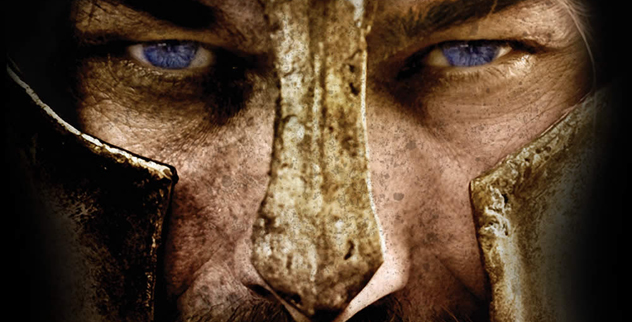
Ancient Rome had emperors, senators, poets, engineers, and enough marble to make a modern luxury hotel feel underdressed. But few figures still capture the public imagination like the gladiator. These arena fighters were trained performers, professional combatants, enslaved people, prisoners of war, volunteers, celebrities, and symbols of Roman power all at once. In short, they were the ancient world’s most dramatic mix of athlete, soldier, showman, and unwilling reality-TV star.
When people search for famous gladiators from Ancient Rome, one name usually charges into the room first: Spartacus. Yet Roman history, inscriptions, poems, graffiti, and later accounts preserve several other names that deserve attention. Some became famous for rebellion. Some for skill. Some for unusually long careers. Others became legends because Roman fans, like modern sports fans, loved an upset, a rivalry, and a good story to repeat at dinner.
This guide explores 10 famous Roman gladiators and arena fighters whose names survived the dust, politics, and popcorn-free chaos of the amphitheater. We will look at what made them memorable, what history can reasonably tell us, and why their stories still matter nearly 2,000 years later.
What Was a Gladiator in Ancient Rome?
A gladiator was a trained fighter who performed in public games across the Roman Republic and Roman Empire. The word comes from gladius, the short sword associated with Roman soldiers. But not every gladiator used the same weapon. Roman audiences enjoyed variety, so fighters were divided into different types, each with distinct armor, weapons, and fighting styles.
A murmillo usually carried a large shield and short sword. A retiarius fought with a net and trident, looking a bit like someone wandered into a seafood market and came out ready for battle. A secutor was heavily armed and often matched against the retiarius. A Thraex, or Thracian-style gladiator, used a curved blade and smaller shield. These pairings were designed to create contrast: speed against armor, reach against defense, agility against raw pressure.
Gladiatorial games were not random street brawls. They were organized spectacles with training schools, sponsors, rules, referees, and crowd expectations. Some fights were deadly, but the popular idea that every match ended in death is too simple. Gladiators were expensive to train and maintain. A skilled fighter could become a valuable performer, and Romans often admired courage, discipline, and style as much as victory.
1. Spartacus: The Gladiator Who Shook Rome
No list of famous gladiators from Ancient Rome can begin anywhere else. Spartacus was a Thracian gladiator who became the leader of the Third Servile War, the largest slave uprising against the Roman Republic. Around 73 BCE, he and a group of fellow gladiators escaped from a training school in Capua. What began as a desperate breakout grew into a massive rebellion that challenged Roman armies for years.
Spartacus was not famous because he won a championship belt in the arena. He became famous because he transformed from an enslaved fighter into a military leader. His forces defeated several Roman commanders and moved across southern Italy, gathering enslaved people and others who had little love for Roman authority. The revolt eventually ended when Marcus Licinius Crassus crushed the rebellion in 71 BCE, but Spartacus had already entered history as a symbol of resistance.
Why Spartacus Still Matters
Spartacus represents more than arena fame. He became a lasting symbol of defiance against oppression. Later generations turned him into a hero of liberty, even when the historical details were incomplete. That is part of his power: the real Spartacus is partly hidden, but the idea of Spartacus is impossible to ignore.
2. Crixus: The Fierce Gallic Rebel
Crixus was another major figure in the Spartacus rebellion. He was a Gallic gladiator who escaped from the same Capuan school and became one of the uprising’s leading commanders. Ancient sources suggest that Crixus and Spartacus eventually disagreed about strategy. Spartacus may have wanted to move toward escape from Italy, while Crixus and his followers appear to have preferred continued fighting and raiding within Roman territory.
Crixus led a separate force and was defeated by Roman troops in 72 BCE. His death was a major blow to the rebellion. According to later traditions, Spartacus honored Crixus after his fall, showing that even when rebel leaders split, Crixus remained important to the movement.
The Legacy of Crixus
Crixus is remembered as the bold, aggressive counterpart to Spartacus. Where Spartacus became the grand symbol of rebellion, Crixus represents the fury of those who had no reason to trust Rome and no interest in waiting politely for justice to arrive wearing sandals.
3. Oenomaus: The Early Leader of the Revolt
Oenomaus was another gladiator connected to the great escape from Capua. He is often described as Gallic and appears in ancient accounts as one of the early leaders of the slave army. Although less famous than Spartacus and Crixus, Oenomaus played an important role in the first phase of the uprising.
He likely helped lead the rebels during their early victories, including the period when Roman forces underestimated the escaped gladiators. That was Rome’s first big mistake. The second was assuming that men trained for combat, discipline, and survival would politely return to chains after tasting freedom.
Why Oenomaus Deserves Attention
Oenomaus reminds us that history often remembers one face while movements are built by many. Without figures like Oenomaus, the revolt may never have grown beyond a dramatic prison break. His fame is quieter, but his role was significant.
4. Gannicus: The Rebel Commander With a Lasting Name
Gannicus was another leader associated with the Third Servile War. Ancient references identify him as one of the commanders who fought alongside or near Spartacus. Like Crixus and Oenomaus, he is often connected to the broader group of escaped gladiators and enslaved fighters who turned a local revolt into a crisis for Rome.
Gannicus later separated from Spartacus with a large group of followers. He and his force were defeated by Roman troops near the end of the rebellion. Although historical details about his personality are limited, his name survived because he became part of one of Rome’s most alarming internal conflicts.
Gannicus in History and Popular Culture
Modern entertainment has given Gannicus a larger personality than ancient sources provide. That is common with gladiator history. The record gives us names and events; storytelling fills in the swagger. Still, the historical Gannicus was real enough to be remembered as one of the rebel commanders who forced Rome to take the uprising seriously.
5. Flamma: The Gladiator Who Refused Freedom
Flamma is one of the most fascinating names in gladiator history. He was reportedly a Syrian gladiator with an unusually long and successful career. His tomb inscription is often cited as evidence of his record: 34 fights, 21 victories, several draws, and multiple reprieves. Most striking of all, Flamma is said to have been awarded the wooden sword, or rudis, which symbolized freedom, more than onceand refused it.
That detail makes Flamma unforgettable. Why would a gladiator turn down freedom? We cannot read his mind, and ancient stone does not include helpful footnotes like, “Flamma was complicated.” But possible reasons include fame, money, identity, pressure, or the reality that life outside the arena was not automatically safe or prosperous.
The Meaning of Flamma’s Career
Flamma shows that gladiators occupied a strange place in Roman society. They were socially marginalized, yet some became admired celebrities. They lived under danger, yet a few gained status and income. Flamma’s story is not simple, which is exactly why it feels real.
6. Priscus: The Gladiator Who Earned Freedom in the Colosseum
Priscus is famous because of one extraordinary match. During the opening games of the Flavian Amphitheaterthe building we now call the Colosseumin 80 CE, Priscus fought another gladiator named Verus. The poet Martial preserved an account of their contest, making it one of the rare detailed descriptions of an individual gladiatorial fight from Roman literature.
The fight between Priscus and Verus was remembered because both men were evenly matched. Neither could defeat the other easily. The crowd demanded mercy, and the emperor Titus eventually granted both fighters freedom. For once, the big arena story ended with two survivors and a satisfied audience. Hollywood would have added thunder. Rome settled for poetry.
Why Priscus Is Famous
Priscus became immortal not because we know his whole life, but because one day in the Colosseum was written down. That is how ancient fame often worked: one spectacular performance, one poet with ink, and suddenly your name lasts longer than most emperors’ building projects.
7. Verus: The Equal of Priscus
Verus shares his fame with Priscus, and rightly so. Their duel was not remembered as a one-sided victory but as a contest of equals. In Roman entertainment, that mattered. Audiences wanted drama, but they also appreciated skill, endurance, and composure.
Verus and Priscus fought until both were recognized as worthy. The emperor’s decision to award freedom to both made the match an ideal piece of imperial theater. Titus looked generous. The crowd got a thrilling contest. The fighters walked away with honor. Everyone won, which was not exactly the standard Roman arena business model.
Verus and the Power of a Shared Legend
Verus proves that fame does not always require standing alone. His name survives because of rivalry, balance, and mutual respect. In many ways, Priscus and Verus are the ancient Roman version of a legendary sports matchup that fans never stop discussing.
8. Spiculus: Nero’s Favorite Gladiator
Spiculus was a celebrated gladiator during the reign of Emperor Nero. He reportedly gained attention after defeating a veteran fighter named Aptonetus. Nero admired him and rewarded him lavishly, giving him wealth and status that most gladiators could only dream about.
Being Nero’s favorite, however, was not exactly a retirement plan with dental benefits. Nero’s world was unstable, dangerous, and politically toxic. Later accounts claim that near the end of Nero’s reign, the emperor wanted Spiculus to assist in his death, but Spiculus could not be found. Whether every detail is reliable or not, the story shows how closely famous gladiators could become entangled with imperial drama.
What Spiculus Reveals About Gladiator Celebrity
Spiculus demonstrates that a top gladiator could become a household name among elite Romans. He was not merely a fighter; he was a performer with fans, patrons, and political value. Fame in Rome could be profitable, but it could also place a person dangerously close to powerful men with terrible judgment.
9. Marcus Attilius: The Underdog of Pompeii
Marcus Attilius is known largely through graffiti from Pompeii. That alone makes him wonderfully Roman. Today we have comment sections; Pompeii had walls. His fame comes from records showing that he was a newcomer who defeated more experienced gladiators. One inscription presents him as a novice who beat Hilarus, a veteran with many victories.
That kind of upset was exactly the sort of thing fans loved. A new fighter enters, expectations are low, the veteran seems safe, and thensurprisethe rookie makes a name for himself. If ancient Rome had sports radio, Marcus Attilius would have been the topic for three straight days.
Why Marcus Attilius Is Important
Marcus Attilius gives us a glimpse of everyday arena culture. Not every famous gladiator led a rebellion or knew an emperor. Some became famous because local fans scratched their names onto walls and remembered a great performance. That makes his story feel close to ordinary Roman life.
10. Tetraites: The Gladiator Preserved in Art
Tetraites is another gladiator whose fame comes through material evidence rather than a long written biography. His name appears in connection with visual depictions, including glass and other artifacts showing named gladiators. He is often associated with a fight against another gladiator named Prudes.
What makes Tetraites interesting is that his reputation traveled through objects. In the Roman world, famous gladiators could appear in art, decoration, souvenirs, and household items. That suggests fans did not simply watch a match and forget it. They carried gladiator fame into daily life, much as modern fans wear jerseys or collect posters.
Tetraites and Ancient Fan Culture
Tetraites shows us that gladiator celebrity was visual, portable, and marketable. His name surviving on objects tells us that arena fighters could become recognizable brands. Ancient Rome did not have social media, but it did have mosaics, graffiti, lamps, cups, and people very willing to talk about their favorite fighters.
Were Gladiators Heroes, Victims, or Entertainers?
The honest answer is: sometimes all three, depending on the person and the context. Many gladiators were enslaved, condemned, or forced into the arena. Others volunteered, usually because they were desperate for money, status, or a fresh start. Roman society admired their courage but also looked down on their social position. That contradiction is one of the reasons gladiators remain so fascinating.
Gladiators lived at the edge of Roman respectability. They could be adored by crowds but excluded from polite society. They could be praised for bravery while being denied ordinary dignity. They were symbols of Roman discipline and spectacle, yet many were people Rome had conquered, enslaved, or pushed aside.
What Made a Gladiator Famous in Ancient Rome?
Several things could make a gladiator famous. Winning mattered, of course, but survival mattered too. A long career suggested skill, stamina, and crowd appeal. A memorable fighting style could turn a man into a favorite. A dramatic duel, like that of Priscus and Verus, could become literary history. A shocking upset, like Marcus Attilius defeating veterans, could light up local fan culture. Association with an emperor, as in the case of Spiculus, could transform a fighter into a celebrity.
Then there were gladiators like Spartacus, Crixus, Oenomaus, and Gannicus, whose fame came from leaving the arena behind and fighting Rome itself. Their stories are less about entertainment and more about resistance, leadership, and the explosive pressure inside a society built on conquest and slavery.
Common Myths About Roman Gladiators
Myth 1: Every Fight Ended in Death
Many fights were dangerous, and death was always possible, but not every contest ended that way. Gladiators were trained investments. Owners, sponsors, and audiences often valued skilled fighters too much to waste them casually.
Myth 2: Gladiators Were Always Untrained Brutes
In reality, gladiators trained in specialized schools. They learned weapons, timing, endurance, and showmanship. A successful gladiator needed more than strength. He needed discipline, nerve, and the ability to survive while thousands of people judged his every move.
Myth 3: Gladiators Only Fought in the Colosseum
The Colosseum is the most famous arena, but gladiatorial games took place across the Roman world. Amphitheaters existed in many cities, from Italy to North Africa, Gaul, Spain, and beyond.
Experiences and Reflections Related to Famous Roman Gladiators
Studying the 10 famous gladiators from Ancient Rome feels a little like walking through a museum where half the labels are missing. You see a name, a weapon, a carved figure, a line from an ancient author, or a piece of graffiti from Pompeii. Then your imagination starts working. Who was this person before the arena? What language did he speak at home? Did he want fame, freedom, revenge, survival, or simply one more sunrise?
One of the most powerful experiences in learning about gladiators is realizing how different they were from the movie version. Popular culture often gives us the lone hero standing in the sand, staring nobly into destiny while the music swells. Real gladiator history is messier and more human. Spartacus was not just an action hero; he was a rebel leader navigating strategy, disagreement, hunger, fear, and hope. Flamma was not simply a champion; he was a man whose repeated refusal of freedom raises difficult questions about identity and survival. Marcus Attilius was not a world conqueror; he was probably a local sensation whose name survived because people in Pompeii cared enough to write about him.
Another striking experience is seeing how Roman entertainment shaped memory. Priscus and Verus are famous because Martial wrote about their fight. Tetraites is famous because his name appeared on objects that people kept or displayed. This reminds us that fame is not only about what happened. It is also about what gets recorded. A gladiator might have fought brilliantly for years and vanished from history because no inscription survived. Another might be remembered forever because one poem, wall, or artifact escaped destruction.
There is also a modern lesson in the way Romans treated gladiators as both celebrities and outsiders. Fans admired them, collected their images, discussed their victories, and cheered their courage. Yet many gladiators remained socially dishonored. That uncomfortable mix still feels familiar. Modern culture often celebrates athletes, performers, and public figures while ignoring the systems that pressure, exploit, or consume them. The Roman arena may be ancient, but the habit of turning people into spectacle has not exactly retired to a quiet villa.
For travelers, reading about gladiators can change the experience of visiting Roman sites. The Colosseum becomes more than a postcard. Pompeii’s graffiti becomes more than old writing on old walls. A museum case containing a gladiator image becomes a reminder that real people once argued about favorites, admired technique, and remembered names. The past stops feeling like marble and starts feeling noisy, crowded, and alive.
For writers, students, and history lovers, the best approach is to treat gladiators with curiosity rather than simple romanticism. Their world was thrilling, but it was also harsh. Their courage was real, but so were the inequalities that placed many of them in the arena. The most respectful way to remember famous Roman gladiators is not to turn them into cartoon warriors, but to see them as complex people shaped by a complex empire.
That is why their stories continue to work so well. Spartacus gives us rebellion. Crixus gives us fierce defiance. Oenomaus and Gannicus show the teamwork behind resistance. Flamma gives us mystery. Priscus and Verus give us honor in competition. Spiculus reveals the danger of imperial favor. Marcus Attilius gives us the joy of the underdog. Tetraites gives us ancient fan culture preserved in art. Together, they show that Roman gladiators were not just fighters. They were mirrors reflecting Rome’s power, cruelty, ambition, entertainment, and strange admiration for courage under pressure.
Conclusion: Why Famous Gladiators Still Capture Our Imagination
The famous gladiators of Ancient Rome remain unforgettable because they stand at the crossroads of history and drama. Their lives reveal the spectacle of Roman entertainment, the brutality of social hierarchy, and the enduring human fascination with courage. Some, like Spartacus, changed history. Others, like Priscus, Verus, Marcus Attilius, and Tetraites, survived through poems, graffiti, and art. Their stories remind us that even in a world built on power, individual names could still break through the noise.
To understand gladiators is to understand something essential about Rome itself. The arena was not merely a place of combat. It was a stage where politics, class, empire, celebrity, fear, and admiration met under the open sky. And somehow, after all these centuries, the crowd is still listening.
Note: This article is written for educational web publication, avoids unnecessary graphic detail, and is based on synthesized information from reputable historical and academic-style references about Roman gladiators, the Colosseum, ancient sources, inscriptions, and material evidence.