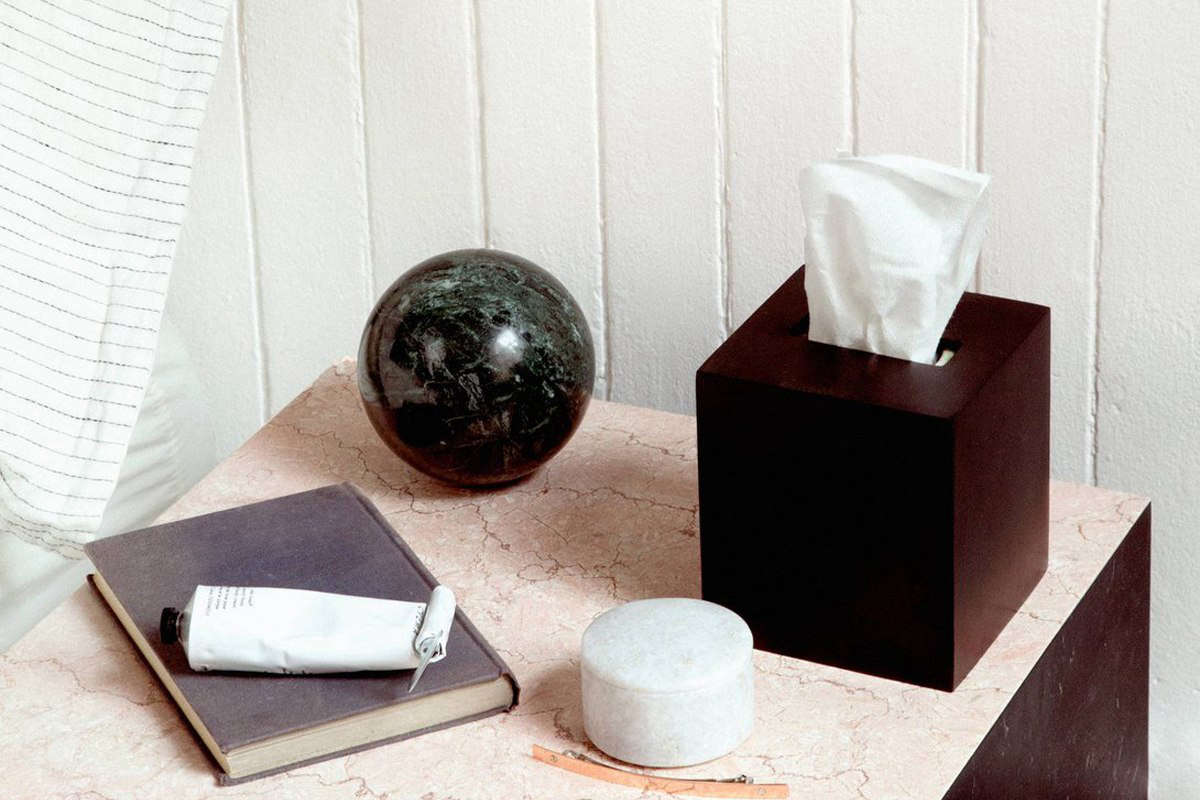
Allergy season has a special talent for turning a calm, well-styled room into a tiny paper-product emergency center. One minute your nightstand looks like a magazine spread; the next, a neon cardboard tissue box has arrived like an uninvited guest wearing loud shoes. The good news? A good tissue box cover can make tissues easier to grab, prettier to display, and less visually chaotic when your nose has decided to audition for a weather siren.
Let’s be clear: a tissue box cover will not cure allergies, reduce pollen counts, or convince dust mites to pack their microscopic bags. But the right cover can support a cleaner, calmer home setup. For allergy-prone households, the best tissue box covers are smooth, wipeable, easy to refill, stable enough for one-handed tissue pulls, and stylish enough to live in plain sight during peak sneeze season.
This guide rounds up ten easy pieces inspired by real product categories and current design trends: acrylic, steel, marble, lacquer, resin, rattan, and minimalist wood-accented designs. Think of it as a small home upgrade with a surprisingly high quality-of-life payoff. Because when your eyes are watering and your nose is running, you should not have to wrestle a cardboard cube with daisies printed on it.
What Makes a Tissue Box Cover Allergy-Friendly?
The phrase “allergy-friendly tissue box cover” sounds almost too specific, like something invented by a person who owns three air purifiers and knows the pollen count before breakfast. But there are practical reasons to be picky. Allergy season often means tissues migrate everywhere: bedside tables, bathroom counters, desks, entry consoles, kids’ rooms, and the car. A cover helps each box look intentional rather than panic-placed.
Choose Wipeable Materials
For people sensitive to dust, pollen, pet dander, or mold, smooth surfaces are your friend. Acrylic, metal, lacquer, resin, glazed ceramic, and polished stone are generally easier to wipe than fabric or deeply woven covers. A weekly pass with a damp microfiber cloth can remove dust instead of launching it into the air like confetti at a sneeze parade.
Avoid Fussy Textures in High-Allergen Rooms
Texture is beautiful, but allergy season has opinions. Rattan, seagrass, linen, and woven materials can look warm and natural, yet they may collect dust more easily than smooth surfaces. That does not mean you must ban them from your home. It simply means they are better in lower-traffic spaces or homes where regular dusting already happens. If your bedroom is your allergy bunker, save the chunky woven cover for a guest bath.
Measure Before You Buy
Tissue boxes come in two common personalities: square boutique boxes and rectangular family-size boxes. Some covers fit the box and all; others require you to remove tissues from the original packaging. Allergy households often go through tissues quickly, so easy refilling matters. A cover with an open bottom, hinged lid, magnetic base, or removable top can save you from performing delicate surgery on a box while half-awake.
10 Easy Pieces: Best Tissue Box Covers for Allergy Season
1. The Clear Acrylic Cover: Best for Minimalists Who Clean Fast
A clear acrylic tissue box cover is the practical overachiever of the group. It blends into almost any room, works with modern bathrooms and office desks, and makes it easy to see when you are running low. That last detail is important during allergy season, when discovering an empty tissue box can feel like betrayal.
Acrylic is lightweight, generally affordable, and simple to wipe clean. Look for a hinged lid or magnetic bottom if you want quick refills. Clear acrylic also works well in small spaces because it does not add visual bulk. The tradeoff is that fingerprints may show, especially in bathrooms. Fortunately, fingerprints on acrylic are far less dramatic than pollen on your pillowcase.
Best for: bathrooms, desks, dorm rooms, guest rooms, and anyone who wants the tissue box to quietly disappear.
2. The Yamazaki-Style Steel and Wood Cover: Best for Calm, Modern Rooms
Steel-and-wood tissue box covers have become a favorite for good reason: they look warm without looking rustic, modern without looking cold, and substantial without shouting. A design with a powder-coated steel body and wooden lid can hold a tissue box steady while offering an easy top-loading experience.
This style is especially useful on a nightstand. The weight helps keep the box from sliding when you pull a tissue with one hand and hold a mug of tea in the other. The wood lid adds softness, while the steel body stays easy to wipe. Choose a square model for boutique boxes or a rectangular model for larger tissue boxes if your allergies are less “occasional sniffle” and more “full-time hobby.”
Best for: nightstands, living rooms, home offices, and minimalist interiors.
3. The Glossy Lacquer Cover: Best for a Polished Bathroom Counter
A lacquer tissue box cover is the home decor equivalent of putting on a crisp white shirt. It is clean, shiny, and instantly makes the surrounding countertop look more deliberate. Lacquered covers often come in spa-inspired shades such as white, black, beige, or soft gray, which makes them easy to coordinate with soap pumps, trays, and toothbrush holders.
For allergy season, lacquer has one major advantage: the surface is smooth. Dust has fewer places to hide, and a damp cloth can freshen it quickly. The look is more elegant than basic plastic but usually less heavy than marble. Just avoid harsh abrasive cleaners, which can dull the finish. Allergies are already abrasive enough; your bathroom accessories do not need the extra drama.
Best for: primary bathrooms, powder rooms, vanities, and neutral interiors.
4. The Marble Tissue Box Cover: Best for Heavyweight Luxury
Marble tissue box covers are not subtle about their ambitions. They are heavy, cool to the touch, and excellent at making tissues look like they belong in a boutique hotel. White marble with gray veining, black marble, and Calacatta-style stone all bring a high-end look to bathrooms and bedrooms.
The allergy-season advantage is stability. A marble cover is unlikely to skid across the table when you yank a tissue mid-sneeze. Smooth stone is also easy to wipe, although it should be treated gently. Avoid acidic or abrasive cleaners, and use a soft damp cloth instead. Marble is porous, so it may not be the best choice for a messy kids’ bathroom, but for an adult bath or bedside table, it is both practical and glamorous.
Best for: luxury bathrooms, guest suites, modern bedrooms, and people who believe even sniffles deserve stonework.
5. The Metal Cover: Best for Durability and One-Handed Pulls
Metal tissue box covers are sleek, durable, and easy to clean. Antique brass, matte black, brushed nickel, white steel, and dark bronze finishes can work with a wide range of decor styles. A well-designed metal cover feels more architectural than decorative, which is perfect if your home leans modern, industrial, or quietly tailored.
For allergy households, metal is a strong option because it does not absorb moisture or cling to dust the way fabric can. It is also usually sturdy enough for repeated use. Look for a cover with a wide top opening so tissues do not shred when pulled. Nothing tests a person’s patience like needing a tissue and getting half a tissue. That is not a design flaw; that is a tiny betrayal.
Best for: high-traffic bathrooms, offices, entryways, and modern living spaces.
6. The Resin Cover: Best for Humid Bathrooms
Resin tissue box covers are underrated. They can mimic stone, ceramic, or matte sculptural surfaces without the same weight or fragility. Many resin bathroom accessories are designed to resist moisture, making them practical near sinks, showers, and tubs.
In allergy season, bathrooms often become tissue stations because steam can help soothe a stuffy nose. A resin cover can handle that environment better than unfinished wood or delicate woven materials. Choose a design with rounded edges and a smooth surface for easy cleaning. Matte resin also hides fingerprints better than clear acrylic, which is helpful when everyone in the house is grabbing tissues like contestants in a very sad game show.
Best for: bathrooms, kids’ bathrooms, humid climates, and busy households.
7. The Rattan Cover: Best for Warmth, With a Cleaning Caveat
Rattan and woven tissue box covers are charming. They add texture, warmth, and a relaxed coastal or organic-modern feeling to a room. In a guest bath, sunroom, or casual living space, a rattan tissue box cover can make tissues feel less clinical and more curated.
But this is the allergy edition, so we must say the quiet part out loud: woven textures can catch dust. If you choose rattan, pick a tightly woven style with a sealed or lacquered finish when possible, and clean it regularly with a dry or slightly damp cloth. Avoid placing it near open windows during heavy pollen days. The cover may be cute, but it should not become a tiny wicker pollen hotel.
Best for: guest baths, beachy interiors, living rooms, and low-dust spaces.
8. The Ceramic or Porcelain Cover: Best for Classic Bathrooms
Ceramic and porcelain tissue box covers bring a clean, traditional look to bathrooms and vanities. Glazed surfaces are generally easy to wipe, and the weight offers good stability. A simple white ceramic cover can blend with nearly any bathroom style, while colored or patterned options can coordinate with tile, towels, and hardware.
For allergy sufferers, glazed ceramic works best when the shape is simple. Skip covers with deep grooves, raised florals, or ornate cutouts unless you enjoy dusting tiny decorative crevices. A plain cube with a smooth top opening is easier to maintain and less likely to collect dust. Think “spa,” not “Victorian doily museum.”
Best for: traditional bathrooms, rental upgrades, powder rooms, and easy-care styling.
9. The Playful Molded Cover: Best for Kids’ Rooms and Sneezing With a Smile
Not every tissue box cover needs to be serious. Molded plastic designs, including small house-shaped covers and soft-touch modern shapes, can bring humor to a kid’s room, playroom, or casual family space. If allergies have turned your child’s bedside table into a pharmacy-adjacent zone, a cheerful cover can make the setup feel less gloomy.
Plastic and molded resin are usually light, affordable, and easy to wipe. Choose one with a stable base and a generous opening. Avoid novelty covers with fuzzy textures or fabric add-ons, which are harder to keep clean. A little whimsy is welcome; a dust magnet with eyes is less welcome.
Best for: kids’ rooms, playrooms, dorms, casual offices, and cheerful bedside setups.
10. The Open-Bottom Square Cover: Best for Fast Refills
An open-bottom square tissue box cover is simple, reliable, and refreshingly low-maintenance. You lift the cover, drop it over a standard boutique tissue box, thread the first tissue through the top, and move on with your life. There is no hinge to break, no lid to align, and no complicated refill routine.
This style is ideal during allergy season because speed matters. When a household goes through tissues quickly, a fussy cover becomes annoying fast. Look for generous interior dimensions, a wide top slot, and enough weight to stay put. Metal, resin, ceramic, and acrylic versions all work well. The design may not win a sculpture prize, but it will quietly do its job, which is more than can be said for your sinuses in April.
Best for: families, guest rooms, bathrooms, desks, and anyone who refills tissues often.
How to Style Tissue Box Covers Around the House
The trick is to treat tissues like part of the room, not a shameful object to hide behind a lamp. In the bedroom, place a covered box on the side of the bed closest to the person who sneezes most. Pair it with a small tray for lip balm, allergy tablets, eye drops, or a water glass. Suddenly the nightstand looks organized instead of medically overwhelmed.
In the bathroom, coordinate the tissue box cover with the soap dispenser or tray. Matching everything is not required, but similar materials help. For example, a marble tissue box cover looks intentional beside a stone tray, while a white lacquer cover pairs easily with chrome, brushed nickel, or matte black fixtures.
In the living room, choose a cover that matches your furniture mood. Wood-and-steel works well with Scandinavian decor, rattan softens neutral rooms, and brass or black metal adds polish. If tissues are always on the coffee table during allergy season, give them a cover that looks like it was invited.
In the home office, go simple. Acrylic, metal, or matte resin keeps the desk clean and calm. A covered tissue box near your keyboard is not glamorous, but neither is sniffing through a video call while pretending everything is fine.
Cleaning Tips for Allergy Season
A tissue box cover is only as allergy-friendly as the habits around it. Wipe smooth covers weekly with a damp microfiber cloth. During heavy pollen days, clean the top surface more often, especially if the box sits near a window, entryway, or pet zone. If you use a woven cover, dust it regularly and avoid letting it sit in damp areas.
Keep one tissue box in each high-use area rather than moving the same box from room to room. This reduces clutter and prevents the frantic “where did the tissues go?” search. It also helps you choose the right cover for each space: marble in the bathroom, steel in the bedroom, acrylic on the desk, and maybe rattan where dust is less of a concern.
Finally, remember that allergy control is bigger than decor. Wash bedding regularly, reduce dust-catching clutter, manage indoor humidity, use proper air filtration when needed, and clean surfaces with methods that trap dust rather than scatter it. A stylish tissue box cover is not the main character in allergy management, but it can be a very helpful supporting actor.
Buying Checklist: What to Look For Before You Click Add to Cart
Fit
Check whether the cover fits square boutique boxes, rectangular boxes, or loose tissues only. If the product description says the original box will not fit, be ready to remove tissues and stack them inside.
Material
For allergy-prone rooms, prioritize acrylic, metal, lacquer, resin, glazed ceramic, or polished stone. Use woven and fabric covers more selectively.
Refill Design
Open-bottom covers are fastest. Hinged lids are tidy. Removable tops are elegant. Magnetic bottoms can be convenient, but check reviews for durability.
Weight
A little weight helps prevent sliding. Marble, ceramic, steel, and resin are better for one-handed pulls than very lightweight plastic covers.
Cleaning
Look for care instructions that match your lifestyle. If the cover requires delicate maintenance and your household is in peak sneeze mode, choose something easier.
Experience Notes: Living With Tissue Box Covers During Allergy Season
The first thing you learn during allergy season is that tissues are not optional. They are infrastructure. They belong beside the bed, near the sofa, next to the sink, on the desk, in the car, and possibly in the emotional support snack drawer. Before using tissue box covers, I used to scatter tissue boxes around the house and pretend the packaging was not bothering me. It was bothering me. A lot. Nothing says “spring refresh” like six cardboard cubes wearing competing floral prints.
The biggest improvement came from placing different covers in different zones. On the nightstand, a heavy cover is the clear winner. When you wake up congested at 3:17 a.m., you do not want to chase a tissue box across the table. A marble or steel cover stays put, and that tiny convenience feels enormous when your eyes are half-closed and your nose has chosen violence.
In the bathroom, wipeability matters most. Steam, toothpaste splatter, skincare residue, and general sink-area chaos all happen there. A glossy lacquer, resin, acrylic, or ceramic cover is easy to clean in seconds. I also prefer lighter colors in bathrooms because they make the counter look calmer. When allergy season already has you feeling puffy and dramatic, a calm countertop is not nothing.
The home office taught another lesson: visibility helps. A clear acrylic cover or simple metal cover looks tidy but keeps tissues obvious enough to grab quickly. During video calls, a covered tissue box looks less like “I am actively falling apart” and more like “I am a prepared adult with tasteful accessories.” Is that distinction silly? Absolutely. Does it help? Also absolutely.
Rattan is where personal preference meets allergy reality. I love the look. It adds warmth to a room instantly. But in a bedroom where dust control matters, I would choose a smoother surface. Rattan works better for a guest bath or living room corner where it can be dusted regularly and is not sitting right beside your face for eight hours. Beautiful does not always mean best, especially when your immune system treats pollen like breaking news.
Another practical tip: buy covers in pairs if you find one you really like. Tissue boxes multiply during allergy season, and matching covers can make the house feel more organized. Two acrylic covers in bathrooms, two steel covers in bedrooms, or one marble cover paired with a matching tray can create visual calm. When the body feels chaotic, the room does not have to join in.
The most underrated benefit is psychological. A tissue box cover turns an allergy necessity into part of the home. It says, “Yes, we sneeze here, but we do it with standards.” That little shift matters. Allergy season can make your home feel like a waiting room if every surface is covered with medicine bottles, tissues, balms, and water glasses. A few thoughtful containers and covers help restore order without hiding the things you actually need.
So, are tissue box covers essential? Technically, no. But neither are matching towels, nice lamps, or coffee mugs that make you happy. The best tissue box covers combine function and small daily pleasure. They keep tissues accessible, soften visual clutter, and make allergy season feel a little less like a siege. In the grand battle against pollen, dust, and mysterious indoor sniffles, that counts as a win.
Conclusion
The best tissue box covers for allergy season are not just decorative disguises. They are small, useful tools for keeping tissues accessible while making your home look calmer and cleaner. For the most allergy-friendly setup, choose smooth, wipeable materials such as acrylic, steel, lacquer, resin, glazed ceramic, or marble. Use woven covers thoughtfully, clean them often, and reserve them for spaces where dust is easier to manage.
If you want one all-purpose recommendation, choose a sturdy open-bottom cover in metal, resin, or acrylic. It will be easy to refill, simple to wipe, and versatile enough for a bedroom, bathroom, or office. If you want a splurge, marble brings weight and elegance. If you want warmth, steel with a wood lid is the sweet spot. If you want humor, a playful molded cover can make even allergy season feel slightly less rude.
At the end of the day, a tissue box cover will not stop pollen from drifting through the world, but it can make your home feel more prepared, polished, and peaceful. And when your nose is running like it has a train to catch, peaceful is a very good design goal.