Note: This guide focuses on everyday kitchen use: choosing ripe pomegranates at the store, keeping them fresh at home, and storing the jewel-like arils without turning your refrigerator into a tiny crime scene.
Pomegranates look dramatic for a reason. They wear a leathery red jacket, hide hundreds of ruby arils inside, and stain cutting boards with the confidence of a fruit that knows it has been painted by mythology. But behind the fancy appearance, selecting and storing pomegranates is surprisingly simple once you know what to look for.
The good news? Most pomegranates sold in grocery stores are already ripe when they arrive. Unlike bananas or avocados, they do not need a countertop spa retreat to finish maturing. Your job is to choose fruit that is heavy, firm, fresh-looking, and free from serious damage, then store it correctly based on when you plan to eat it.
This guide breaks the process into 14 practical steps, from spotting the best fruit in the produce aisle to refrigerating, freezing, and using the arils before they lose their sparkle. Whether you want pomegranate seeds for salads, yogurt bowls, cocktails, sauces, holiday platters, or the noble sport of snacking by the spoonful, these tips will help you buy better fruit and waste less of it.
Why Pomegranates Need a Little Strategy
A pomegranate is not like an apple that politely reveals most of its flaws on the surface. The good stuff is hidden inside, so you have to judge by clues: weight, firmness, skin texture, shape, and signs of freshness. A ripe pomegranate should feel heavy for its size because juicy arils add weight. Its skin should feel firm and taut, not mushy, wet, or collapsed.
Storage matters just as much. Whole pomegranates last much longer than loose arils because the rind protects the seeds from air, moisture loss, and contamination. Once you open the fruit, the clock starts ticking. The arils should go into a clean, covered container in the refrigerator and be eaten within several days. For longer storage, freezing is your best friend.
How to Select and Store Pomegranates: 14 Steps
1. Shop During Peak Pomegranate Season
For the best flavor and value, look for pomegranates in fall and winter. In the United States, they are most commonly available from roughly late September through winter, with many stores carrying them around the holidays. This is when the fruit is usually freshest, juiciest, and most affordable.
You may still find pomegranate juice or packaged arils year-round, but whole fruit is usually at its best during peak season. If the display looks full, the fruit feels weighty, and the price does not make your wallet clutch its pearls, you are probably shopping at the right time.
2. Choose Pomegranates That Feel Heavy for Their Size
Weight is one of the best clues. Pick up two pomegranates of similar size and choose the heavier one. A heavy pomegranate usually means the arils inside are plump and full of juice. A lightweight fruit may be older, drier, or less satisfying when opened.
Do not be shy in the produce aisle. You are not proposing marriage to the fruit; you are simply comparing weight. A good pomegranate should feel surprisingly dense, as if it is carrying secrets, antioxidants, and possibly a small treasure chest.
3. Look for Firm, Taut Skin
The skin should feel firm and tight, almost leathery. A little natural roughness is normal, but the fruit should not feel soft, squishy, or spongy. Firm skin suggests the fruit is still fresh and has not lost too much moisture.
If the rind feels loose, deeply wrinkled, or sunken, the fruit may be past its prime. Some minor dryness near the crown is normal, but major shriveling is a sign that the arils inside may be dry or dull.
4. Do Not Judge by Color Alone
Many shoppers assume the darkest red pomegranate is always the sweetest. Not so fast. Pomegranate skin color can range from pinkish-red to deep burgundy depending on variety, growing conditions, and harvest timing. Color helps, but it should not be your only test.
Instead, combine color with weight and firmness. A medium-red pomegranate that feels heavy and taut is often better than a gorgeous dark-red fruit that feels light, soft, or tired. Beauty is nice, but juice is the real goal.
5. Pick Fruit With a Full, Slightly Angular Shape
Pomegranates are often round when young, but ripe ones may look slightly squared-off or angular because the arils inside press against the rind. A full, plump shape is usually a good sign. Perfectly round fruit is not automatically bad, but a slightly blocky pomegranate can indicate well-developed arils.
Think of it as a fruit with personality. If it looks a little lumpy in a confident way, that may be a good thing. Avoid fruit that looks collapsed, dented, or uneven because of damage rather than natural fullness.
6. Accept Small Surface Scuffs, but Avoid Deep Damage
Pomegranates often have minor scratches, scuffs, or tan patches on the skin. These surface marks usually do not affect the quality of the arils inside. The rind is tough, and a few cosmetic flaws are not a deal-breaker.
What should you avoid? Deep cracks, wet spots, leaking juice, mold, or areas that look blackened and soft. If the rind is split open, bacteria and mold have an easier path inside. That fruit has moved from “rustic charm” to “no thank you.”
7. Check the Crown and Stem End
The crown is the little flower-shaped top of the pomegranate. It should look dry and intact, not moldy or wet. A little dryness is normal because pomegranates have thick skins and are harvested mature, but fuzzy growth or damp decay is a warning sign.
Also look around the stem end and bottom of the fruit. These areas can hide soft spots. If you see mold, deep cracks, or a fermented smell, put the fruit back and choose another one. The produce aisle is full of second chances.
8. Avoid Fruit With Soft Spots or Leaks
Soft spots are one of the clearest signs that a pomegranate is damaged or deteriorating. Press gently with your thumb. The fruit should resist pressure. If one area gives way, feels mushy, or leaks juice, skip it.
A leaking pomegranate may already be cracked inside. Even if part of it is usable, you are gambling with quality and food safety. When buying whole fruit, choose one that is dry, firm, and intact from top to bottom.
9. Buy Based on Your Eating Timeline
If you plan to eat pomegranates within a few days, room-temperature storage is fine as long as the fruit is kept cool, dry, and away from direct sunlight. If you want to keep them for weeks, use the refrigerator.
For meal prep, think backward. Need arils for a dinner party on Saturday? Buy whole fruit earlier in the week and open it closer to serving time. Need pomegranate for smoothies all month? Buy several fruits, remove the arils, and freeze them in portions.
10. Store Whole Pomegranates in a Cool, Dry Place for Short-Term Use
Whole pomegranates can sit at room temperature for short-term storage, especially if your kitchen is cool. Keep them away from sunny windows, ovens, dishwashers, and other warm spots. Heat speeds up moisture loss and can shorten shelf life.
A fruit bowl is fine for a few days, but do not pile pomegranates under heavy produce. They may look tough, but pressure can cause bruising or cracks. Give them a little breathing room. They are dramatic enough without being trapped under a bunch of bananas.
11. Refrigerate Whole Pomegranates for Longer Storage
For longer storage, place whole pomegranates in the refrigerator. The crisper drawer is a good choice because it helps slow moisture loss and keeps the fruit cool. Store them unwashed and uncut until you are ready to use them.
Do not seal whole pomegranates in a wet plastic bag. Moisture trapped against the rind can encourage mold. If you use a bag, choose one with ventilation or leave it slightly open. The goal is cool storage, not a fruit sauna.
12. Wash Pomegranates Before Cutting
Even though you do not eat the rind, wash the outside before cutting. Dirt or bacteria on the skin can transfer to the knife, cutting board, and arils. Rinse the fruit under clean running water and rub the surface with your hands. Skip soap, detergent, bleach, or commercial produce washes.
After rinsing, dry the pomegranate with a clean towel. A dry surface is easier to grip, and your knife is less likely to slip. This small step makes the whole process cleaner, safer, and less chaotic.
13. Store Removed Arils in a Covered Container
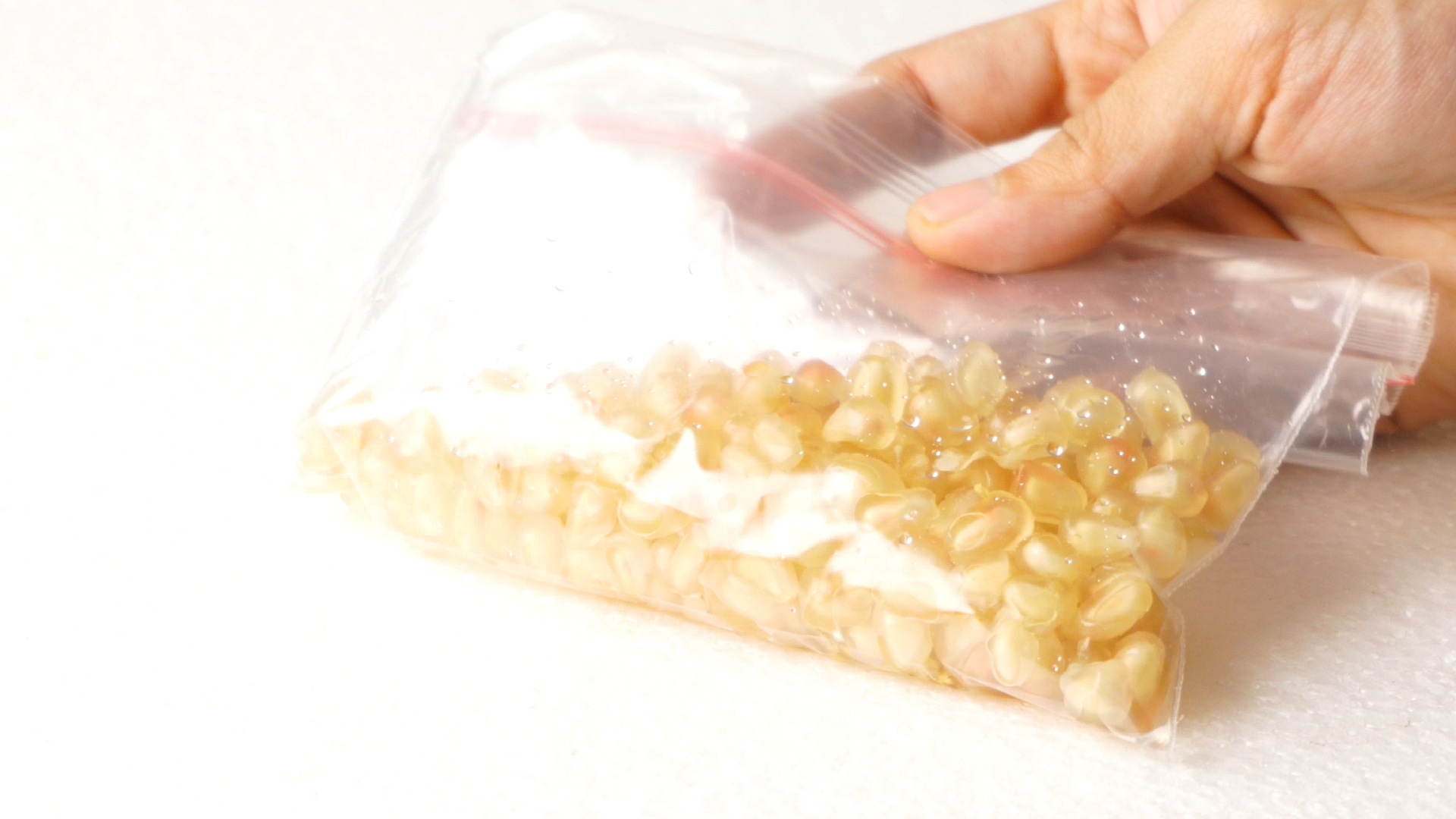
Once you remove the arils, refrigerate them promptly in a clean, food-safe container with a tight lid. Glass containers, BPA-free plastic containers, or reusable silicone bags work well. Keep the arils cold and use them within several days for the best flavor and texture.
Before storing, remove any white membrane pieces and discard arils that look brown, mushy, or smell fermented. Fresh arils should look glossy, plump, and jewel-like. If they look like they have given up on life, they probably have.
14. Freeze Arils for Long-Term Storage
Freezing is the easiest way to save extra pomegranate arils. Spread dry arils on a parchment-lined baking sheet in a single layer and freeze until firm. Then transfer them to a freezer-safe bag or container. This keeps them from freezing into one giant ruby iceberg.
Frozen arils are excellent in smoothies, sauces, oatmeal, yogurt, cocktails, mocktails, and baked goods. They may be softer after thawing, so they are not always as crisp as fresh arils for salads. Still, they are far better than discovering a forgotten pomegranate in the back of the refrigerator three weeks too late.
How to Tell If a Pomegranate Has Gone Bad
A spoiled pomegranate usually announces itself. Watch for mold, leaking juice, a sour or alcoholic smell, deep cracks, large soft spots, or a rind that has collapsed. Inside, bad arils may be brown, slimy, mushy, or unpleasantly fermented.
Some variation in aril color is normal. Depending on variety, arils may be pale pink, bright red, or dark ruby. But they should look fresh and glossy. If the fruit smells off or the texture seems slimy, discard it. Food waste is annoying; food poisoning is much more annoying.
Best Ways to Use Fresh Pomegranate Arils
Fresh pomegranate arils add crunch, tartness, sweetness, and color. Sprinkle them over salads with goat cheese, walnuts, and citrus vinaigrette. Add them to Greek yogurt with honey and granola. Stir them into couscous, rice pilaf, quinoa, roasted squash, or grain bowls.
They also work beautifully with rich foods. Try them over roasted chicken, lamb, salmon, avocado toast, or creamy dips. Their bright acidity cuts through fat and makes simple dishes feel restaurant-worthy. Basically, pomegranate arils are tiny edible confetti with better nutrition.
Common Mistakes to Avoid
Washing Too Early
Wash pomegranates right before cutting, not before long-term storage. Extra moisture on the rind can encourage mold, especially in the refrigerator.
Storing Arils Uncovered
Loose arils dry out quickly and can absorb refrigerator odors. Unless you want pomegranate seeds with a whisper of leftover onion, use a covered container.
Ignoring Weight
A shiny pomegranate that feels light may disappoint you. Weight is one of the most reliable shopping clues, so compare before you buy.
Freezing Wet Arils
Wet arils freeze together and form icy clumps. Pat them dry first, freeze them on a tray, then transfer them to a storage bag.
Real-Life Experience: What Actually Works in the Kitchen
After buying, opening, storing, and occasionally underestimating many pomegranates, one lesson stands out: the heaviest fruit almost always wins. At the grocery store, I like to pick up three or four pomegranates from the same display and compare them in my hands. The best one usually feels dense and balanced, not hollow or oddly light. It is the same instinct you use when choosing a watermelon, only smaller and less likely to strain your wrist.
Another practical habit is buying pomegranates with a plan. When I buy one “just because it looks pretty,” it sometimes becomes countertop décor until guilt sets in. But when I know I want arils for breakfast bowls, a holiday salad, or a roast chicken garnish, I either open the fruit within a day or move it straight to the refrigerator. Pomegranates are patient, but they are not immortal.
For storage, whole fruit is much easier than loose arils. A whole pomegranate in the refrigerator can wait politely while you figure out your menu. Arils, on the other hand, are more like fresh berries: wonderful, delicate, and not interested in long negotiations. Once they are out of the rind, I store them in a clear container so I can see them every time I open the fridge. Visibility matters. Hidden arils become forgotten arils, and forgotten arils become a science project.
The freezer method is the real game changer. The first time I froze pomegranate arils, I tossed them straight into a bag while they were still damp. The result was a frozen red brick that required emotional strength and a butter knife. Now I spread them on a tray first, freeze them separately, and then bag them. That one extra step makes it easy to pour out a handful for smoothies, yogurt, or sparkling water.
One more experience-based tip: do not wear your favorite white shirt when opening pomegranates. Yes, there are neat methods. Yes, you can cut around the crown, score the rind, and open the fruit gently over a bowl. But pomegranate juice has ambition. It travels. It dots sleeves, counters, and occasionally nearby appliances. An apron is not dramatic; it is wisdom.
Finally, the best pomegranate habit is using the fruit in ordinary meals, not saving it only for special occasions. A spoonful of arils can make oatmeal feel brighter, turn a green salad into something festive, or rescue leftover roasted vegetables from boredom. When you know how to select and store pomegranates properly, they stop feeling like a mysterious holiday fruit and start becoming a regular kitchen upgrade.
Conclusion
Learning how to select and store pomegranates is mostly about reading the fruit’s clues. Choose pomegranates that feel heavy for their size, have firm and taut skin, and show no signs of deep cracks, mold, leaking, or soft spots. Do not worry too much about minor scuffs or exact skin color, because variety and growing conditions can change the outside appearance.
For short-term storage, keep whole pomegranates in a cool, dry place. For longer storage, refrigerate them unwashed and uncut. Once opened, place the arils in a clean, covered container and refrigerate them promptly. If you have more arils than you can use, freeze them in a single layer before transferring them to a freezer-safe container.
Pomegranates may look intimidating, but they are not difficult. Treat them well, and they will reward you with juicy, crunchy, ruby-colored arils that make almost anything look fancier. Even Tuesday yogurt.