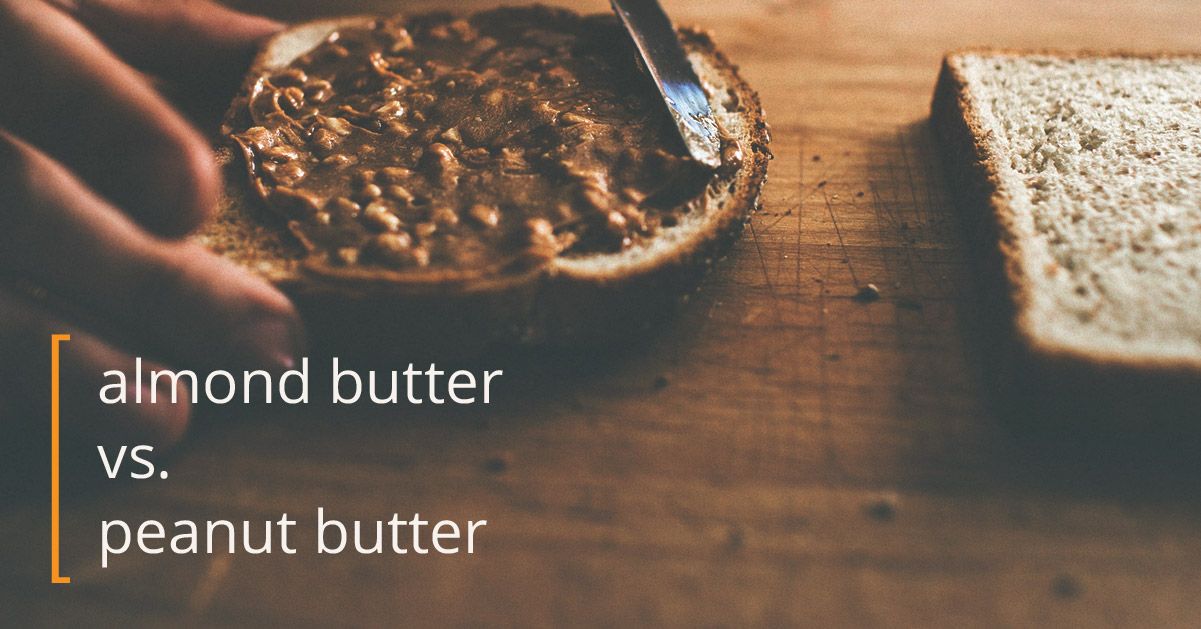
Peanut butter has been packing school lunches, rescuing bland toast, and sticking to the roofs of American mouths for generations. Almond butter arrived later with a higher price tag, a sophisticated-looking jar, and the quiet confidence of a spread that expects to be photographed beside chia seeds.
But when the nutritional labels come out, does almond butter actually deserve its health halo? Or is classic peanut butter still one of the best affordable plant-based spreads in the grocery store?
The honest answer is less dramatic than a food-fight headline: both almond butter and peanut butter can be healthy. They deliver unsaturated fats, plant protein, fiber, magnesium, and other valuable nutrients. Almond butter generally provides more vitamin E, calcium, magnesium, fiber, and monounsaturated fat. Peanut butter usually offers slightly more protein, more folate and niacin, a familiar flavor, and a much friendlier price.
The healthiest choice ultimately depends on the ingredients in the jar, your nutritional priorities, your allergies, and how enthusiastically you attack the container with a spoon.
Almond Butter vs. Peanut Butter at a Glance
The following comparison uses approximate values for two tablespoons of plain, unsweetened butter. Exact numbers vary by brand, grinding method, salt content, roasting, and whether manufacturers add sugar or oil.
| Nutrient | Almond Butter | Peanut Butter | Typical Winner |
|---|---|---|---|
| Calories | About 196 | About 190–191 | Nearly tied |
| Protein | About 7 grams | About 7–8 grams | Peanut butter |
| Total fat | About 18 grams | About 16 grams | Depends on your goal |
| Saturated fat | About 1.4 grams | About 3 grams | Almond butter |
| Fiber | About 3–3.5 grams | About 2 grams | Almond butter |
| Vitamin E | About 7–8 milligrams | Usually much less | Almond butter |
| Magnesium | About 89 milligrams | About 54 milligrams | Almond butter |
| Calcium | About 110 milligrams | About 16–20 milligrams | Almond butter |
| Cost | Usually higher | Usually lower | Peanut butter |
On paper, almond butter wins more individual nutrient categories. In real life, however, a slightly more nutritious spread is not automatically healthier if you dislike it, cannot afford it, or buy a version loaded with added sugar and palm oil.
Which Butter Has More Protein?
Peanut butter usually has a small protein advantage. Two tablespoons commonly provide approximately 7 to 8 grams of protein, while almond butter generally supplies around 7 grams.
That difference is not enormous. Nobody is transforming into a bodybuilder because one jar contains an extra gram. Still, peanut butter may be the more practical choice for people trying to increase plant-based protein without increasing their grocery bill.
Both spreads work best when combined with other complementary foods. Stir either one into oatmeal, spread it on whole-grain toast, blend it into a smoothie, or pair it with fruit. This creates a more balanced snack containing carbohydrates, fat, protein, and fiber.
Are Nut Butters Complete Proteins?
Almond and peanut butter contain multiple essential amino acids, but they are not considered perfectly balanced complete protein sources on their own. That is rarely a problem for people who eat a varied diet. Pairing nut butter with whole grains, legumes, dairy, soy foods, eggs, or other protein sources helps provide a broader amino acid profile across the day.
Which One Is Better for Heart Health?
Both almond butter and peanut butter are rich in monounsaturated and polyunsaturated fats. When these unsaturated fats replace foods high in saturated fat, they can support healthier cholesterol levels and a heart-friendly eating pattern.
Almond butter receives a slight advantage because it generally has more monounsaturated fat and less saturated fat per serving. It is also especially rich in vitamin E, an antioxidant nutrient that helps protect cells from oxidative damage.
That does not make peanut butter bad for your heart. Peanuts contain beneficial unsaturated fats, magnesium, fiber, vitamin E, and plant compounds. Large observational studies have associated regular nut and peanut consumption with lower cardiovascular risk, although these findings do not prove that a single food prevents heart disease.
The bigger issue is what the nut butter replaces. Spreading natural peanut butter on whole-grain toast instead of butter-heavy pastry is likely a helpful swap. Adding four tablespoons of sweetened peanut butter to an already oversized dessert is nutritionally different, even if the jar has a picture of a leaf on it.
Almond Butter Has the Micronutrient Advantage
Vitamin E
Almond butter is one of the stronger food sources of vitamin E. A two-tablespoon serving can provide roughly half of the recommended daily amount for many adults, depending on the product.
Vitamin E functions as an antioxidant and supports immune activity and normal cellular processes. Peanut butter contains some vitamin E, but almond butter usually provides substantially more.
Magnesium
Both spreads contain magnesium, a mineral involved in muscle function, nerve signaling, blood glucose regulation, blood pressure control, and hundreds of enzyme reactions. Almond butter typically offers more magnesium per serving.
This advantage can be useful because many diets do not include enough magnesium-rich foods such as nuts, seeds, legumes, leafy vegetables, and whole grains. Nut butter is not a magical mineral supplement, but it is certainly a tastier option than chewing a spreadsheet about micronutrients.
Calcium
Almond butter usually provides several times more calcium than peanut butter. However, it should not automatically be treated as a replacement for dairy products, fortified plant milk, calcium-set tofu, canned fish with bones, or other major calcium sources.
It is better viewed as a helpful contribution rather than the entire calcium department.
Niacin and Folate
Peanut butter fights back with useful amounts of niacin, folate, vitamin B6, and other nutrients associated with energy metabolism, nervous-system function, and normal cell development. This is one reason the nutritional contest should not be reduced to “almonds good, peanuts ordinary.” Each food has a different micronutrient personality.
Which Is Better for Fiber and Digestion?
Almond butter generally contains about one additional gram of fiber per two-tablespoon serving. That modest difference can add up when almond butter is part of an eating pattern that also includes fruits, vegetables, beans, and whole grains.
Fiber supports digestive regularity, feeds beneficial intestinal microbes, and can help meals feel more satisfying. Peanut butter still contributes fiber, but almond butter has the advantage in a direct comparison.
People who are not accustomed to high-fiber foods should increase intake gradually and drink enough fluids. Suddenly declaring war on low fiber by eating half a jar of almond butter is more likely to create a stomach complaint than a wellness breakthrough.
Which Nut Butter Is Better for Blood Sugar?
Plain almond butter and natural peanut butter are both relatively low in carbohydrates and contain fat, protein, and fiber. When paired with carbohydrate-rich foods, these nutrients may slow digestion and produce a steadier post-meal glucose response than eating the carbohydrate alone.
For example, an apple with one tablespoon of unsweetened nut butter will generally be more filling than an apple by itself. Whole-grain crackers with nut butter may also provide better staying power than crackers without a protein or fat source.
The ingredient list remains crucial. Products containing added cane sugar, corn syrup, chocolate, honey, or sweetened flavoring may have substantially more added sugar. People managing diabetes should compare total carbohydrates, added sugars, serving sizes, and their individual glucose response rather than relying on the words “natural” or “protein” on the front label.
Is Almond Butter or Peanut Butter Better for Weight Loss?
Neither spread burns body fat. Both are calorie-dense, providing close to 100 calories per tablespoon. A casual scoop can quickly become three tablespoons, especially when the spoon keeps returning to the jar for “quality control.”
At the same time, calorie density does not make these foods inherently fattening. Research on nuts suggests that moderate nut consumption is not generally associated with greater weight gain and may support appetite control when nuts replace less satisfying snacks.
The protein, fat, and fiber in nut butter can improve fullness. The practical challenge is portion awareness. Measure one or two tablespoons occasionally so you learn what a serving actually looks like. It is noticeably smaller than the peanut-butter mountain commonly constructed on toast.
For weight management, the healthier option is the one that:
- Contains no unnecessary added sugar.
- Fits your calorie and nutrition needs.
- Keeps you satisfied.
- Replaces a less nutritious spread or snack.
- Can be eaten in a reasonable portion.
Ingredients Matter More Than the Nut
A premium almond butter can be an excellent product. It can also be almonds mixed with sugar, salt, and palm oil while wearing a minimalist beige label. Peanut butter can be similarly simple or heavily modified.
For the healthiest almond or peanut butter, look for an ingredient list such as:
- Almonds
- Peanuts
- Almonds and salt
- Peanuts and salt
A small amount of salt can fit into most healthy diets, but people who need to limit sodium should compare labels. Added sugar is not automatically forbidden, but it is usually unnecessary in an everyday nut butter. Added palm or coconut oil can also increase saturated fat.
Is Oil Separation a Bad Sign?
No. Natural nut butter often separates because the nut oil rises to the top. Stirring it back in is normal. After mixing thoroughly, refrigeration may reduce future separation, although it can make the spread firmer.
Do not pour the oil away unless the manufacturer specifically instructs you to do so. Removing it can leave behind a dry, cement-like substance capable of bending toast and disappointing breakfast.
Allergy Considerations
Peanuts are legumes, while almonds are tree nuts. Both peanuts and tree nuts are recognized as major food allergens in the United States, and either can cause severe reactions, including anaphylaxis.
A peanut allergy does not automatically mean someone is allergic to almonds, and an almond allergy does not guarantee a peanut allergy. However, coexisting allergies and cross-contact during manufacturing are possible. People with diagnosed food allergies should follow guidance from an allergist, read labels every time, and pay close attention to advisory statements regarding shared equipment or facilities.
Anyone who has previously experienced swelling, breathing difficulty, widespread hives, dizziness, or other symptoms after eating nuts should not perform an experimental home taste test. This is one contest that does not require a rematch.
Which Is Better for Athletes?
Peanut butter may have a slight edge for budget-conscious athletes because it usually contains marginally more protein and costs less. Almond butter supplies more magnesium and vitamin E, which can contribute to an overall nutrient-dense diet.
Neither spread is an especially high-protein food compared with Greek yogurt, cottage cheese, eggs, fish, lean meat, tofu, tempeh, or a carefully selected protein powder. Nut butter is better understood as a healthy-fat food that also contributes some protein.
Before a workout, a small amount of nut butter with banana, toast, or oatmeal may provide sustained energy. Immediately before intense exercise, however, large amounts of fat can feel heavy because fat digests slowly. Portion size and timing should be adjusted according to personal tolerance.
Taste, Texture, and Cooking Performance
Nutrition matters, but the jar must eventually meet actual food.
Peanut Butter
Peanut butter has a stronger roasted flavor and usually a smoother, creamier texture. It works especially well in sandwiches, cookies, sauces, oatmeal, smoothies, energy bites, and savory dishes inspired by Southeast Asian cuisines.
It is usually the more economical choice and is widely available in creamy, crunchy, salted, unsalted, and powdered forms.
Almond Butter
Almond butter has a milder, toastier flavor that can seem slightly sweeter even without added sugar. Depending on the grind, it may be thinner, grainier, or less sticky than peanut butter.
It pairs particularly well with pears, apples, berries, cinnamon, vanilla, oatmeal, yogurt, and baked goods. Its subtler flavor also works for people who find peanut butter overly dominant. Peanut butter enters a smoothie and announces itself. Almond butter is more likely to send a polite email.
How to Choose the Healthiest Jar
- Read the ingredient list first. Nuts should be the first ingredient, ideally the only one.
- Check added sugar. Prefer zero grams or a very low amount for daily use.
- Compare sodium. Unsalted or lightly salted products offer greater control.
- Review saturated fat. Products with palm or coconut oil may contain more.
- Notice the serving size. Most labels use two tablespoons, but your spoon may have personal ambitions.
- Consider affordability. A nutritious food is more useful when it fits your budget consistently.
- Choose a flavor you enjoy. Healthy eating should not feel like punishment administered by a jar.
Who Should Choose Almond Butter?
Almond butter may be the stronger choice for people who prioritize:
- More vitamin E.
- More magnesium and calcium.
- Slightly more fiber.
- Less saturated fat.
- A mild flavor.
- An alternative to peanuts when medically appropriate.
Who Should Choose Peanut Butter?
Peanut butter may be the stronger choice for people who prioritize:
- Slightly more protein.
- A lower grocery cost.
- Greater availability.
- A familiar roasted flavor.
- Niacin, folate, and related B vitamins.
- A versatile ingredient for sweet and savory recipes.
The Final Verdict: Is Almond Butter Healthier Than Peanut Butter?
Plain almond butter wins the nutrient-by-nutrient comparison by a narrow margin. It generally provides more vitamin E, magnesium, calcium, fiber, and monounsaturated fat while containing less saturated fat.
But natural peanut butter remains an excellent food. It supplies comparable calories, slightly more protein, healthy unsaturated fats, useful B vitamins, and outstanding value. For many households, peanut butter provides the better combination of nutrition, convenience, taste, and affordability.
The most meaningful difference is often not almond versus peanut. It is minimally processed nut butter versus a sweetened spread containing extra sugar, salt, and saturated fat.
Choose a jar with a short ingredient list, use a sensible serving, and pair it with nutrient-rich foods. Better yet, rotate between both. Your pantry does not require a champion, a trophy ceremony, or an angry concession speech from peanut butter.
A Practical Two-Week Almond Butter vs. Peanut Butter Experience
Rather than judging the two spreads exclusively by a nutrition table, try a simple kitchen comparison. The following is a realistic experience framework readers can use to determine which butter fits their habits, appetite, and meals. It is not presented as a personal laboratory experiment, and it will not require safety goggles unless your blender is unusually dramatic.
Days 1–3: The Toast Test
Begin with equal one-tablespoon portions on identical slices of whole-grain toast. Almond butter will often taste milder and slightly more refined, with a texture ranging from creamy to delicately grainy. Peanut butter will probably taste richer, saltier, and more immediately recognizable.
Notice spreading behavior as well. Some natural almond butters are relatively runny after stirring, making them excellent for drizzling but hazardous to white shirts. Natural peanut butter may be thicker and stickier, which is useful for sandwiches but may require a beverage nearby.
Add banana slices on the second day and apple slices on the third. Peanut butter usually stands up well to banana’s sweetness, while almond butter often complements apples without overpowering them.
Days 4–6: Breakfast Performance
Stir one tablespoon into plain oatmeal. Peanut butter creates a bold roasted flavor and a thicker consistency. Almond butter blends more quietly, allowing cinnamon, berries, vanilla, or maple flavor to remain noticeable.
Next, test the spreads in smoothies. Use the same fruit, milk, and serving size. Peanut butter can dominate delicate ingredients, which is wonderful when you want a peanut-butter smoothie and less wonderful when you intended to taste the strawberries. Almond butter contributes creaminess with a softer nut flavor.
Pay attention to fullness rather than simply taste. Most people will find either spread more satisfying than a low-protein breakfast, but personal responses vary. Record how hungry you feel two or three hours later instead of relying on the impressive confidence of the package design.
Days 7–10: Savory Cooking
Whisk each butter separately with warm water, lime juice, low-sodium soy sauce, garlic, and a touch of ginger. Peanut butter will produce the more familiar bold sauce for noodles or vegetables. Almond butter creates a gentler, slightly sweeter sauce that may need extra seasoning.
This stage often reveals an important practical difference: peanut butter tends to be more versatile when a recipe needs an assertive roasted-nut flavor. Almond butter is useful when creaminess is desired without making the entire meal taste unmistakably peanut-based.
Days 11–14: Cost, Convenience, and Portion Reality
Compare the price per ounce rather than the shelf price alone. Almond butter is frequently much more expensive. Ask whether its additional vitamin E, magnesium, calcium, and fiber justify that premium within your personal budget. For some shoppers, the answer is yes. For others, natural peanut butter plus a varied diet is the more sensible choice.
Finally, measure your normal serving. Many people discover that their casual spoonful is closer to three tablespoons than one. This matters because either spread can add roughly 300 calories when portions become generous. A measured serving on fruit, toast, yogurt, or oatmeal is easier to manage than eating directly from the jar, where mathematics goes on vacation.
At the end of two weeks, evaluate flavor, fullness, digestion, recipe performance, cost, and convenience. The best result may be almond butter for oatmeal and fruit, peanut butter for sandwiches and sauces, or one preferred spread for everything. Nutritional perfection is less important than choosing a minimally sweetened product that you enjoy and can use consistently.