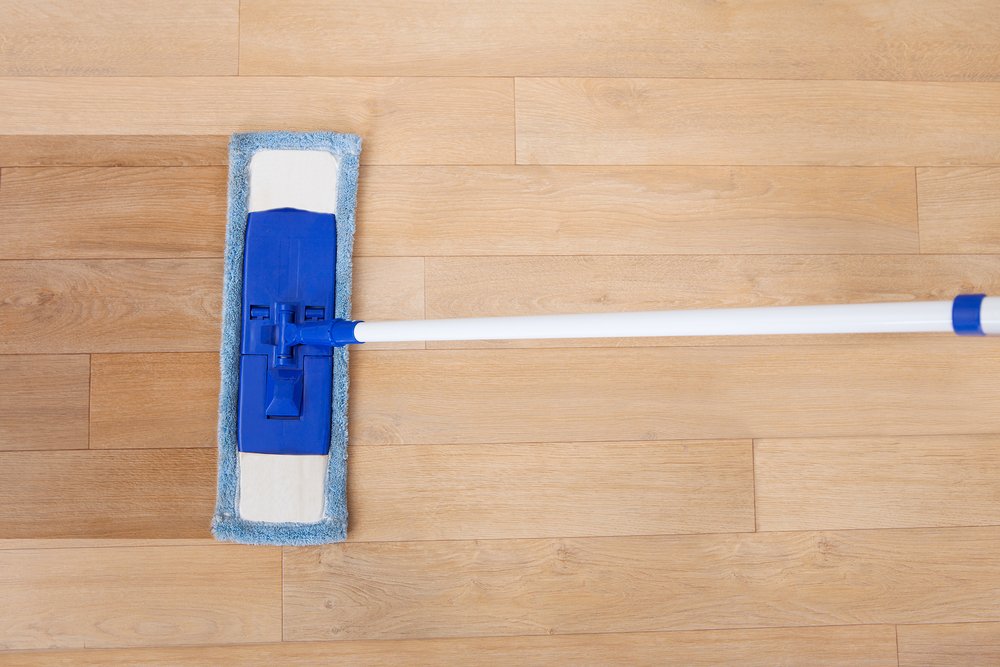
Dust is the most loyal roommate you will ever have. It shows up uninvited, settles in comfortably, and somehow multiplies the moment sunlight hits your hardwood floor. That is where a good dust mop earns its keep. Unlike a broom that can fling crumbs into another zip code, the best dust mops grab dust, pet hair, pollen, lint, and everyday debris before they become gritty little floor-scratchers.
Whether you have hardwood, laminate, vinyl plank, tile, or a mysterious “builder-grade hard surface” that came with the house, the right dry mop can make daily cleaning faster, quieter, and less dramatic. After reviewing current product-testing insights, cleaning-lab guidance, and real-world floor-care advice, this guide breaks down what makes a dust mop worth buying, which styles work best, and how to build a cleaning routine that does not require a marching band, three buckets, and emotional recovery time.
Why a Dust Mop Belongs in Every Cleaning Routine
A dust mop is designed for dry cleaning hard floors. Its job is simple but important: collect loose dust, hair, crumbs, and fine grit before wet mopping. This matters because dirt is not just ugly; it is abrasive. Tiny particles can scratch finished wood, dull laminate, and make tile floors look tired even after you mop.
Think of dust mopping as the “pre-game show” for clean floors. If you skip it and go straight to a wet mop, you often create muddy streaks. The floor may technically be wet, but it is not truly clean. A microfiber dust mop solves that problem by trapping particles instead of pushing them around like a tiny janitorial snowplow.
Best Overall Dust Mop: E-Cloth Easy-Click 4-in-1 Dusting and Floor Care Kit
The E-Cloth Easy-Click 4-in-1 Dusting and Floor Care Kit stands out because it is more than a floor mop. It includes interchangeable heads for dusting floors, walls, ceilings, baseboards, ceiling fans, and other high-reach areas. For anyone who has ever stared at a dusty ceiling fan and thought, “That is between you and your conscience,” this kit is a practical upgrade.
Its microfiber pads are washable and reusable, which helps reduce waste and long-term replacement costs. The dry pad works well for dust, dirt, and pet hair, while the wet pad can handle light mopping with water or an appropriate floor cleaner. The easy-click system makes switching attachments simple, and the extended reach is helpful for cleaning corners, vents, trim, and other dust magnets.
Best for:
Whole-home dusting, hardwood floors, tile, baseboards, ceiling fans, and people who want one tool to do several jobs.
Why it works:
It combines washable microfiber, adjustable reach, and multiple attachments, making it useful beyond the floor. If your cleaning closet has been begging for fewer single-purpose tools, this mop listens.
Best Budget Dust Mop: TrueYee Dust Mop for Hard Floors
The TrueYee Dust Mop is a wallet-friendly option that still performs like it came to work wearing a name badge and sensible shoes. It typically features an adjustable handle, a swivel head, and washable microfiber pads. The twisted microfiber design is especially helpful for grabbing loose dirt, dust, pet hair, and the occasional mystery crumb that no one in the house claims responsibility for.
This mop is a strong choice for apartments, dorms, smaller homes, and anyone who wants a reusable dust mop without paying premium-tool prices. Its low-profile head can slide under furniture, and the adjustable handle helps users avoid bending too much while cleaning.
Best for:
Budget shoppers, quick daily cleanups, laminate, vinyl plank, hardwood, and small spaces.
Why it works:
It offers washable pads, flexible movement, and decent dust pickup at a reasonable price. In other words, it does not demand a luxury budget just to chase dust bunnies.
Best Professional-Style Dust Mop: Microfiber Wholesale 18-Inch Professional Mop System
For larger homes or high-traffic areas, the Microfiber Wholesale 18-Inch Professional Mop System is a serious contender. The wider head covers more floor with each pass, making it ideal for open living rooms, kitchens, hallways, offices, studios, and homes where the floor space seems to expand every time you start cleaning.
This style usually includes multiple microfiber pads for dry dusting and damp mopping. The stainless-steel handle and commercial-style build make it feel more durable than lightweight disposable systems. Its broad, flat head also helps maintain even contact with the floor, which is essential for capturing fine dust.
Best for:
Large rooms, professional-style cleaning, open floor plans, and households that need durable reusable pads.
Why it works:
The wider cleaning path saves time, and the washable microfiber pads make it practical for frequent use. It is the mop equivalent of bringing a pickup truck to a yard-sale haul.
Best Dust Mop for Pet Hair: Bona Premium Sweep & Clean Mop
Pet hair has a special talent for appearing everywhere except on the pet. The Bona Premium Sweep & Clean Mop is a strong choice for homes with dogs, cats, or any creature that sheds like it is preparing for a new identity. Bona is widely known for hardwood floor care, and its microfiber mops are designed to work on wood and other hard surfaces without scratching.
The dusting pad collects fur, lint, and everyday debris, while compatible cleaning pads can be used for light wet mopping. A washable pad system makes it easier to clean frequently without burning through disposable sheets.
Best for:
Pet owners, hardwood floors, everyday dusting, and quick touch-ups between deeper cleaning sessions.
Why it works:
The microfiber pad is effective at trapping hair instead of sending it rolling across the floor like a tumbleweed in a Western movie.
Best Double-Sided Dust Mop: Libman 2-Sided Microfiber Dust Mop
The Libman 2-Sided Microfiber Dust Mop is convenient because both sides of the head can be used for cleaning. One side can tackle dry dusting, while the other can help with additional wiping or surface pickup, depending on the model and pad design. This makes it handy for people who want to clean more area before stopping to shake out or wash the pad.
Libman products are commonly found in U.S. hardware stores, grocery stores, and big-box retailers, which makes replacement parts easier to locate. The mop is practical, straightforward, and suitable for routine home cleaning.
Best for:
Everyday households, quick cleaning sessions, and users who want a simple reusable mop from an easy-to-find brand.
Why it works:
The double-sided design extends cleaning time and reduces interruptions. It is not fancy, but neither is dust, and dust still gets the job done.
Best Disposable Dust Mop: Swiffer Sweeper Dry + Wet Starter Kit
Reusable microfiber pads are great, but sometimes convenience wins. The Swiffer Sweeper Dry + Wet Starter Kit is popular because it is lightweight, affordable, easy to store, and simple to use. Disposable dry cloths use electrostatic action to attract dust, hair, and debris, while wet cloths can handle light mopping on compatible surfaces.
This is a good option for renters, small apartments, quick kitchen cleanups, dorm rooms, and anyone who is more likely to clean when the process takes thirty seconds instead of requiring a laundry cycle. The downside is ongoing replacement cost and waste from disposable pads.
Best for:
Fast cleanups, small spaces, low-storage homes, and people who value convenience above reusability.
Why it works:
It is light, quick, and easy. Sometimes the best cleaning tool is the one you will actually use before the dust becomes a family heirloom.
Also Consider: Mr. Siga Professional Microfiber Mop
The Mr. Siga Professional Microfiber Mop is another solid reusable option for hard floors. It often includes a durable handle, a flat mop head, and washable microfiber pads. It is suitable for dry dusting and light damp mopping, depending on the pad and floor type.
This mop fits well in homes that need a reliable all-purpose floor tool but do not necessarily need ceiling-fan attachments or a full multi-head kit. It is simple, sturdy, and easy to maintain.
Best for:
Reusable cleaning, hardwood, tile, vinyl, laminate, and medium-size homes.
Why it works:
It offers a practical balance of performance, durability, and washable pad convenience.
How to Choose the Best Dust Mop
1. Choose microfiber for better dust pickup
Microfiber is one of the best materials for dust mops because its tiny fibers grab and hold dust, hair, and fine particles. Cotton dust mops can still work, especially for commercial spaces, but microfiber usually performs better for modern homes and delicate hard floors.
2. Match the mop head size to your space
A wide 18-inch or 24-inch mop head is excellent for open areas, but it may feel clumsy in a small bathroom or narrow hallway. A smaller head is easier to maneuver around toilets, chair legs, and kitchen islands. If your home has both big rooms and tight corners, a swivel-head mop is your friend.
3. Look for washable pads
Washable dust mop pads save money over time and reduce waste. They are also useful if you clean often, have pets, or live near a dusty road. Ideally, buy at least one extra pad so you always have a clean one ready while the other is in the laundry.
4. Consider the handle
An adjustable handle makes cleaning more comfortable, especially for taller users or anyone who dislikes hunching over like a cartoon villain. A handle that extends can also help reach under beds, behind furniture, and along walls.
5. Check floor compatibility
Most dust mops are safe for sealed hardwood, laminate, vinyl, tile, and stone. For damp mopping, always follow the flooring manufacturer’s care instructions. Hardwood and laminate generally prefer less moisture, not a puddle party.
Dust Mop vs. Broom vs. Vacuum: Which One Should You Use?
A broom is useful for larger debris, but it can scatter fine dust. A vacuum is excellent for suction, especially with a hard-floor setting, but it can be noisy and less convenient for quick touch-ups. A dust mop is quiet, lightweight, and especially good at collecting fine particles across hard floors.
The best routine often uses all three: broom for big messes, vacuum for rugs and heavy debris, and dust mop for daily hard-floor maintenance. If you have pets, children, or a busy household, dust mopping every day or every other day can make weekly deep cleaning much easier.
How to Use a Dust Mop Correctly
Start with a clean, dry pad
A dirty mop pad will not clean well. It will simply redistribute yesterday’s dirt with the confidence of a bad idea. Make sure the pad is clean and fully dry before use.
Move in long, overlapping passes
Keep the mop head flat against the floor and move in long, steady lines. Slightly overlap each pass so you do not leave dusty racing stripes behind.
Do not lift the mop constantly
When you lift a dust mop, trapped debris can fall off. Keep it on the floor as much as possible and guide dust toward one collection area.
Shake or replace the pad when full
If the pad is loaded with hair and dust, it cannot pick up much more. Shake reusable pads outdoors or switch to a clean pad.
Wash reusable pads properly
Wash microfiber pads separately from lint-heavy fabrics like towels. Avoid fabric softener because it can coat the fibers and reduce their dust-grabbing power.
Common Dust Mop Mistakes to Avoid
Using a wet pad for dry dust
A damp pad can smear dust instead of collecting it. Dry dust first, then damp mop if needed.
Applying too much cleaner
More cleaner does not equal cleaner floors. Too much solution can leave residue that attracts more dirt. That is basically inviting dust back over for snacks.
Skipping corners and baseboards
Dust loves edges. Run the mop along baseboards and under furniture where debris tends to gather.
Using the same pad forever
Reusable does not mean immortal. Replace pads when they stop gripping dust, become matted, or look like they have survived a basement renovation.
Best Dust Mop by Cleaning Need
For hardwood floors
Choose a soft microfiber mop with a flat head and washable pads. Bona, E-Cloth, Mr. Siga, and Microfiber Wholesale-style systems are strong choices. Avoid oversaturating wood during damp cleaning.
For laminate floors
Use a dry microfiber dust mop frequently and a lightly damp pad only when necessary. Laminate does not appreciate excessive water, and it will express that displeasure through swelling or dullness.
For tile floors
A wider microfiber mop works well for tile, especially in kitchens and bathrooms. For grout lines, dust mopping helps with surface debris, but occasional scrubbing may still be needed.
For pet hair
Pick a dust mop with plush microfiber or chenille texture. The more surface area and fiber “fingers,” the better it can trap fur before it migrates under the sofa.
For quick daily cleaning
A lightweight disposable system like Swiffer or a compact reusable mop is ideal. The best mop for daily use is the one that does not make you sigh before you start.
My Practical Experience With Dust Mops
After using different dust mops in real homes, one lesson becomes obvious: floor cleaning is less about heroic weekend scrubbing and more about tiny, boring habits that work. A dust mop is not glamorous. It does not roar like a vacuum or blast steam like a tiny dragon. But it quietly prevents the floor from reaching “how did we get here?” status.
In a house with hard floors, the most useful routine is a five-minute dust mop pass in the busiest areas: kitchen, entryway, hallway, and living room. These are the zones where crumbs, grit, outdoor dirt, pet hair, and sock lint gather like they are attending a conference. A microfiber mop makes quick work of them before they spread into bedrooms or get crushed into the floor.
For pet owners, a dust mop can feel almost magical. One pass under the dining table or along the baseboards often reveals enough fur to create a second pet. Plush microfiber and chenille pads are especially helpful because they hold onto hair instead of rolling it into clumps. The trick is to clean the pad before it becomes overloaded. Once a pad is packed with fur, it starts performing like a tired intern on Friday afternoon.
In kitchens, dust mops are excellent before wet mopping. Flour, coffee grounds, cereal crumbs, and dried herbs do not disappear when wet; they become paste. Dry dusting first keeps the wet mop from dragging grime across the floor. This is especially important around cabinets, under stools, and near the refrigerator, where crumbs seem to reproduce in secret.
For hardwood floors, the biggest advantage of regular dust mopping is protection. Small grit can act like sandpaper under shoes, chair legs, and pet paws. Removing that grit regularly helps preserve the finish. When damp mopping is needed, use minimal moisture and dry the floor quickly. Hardwood likes cleanliness, not a spa day.
For laminate and vinyl plank, a dust mop keeps the surface looking fresh without relying on too much cleaner. Many dull-looking floors are not actually dirty; they are coated with residue from overuse of cleaning solution. A dry microfiber mop can restore a surprising amount of shine simply by removing dust and film from the surface.
One experience-based tip: buy extra pads immediately. This sounds boring because it is boring, but it changes everything. If you have only one pad and it is dirty, you will postpone cleaning. If you have three pads, you can clean the kitchen, toss the used pad into the laundry, and keep moving with your life. This is how adults trick themselves into being consistent.
Storage also matters. A dust mop shoved into a crowded closet with the pad crushed against the floor will not perform as well. Hang it if possible. Let the fibers breathe. Yes, we are now discussing mop fiber wellness, but apparently this is who we have become.
The best dust mop is ultimately the one that fits your home and habits. A large professional microfiber mop is fantastic for open layouts. A compact Swiffer-style sweeper is perfect for tiny apartments. A multi-tool kit like E-Cloth works well for people who want to dust floors, fans, walls, and baseboards without switching between five tools. The right choice should make cleaning feel lighter, faster, and less like punishment for owning floors.
Final Verdict
The best dust mops make floor care simple, fast, and more effective. For most households, the E-Cloth Easy-Click 4-in-1 Dusting and Floor Care Kit is the best overall choice because it handles floors, walls, baseboards, and high dusting with washable, reusable pads. Budget shoppers should consider the TrueYee Dust Mop, while larger homes may benefit from the Microfiber Wholesale 18-Inch Professional Mop System. Pet owners should look closely at Bona’s microfiber options, and convenience-first cleaners may still prefer the Swiffer Sweeper system.
A good dust mop will not make dust disappear forever. Sadly, science has not yet given us that gift. But it will help you stay ahead of dirt, protect your floors, and make your cleaning routine feel less like a Saturday-long battle against invisible enemies.
SEO Tags
Note: This original article was written for web publication and synthesized from current U.S. cleaning guidance, product-testing information, and real-world floor-care best practices.