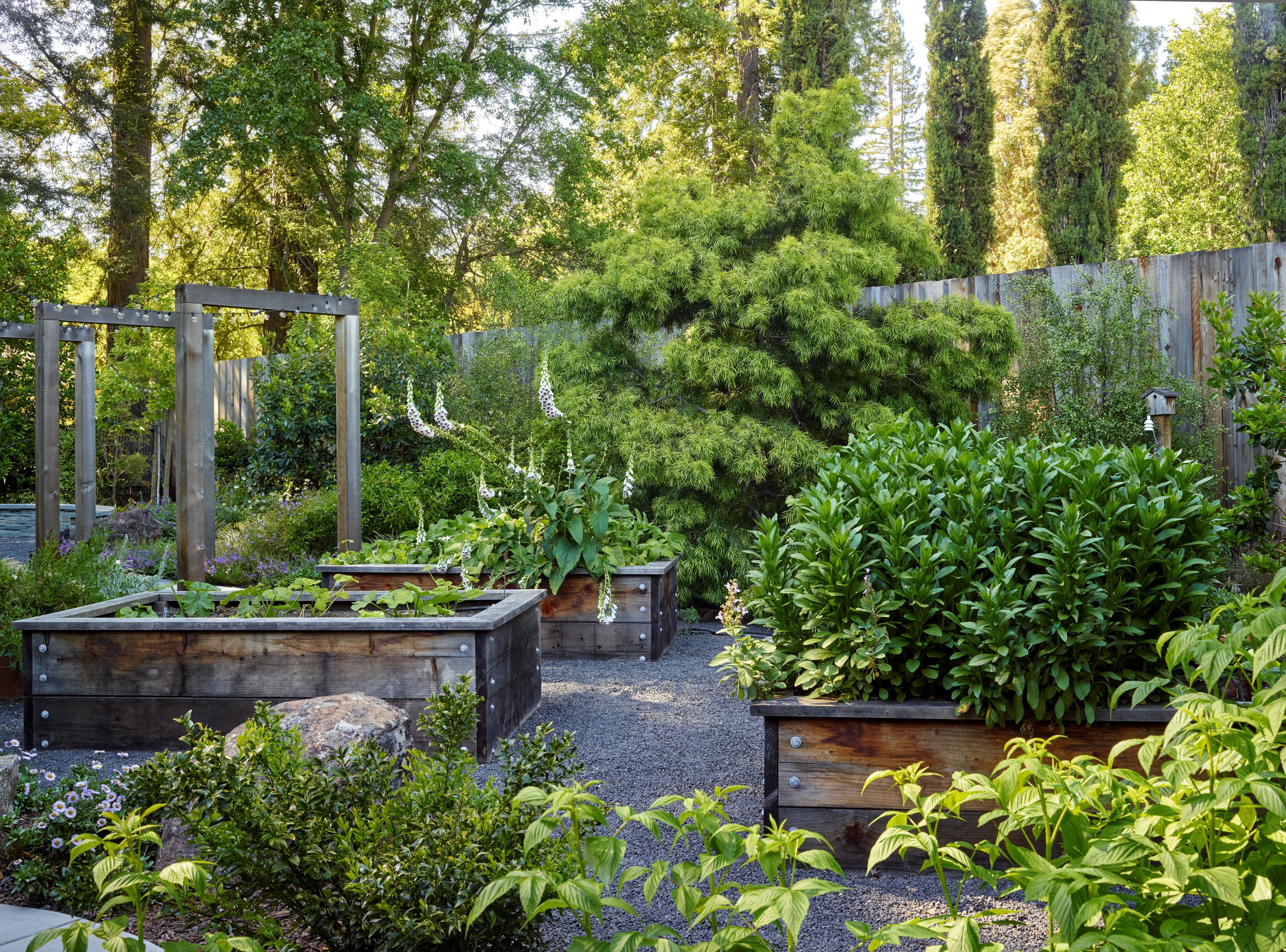
Raised beds are basically the VIP lounge of the vegetable world: warmer soil, cleaner harvests, fewer weeds, and
fewer back complaints. But they also have a special talent for turning small “oops” moments into season-long
frustrations. (Ask anyone who’s ever filled a brand-new bed with “mystery bargain soil” and then wondered why
their lettuce looks like it’s going through a breakup.)
The good news: most raised garden bed mistakes are fixableand many are preventable once you know what to watch
for. Below are the 10 most common mistakes gardeners make with raised beds, plus practical, real-world fixes you
can use this weekend without needing an engineering degree (or a second mortgage for soil).
1) Putting the bed in the wrong spot
The most expensive raised bed mistake is also the most common: building a gorgeous bed… right where vegetables
don’t want to live. Think too much shade, poor drainage, or a windy corner that turns basil into confetti.
Why it’s a problem
- Low sun = low harvest. Fruiting crops (tomatoes, peppers, squash) especially need lots of light.
- Poor drainage = sad roots. Roots need oxygen, not a long-term rental in a puddle.
- Wind tunnels = stress and disease. Constant stress makes plants more vulnerable.
Do this instead
- Chase the sun first. Aim for the sunniest area you have, especially for summer crops.
- Check drainage before you commit. After a rain, note where water sits. Avoid those spots.
- Plan for access to water. The perfect sunny spot is less perfect if you hate dragging hoses.
Quick sanity test: stand where you want the bed at three different times of day (morning, midday, late afternoon)
and note shade patterns. If your bed will spend half its life under a tree’s shadow, your tomatoes will also
spend half their life judging you.
2) Making the bed too wide (aka: “the step-in trap”)
Raised beds are meant to reduce soil compaction. But if you can’t reach the middle, you’ll step into the bed.
That’s how raised beds become “slightly elevated dirt mats.”
Why it’s a problem
- Compaction kills root growth. Squeezed soil holds less air and drains worse.
- Maintenance gets annoying fast. If harvesting feels like yoga on hard mode, you’ll avoid it.
Do this instead
- Stick to ~4 feet wide if you can reach from both sides.
- Go narrower (about 2–3 feet) if the bed is against a fence or wall and you’ll access from one side.
- Leave real walking space. Give yourself enough room for a wheelbarrow, a bucket, and your dignity.
If you already built a wide bed, you’re not doomed. Add stepping stones or a narrow board path inside the bed
to spread weight and reduce compactionthen promise yourself you’ll do the next one the easy-to-reach way.
3) Skipping site prep under the bed
A raised bed is not a magical floating farm. What’s under it mattersespecially if you plop a bed directly on
turfgrass and call it “done.”
Why it’s a problem
- Sod fights back. Grass and weeds can push up into the bed, competing for water and nutrients.
- Roots hit a hard layer. If the soil below is compacted, plants can’t expand downward when they need to.
- Drainage can stall. A compacted base can act like a pan, slowing infiltration.
Do this instead
- Remove or kill existing vegetation where the bed will sit.
- Loosen the native soil beneath the bed (even 6–12 inches helps).
- Use a breathable weed barrier if needed. Cardboard layers can suppress weeds while still allowing water through.
Pro tip: if you’re building on heavy clay, loosening below the bed is even more valuable. A raised bed can improve
drainage, but it can’t undo a concrete-like base you never touched.
4) Building the wrong depth for what you grow
Depth is where raised-bed dreams go to either thrive… or get weird. Too shallow and your carrots look like
chubby commas. Too tall and you’ll spend a fortune filling itthen discover it dries out faster than you expected.
Why it’s a problem
- Root crops need room. Carrots, parsnips, and many potatoes appreciate deeper, looser soil.
- Shallow beds heat up and dry out faster. Great in spring, stressful in peak summer.
- Tall beds need structural strength. More soil means more pressure on the sides.
Do this instead
- Match depth to crops. Many vegetables do well around a foot of workable soil, while deep-rooted crops want more.
- If your bed is shallow, improve below it. Loosen and amend the native soil under the bed to extend rooting depth.
- If your bed is tall (12–24 inches), plan the fill. Use a well-draining mix and avoid heavy, poorly aerated soil that can stay soggy.
One practical approach: don’t chase “tall” just for aesthetics. Build the height you actually need for roots and
comfort, then focus your budget on good soil and irrigationthose pay you back all season.
5) Filling it with the wrong “soil”
The words “raised bed soil” on a bag do not guarantee it’s a miracle in plastic packaging. A lot of raised-bed
failures start with what goes inside: too much compost, too much topsoil, or a mix that turns into either a swamp
or a brick.
Why it’s a problem
- Pure compost can be too rich. It may hold too much moisture, release nutrients unevenly, or cause imbalances.
- Cheap “topsoil” can be low quality. Some loads are mostly fine particles that compact quickly.
- No aeration = poor root health. Roots want a soil that drains but still holds moisture.
Do this instead
- Think “soil + compost,” not “compost-only.” A common guideline is to keep compost as a portion of the total mix, not the entire mix.
- Build texture. Use materials that help drainage and air space (coarser organic matter, quality soil, and appropriate amendments).
- Expect settling. New beds often shrink as organic matter decomposestop off with compost later rather than overfilling with rich material upfront.
Specific example: if your bed stays wet and plants look yellow, the issue may not be “needs more fertilizer.” It
may be that roots can’t breathe. If your bed dries instantly and cracks, the mix may be too sandy or too coarse
and needs more organic matter.
6) Ignoring soil testing (pH, nutrients, and surprises)
Soil testing is the gardening equivalent of reading the instructions before assembling furniture. Yes, you can
skip it. Yes, you will probably regret it.
Why it’s a problem
- pH controls nutrient availability. You can have nutrients in the soil that plants can’t access.
- You might over-fertilize. Adding “a little of everything” can create toxic excesses.
- Urban soils can have contamination risks. If your raised bed is near older structures or busy roads, testing may reveal concerns.
Do this instead
- Test the soil at the location (or test the mix you plan to use), then adjust pH and nutrients based on results.
- Aim for a veggie-friendly pH range. Many vegetables prefer slightly acidic to near-neutral conditions.
- Make changes gradually. Lime and sulfur are powerful toolsuse them with guidance from a test report.
This is also how you stop guessing. Instead of “my peppers look sad,” you get data like “potassium is low” or
“pH is high,” and your next move becomes obvious.
7) Overdoing compost and manure (or using it at the wrong time)
Compost is wonderful. Manure can be valuable. But “more” is not automatically “better,” and fresh manure can
create both plant problems and food-safety headaches.
Why it’s a problem
- Too much compost can skew nutrients. You may see lush leaves with weak fruitingor nutrient lockouts.
- Fresh manure can burn plants. It may be high in salts and ammonia.
- Food safety matters. Pathogens can be present in raw or poorly composted manure.
Do this instead
- Use well-composted materials. Finished compost should smell earthy, not “barn.”
- Time it right. If using uncomposted manure, follow widely accepted food-safety timing rules before harvest.
- Top-dress, don’t flood the bed. Add compost in thin layers and observe how plants respond.
If you want the “manure benefits” with less risk, choose commercially composted manure from reputable sources or
compost it properly yourself. Your salad will thank you.
8) Crowding plants and forgetting vertical planning
Raised beds tempt you to cram in “just one more” plant. And because raised-bed soil is often rich, overcrowding
looks fineuntil it suddenly doesn’t.
Why it’s a problem
- Airflow drops. Humidity rises, diseases spread, and you start Googling “why are my zucchini leaves haunted?”
- Competition increases. Plants battle for light, nutrients, and water.
- Shading happens fast. One enthusiastic tomato can block sun from half the bed.
Do this instead
- Follow spacingthen tweak thoughtfully. You can plant a bit tighter in raised beds, but don’t ignore airflow.
- Use trellises. Cucumbers, pole beans, peas, and even some squash can go vertical and save space.
- Place tall crops strategically. Put them where they won’t shade shorter crops for most of the day.
A simple planning win: sketch your bed on paper and mark “tall,” “medium,” and “low” crops. It takes five minutes
and can prevent three months of grumbling.
9) Underestimating how fast raised beds dry out
Raised beds warm earlier in springawesome. But that warmth also increases evaporation. Translation: raised beds
often need more frequent watering than in-ground gardens, especially in summer.
Why it’s a problem
- Inconsistent watering causes stress. Many crops respond with bitterness, cracking, blossom-end rot, or poor yields.
- “A little every day” can backfire. Shallow watering trains shallow roots.
- Hot weather can turn soil into a sponge left in the sun. You’ll be shocked how quickly moisture disappears.
Do this instead
- Plan irrigation from day one. Drip irrigation or soaker hoses are raised-bed best friends.
- Water deeply, then check moisture. Adjust based on weather and plant stage, not habit.
- Mulch like you mean it. A couple inches of mulch reduces evaporation and smooths moisture swings.
If you’ve ever watched your bed dry out between breakfast and lunch, you’re not imagining things. Build your bed
near water access or set up an easy system. Convenience is a yield booster.
10) Treating the bed like “set it and forget it”
A raised bed is a little ecosystem. It changes through the season: soil settles, nutrients shift, pests show up,
boards move, and plants rotate. If you never adjust, performance fades.
Why it’s a problem
- Soil levels drop over time. Organic matter decomposes and settles.
- Nutrients get depleted. Vegetables are enthusiastic eaters.
- Pests and diseases build up. Repeating the same crop in the same spot can invite repeat problems.
Do this instead
- Top off annually. Add compost (and other amendments as needed) to maintain soil level and fertility.
- Rotate plant families. Move tomatoes/peppers/eggplant, cucurbits, brassicas, etc., to different areas each season if possible.
- Inspect the structure. Tighten hardware, watch for bowing, and replace failing boards before the bed becomes modern art.
Bonus material note: if you’re choosing wood, avoid old, unknown treated lumber and materials known for toxic
preservatives. If you’re worried about treated wood, you can separate soil from boards with a barrier on the
sidesjust don’t accidentally block drainage at the bottom.
Conclusion: Your raised bed doesn’t need perfectionjust fewer “unforced errors”
Raised bed gardening isn’t complicated, but it is specific. The biggest wins come from getting the basics right:
good sun, sensible dimensions, solid site prep, a balanced soil mix, a soil test, and a watering plan that matches
reality. Do that, and you’ll spend less time troubleshooting and more time harvesting.
If you’re fixing one thing today, make it this: check your bed’s moisture and soil structure. Healthy soil solves
more problems than any spray bottle ever will.
Bonus: of Raised-Bed Reality Checks (Stories Gardeners Tell Again and Again)
If raised beds came with a customer review section, it would be full of five-star praise… plus a handful of
painfully relatable one-star lessons. Here are the “common experience” stories that show up everywherefrom
extension Q&As to neighborhood garden chatsbecause they’re what happens when good intentions meet physics,
weather, and a tomato plant with big dreams.
The Great Soil Settlement Surprise. A gardener fills a new bed to the brim, plants seedlings, and feels like a
backyard hero. Two months later, the soil level has dropped several inches, and the plants look like they’re
sinking into quicksand. This isn’t failureit’s organic matter decomposing and settling. The fix is simple:
top-dress with compost later instead of front-loading the bed with “all compost, all the time.” You can almost
hear the bed exhale with relief once it has a balanced texture again.
The “Why Is My Bed Always Dry?” Summer Plot Twist. In spring, raised beds are magic. In summer, that same magic
becomes evaporation. Gardeners often describe the moment they realize the bed needs water more frequently than
their in-ground plot. The usual pattern: they water lightly (because they’re being “responsible”) and plants
still wilt by mid-afternoon. The fix is deeper watering, better monitoring (finger test or a moisture probe),
and mulch. Once a bed gets a consistent moisture rhythm, many problemsbitterness, cracking, blossom-end rot
suddenly calm down.
The Overcrowding Delusion. Raised beds make you feel like you can outsmart spacing guidelines. “I’ll just tuck
in one more basil… and two more lettuces… and maybe another cucumber.” Everything looks fine for a few weeks.
Then the jungle forms. Airflow drops, leaves stay damp longer, and pests treat your bed like an all-you-can-eat
buffet. Gardeners often end up “pruning for survival” and wishing they’d built a trellis sooner. The fix:
plan vertical space first and leave breathing room. You’ll harvest more from fewer, healthier plants.
The Mystery Mix Regret. Another frequent story: someone buys bargain “topsoil” or a bulk load with an impressive
label and fills the bed. Later, it compacts into a brick or stays soggy like brownie batter. Plants stall, and
the gardener blames themselves. The real issue is that raised beds need a mix that holds moisture and air.
The fix is usually adding finished compost for structure and biology, plus making sure the overall mix doesn’t
become too fine. And yes, sometimes the best fix is mixing in better material over time rather than trying to
replace everything at once.
The “I Built It There Because It Was Convenient” Mistake. Convenience is real. But the story repeats: a bed goes
near a fence or under a tree because it’s “out of the way.” Then the gardener wonders why fruiting crops underperform.
Once they move the bed (or change crops to shade-tolerant greens and herbs), success jumps. The lesson: sun is
a yield multiplier. Place the bed for plants first, and for your landscape second.
The best part about these stories is that they usually end wellbecause raised beds are forgiving when you start
making small, smart adjustments. Gardening isn’t about never making mistakes. It’s about making the kind of
mistakes you only make once.