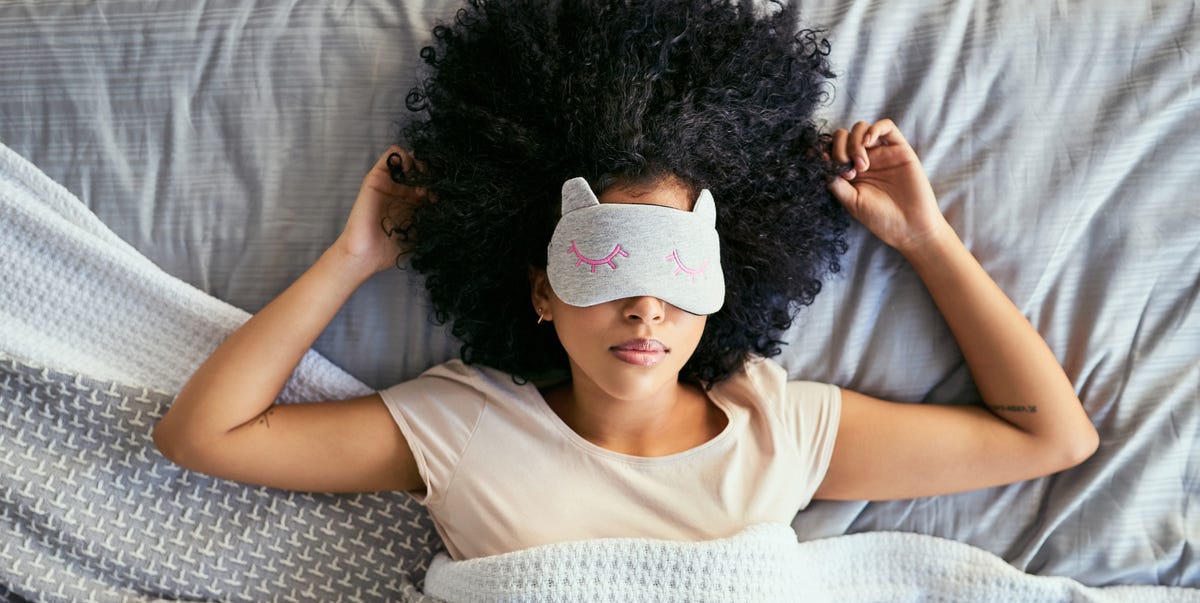
Once upon a time, improving your sleep meant buying a comfortable pillow and remembering not to drink coffee at 10 p.m. Now, social media has given the bedtime routine a dramatic rebrand: sleepmaxxing.
Sleepmaxxing involves trying to maximize sleep quality and quantity through carefully planned routines, environmental changes, wearable technology, supplements and, occasionally, questionable internet “hacks.” A typical sleepmaxxer might wear a sleep mask, cool the bedroom, track every sleep stage, take magnesium, listen to brown noise and tape their mouth shut before bed. It is less “good night” and more “launch sequence initiated.”
There is a sensible idea hiding underneath all the gadgets. Sleep deserves attention, and many Americans do not consistently get enough of it. However, sleep specialists warn that the pursuit of perfect rest can become stressful, expensive and counterproductive. The real benefits of sleepmaxxing depend on which practices you adoptand whether you can avoid turning bedtime into a competitive sport.
What Is Sleepmaxxing?
Sleepmaxxing is a wellness trend centered on optimizing every part of sleep. It does not have a formal medical definition or a standardized program. Instead, the term covers a broad collection of habits, products and experiments shared online.
Some sleepmaxxing practices are ordinary sleep-hygiene recommendations wearing trendy new pajamas. These include maintaining a regular schedule, reducing evening caffeine, making the bedroom dark and developing a relaxing wind-down routine.
Other practices are more adventurous. Mouth taping, elaborate supplement “stacks,” red-light devices, nasal dilators, weighted blankets, expensive cooling systems and obsessive sleep-score monitoring may all appear under the sleepmaxxing umbrella.
Sleep experts generally agree that improving sleep is worthwhile. What they question is the assumption that more tools, more data and more rules automatically produce better rest. Recent expert reviews of the trend consistently distinguish basic, evidence-supported habits from viral techniques that have little research behind them or may pose risks.
Are There Real Benefits to Sleepmaxxing?
Yeswhen sleepmaxxing encourages realistic, sustainable habits. It can help people take sleep seriously, identify behaviors that interfere with rest and create a bedroom that supports relaxation.
It Makes Sleep a Health Priority
The greatest benefit may be surprisingly simple: sleepmaxxing reminds people that sleep is not empty time. It plays a major role in physical recovery, emotional regulation, concentration, memory and overall well-being.
Adults generally need at least seven hours of sleep per night, although individual needs vary. Regularly sleeping less than that is associated with a higher likelihood of several health problems. Quantity is not the entire story, either. Restorative sleep should also be reasonably continuous and leave you able to function during the day.
In a culture that often treats exhaustion like a personality trait, deliberately protecting seven to nine hours for sleep can be a meaningful improvement. Canceling one late-night scrolling session may accomplish more than purchasing a pillow infused with moon crystals.
It Encourages a Consistent Sleep Schedule
Going to bed and waking up at roughly the same time helps support the body’s circadian rhythm, the internal timing system that influences alertness and sleepiness. A predictable wake time is especially useful because it gives the biological clock a reliable daily anchor.
This does not mean you must leap out of bed at precisely 6:42 every morning or consider the weekend a moral failure. The goal is consistency, not military precision. Large schedule swings can make Monday morning feel like a miniature case of jet lag.
It Can Improve the Sleep Environment
Several sleepmaxxing favorites are practical because they reduce common disruptions. A dark room limits unwanted light. A quiet room reduces awakenings. A comfortably cool temperature may make it easier to settle down. Blackout curtains, a simple eye mask, earplugs or steady background noise can be useful when the environment is difficult to control.
The ideal bedroom does not have to resemble a luxury wellness retreat. It simply needs to feel comfortable, safe and boring enough that your brain stops expecting entertainment.
It Promotes a Wind-Down Routine
A consistent pre-sleep routine can act as a cue that the active part of the day is ending. Reading, taking a warm shower, stretching gently, writing tomorrow’s tasks on paper or practicing slow breathing may reduce mental stimulation.
Dim lighting can also help. Bright light at night, particularly short-wavelength blue-enriched light, can influence circadian timing and interfere with the body’s preparation for sleep. Morning light has the opposite role, helping reinforce daytime alertness and a stable sleep-wake cycle.
It May Reveal Patterns Worth Changing
A basic sleep diary can help connect poor sleep with late caffeine, alcohol, stressful work, irregular schedules, long naps or heavy evening meals. Consumer wearables may also reveal broad trends, such as inconsistent bedtimes or unusually short sleep periods.
The important word is broad. A tracker can estimate patterns, but it is not a miniature sleep laboratory strapped to your wrist. Consumer devices vary in accuracy and may be better at estimating sleep timing than precisely identifying every sleep stage.
Which Sleepmaxxing Strategies Actually Make Sense?
Keep Caffeine on a Curfew
Caffeine can remain active for hours. Research has found that consuming it even six hours before bed can reduce sleep. Someone who is sensitive to caffeine may need to stop earlier, while someone else may tolerate a modest afternoon serving.
A practical experiment is to move the final coffee, tea or energy drink earlier for one or two weeks and observe how you feel. Do not assume the 4 p.m. latte is innocent merely because you can fall asleep. Caffeine may also affect sleep depth or increase nighttime awakenings.
Be Careful With Alcohol as a Sleep Aid
Alcohol may create initial drowsiness, but it can disrupt sleep later in the night. It may also worsen snoring and breathing problems in susceptible people. A nightcap can therefore behave like an unreliable coworker: helpful for the first hour, mysteriously destructive afterward.
Use Screens More Intentionally
You do not necessarily have to place every electronic device in a locked box at sunset. However, reducing bright, stimulating screen use before bed can help, particularly when the alternative is emotionally charged news, work email or an endless video feed.
Try lowering brightness, using a warmer display setting and choosing calmer content. More importantly, establish a stopping point. The problem is not only blue light; it is also the fact that the internet has no natural bedtime.
Exercise Regularly, but Notice Your Timing
Regular physical activity can support healthier sleep. Many people do well exercising during the morning or afternoon. Vigorous late-night activity may be stimulating for some, though others can exercise in the evening without trouble.
Personal response matters. Sleepmaxxing works best when it encourages observation rather than rigid universal commandments.
Which Sleepmaxxing Hacks May Backfire?
Chasing a Perfect Sleep Score
Sleep trackers can encourage useful habits, but they can also create anxiety. Researchers use the term orthosomnia to describe an excessive preoccupation with obtaining ideal sleep or perfect tracker results.
A person may wake feeling refreshed, see a score of 68 and suddenly decide the day is ruined. Another person may remain in bed longer, trying to force a target number of hours, even though spending extra time awake in bed can worsen insomnia.
Consumer trackers are not useless, but their estimates should be treated as clues rather than verdicts. How alert, functional and emotionally steady you feel during the day remains important. Studies of orthosomnia and consumer sleep technology suggest that excessive tracking can reinforce anxiety and unhelpful beliefs about sleep in some users.
Mouth Taping
Mouth taping is promoted online as a way to encourage nasal breathing, reduce snoring and improve sleep quality. Evidence supporting broad use is limited, and taping the mouth can be risky for people with nasal obstruction, breathing difficulties or undiagnosed obstructive sleep apnea.
Snoring, gasping, choking, witnessed pauses in breathing, morning headaches and severe daytime sleepiness deserve proper evaluation. They are not problems to seal over with adhesive. Cleveland Clinic guidance specifically cautions that mouth taping may cause harm, particularly in people who snore or have sleep apnea.
Random Supplement Stacks
Melatonin can be helpful in specific situations involving circadian timing, such as jet lag, but it is not a universal knockout pill. Timing and dose matter, and taking more does not guarantee better sleep. It may cause daytime drowsiness, headache, dizziness or vivid dreams and can interact with medications.
Magnesium is another sleepmaxxing favorite. People with a deficiency may need appropriate treatment, but evidence for routine magnesium supplementation as an insomnia cure remains limited. Herbal blends are not automatically safe simply because the bottle features a leaf and a peaceful-looking moon.
Dietary supplements may vary in composition, and they can interact with prescription or over-the-counter drugs. Anyone who is pregnant, managing a medical condition or taking regular medication should discuss sleep supplements with a qualified healthcare professional.
Adding Too Many Bedtime Rules
A complicated routine can become a source of pressure. If you believe you cannot sleep unless the room is exactly 66 degrees, your magnesium drink is consumed at 8:17 and your wearable displays a green readiness symbol, bedtime may start to feel like a laboratory examination.
Sleep involves a degree of surrender. You can create favorable conditions, but you cannot command unconsciousness through sheer organizational excellence. Anxiety about falling asleep activates the very alertness you are trying to reduce.
A Practical, Evidence-Based Sleepmaxxing Routine
A sensible approach focuses on a few high-value habits instead of collecting every viral sleep hack.
- Choose a regular wake time. Keep it reasonably consistent, including on weekends.
- Allow enough time for sleep. For most adults, that means scheduling at least seven hours rather than hoping sleep squeezes itself into leftover time.
- Get daylight after waking. Morning outdoor light can help reinforce circadian timing.
- Move caffeine earlier. Test an afternoon cutoff and adjust according to your sensitivity.
- Create a comfortable room. Aim for dark, quiet and comfortably cool conditions.
- Build a short wind-down routine. Twenty to 45 minutes is usually more sustainable than a two-hour ceremonial production.
- Use the bed mainly for sleep. Avoid turning it into an office, dining room and streaming theater.
- Judge trends over time. One rough night is normal and does not require an emergency purchase.
For long-term insomnia, cognitive behavioral therapy for insomnia, commonly called CBT-I, is generally recommended as a first-line treatment. It addresses behaviors and thought patterns that perpetuate insomnia rather than simply sedating the person for a night. The National Heart, Lung, and Blood Institute describes CBT-I as a structured treatment that may include relaxation, stimulus control and adjustments to time spent in bed.
When Sleep Problems Need Medical Attention
Sleepmaxxing should not replace evaluation for a sleep disorder. Consider speaking with a healthcare professional when poor sleep continues for weeks, significantly affects daytime functioning or occurs alongside symptoms such as:
- Loud, frequent snoring
- Gasping, choking or pauses in breathing
- Persistent insomnia
- Uncontrollable daytime sleepiness
- Uncomfortable urges to move the legs at night
- Sudden sleep attacks
- Regularly acting out dreams
- Morning headaches or unexplained concentration problems
A tracker cannot diagnose sleep apnea, narcolepsy, restless legs syndrome or another sleep disorder. Persistent problems deserve more than a new gadget and a motivational TikTok playlist.
A Realistic Two-Week Sleepmaxxing Experience
The following is an illustrative composite based on common experiences people report when testing basic sleep-hygiene changes. It is not a clinical case or a promise of identical results.
Days 1–3: Enthusiasm Meets Reality
Imagine a busy office worker named Jordan who usually goes to bed sometime between 11 p.m. and 1:30 a.m. The exact hour depends on work, streaming television and whether the phone produces “one last interesting video,” followed by 47 additional interesting videos.
Jordan begins a sleepmaxxing experiment with impressive ambition. The bedroom is cleaned, the thermostat is lowered, blackout curtains are closed and a new sleep-tracking app is activated. Caffeine is banned after lunch. A notebook is placed beside the bed for worries and unfinished tasks.
The first night is not magical. Jordan lies awake thinking about how important it is to sleep. Every passing minute feels like a performance review. In the morning, the tracker reports several awakenings and assigns a mediocre score. Despite feeling reasonably functional, Jordan becomes concerned.
This is the first lesson: paying more attention to sleep can initially make sleep feel harder. Monitoring creates awareness, but awareness can turn into pressure when every normal awakening is treated as evidence of failure.
Days 4–7: Simplifying the Routine
Jordan stops checking the tracker immediately after waking and focuses on three habits: a steady 7 a.m. wake time, outdoor light in the morning and no caffeine after 1 p.m. The elaborate bedtime sequence is reduced to a warm shower, dim lighting and 20 minutes of reading.
By the fifth day, falling asleep feels less like an assignment. Jordan still wakes briefly during the night, which is normal, but returns to sleep without checking the clock. Afternoon energy begins to feel steadier. There is no cinematic transformation, no birds singing in perfect harmony and no sudden ability to speak Italian. The improvement is quieter: fewer groggy mornings and less dependence on a second large coffee.
A weekend challenge appears on Day 6. Friends plan a late dinner, and Jordan worries that one disrupted night will erase the entire week. Instead of declining every social event in the name of sleep purity, Jordan attends, sleeps later than planned and returns to the regular wake time over the next couple of days.
This becomes the second lesson: a useful sleep routine must survive real life. Flexibility prevents healthy habits from turning into another form of anxiety.
Days 8–11: Finding the Hidden Disruptors
Jordan’s notes reveal that the worst nights often follow stressful evening work sessions, not a failure to use enough sleep products. Emailing from bed keeps the mind in problem-solving mode, while alcohol at a midweek dinner seems to produce sleepiness followed by a 3 a.m. awakening.
The laptop is moved out of the bedroom, and work now ends at a defined time. Jordan also experiments with replacing the evening drink with sparkling water on ordinary weeknights. Sleep does not become flawless, but nighttime awakenings become less disruptive.
The tracker remains useful only as a weekly trend report. Jordan ignores estimates claiming that exactly 17 percent of the night was spent in deep sleep. Without clinical equipment, such precision may be more decorative than diagnostic.
Days 12–14: The Benefits Become More Practical
At the end of two weeks, Jordan is not sleeping perfectly every night. No one does. The meaningful changes are behavioral: bedtime is more predictable, morning light is part of the routine, late caffeine is no longer masking afternoon fatigue and the bed is no longer a branch office.
Jordan also recognizes a remaining concern: loud snoring reported by a partner and occasional morning headaches. Instead of trying mouth tape, Jordan schedules a medical appointment to discuss possible sleep-disordered breathing.
The experiment demonstrates what sleepmaxxing looks like when it is helpful. The benefits do not come from piling on increasingly exotic hacks. They come from protecting enough sleep time, correcting obvious disruptors, making the bedroom supportive and recognizing when professional evaluation is more appropriate than self-experimentation.
Conclusion: Sleep Better, Not More Obsessively
Sleepmaxxing can be beneficial when it motivates people to maintain a consistent schedule, reduce late caffeine, manage evening light, create a comfortable bedroom and treat sleep as an essential part of health.
The trend becomes less helpful when sleep is reduced to scores, gadgets and rigid rules. Mouth taping, indiscriminate supplements and constant monitoring may add risk or anxiety without addressing the real cause of poor rest.
The expert-friendly version of sleepmaxxing is wonderfully unglamorous: get enough sleep, wake at a regular time, see daylight, move during the day, wind down at night and seek medical help for persistent symptoms. In other words, optimize the fundamentals before turning your nightstand into a wellness electronics showroom.
Note: This article is for general educational purposes and does not replace individualized medical advice. Its health information was synthesized from guidance and research published by the CDC, NIH, NHLBI, American Academy of Sleep Medicine journals, FDA, Mayo Clinic, Cleveland Clinic, Harvard Health, Time, CBS News, Health and Verywell Health.