A vasectomy may be a small procedure, but the first post-surgery bedroom decision can feel surprisingly big. You may wonder when sex is safe, whether ejaculation will hurt, which positions put less pressure on the scrotum, and whether the operation changes erections or pleasure. The reassuring news is that most people return to their usual sex life after a short recovery. The less glamorous news is that your body still needs time to healand a vasectomy does not become reliable birth control the moment you leave the clinic.
This guide explains how to make sex after a vasectomy more comfortable, lower-stress, and safer. Your surgeon’s instructions always come first because techniques, healing times, and individual medical histories differ.
Before Having Sex After a Vasectomy: Know the Two Timelines
There are two separate milestones after a vasectomy, and confusing them is the easiest way to create an awkward surprise.
The Healing Timeline
Many clinicians recommend avoiding intercourse and masturbation for about one week after an uncomplicated vasectomy. Some patients may need longer if they still have significant tenderness, swelling, bruising, drainage, or an incision that has not closed. Feeling “mostly fine” while sitting on the couch is not the same as being ready for vigorous movement. Follow the instructions from the clinician who performed your procedure.
Clinical timing synthesized from Mayo Clinic, Cleveland Clinic, Planned Parenthood, University of Utah Health, and Urology Care Foundation.
The Contraception Timeline
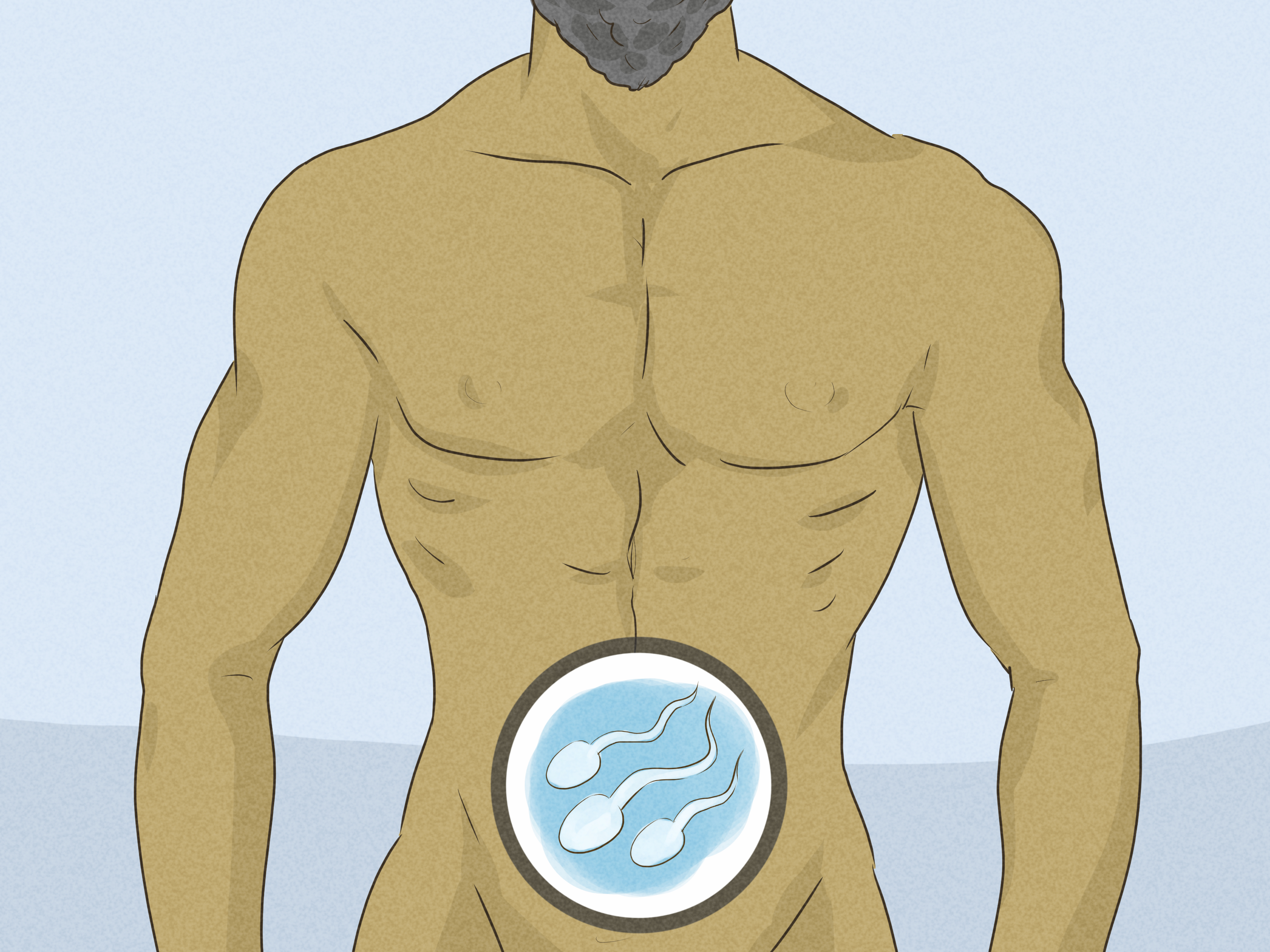
A vasectomy is not immediately effective. Sperm can remain downstream from the surgical site for weeks or months. Continue using condoms or another dependable contraceptive method until your clinician reviews a post-vasectomy semen analysis and specifically says you can stop backup birth control. Testing is commonly scheduled about 8 to 16 weeks after the procedure, often after roughly 20 ejaculations, although your clinic’s protocol may differ.
Post-vasectomy semen testing guidance synthesized from the American Urological Association, Planned Parenthood, Mayo Clinic, Urology Care Foundation, Mass General, AMA, and UCSF Health.
1. Wait Until Pain and Swelling Have Settled
The easiest way to have comfortable sex after a vasectomy is also the least exciting: do not rush it. Give the incision time to close and the surrounding tissue time to calm down. During the first several days, rest, supportive underwear, and any aftercare recommended by your clinician can help reduce tugging and swelling.
Before resuming sexual activity, check for practical signs of recovery. You should be able to walk, sit, change positions, and gently touch the area without sharp pain. Mild residual sensitivity may be normal, but worsening pain is not a challenge to “push through.” Your scrotum is recovering from surgery, not auditioning for an action movie.
If your clinician told you to wait longer than a week, follow that personalized instruction. Recovery is not a race, and winning first place earns no useful prize.
2. Begin With Low-Pressure Positions
For the first few sexual encounters, choose positions that reduce bouncing, compression, and sudden changes in angle. Side-by-side positions often allow slower movement and less pressure on the groin. Lying on your back while your partner controls the pace may also make it easier to stay relaxed and stop quickly if discomfort appears.
Avoid positions that place your full body weight on the scrotum, require deep squatting, or create vigorous thrusting during the early recovery period. There is no universal “best position” after a vasectomy because bodies, partners, mobility, and soreness levels vary. The best choice is simply the position that lets you control speed, depth, and pressure.
Place a pillow where it improves support, keep movements deliberate, and treat the first session as a test drive rather than a championship event.
3. Restart Intimacy Gradually
Sex does not have to leap from “doctor-ordered rest” directly to full-intensity intercourse. Kissing, massage, mutual touch, and other forms of nonpenetrative intimacy can help both partners relax while you assess how the area feels. This approach is especially useful if the person who had the vasectomy feels nervous about erection, orgasm, or pain.
Once sexual stimulation begins, pay attention to sensations in the incision and testicles. A mild pulling awareness may settle as anxiety decreases, but sharp, increasing, or lingering pain is a reason to stop. Gradual intimacy makes that decision easier because neither partner feels committed to finishing a specific script.
It also gives couples a chance to reconnect after several days of ice packs, supportive briefs, and conversations that were probably less romantic than usual.
4. Use Lubricant to Reduce Friction
Lubricant cannot heal a surgical site, but it can reduce friction and help keep movement gentle. That matters when you are trying to avoid sudden pulling or extra muscle tension. A simple water-based or silicone-based personal lubricant is generally easy to use; choose a product compatible with any condoms or sex toys involved.
Apply enough that neither partner needs to compensate with force. Reapply when needed rather than assuming one heroic squeeze must last the entire encounter. If a lubricant causes burning, itching, or irritation, stop using it and wash the area as directed on the product label.
Remember that lubricant is a comfort tool, not contraception. It does not replace condoms or another birth control method while you are waiting for semen-test clearance.
5. Keep the First Few Sessions Slow and Short
After a week away from sex, enthusiasm may return faster than tissue tolerance. Start at a slower pace and consider keeping the first session shorter than usual. Pauses are useful. Changing positions carefully is useful. Laughing when the carefully arranged pillow escapes across the room is also useful.
Some people notice temporary tenderness with the first few ejaculations. Others feel no difference at all. A small amount of blood in semen can occasionally occur after procedures involving the reproductive tract and may resolve, but blood that persists, returns repeatedly, or comes with pain, fever, urinary symptoms, or significant swelling deserves medical advice.
After sex, notice whether discomfort fades quickly or continues to build. Increasing soreness later that evening or the next morning is a sign that the activity may have been too intense for your current stage of healing.
6. Wear Supportive Underwear Before and After
Supportive briefs or an athletic supporter can minimize scrotal movement during recovery. Some people find it comfortable to wear support until shortly before sex and put it back on afterward, especially if the testicles still feel heavy or sensitive. Follow your clinician’s instructions about dressings, showering, and incision care.
Do not place tight elastic directly over a tender incision, and do not improvise with anything that restricts circulation. The goal is gentle support, not vacuum-sealed packaging.
If swelling increases after sexual activity, stop, rest, and contact your care team for guidance. Severe or rapidly enlarging swelling needs prompt medical evaluation rather than another layer of compression.
7. Continue Backup Birth Control Until the Semen Test Clears You
This is the most important safety rule in the entire article. You can be physically ready for sex and still be capable of causing a pregnancy. The vas deferens has been interrupted, but sperm already beyond the blocked area may remain in the reproductive tract.
Your clinician will tell you when to submit a semen sample. Do not substitute a calendar guess, a certain number of ejaculations, or an over-the-counter fertility test for the clinic’s required post-vasectomy semen analysis unless your clinician has specifically approved that method. Continue contraception until you receive explicit clearance.
Even after successful clearance, a vasectomy does not prevent sexually transmitted infections. Use condoms when STI protection is needed, including with new or non-monogamous partners.
Pregnancy and STI precautions synthesized from Mayo Clinic, Planned Parenthood, Cleveland Clinic, Urology Care Foundation, Mass General, and University of Utah Health.
8. Talk Openly and Stop if Something Hurts
Good communication is practical recovery equipment. Before sex, tell your partner what movements currently feel sensitive and agree that either person can pause without turning the moment into a medical debate. During sex, simple check-ins such as “Is this pressure okay?” are more useful than pretending everything feels perfect.
Stop if you experience sharp testicular pain, sudden swelling, bleeding from the incision, dizziness, or pain that continues to intensify. Contact your clinician if you develop fever, chills, pus or drainage, marked redness, an enlarging scrotum, uncontrolled pain, or other symptoms listed in your discharge instructions.
Persistent testicular pain lasting for months is uncommon but should be evaluated. Post-vasectomy pain can sometimes occur with erection, ejaculation, exercise, or sexual activity, and treatment options are available. Do not assume you must simply live with it.
Warning signs and persistent pain guidance synthesized from Mass General, Cleveland Clinic, Mayo Clinic, and NIH/NCBI.
What Usually Does Not Change After a Vasectomy
Erections and Testosterone
A routine vasectomy blocks the tubes that transport sperm; it does not remove the testicles or shut down testosterone production. Most people should not experience a direct loss of libido or erectile ability because of the procedure. Temporary hesitation may still happen because of soreness, worry, fatigue, or fear of injuring the area.
Orgasm and Ejaculation
You should still have orgasms and ejaculate. Most semen volume comes from glands such as the prostate and seminal vesicles, not from sperm. Because sperm make up only a small portion of ejaculate, semen usually looks and feels much the same after recovery.
Pleasure
Once healing is complete, an uncomplicated vasectomy should not reduce sexual pleasure. Some couples may feel more relaxed after contraception has been confirmed because the fear of unintended pregnancy is lower. That benefit begins only after the semen analysis provides clearancenot when the bandage comes off.
Sexual function guidance synthesized from Urology Care Foundation, Cleveland Clinic, and University of Utah Health.
Experiences Couples Commonly Have When Resuming Sex After a Vasectomy
The following examples are composite, educational scenarios based on common recovery concerns rather than stories about specific patients.
The Cautious First Attempt
One common experience is that the person who had the vasectomy feels physically ready but mentally guarded. The incision looks fine, walking is comfortable, and the clinician’s waiting period has passedyet every sensation near the scrotum suddenly receives the attention normally reserved for a smoke alarm.
In this situation, couples often do best by removing the expectation that intercourse must happen. They start with touch, keep supportive pillows nearby, and agree to stop immediately if anything feels wrong. Frequently, the anxiety decreases once the person realizes that arousal itself does not damage the procedure. Even when intercourse is postponed, the experience can still feel intimate rather than disappointing.
The “Everything Feels Normal” Surprise
Another common scenario is almost anticlimactic: sex feels basically the same. The erection is normal, ejaculation occurs normally, and semen does not look dramatically different. This can be reassuring because many people secretly expect a vasectomy to change masculinity, hormones, orgasm, or sexual performance.
When nothing remarkable happens, the biggest challenge becomes remembering that normal-feeling sex can still cause pregnancy before semen-test clearance. Comfort is not proof of sterility. The condom may remain part of the evening even when the surgical recovery appears complete.
The Session That Was Slightly Too Ambitious
Some couples resume sex after the recommended rest period and discover that enthusiasm has outrun healing. The activity feels acceptable at first, but afterward there is extra aching or a heavy sensation in the scrotum.
This does not automatically mean the vasectomy failed or that serious damage occurred. It may simply mean the pace, duration, or position created more movement than the area was ready to tolerate. Resting, returning to supportive underwear, and checking the clinician’s aftercare instructions are sensible next steps. Recurrent, worsening, or severe pain should be discussed with the care team rather than repeatedly tested in the bedroom.
The Backup-Birth-Control Negotiation
A surprisingly important post-vasectomy experience is not physical at all. One partner may assume the operation ended the need for contraception immediately, while the other remembers the semen test. A clear conversation prevents resentment and risk.
Couples can decide in advance which temporary method they will use and put the testing date on the calendar. This turns the semen analysis from a vague future chore into a shared finish line. It also avoids the dangerous logic of “surely enough time has passed.” Only the resultand the clinician’s interpretation of itconfirms when the vasectomy can be relied on.
The Confidence-Building Return to Routine
For many couples, the first post-vasectomy encounter is careful, the second is easier, and the third barely feels like a recovery event. They learn which positions are comfortable, stop monitoring every tiny sensation, and gradually return to their usual rhythm.
The most successful transition is rarely dramatic. It is built from patience, communication, a willingness to slow down, and respect for medical follow-up. In other words, the same skills that improve sex generally also happen to be excellent post-surgical strategy.
When to Call Your Doctor
Contact your health care provider promptly for fever or chills, worsening redness, pus or foul-smelling drainage, uncontrolled pain, significant bleeding, rapidly increasing swelling, a large scrotal lump, difficulty urinating, or an incision that opens. Seek urgent care for severe symptoms or anything your discharge paperwork identifies as an emergency.
Also schedule an evaluation for pain with ejaculation or intercourse that persists, repeatedly returns, or interferes with daily life. Persistent discomfort is not a character test, and getting medical advice is not overreacting.
Conclusion
Having sex after a vasectomy is usually straightforward once the initial healing period has passed. Wait until your clinician’s recommended time has elapsed, choose positions that minimize pressure, use lubricant, start slowly, and communicate openly. Most important, keep using backup contraception until the post-vasectomy semen analysis confirms that the procedure is working.
A vasectomy generally does not change testosterone, erections, orgasm, or the visible amount of semen. The first few encounters may feel more cautious than usual, but patience now can help you return to comfortable, confident sex without turning recovery into an unnecessary sequel.
Medical note: This article provides general education and does not replace advice from the clinician who performed your vasectomy. Individual recovery instructions and semen-testing protocols vary.