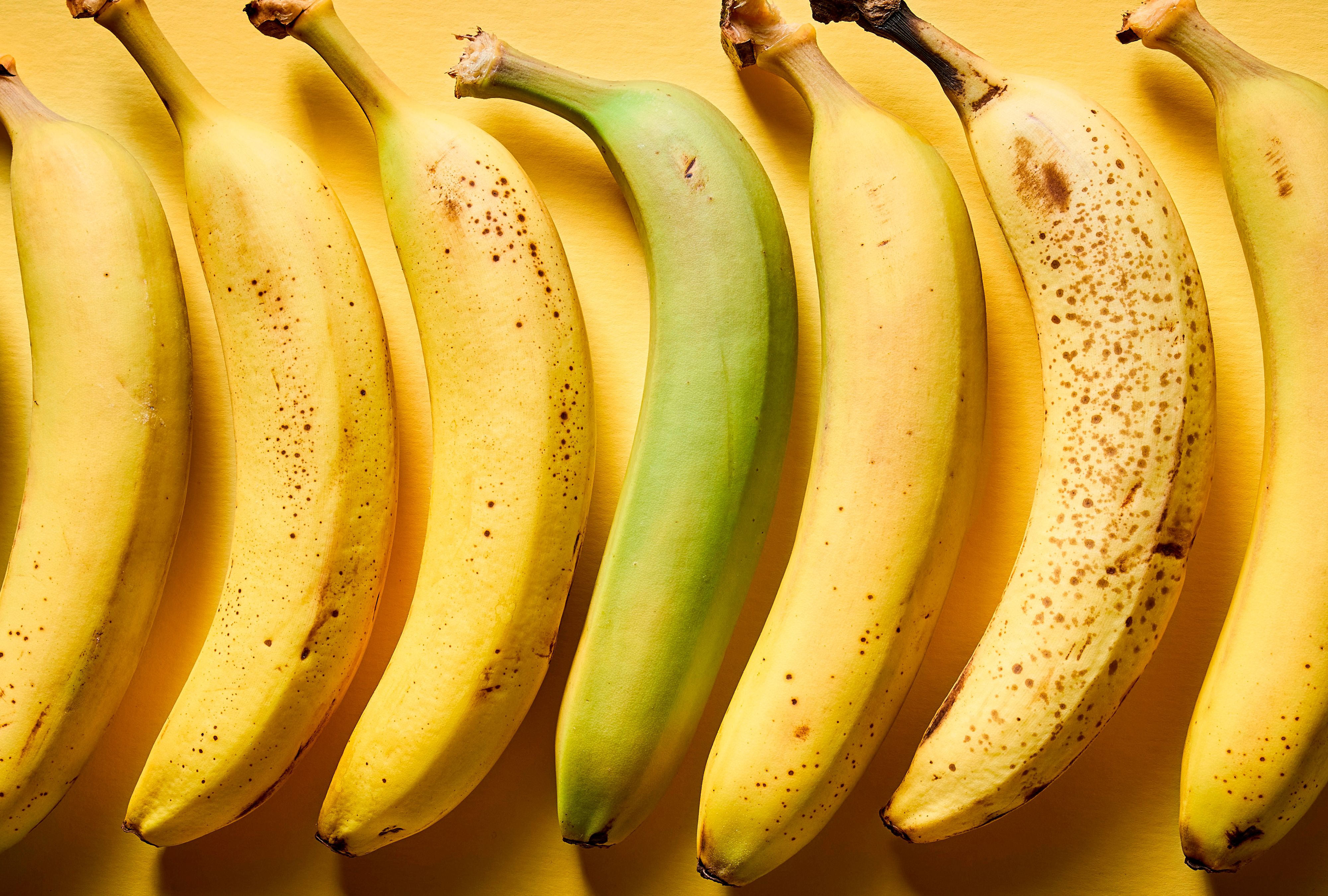
If you’ve ever stared at a bunch of bananas like they’re giving you a timed pop quiz“Are those brown spots… a warning sign?”welcome to the club.
Here’s the good news: most of the time, those speckles are just banana freckles. They usually mean the fruit is ripe, sweet, and ready to eat.
The slightly less fun news: there are a few “nope” moments (think mold, leaks, or a smell that belongs in a science fair volcano).
So, should you eat bananas with spots? Dietitians generally say: yesif the banana still smells normal, feels okay, and isn’t moldy or slimy.
Let’s break down what the spots mean, how ripeness changes nutrition, and how to pick the best banana for your goalssnacking, baking, blood sugar, digestion, or just avoiding food waste.
The quick answer (and the “don’t push it” version)
Yes, you can usually eat bananas with brown spots. The spots are a common sign of ripening. As bananas ripen, they get sweeter and softer,
which many people find easier to digest and more enjoyable to eat.
Skip it (or toss it) if you notice:
- Mold (fuzzy patcheswhite, green, or black fuzzon the peel or fruit)
- Leaking liquid or a slimy texture
- A rotten, “fermented/alcohol”, or otherwise “something’s off” smell
- Major damage that exposes the fruit and looks dirty or contaminated
What those brown spots actually are
Brown spots are typically part of the normal ripening process. Bananas produce (and respond strongly to) a natural ripening gas called
ethylene. Ethylene helps shift a banana from firm and starchy to soft and sweet. During that transition, you can see
enzymatic browninga natural reaction that changes pigments and darkens parts of the peel.
Think of it like this: the banana isn’t “going bad” just because it got freckles. It’s more like it traded a crisp shirt for sweatpants.
(Comfortable. Softer. A little less photogenic. Still totally functional.)
Ripeness changes banana nutritionmostly in the carb department
A banana’s headline nutrients (like potassium and certain vitamins) don’t suddenly vanish when spots appear. The biggest shift is in
carbohydrates: as bananas ripen, more of their starch breaks down into simple sugars. That’s why spotted bananas taste sweeter and feel softer.
Green or barely yellow: more resistant starch, less sweetness
Less-ripe bananas contain more resistant starcha type of carbohydrate that acts a bit like fiber because your body doesn’t fully digest it.
Dietitians often describe resistant starch as helpful for steadier blood sugar responses in some people and as a potential “food” for beneficial gut bacteria.
Trade-off: greener bananas can be harder to digest for some folks, especially if you’re sensitive to gas and bloating. If you’ve ever eaten a very green banana
and thought, “Why does my stomach feel like it’s doing a group project without me?”you’re not imagining things.
Yellow with a few brown spots: the “goldilocks” stage for many people
Many dietitians like this stage because it’s a sweet spot (pun fully intended): the banana is sweet enough to be enjoyable, soft enough to digest easily,
and still sturdy enough to slice onto toast without becoming banana pudding by accident.
Very spotted or mostly brown peel: sweetest, softest, best for baking
As the peel gets heavily speckled (or even mostly brown), the inside usually becomes very soft and sweet. This is prime time for banana bread, pancakes,
smoothies, or stirring into oatmeal like nature’s sweetener.
If you’re watching blood sugar closely, this is also the stage where portion size and pairing matter more, because the banana’s carbs are more rapidly available.
(Translation: this is when your banana is basically saying, “I’m dessert-adjacent now.”)
So… are spotted bananas “healthier” than green ones?
Not exactly “healthier,” but different. Ripeness changes how the banana behaves in your body and how you’ll use it in real life.
Dietitians often frame it like choosing shoes: sneakers aren’t “better” than boots, but you’ll regret wearing boots to run a sprint.
Pick based on your goal:
- For steadier blood sugar: choose less-ripe (more green/yellow, fewer spots), and pair with protein/fat.
- For easy digestion and quick energy: choose ripe/spotted.
- For baking or natural sweetness: choose heavily spotted or mostly brown peel.
What dietitians love about bananas (spots included)
Bananas earn their popularity because they’re portable, affordable, and actually bring real nutrition to the table. In standard dietitian language:
they’re a convenient way to get fiber and potassium, plus other helpful nutrients like vitamin B6.
In normal human language: they’re the snack that shows up on time and doesn’t require utensils.
Common perks dietitians mention:
- Potassium support: important for normal cell function and fluid balance; many people don’t get enough.
- Fiber: supports digestion and can help with fullness.
- Workout-friendly carbs: ripe bananas offer quick energy and are gentle on many stomachs.
- Versatility: breakfast, snacks, desserts, smoothies, bakingbananas don’t judge your lifestyle choices.
Who should pay a little more attention to ripeness
Bananas can fit into most eating patterns, but ripeness can matter more depending on your health needs and how your body responds.
If you have a medical condition, personalized guidance from a clinician or registered dietitian is best.
If you have diabetes or prediabetes
Riper bananas typically have more readily available sugars. That doesn’t make them “off-limits,” but it can influence blood sugar response.
Many dietitians suggest two practical strategies:
- Choose less-ripe bananas more often if you notice spikes with very ripe fruit.
- Pair bananas with protein or fat (peanut butter, Greek yogurt, nuts, or a cheese stick) to slow digestion.
If you have kidney disease or have been told to limit potassium
Potassium is essential, but some people with kidney disease need to manage potassium intake. If you’ve been advised to limit potassium,
talk with your healthcare team about whether bananas fit your plan and what portion is appropriate.
If you have a sensitive gut (IBS, frequent bloating, etc.)
Some people tolerate ripe bananas better because they’re softer and easier to digest. Others do better with smaller portions, regardless of ripeness.
If bananas bother your stomach, try:
- Half a banana instead of a whole one
- A less-ripe banana (firmer, fewer spots) or a moderately ripe one (a few spots)
- Eating it with other foods rather than on an empty stomach
Food safety: spots vs. spoilage (how to tell the difference)
Spots alone are not a safety issue. The banana peel is a protective barrier, and speckling is typically a ripening signal.
The bigger safety concerns are mold, leaking, and off odors.
A simple “banana decision tree”
- Brown speckles? Usually fine. Eat it, slice it, freeze it, or bake it.
- One big black bruise? Usually fine. Cut around mushy/discolored parts if needed.
- Moist, very dark area on the peel? Could be heavy bruising. Peel it and check the fruit inside.
- Fuzzy mold, slime, or a rotten/fermented smell? Toss it.
If you’re dealing with any visible mold on produce, food safety guidance generally recommends discarding the moldy itemespecially for softer foods
where mold can spread more easily than what you can see.
How to store bananas so you eat them (instead of starring in a banana guilt documentary)
Bananas ripen fast because they’re very responsive to ethylene. You can use that to your advantagespeed it up when you want, slow it down when you don’t.
To slow ripening
- Refrigerate when they’re as ripe as you like. The peel may darken in the fridge, but the fruit inside stays usable longer.
- Separate bananas if you want to reduce how quickly a whole bunch ripens together.
- Keep them away from other fast-ripening fruit if you’re trying to hit the brakes.
To speed ripening
- Use a paper bag. Traps some ethylene and helps bananas ripen more quickly.
- Add an apple to the bag if you want to turn “tomorrow” into “this evening.”
To rescue overripe bananas
- Freeze them: peel first, slice, and store for smoothies or baking.
- Mash and refrigerate: use in oatmeal, pancakes, or quick breads within a day or two.
Best banana stage for every use
- Green/mostly green: slicing into savory dishes, firmer texture, potentially steadier blood sugar response for some
- Yellow with a little green: everyday snacking, cereal topping, lunchboxes
- Yellow with brown spots: smoothies, oatmeal, pancakes, “sweet enough” snacking
- Heavily spotted/mostly brown peel: banana bread, muffins, “natural sweetener” for baking
Frequently asked questions
Do brown spots mean the banana has more sugar?
Usually, yes. As bananas ripen, more starch converts into sugars, which makes the banana taste sweeter and feel softer.
Are spotted bananas more “nutritious”?
They’re not automatically “better,” but ripeness affects how your body processes the carbs and how your gut tolerates the fruit.
For many people, the “best” banana is the one you’ll actually eat (and enjoy) regularly.
Is a brown peel the same as a spoiled banana?
Not necessarily. A banana can have a very brown peel and still be fine inside. Use the sniff-and-feel test:
normal banana smell + normal texture (not slimy) = usually okay. Rotten or fermented smell, visible mold, or oozing = toss it.
Conclusion: Spots are usually a green light, not a red flag
In most cases, bananas with brown spots are safe to eat and can be a delicious, convenient part of a balanced diet.
The spots are commonly a sign of ripeness: sweeter flavor, softer texture, and easier digestion for many people.
The real “don’t eat this” warnings are mold, slime, leaking, or a strong rotten/fermented odor.
If blood sugar management is a priority, choose less-ripe bananas more often and pair your banana with protein or fat.
If you want quick energy or an easy-on-the-stomach snack, ripe and spotted bananas can be your best friend.
Bottom line: banana spots are usually just the fruit’s way of saying, “I’m ready.” Your job is to decide whether that means “snack time” or “banana bread time.”
Real-life experiences: the spotted banana moments we all recognize (and how dietitians would coach them)
Let’s make this practical. Because the true drama of bananas doesn’t happen in a labit happens on your kitchen counter at 7:43 a.m. when you’re late,
hungry, and debating whether a speckled banana is a wholesome breakfast or a trap.
1) The “I bought green bananas and now they’re all spotted at once” experience
You planned ahead. You bought green bananas. You felt powerful. Thenlike a sitcom montagetwo days later every single banana has freckles.
This is normal: bananas ripen in a group, and once they get going, they don’t exactly tiptoe.
A dietitian’s move here is not panic; it’s strategy. Pick one spotted banana for today, then refrigerate the rest to slow further ripening.
Yes, the peel may turn darker in the fridge. No, your banana did not “die.” It just changed outfits.
2) The “spotted banana before a workout” experience
You need fuel, but you don’t want a stomach full of regret halfway through your jog. Many people find ripe bananas easier to tolerate than very green ones.
A spotted banana can be a quick carb source that’s gentle for lots of stomachs. If you need it to last longer, pair it with something like a spoonful of peanut butter
or a handful of nutsnow you’ve got carbs plus fat/protein for steadier energy.
3) The “blood sugar roller coaster” experience
Some people notice that very ripe bananas hit differentlyespecially if eaten alone. If you’ve checked your blood sugar and noticed bigger spikes with super-ripe bananas,
a dietitian would likely suggest experimenting: try a less-ripe banana (more yellow than brown-speckled) and eat it with Greek yogurt or eggs.
You’re not “banning bananas.” You’re just changing the contextlike putting a speed bump on a sweet snack.
4) The “kid won’t eat a banana with spots” experience
Adults will drink green juice but act betrayed by banana freckles. Kids just say it out loud.
If someone in your house rejects spotted bananas on sight, shift the banana’s job description.
Peel it, slice it, and freeze it for smoothies. Mash it into pancake batter. Stir it into oatmeal.
Suddenly the spots disappear (because the peel is gone), and everyone forgets they were ever emotionally invested in banana aesthetics.
5) The “banana bread saves the day” experience
Heavily spotted bananas are basically baking assistants that work for free. The extra sweetness means you can often use less added sugar in recipes,
and the soft texture blends easily into batter. If you’ve ever made banana bread that tasted flat, odds are your bananas weren’t ripe enough.
The speckled ones bring flavor. The very brown ones bring serious flavor. (Your neighbors will suddenly “just be in the area.”)
6) The “is this bruise or is this rotten?” experience
One big black spot can look alarming, but it’s often just bruisingespecially if the banana got squished in a bag.
Peel it and check the fruit. If the inside is mostly normal with a small mushy section, you can usually cut around it.
If it’s slimy, leaking, moldy, or smells fermented, that’s your cue to toss it and move on with your life (and maybe stop putting bananas under the canned beans).
7) The “I hate wasting food but I can’t eat five bananas today” experience
Dietitians are big on realistic habits. If bananas regularly go overripe in your house, that’s not a moral failureit’s a storage and timing problem.
Try buying fewer bananas at once, or mixing ripeness levels (some greener, some already yellow).
And remember the simplest rescue plan: peel + freeze. Future-you will be thrilled when smoothie day arrives and you already have fruit ready to go.
The takeaway from all these everyday moments is the same: spots usually mean “ripe,” not “risky.”
Use your senses, match ripeness to your needs, and treat bananas like the flexible, helpful food they arenot like a ticking time bomb on your counter.