Note: This article is based on real footwear-care, work-boot fitting, leather maintenance, and workplace safety guidance. It does not include external source links so it can be copied directly into a website editor.
Steel toe boots are supposed to protect your feet, not make you question every life choice that led you to aisle seven of the workwear store. Yet many people buy a sturdy pair, lace them up, and discover that the boots feel less like safety gear and more like two tiny armored apartments with angry landlords. The good news is that you can often stretch steel toe boots enough to reduce pinching, soften stiff leather, and make long shifts more bearable.
The important word is often. Steel toe boots are different from regular leather boots because the protective toe cap does not stretch. The steel shell is built to resist impact and compression, which is exactly why it refuses to politely expand just because your pinky toe filed a complaint. However, the leather, stitching area, vamp, sides, heel, and instep can loosen with the right methods. When done carefully, stretching steel toe work boots can improve comfort without compromising safety.
This guide explains how to stretch steel toe boots safely, what methods actually work, what tricks to avoid, and when it is smarter to exchange the boots instead of turning your laundry room into a footwear science lab.
Can Steel Toe Boots Really Be Stretched?
Yes, steel toe boots can be stretched, but only in certain areas. The upper material around the steel cap may loosen, and leather boots can gradually mold to the shape of your foot. You may gain a little more width across the ball of the foot, reduce pressure over the instep, soften the heel, and ease tightness where the boot bends. What you cannot do is make the actual steel toe cap longer, wider, or taller.
Think of the steel cap like a hard hat for your toes. You can soften the padding around it, adjust the surrounding leather, and improve the way your foot sits inside the boot. But the cap itself is not going to stretch unless you have access to industrial equipment, questionable judgment, and a very bad idea.
What Stretching Can Fix
Stretching can help when your steel toe boots feel slightly tight across the sides, snug over the top of the foot, stiff around the ankle, or uncomfortable during the break-in period. It can also help with mild rubbing, pressure points, and leather that feels rigid right out of the box.
What Stretching Cannot Fix
Stretching will not fix boots that are a full size too small. It will not create toe room inside a narrow steel cap. It will not solve numbness caused by severe compression. If your toes hit the front of the safety toe when walking downhill or kneeling, you likely need a larger size, wider width, or a different toe-box shape.
Before You Stretch: Check the Fit First
Before reaching for a boot stretcher, thick socks, or hair dryer, check whether your boots are actually stretchable. A good steel toe boot should feel snug but not painful. Your heel may slip slightly when the boots are new, but your toes should have room to wiggle. The widest part of your foot should sit comfortably in the widest part of the boot. If your foot feels trapped like a sandwich in a panini press, stretching may not be enough.
Try the boots on at the end of the day, when your feet are naturally a little swollen. Wear the same socks you use for work. Lace the boots properly, stand up, walk around, crouch, climb a step, and bend at the ball of the foot. Pay attention to where the pressure happens. Is it on the sides? Across the top? At the heel? Around the ankle? Or directly under the steel cap? The answer determines which stretching method makes sense.
How to Stretch Steel Toe Boots Safely
The safest approach is gradual stretching. Steel toe boots are built tough, but the leather, stitching, waterproof membranes, welt, glue, and insulation can still be damaged by aggressive methods. Slow stretching gives the material time to relax without warping the boot or weakening its structure.
1. Wear Thick Socks and Break Them In Slowly
The simplest way to stretch steel toe boots is to wear them with thick socks for short periods. Start with 30 to 60 minutes around the house, garage, or yard. Walk, bend, and move naturally. Do not start with a 10-hour shift unless you enjoy blisters as a personality test.
Thick socks add gentle pressure from inside the boot. As your body heat warms the leather, the boot begins to mold around your foot. Repeat this process for several days, gradually increasing wear time. This method is slow, but it is also low-risk and ideal for new leather work boots.
2. Use Leather Conditioner to Soften Tight Areas
Leather conditioner can help soften stiff work boots and make them easier to stretch. Apply a small amount to the tight areas, such as the sides of the forefoot, the vamp, or the ankle collar. Let the conditioner absorb, then wear the boots with thick socks or insert a boot stretcher.
Do not drown the boots in oil. Too much conditioner can darken leather, weaken fibers, attract grime, or make the boot feel overly soft. Use a product made for leather footwear, test it on a small hidden area first, and follow the label instructions. Your boots need care, not a spa day involving half a bottle of mystery oil.
3. Use a Boot Stretcher for More Control
A boot stretcher is one of the best tools for stretching steel toe boots because it applies steady, even pressure. Look for a heavy-duty boot stretcher designed for work boots, not a flimsy shoe stretcher meant for dress shoes. A two-way stretcher can help widen the boot and slightly increase room in the forefoot area. Some stretchers include small plugs or knobs that target bunions, hot spots, or pressure points.
To use one, apply leather stretching spray or conditioner to the tight area, insert the stretcher, and turn the handle until you feel firm resistance. Do not crank it like you are opening a stubborn pickle jar. Leave the stretcher inside for 8 to 24 hours, then test the fit. Repeat if needed. Several gentle rounds are safer than one heroic over-stretching session.
4. Try a Stretching Spray
Shoe stretching sprays are designed to relax leather fibers temporarily. Spray the inside or outside of the tight area according to the product instructions, then wear the boots with thick socks or use a boot stretcher. This works especially well for tight spots around the ball of the foot or instep.
Avoid using stretching spray on materials that are not compatible with moisture or solvents. Waterproof leather, suede, nubuck, insulated boots, and boots with special finishes may react differently. When in doubt, test a small area first. The goal is comfort, not creating abstract art on your expensive work boots.
5. Use Gentle Heat, Not Brutal Heat
Gentle heat can help leather relax, but too much heat can dry, crack, shrink, or damage it. Put on thick socks, wear the boots, and use a hair dryer on a low or medium setting. Keep it moving and hold it several inches away from the leather. Warm the tight area for about 20 to 30 seconds at a time, then walk around while the leather cools.
This method is useful for tight bends, stiff leather, and pressure across the top of the foot. However, avoid direct high heat, radiators, ovens, open flames, heat guns, and any method that sounds like it belongs in a welding shop. Leather is tough, but it is not immortal.
6. Stuff the Boots Overnight
For mild stretching, stuff the boots tightly with rolled towels, clean rags, or newspaper. Focus on the areas that need loosening. This method is not as precise as a boot stretcher, but it can help maintain shape and create gentle pressure overnight.
Stuffing works best when combined with conditioner or after wearing the boots for a short period. It is a good low-cost option if your boots are only slightly tight. It will not perform miracles, but it can reduce that new-boot stiffness that makes every step feel like a negotiation.
7. Visit a Professional Cobbler
If your boots are expensive, required for work, or painfully tight in one specific area, a professional cobbler is often the smartest choice. Cobblers have stronger stretchers, better tools, and experience with leather behavior. They can stretch width, target pressure points, soften problem areas, and tell you honestly when a boot is simply the wrong size.
This is especially helpful for steel toe boots because the safety cap limits what can be changed. A cobbler can work around the cap without damaging the boot. Paying for professional stretching is usually cheaper than buying another pair after ruining the first one with a freezer bag experiment gone rogue.
Should You Use the Freezer Method on Steel Toe Boots?
The freezer method involves filling bags with water, placing them inside the boots, and freezing them so the expanding ice stretches the material. It is popular online because it sounds clever, cheap, and slightly like a middle-school science fair project. But for steel toe boots, it is not always the best idea.
Freezing may help stretch some leather footwear, but steel toe boots often contain waterproof membranes, insulation, adhesives, safety components, and thick construction that may not respond evenly. Water can leak, freeze in the wrong place, stain the lining, or stress seams. If the pressure is trapped against the steel cap, the leather may not stretch where you actually need it.
If you decide to try it anyway, use strong sealed bags, avoid overfilling, and keep water away from electrical-hazard-rated or insulated boots. Still, safer methods like thick socks, conditioner, stretching spray, and a boot stretcher are usually better for steel toe work boots.
How to Stretch Different Parts of Steel Toe Boots
Stretching the Width
If the boots squeeze the sides of your feet, use a two-way boot stretcher with stretching spray or conditioner. Focus on the ball of the foot rather than the steel cap itself. Leave the stretcher in overnight, then repeat until the pressure eases.
Stretching the Instep
If the top of your foot feels compressed, loosen the laces and use a conditioner on the vamp area. Wear the boots with thick socks for short periods. Some boot stretchers include instep attachments, which can help lift the upper slightly.
Stretching Around the Ankle
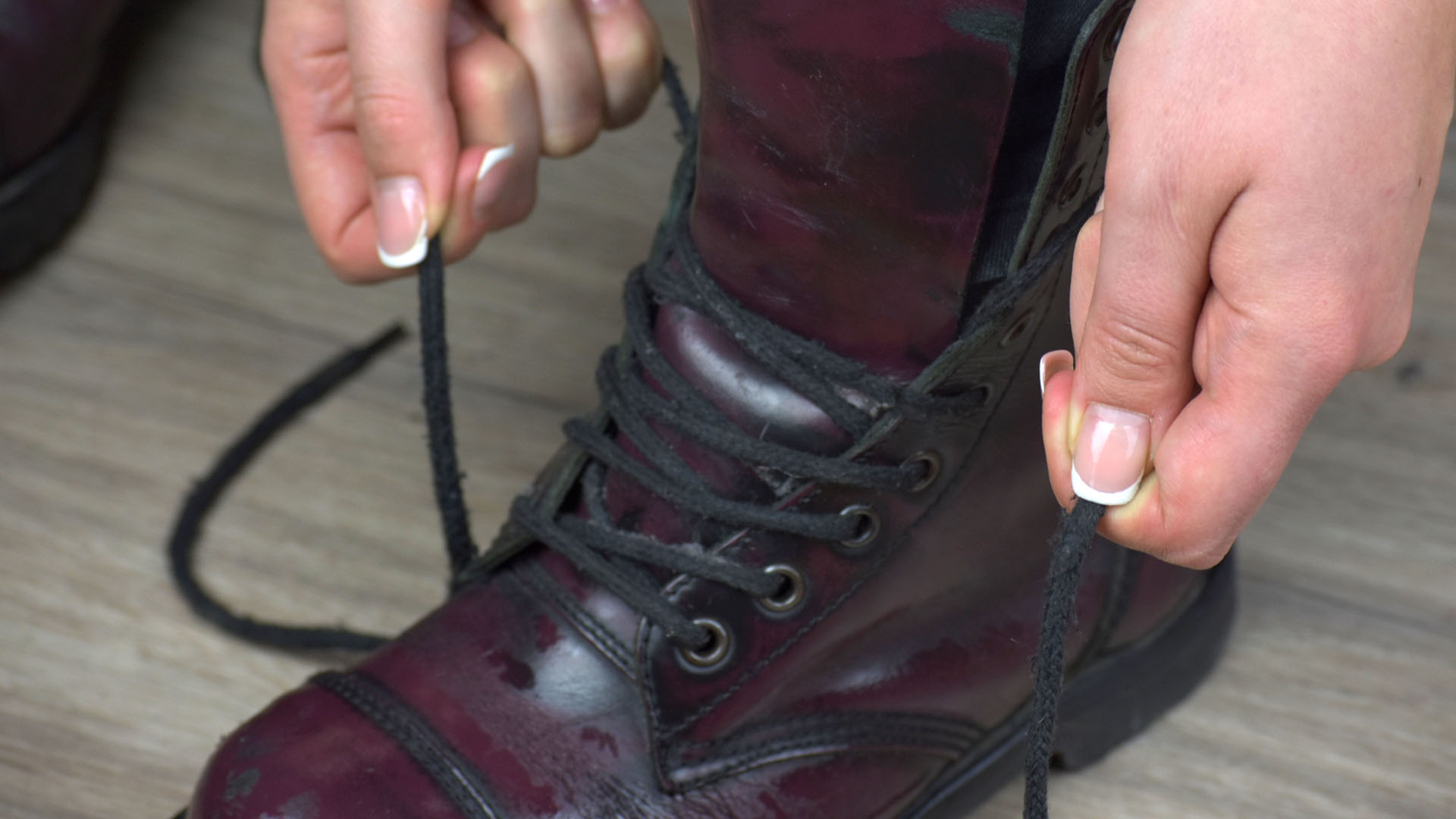
For stiff ankle collars, apply conditioner and flex the leather by hand. Wear the boots around the house and use proper lacing techniques to reduce rubbing. Avoid over-tightening the top hooks until the leather softens.
Reducing Heel Rub
Heel rubbing often improves as the boot breaks in. Wear moisture-wicking work socks, use moleskin on hot spots, and make sure the heel is seated properly before lacing. If the heel slips too much, an insole or heel pad may help, but do not make the toe box tighter in the process.
Common Mistakes to Avoid
The biggest mistake is trying to force steel toe boots to become a different size. Stretching can improve fit, but it cannot turn a size 9 into a size 10. Another mistake is using too much heat. Direct heat can dry leather and damage adhesives. Soaking boots in water is also risky because it can weaken leather, affect waterproofing, and create odor problems. Nobody wants boots that smell like a damp basement with ambition.
Avoid hammering the steel toe cap, cutting the lining, removing protective parts, or modifying the boot in a way that may reduce safety performance. Steel toe boots are protective equipment. If your job requires ASTM-rated safety footwear, do not alter the safety structure. Comfort matters, but so does keeping your toes attached and unflattened.
How Long Does It Take to Stretch Steel Toe Boots?
Mild stretching can take a few hours with a boot stretcher, but real break-in usually takes several days to two weeks. Full-grain leather work boots often need more time than lightweight synthetic boots. Waterproof, insulated, and heavily stitched boots may feel stiffer for longer.
If the boots still cause sharp pain, numbness, bruising, or toe pressure after careful stretching, stop wearing them. Pain is not proof that you are tough. Sometimes it is just your foot sending a strongly worded email.
How to Make Steel Toe Boots More Comfortable Without Stretching
Stretching is not the only solution. Sometimes comfort improves with better socks, better lacing, or the right insole. Choose work socks that wick moisture and cushion high-pressure areas. Avoid cotton socks for long shifts because they hold sweat and increase friction. Try different lacing patterns to relieve pressure over the instep or lock the heel in place.
Insoles can improve arch support and reduce fatigue, but they also take up space. If your boots are already tight in the toe box, a thick insole may make the problem worse. In that case, look for a thinner supportive insole or choose boots with more internal volume.
Also consider boot shape. Some brands and models offer wide widths, roomier toe boxes, or safety toes made from composite or alloy materials. Composite toe boots may feel warmer in cold weather and lighter on the foot, while steel toe boots are known for strong impact and compression protection. The best choice depends on your job hazards, comfort needs, and workplace requirements.
When to Replace Instead of Stretch
You should replace or exchange steel toe boots if your toes hit the front, the steel cap presses down on your nails, your feet go numb, or the boots cause pain within minutes. You should also replace boots with cracked soles, exposed steel caps, damaged safety toes, separated seams, worn tread, or compromised waterproofing if those features matter for your job.
Buying the right size is always better than trying to rescue the wrong size. When shopping, measure both feet, try boots on late in the day, wear work socks, and walk on an incline if possible. If one foot is larger, fit the larger foot. Your smaller foot can use a sock or insole adjustment. Your larger foot cannot simply “be brave.”
Real-World Experiences: What Usually Works Best
People who wear steel toe boots every day tend to learn one lesson fast: break-in comfort is not a luxury; it is survival. A warehouse worker standing on concrete for ten hours may notice that the boot feels fine in the store but tight by lunchtime. A construction worker may find that kneeling pushes the toes forward into the cap. A mechanic may discover that thick socks help the heel but make the toe box worse. The solution is rarely one magic trick. It is usually a combination of small adjustments.
One common experience is that the first problem area is not always the toe. Many new steel toe boots feel tight across the widest part of the foot because the leather upper is stiff. In that case, a boot stretcher and leather conditioner can make a noticeable difference. After one night on the stretcher, the boots may not feel “slipper comfortable,” but the sharp squeeze often becomes a manageable snugness. After a week of short wear sessions, the leather usually begins to cooperate.
Another common experience involves the instep. Workers with high arches often feel pressure from the top of the boot, especially when the laces are pulled tight. Stretching the toe area will not fix that. Loosening the lower laces, using a different lacing pattern, and conditioning the vamp can help more than forcing the forefoot wider. Sometimes the best “stretching” method is simply learning how the boot wants to be laced.
There is also the classic thick-sock method. It sounds almost too simple, but it works well when the boots are only slightly tight. Wear thick socks, walk indoors for an hour, remove the boots, and inspect your feet. A little redness is normal during break-in. Sharp pain, numbness, or deep marks are not. The trick is patience. People get into trouble when they wear brand-new boots for a full shift and then blame the boots for acting like brand-new boots.
Some workers swear by gentle heat. Used carefully, it can help stiff leather bend where the foot naturally flexes. Used carelessly, it can turn good leather into sad leather jerky. The most successful approach is short bursts of warm air while wearing thick socks, followed by walking until the leather cools. This helps the boot remember the foot shape. It is a small adjustment, not a blacksmithing operation.
The freezer method gets mixed reviews. Some people report success with regular leather boots, but steel toe work boots are less predictable. The steel cap blocks expansion where many people want more space, and waterproof or insulated interiors can complicate things. For expensive safety boots, most experienced wearers prefer a stretcher or cobbler. Freezer tricks are cheap until they are not.
The best experience-based advice is simple: identify the exact pressure point before choosing a fix. Side squeeze needs width stretching. Top pressure needs instep relief. Heel rub needs break-in, socks, or lacing. Toe-cap pain usually means the wrong size or shape. Once you know the problem, stretching steel toe boots becomes much easierand your feet stop plotting revenge by 3 p.m.
Final Thoughts on Stretching Steel Toe Boots
Learning how to stretch steel toe boots is mostly about respecting the limits of the boot. The leather can soften. The upper can relax. The fit can improve. But the steel toe cap will not expand, and safety footwear should never be modified in a way that weakens protection.
Start with gentle methods: thick socks, short wear sessions, leather conditioner, stretching spray, and a proper boot stretcher. Use heat carefully, avoid extreme shortcuts, and ask a cobbler for help when the boots are valuable or required for work. Most importantly, know when stretching is not the answer. A comfortable work boot should protect your feet without punishing them. Your boots should be tough on the job, not on your toes.