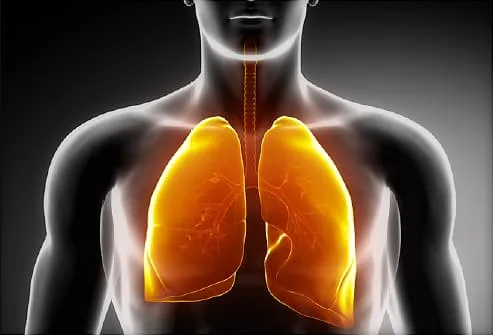
Breathing is supposed to be the ultimate background task. You should not have to schedule it, supervise it, or wonder why walking from the couch to the kitchen suddenly feels like a mountain expedition. When breathing becomes difficult, uncomfortable, unusually fast, noisy, or simply “not right,” the medical term often used is dyspnea, or shortness of breath.
Breathing problems range from temporary issues caused by a stuffy nose, strenuous exercise, anxiety, or poor air quality to serious conditions involving the lungs, heart, blood, nerves, or airways. The sensation may feel like air hunger, chest tightness, an inability to take a satisfying deep breath, wheezing, rapid breathing, or unusual effort with each breath. Because the list of possible causes is long, the pattern of symptoms matters almost as much as the symptom itself.
What Can Breathing Problems Feel Like?
Not everyone describes shortness of breath in the same way. One person may say, “I cannot get enough air,” while another notices chest tightness, a need to breathe faster, or an uncomfortable awareness of every breath. Some people become short of breath only while climbing stairs. Others struggle while resting or lying flat.
The timing offers important clues. A problem that appears within minutes may point toward an asthma attack, allergic reaction, pulmonary embolism, heart problem, panic attack, airway obstruction, or another acute condition. Symptoms developing over days may accompany an infection. Gradually worsening breathlessness over months can occur with chronic lung disease, heart disease, anemia, reduced physical conditioning, or other long-term conditions.
When Is Trouble Breathing an Emergency?
Do not spend an hour searching the internet for the perfect breathing exercise while your body is waving a giant red flag. Emergency warning signs can include severe or rapidly worsening difficulty breathing, persistent chest pain or pressure, confusion, inability to stay awake, fainting, bluish discoloration, or an inability to speak normally because you cannot catch your breath.
Sudden shortness of breath accompanied by chest pain, pain that worsens with a deep breath, rapid breathing, or a fast heartbeat can occur with a pulmonary embolism, which is a blood clot in the lungs. Shortness of breath can also be a symptom of a heart attack, sometimes even when dramatic chest pain is absent. These situations require urgent medical evaluation.
Common Causes of Breathing Problems
Asthma and Narrowed Airways
Asthma causes episodes of airway inflammation and narrowing. Symptoms may include wheezing, coughing, chest tightness, and shortness of breath. Exercise, respiratory infections, allergens, smoke, air pollution, cold air, and other triggers can worsen symptoms in susceptible people.
A person with asthma may feel reasonably well between episodes, which is one reason objective testing and a clear treatment plan are important. Severe asthma symptoms that make speaking or normal breathing difficult require urgent care.
Respiratory Infections
Viruses and bacterial infections can affect the respiratory system. A common cold may mainly block the nose, while infections involving the lower airways or lungs can cause cough, fever, wheezing, chest discomfort, and breathing difficulty. Pneumonia can interfere with normal oxygen exchange, particularly in older adults and people with other medical conditions.
Difficulty breathing during a respiratory illness is an important warning sign, especially when symptoms are severe, rapidly worsening, or improve and then return with greater intensity.
Chronic Obstructive Pulmonary Disease
Chronic obstructive pulmonary disease, or COPD, includes conditions such as emphysema and chronic bronchitis that make airflow increasingly difficult. Common symptoms include ongoing cough, mucus production, wheezing, chest tightness, and shortness of breath during ordinary activities.
Cigarette smoking is a major cause of COPD in the United States, although nonsmokers can also develop the disease. Secondhand smoke and environmental or workplace exposures may contribute. Smoking cessation remains one of the most important steps for protecting lung health and reducing additional damage.
Heart and Circulation Problems
Breathing difficulty is not always a lung problem. The heart and lungs work as a team, and when one partner struggles, the other rarely gets to enjoy a quiet afternoon.
Heart failure can cause shortness of breath during activity and, as the condition progresses, during simple tasks or while lying flat. Coronary heart disease and heart attacks can also produce breathlessness. Swelling in the feet or legs, unusual fatigue, chest discomfort, dizziness, or worsening breathlessness while lying down are clues that deserve medical evaluation.
Pulmonary Embolism and Other Serious Lung Conditions
A pulmonary embolism occurs when a blood clot blocks blood flow in the lungs. Symptoms may develop suddenly or more gradually and can include shortness of breath, rapid breathing, an elevated heart rate, and pain with deep breathing. Other serious causes of breathing difficulty include respiratory failure, severe lung inflammation, collapsed lung, fluid around the lungs, and pulmonary hypertension.
Anemia
Red blood cells carry oxygen throughout the body. When a person has anemia, there may not be enough healthy red blood cells or hemoglobin to deliver oxygen efficiently. The result can be fatigue, weakness, dizziness, headache, and shortness of breath, particularly during physical activity. A blood test is usually needed to determine whether anemia is present and what is causing it.
Anxiety and Panic Attacks
Anxiety can produce very real physical symptoms, including rapid breathing, chest tightness, dizziness, a racing heartbeat, and the sensation that you cannot get enough air. Panic attacks may be especially intense and can feel frighteningly similar to heart or lung emergencies.
However, it is risky to automatically label new breathing difficulty as “just anxiety.” Medical causes should be considered, particularly when symptoms are new, severe, persistent, associated with chest pain, or different from a person’s usual anxiety pattern.
Environmental and Lifestyle Factors
Smoke, particulate pollution, mold, pet allergens, chemical irritants, workplace dust, and other airborne exposures can irritate the lungs or trigger asthma symptoms. Indoor particle pollution can come from tobacco smoke, cooking, candles, fireplaces, and outdoor pollution entering the home.
Reduced physical conditioning can also make activity feel harder than it once did. Obesity may increase the work required for breathing, while high altitude provides less available oxygen than sea level. Neuromuscular disorders, chest wall problems, and certain medications can also interfere with normal breathing mechanics.
How Doctors Test Breathing Problems
Medical History and Physical Examination
The investigation often begins with surprisingly simple questions. When did the problem start? Did it appear suddenly or gradually? Does exercise trigger it? Is there wheezing, fever, chest pain, coughing, swelling, or mucus? Is breathing worse when lying down? Has there been recent travel, surgery, prolonged immobility, smoking, or exposure to dust or chemicals?
A clinician may listen to the lungs and heart, check the breathing rate and pulse, look for swelling or signs of poor circulation, and assess how much effort is required to breathe.
Pulse Oximetry
A pulse oximeter is the small clip-like device commonly placed on a fingertip to estimate blood oxygen saturation. It can provide useful information, but it is not a magical truth detector. The U.S. Food and Drug Administration advises people not to rely only on a pulse oximeter when symptoms are serious or worsening because readings can be affected by device limitations and other factors. Symptoms and the overall clinical picture still matter.
Spirometry and Other Lung Function Tests
Spirometry measures how much air a person can exhale and how quickly it can be blown out. It is commonly used when conditions such as asthma or COPD are suspected. Testing may sometimes be performed before and after a bronchodilator to see whether opening the airways changes the results.
Additional pulmonary function tests can measure total lung volume or how effectively gases move from the lungs into the bloodstream.
Chest X-Rays and CT Scans
Imaging can help identify pneumonia, tumors, excess fluid, structural abnormalities, or other lung problems. A chest CT scan provides more detailed images than a standard chest X-ray and may be used when symptoms or initial tests suggest a condition requiring a closer look.
Blood Tests
Blood work may be used to check for anemia, infection, inflammation, and other conditions. In severe breathing problems, an arterial blood gas test can directly measure oxygen, carbon dioxide, and acid-base balance in the blood.
Heart Tests
Because cardiac disease can cause breathlessness, testing may include an electrocardiogram, echocardiogram, blood tests, stress testing, or other cardiovascular studies depending on the symptoms and risk factors.
Medical Solutions for Breathing Problems
The correct treatment depends on the cause. There is no universal “shortness of breath pill,” which is inconvenient but medically sensible.
Asthma may require quick-relief and long-term controller medications. COPD treatment can include inhaled medicines, smoking cessation, vaccines, pulmonary rehabilitation, and other therapies. Bacterial infections may sometimes require antibiotics, while viral infections are treated according to the specific virus and severity. Heart failure, anemia, pulmonary embolism, and anxiety disorders each require very different approaches.
Some people with chronic lung disease benefit from pulmonary rehabilitation, which combines supervised exercise, education, breathing strategies, and support. Supplemental oxygen is appropriate for certain patients with documented low oxygen levels, but oxygen should be used according to medical guidance rather than borrowed from another person or treated as a general-purpose cure for breathlessness.
Home Treatments and Practical Ways to Ease Mild Breathlessness
Stop and Find a Comfortable Position
When mild breathlessness occurs during activity, stop, sit upright, and relax the shoulders. Some people feel better leaning slightly forward with their arms supported. Avoid lying flat when that position makes breathing more difficult.
Try Pursed-Lip Breathing
Pursed-lip breathing can help some people, particularly those living with obstructive lung disease, slow their breathing and feel more in control. Breathe in gently through the nose, then breathe out slowly through lips held as though you were softly blowing out a candle. The exhalation should be relaxed rather than forced.
Practice Diaphragmatic Breathing
Diaphragmatic, or belly, breathing focuses on allowing the abdomen to expand during inhalation rather than relying mainly on the upper chest. It can be useful as a breathing-control technique for some people with chronic respiratory conditions or stress-related rapid breathing. Stop if an exercise makes symptoms worse.
Reduce Airborne Triggers
Avoid tobacco smoke and known irritants. Improve ventilation when cooking, address moisture problems that encourage mold growth, and reduce exposure to personal asthma triggers when possible. On days with poor outdoor air quality, people with sensitive lungs may need to modify outdoor activities.
Use Prescribed Medicines Correctly
People with asthma, COPD, or other diagnosed conditions should follow their treatment and action plans. Keep rescue medication accessible when prescribed, and learn correct inhaler technique. Increasing doses, using another person’s inhaler, or repeatedly treating worsening symptoms at home without medical advice can delay necessary care.
Stay Active Within Medical Limits
For people with stable chronic conditions, appropriate physical activity can improve conditioning and make everyday tasks less demanding. The key words are appropriate and stable. New unexplained shortness of breath should be evaluated before beginning an ambitious exercise program inspired by a motivational video at 2 a.m.
Stop Smoking
For people who smoke, quitting is one of the most meaningful steps for long-term lung and cardiovascular health. Benefits apply even to people who have smoked for many years or already have COPD.
Common Real-World Experiences and Lessons From Living With Breathing Problems
Breathing symptoms are often difficult to describe until they happen. A person may begin by noticing that stairs feel slightly harder than last year. Instead of obvious gasping, there may be subtle adjustments: walking more slowly, avoiding hills, pausing halfway through household chores, or pretending to check a phone while secretly catching a breath. Because the change can be gradual, people sometimes adapt their lives before realizing that their breathing has changed.
One useful real-world lesson is to pay attention to changes from your own baseline. A highly trained runner and a person who rarely exercises will naturally have different responses to the same flight of stairs. What matters is whether your usual activity suddenly or progressively becomes more difficult. “I always get winded sprinting for the bus” tells a different story from “I used to walk three blocks easily, and now I have to stop twice.”
Another common experience is discovering that breathing problems do not always begin in the lungs. Someone may expect an inhaler and instead learn that anemia is contributing to the problem. Another person may report shortness of breath while lying down and undergo a heart evaluation. Someone else may have normal basic lung tests but experience episodes of rapid breathing during panic attacks. The symptom is real in every case; the mechanism is simply different. That is why diagnosis matters more than guessing.
Keeping a simple symptom record can make medical appointments far more productive. Note when the breathlessness occurs, what you were doing, how long it lasted, and whether it came with wheezing, cough, fever, chest discomfort, palpitations, swelling, dizziness, or exposure to smoke or allergens. A pattern that feels random in memory may become obvious on paper.
Home devices can also create a peculiar mix of reassurance and anxiety. A pulse oximeter can be useful when a clinician recommends one, but checking it every two minutes can turn a quiet evening into a one-person mission-control center. More importantly, a seemingly acceptable number should not override severe symptoms. The FDA specifically advises considering how a person feels rather than relying solely on the device.
People with chronic breathlessness often learn the value of pacing. Instead of rushing through a task until completely exhausted, they may break activities into smaller sections, sit for parts of meal preparation, organize frequently used items within easy reach, or coordinate exhalation with effort. These adjustments are not “giving up.” They are energy-management strategies that can help preserve independence while medical treatment addresses the underlying condition.
Anxiety can become part of the experience even when the original cause is entirely physical. Feeling unable to breathe is frightening, and fear can make breathing faster and more uncomfortable. Learning controlled breathing techniques, understanding an individual action plan, and knowing which symptoms require emergency care can reduce some of that uncertainty. At the same time, persistent or worsening symptoms should never be dismissed simply because anxiety is also present.
Perhaps the most important lesson is that breathlessness deserves context. A brief episode after intense exercise may be normal. Persistent shortness of breath during routine activity is not something to quietly normalize. Sudden severe symptoms are not a home-treatment experiment. The best outcomes often begin with noticing a change, describing it clearly, and getting the appropriate level of care before the problem becomes harder to manage.
Conclusion
Breathing problems are a symptom, not a single diagnosis. They may come from asthma, COPD, respiratory infections, heart disease, blood clots, anemia, anxiety, environmental irritants, reduced conditioning, or other conditions. The safest approach is to consider how quickly symptoms began, what triggers them, which other symptoms are present, and whether the problem is worsening.
Tests such as pulse oximetry, spirometry, lung function testing, blood work, imaging, and heart studies can help identify the cause. Treatment should then target the underlying condition. At home, positioning, controlled breathing, avoidance of smoke and irritants, correct use of prescribed medication, smoking cessation, and sensible activity may help selected people with mild or chronic symptoms. None of these measures should delay emergency care for severe or rapidly worsening breathing difficulty.
Source note: Medical information in this article was synthesized from current patient and clinical guidance published by the National Heart, Lung, and Blood Institute, National Library of Medicine and MedlinePlus, Centers for Disease Control and Prevention, U.S. Food and Drug Administration, U.S. Environmental Protection Agency, National Institute of Mental Health, and American Lung Association.