Note: This article is written from a synthesized review perspective based on verified product details, hands-on testing information, and raised-bed gardening best practices. It is original, rewritten for web publication, and contains no source links inside the article body.
If your garden dreams are big but your knees, back, shoulders, or tiny patio are staging a quiet rebellion, the Vego Elevated Garden Bed is the kind of product that walks in wearing a cape. Or, more accurately, rolls in on optional casters. In Bob Vila’s tested review, the Vego Elevated Garden Bed earned attention for exactly the reasons modern gardeners care about: comfort, durability, portability, drainage, looks, and a very welcome break from kneeling in the dirt like you are apologizing to your tomatoes.
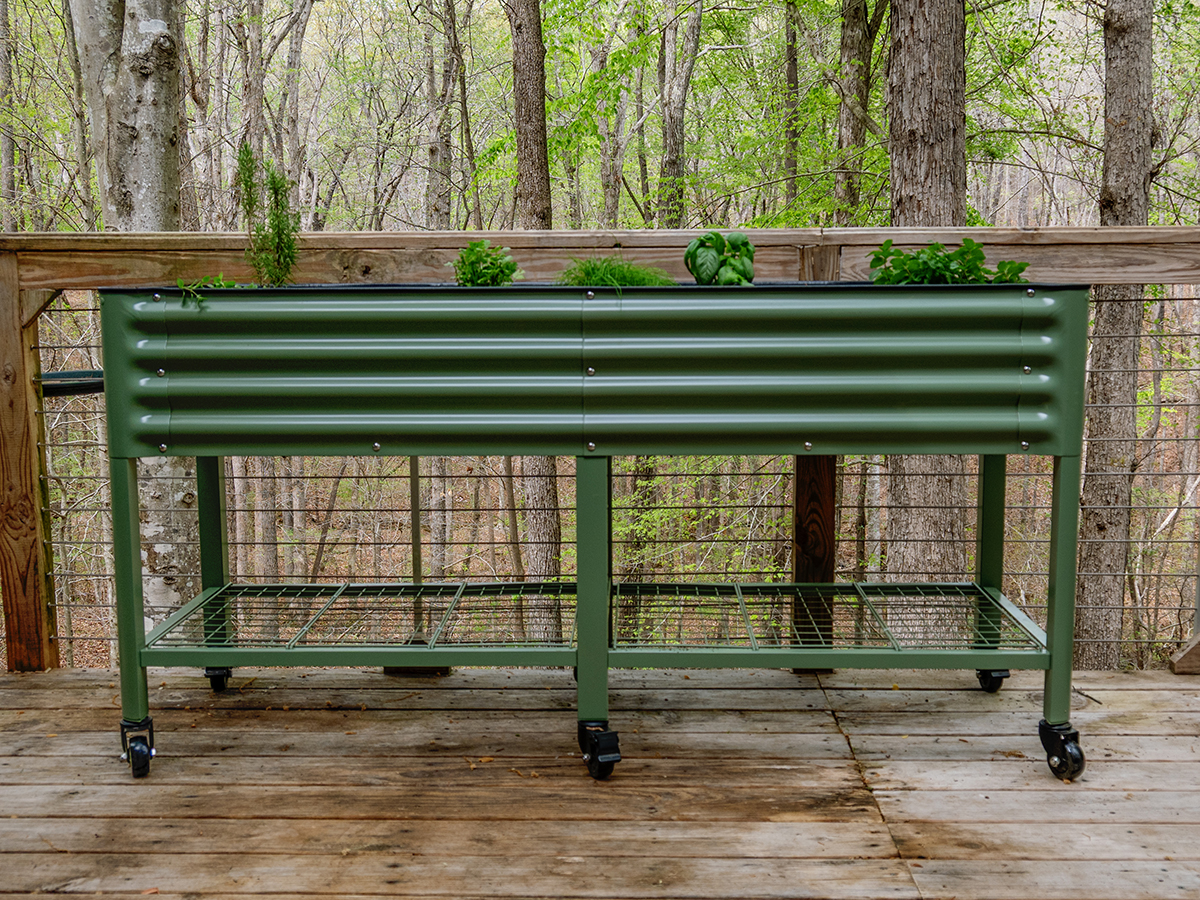
The model most closely associated with the Bob Vila review is the Vego Elevated Garden Bed in the 2-foot by 6-foot size. It is a waist-height, metal, patio-friendly raised planter designed for gardeners who want the benefits of a raised garden bed without the back-bending workout that usually comes free with the hobby. Vego positions it as an accessible, long-lasting, small-space gardening solution, and Bob Vila’s tester found it especially useful for a gardener with shoulder pain and limited mobility.
So, is this elevated garden bed actually worth the premium price, or is it just a very handsome metal box with great posture? Let’s dig in, preferably without bending.
Quick Verdict: Is the Vego Elevated Garden Bed Worth It?
Yes, for the right gardener, the Vego Elevated Garden Bed is absolutely worth considering. It is best for people who want an ergonomic, attractive, durable raised bed for a patio, deck, balcony, or small backyard. It is also a strong choice for older gardeners, renters, gardeners with mobility challenges, or anyone who wants herbs, greens, strawberries, compact vegetables, and flowers within easy reach.
Bob Vila gave the Vego Elevated Garden Bed a high rating, praising its comfortable working height, sturdy construction, clean modern design, and surprising mobility when equipped with wheels. The only major drawback was assembly. It is not technically difficult, but it involves enough parts and hardware to make your coffee file a formal complaint.
Vego Elevated Garden Bed at a Glance
- Product: Vego Elevated Garden Bed – 2′ x 6′
- Best for: Patios, decks, balconies, small gardens, accessible gardening
- Height: 32 inches without casters; 36 inches with casters
- Soil depth: 12 inches
- Soil capacity: About 11.15 cubic feet
- Weight capacity: Up to 1,000 pounds
- Material: VZ 2.0 coated galvanized steel
- Available colors: Olive Green, Modern Gray, Pearl White
- Wheel option: Available with or without wheels
- Best crops: Herbs, lettuce, strawberries, compact tomatoes, carrots, peppers, flowers, greens
What Makes This Vego Bed Different?
Most raised beds sit on the ground. That is great if you have a yard, decent soil underneath, and a body that enjoys squats. The Vego Elevated Garden Bed is different because it functions more like a standing-height planter box. The planting area is lifted on a metal frame, which brings the soil surface closer to your hands and away from your ankles.
This design solves several common gardening problems at once. It reduces bending, makes maintenance easier, keeps the bed tidy on paved surfaces, and allows gardening in spaces where digging into the ground is impossible. That includes patios, balconies, rental homes, townhouse courtyards, and compact urban backyards.
Design and Build Quality
The Vego Elevated Garden Bed looks polished enough that it does not scream “farm equipment” in the middle of a patio. The corrugated metal sides give it structure, while the rounded modern shape keeps it from looking industrial. The color choices are also practical: Olive Green blends into the garden, Modern Gray suits contemporary patios, and Pearl White looks crisp against darker decking or stone.
The frame is built to handle serious weight. Vego lists the 2′ x 6′ elevated bed with a soil and weight capacity of 11.15 cubic feet and 1,000 pounds. That matters because wet soil is heavy. Add plants, water, mulch, and one overly enthusiastic basil harvest, and a weak planter can bow, wobble, or sag. This one is reinforced for stability, which is one reason Bob Vila’s tester emphasized its solid feel.
Material: VZ 2.0 Coated Steel
Vego uses its VZ 2.0 material, which combines galvanized steel with zinc, aluminum, and magnesium coating, then finishes it with USDA-compliant paint. The practical takeaway is simple: the bed is designed to resist rust, corrosion, weather damage, and long-term wear. Vego promotes the material as food-safe and suitable for growing edible plants, which is important when the whole point is to eat the lettuce rather than nervously interrogate it.
Compared with wood elevated beds, coated steel has a major advantage: it does not rot. Wood can be beautiful, affordable, and easy to work with, but constant moisture eventually wins. Metal beds cost more upfront, but the long lifespan can make sense if you are building a garden you want to keep for many seasons.
Comfort and Accessibility
This is where the Vego Elevated Garden Bed shines brightest. At 32 inches tall without casters and 36 inches tall with casters, the bed puts the planting surface at a comfortable working height for many adults. You can stand while trimming herbs, checking seedlings, pulling weeds, or harvesting greens. You can also sit on a stool beside it, which is a meaningful advantage for gardeners with back pain, joint stiffness, shoulder issues, limited mobility, or fatigue.
Bob Vila’s review specifically highlighted how the bed helped a gardener return to growing herbs without discomfort. That is not a small feature. Gardening is supposed to be restorative, not a weekly episode of “Why Does My Lower Back Sound Like Bubble Wrap?”
Assembly: Easy, But Not Instant
The Vego Elevated Garden Bed is not hard to assemble, but it is not a magical pop-up planter either. Expect panels, bolts, nuts, supports, and enough small hardware to make organization important. Bob Vila’s tester noted that assembly was the main drawback: straightforward, but tedious.
The best approach is to unpack everything first, sort the parts, read the instructions, and build on a flat surface. If you have mobility issues, ask for help before assembly day. This is especially true if you buy the larger size or add accessories such as a mesh cover, irrigation kit, greenhouse cover, or trellis system.
Assembly Tips
- Lay all parts out before starting.
- Use a tray or bowl for bolts and nuts so they do not escape into another dimension.
- Do not fully tighten every bolt until the frame is aligned.
- Build near the final location if you choose the no-wheel version.
- Install add-ons before filling the bed when possible.
Drainage and Watering Performance
Drainage is a major reason raised beds work well. University extension gardening resources often point out that raised beds can improve drainage, reduce soil compaction, and help create a better root environment. The Vego Elevated Garden Bed uses a corrugated TerraFlow-style floor design that allows excess water to move out through small edge gaps. This helps prevent waterlogged soil and root rot.
That said, elevated beds also dry out faster than in-ground beds. Because the soil is lifted and exposed to more airflow, you should check moisture regularly, especially during hot weather. A 12-inch soil depth is useful for many herbs, greens, strawberries, compact vegetables, and flowers, but it does not hold moisture the same way a deep in-ground bed does. Mulch, drip irrigation, or a snap-on watering system can make care easier.
Planting Capacity: What Can You Grow?
The 2′ x 6′ footprint gives you 12 square feet of growing area. That is plenty for a productive patio garden if you plant thoughtfully. The 12-inch soil depth is suitable for many common edible crops, especially those with moderate root systems.
Great Choices for This Bed
- Leaf lettuce and salad greens
- Basil, parsley, cilantro, thyme, oregano, and mint in containers
- Strawberries
- Compact peppers
- Cherry tomatoes with support
- Carrots and radishes
- Marigolds, nasturtiums, calendula, and pollinator flowers
For large tomatoes, sprawling squash, pumpkins, or full-size corn, this bed is not the ideal match. You can grow compact tomatoes with support, but big, thirsty crops may need deeper soil, more room, and a gardener willing to negotiate with vines that have expansion plans.
Mobility: The Wheel Option Is a Big Deal
One of the most practical upgrades is the wheel option. Vego offers the 2′ x 6′ elevated bed with or without wheels. The wheeled version costs more, but for patios and decks, it may be worth it. Bob Vila’s tester was impressed by how smoothly the bed moved even when loaded, and Vego describes the casters as dual-locking wheels designed for strength and flexible placement.
Mobility matters because sun changes. In spring, your herbs may love one corner of the patio. In midsummer, that same corner may turn into a solar-powered salad toaster. Wheels allow you to move the garden from sun to shade or shift it aside for cleaning, parties, storms, or deck maintenance.
Storage Rack: Small Feature, Big Convenience
The built-in storage rack underneath the bed is more useful than it sounds. It gives you a place to keep hand tools, gloves, a watering can, plant tags, pruning snips, or small bags of soil amendment. Patio gardeners know that outdoor storage disappears fast. One day you have a tidy balcony; the next day it looks like a garden center sneezed.
Having storage directly under the planter keeps supplies close without requiring a separate cabinet. Just avoid storing anything that should not get wet unless your patio is fully covered.
Pros and Cons
Pros
- Excellent ergonomic height for comfortable gardening
- Strong 1,000-pound capacity
- Attractive modern design
- Durable coated steel construction
- Good drainage system
- Optional wheels make it easier to reposition
- Built-in storage rack adds practical value
- Great for patios, balconies, and small spaces
- Suitable for herbs, greens, strawberries, flowers, and compact vegetables
Cons
- Higher price than basic wood or plastic planters
- Assembly takes time and patience
- 12-inch depth is not ideal for every crop
- Elevated beds may need more frequent watering
- Large size can still be heavy once filled, even with wheels
How It Compares With Other Raised Garden Beds
Compared with a traditional ground-level raised bed, the Vego Elevated Garden Bed is easier to access but offers less soil depth. Compared with a wooden elevated planter, it is likely more durable and weather-resistant, though more expensive. Compared with plastic self-watering planters, it looks more premium and has a larger footprint, but it does not include a built-in reservoir unless you add separate watering accessories.
Better Homes & Gardens and The Spruce have both praised Vego products for sturdy construction, thoughtful design, and strong growing performance in raised-bed categories. The common criticism across several Vego-style beds is assembly complexity. That pattern matches Bob Vila’s experience: once assembled, the bed is impressive; getting there requires a little patience and maybe a snack break.
Who Should Buy the Vego Elevated Garden Bed?
This bed is a smart buy for gardeners who value comfort, durability, and aesthetics. It is especially good for people who do not have in-ground garden space but still want to grow fresh herbs, greens, flowers, or patio vegetables. It also makes sense for homeowners who want a clean, permanent-looking garden setup rather than mismatched pots scattered around like a botanical yard sale.
Best For
- Gardeners with back, knee, shoulder, or mobility concerns
- Patio and balcony gardeners
- Small-space vegetable growers
- Herb gardeners who want easy access from the kitchen
- Renters who need a garden that does not require digging
- Design-conscious homeowners who want a tidy, modern planter
Not Ideal For
- Gardeners on a very tight budget
- People who want a huge in-ground vegetable plot
- Those who dislike assembling products with many small parts
- Growers focused on large vining crops or deep-rooted plants
Setup and Growing Tips for Best Results
To get the most from the Vego Elevated Garden Bed, place it where your plants will receive the right amount of sunlight. Most vegetables and herbs need at least six hours of direct sun, while leafy greens can tolerate a little more shade in hot climates. If you choose the wheeled version, lock the casters once the bed is positioned.
Use a high-quality raised bed mix or a blend of compost and lightweight growing medium. Avoid filling the bed with heavy clay soil from the yard, especially if the planter is on a deck. The 11.15-cubic-foot capacity is manageable, but wet soil weight adds up fast. A lighter mix improves drainage and reduces strain on the structure and surface below.
Add mulch after planting to conserve moisture. Straw, shredded leaves, fine bark, or compost can help regulate soil temperature and reduce evaporation. Check moisture with your finger before watering. If the top inch feels dry, it is probably time to water. If it feels damp, let your plants breathe. Roots appreciate oxygen, too.
500-Word Experience Section: Living With a Vego Elevated Garden Bed
The real charm of a Vego Elevated Garden Bed shows up after the first week, when the novelty fades and daily use begins. At first, the bed feels like a big purchase and a weekend project. Then you start walking past it with coffee in the morning, pinching basil, checking lettuce, brushing soil off the edge, and realizing that the garden has quietly become part of your routine. That is where the elevated design earns its keep.
One of the most noticeable experiences is how much easier quick garden tasks become. In a ground bed, “I’ll just pull one weed” often turns into kneeling, bending, shifting, standing up, groaning, and wondering when gardening became CrossFit with marigolds. With the Vego bed, you can pause for 30 seconds, snip herbs for dinner, remove a yellow leaf, or check soil moisture without changing shoes or committing to a full gardening session.
The 2′ x 6′ size also creates a pleasant middle ground. It is not so tiny that you feel limited to one parsley plant and a dream, but it is not so large that it takes over the patio. In practical use, the bed can hold a useful kitchen garden: basil at one end, parsley and thyme near the front, lettuce in rows, strawberries spilling slightly over the side, and compact flowers tucked in to attract pollinators. The result feels abundant without becoming chaotic.
Watering becomes the main habit to watch. Because the bed is elevated, it can dry faster than an in-ground raised bed, especially in full sun or windy conditions. This is not a flaw so much as a trade-off. The same airflow and drainage that help prevent soggy roots also mean you need to pay attention during heat waves. A small watering can works fine for herbs and greens, but a drip line or simple irrigation add-on makes the setup feel much more effortless.
The optional wheels are one of those upgrades that seem unnecessary until you use them. Being able to roll a planted bed a few feet to catch morning sun or escape brutal afternoon heat can save tender greens from bolting too fast. It also makes patio cleaning easier. You can move the bed, sweep underneath, rescue a missing trowel, and pretend you are the kind of person who always keeps outdoor spaces organized.
Over time, the storage shelf becomes another quiet hero. Gloves, pruners, plant food, twine, and labels finally have a home. Instead of hunting through a garage or kitchen drawer, everything lives under the bed. It makes the garden feel self-contained, like a compact growing station rather than a random container with accessories hiding in three locations.
The biggest emotional benefit is accessibility. A garden that is easier to reach is a garden you use more often. You harvest more. You notice pests earlier. You water before plants wilt dramatically like tiny green theater actors. For gardeners who have stopped growing because bending hurts, this bed can make the hobby feel possible again. That is the real review: not just whether the planter is sturdy, but whether it brings people back outside.
Final Verdict
The Vego Elevated Garden Bed tested by Bob Vila stands out because it combines ergonomic comfort with serious construction. It is not the cheapest way to grow herbs or vegetables, but it is one of the more polished and practical options for gardeners who want a long-lasting raised planter that looks good and feels good to use.
The assembly process requires patience, and the 12-inch depth means you should choose crops wisely. But once built, the bed offers excellent accessibility, strong drainage, stable support, optional mobility, and a patio-friendly footprint. For small-space gardeners, older gardeners, renters, and anyone tired of bending over traditional beds, this Vego elevated garden bed is a strong investment.
In short: your basil will like it, your patio will look better, and your back may send a thank-you card.