Note: This article is for educational purposes only and is not a substitute for therapy, diagnosis, or professional mental health care.
Every close family has its own rhythm. Some mothers and sons text daily, share jokes, ask for advice, and show up for each other when life throws a bowling ball instead of a curveball. That closeness can be beautiful. But sometimes, the line between “we are close” and “we are emotionally tangled like earbuds in a junk drawer” gets blurry. That is where mother-son enmeshment enters the conversation.
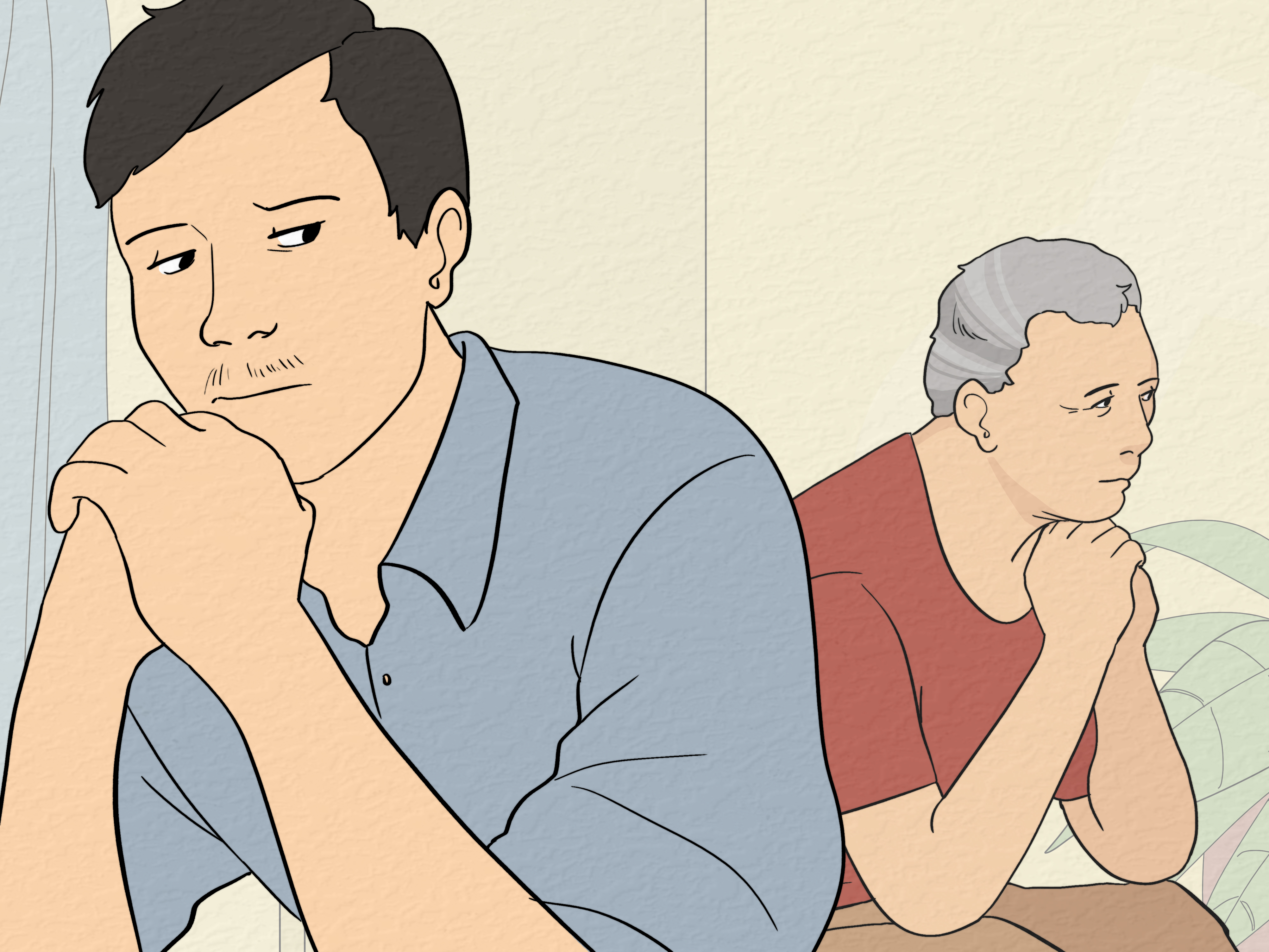
Mother-son enmeshment describes a relationship pattern where emotional boundaries are weak, roles become confused, and one or both people feel responsible for the other’s happiness, choices, or sense of identity. It is not simply a loving bond. It is a dynamic where independence may feel like betrayal, privacy may feel suspicious, and normal adult separation may create guilt, anxiety, or conflict.
This topic can be sensitive because many families genuinely believe that extreme closeness equals loyalty. In some households, “family first” is a cherished value. The problem begins when “family first” quietly becomes “your needs last.” A son may feel unable to make choices without his mother’s approval. A mother may treat her son as her emotional partner, confidant, rescuer, or life manager. Over time, this can affect romantic relationships, self-confidence, decision-making, and emotional health.
Below, we will explore what mother-son enmeshment looks like, why it happens, and the 13 key signs to watch out for. We will keep the tone honest, practical, and humanbecause healing family patterns is hard enough without making it sound like a psychology textbook wearing a necktie.
What Is Mother-Son Enmeshment?
Mother-son enmeshment is a family dynamic in which a mother and son are overly involved in each other’s emotional lives, often at the expense of healthy boundaries and individual identity. The relationship may look loving from the outside, but inside it can feel controlling, guilt-driven, emotionally demanding, or suffocating.
In a healthy mother-son relationship, love and independence can exist together. A mother can care deeply about her son while still allowing him to make mistakes, build his own relationships, choose his own career, and develop his own beliefs. A son can love and respect his mother while still having privacy, boundaries, and adult autonomy.
In an enmeshed relationship, those separations are harder. The mother may rely on her son for emotional comfort in ways that are more appropriate for a spouse, therapist, or adult friend. The son may feel guilty for choosing his partner, career, friends, or personal goals over his mother’s wishes. Instead of two separate people connected by love, the relationship can feel like one emotional system trying to run on two bodies.
Why Mother-Son Enmeshment Happens
Mother-son enmeshment rarely appears out of nowhere. It often grows from fear, loss, trauma, loneliness, divorce, illness, cultural expectations, or a family history where boundaries were never modeled. A mother may not consciously intend to control her son. She may believe she is protecting him, loving him, or keeping the family close. A son may not realize he is sacrificing his own identity because the pattern has been normal since childhood.
Common roots of enmeshment include:
- Loneliness or emotional unmet needs: A mother may lean heavily on her son for companionship or validation.
- Divorce or marital conflict: A son may become the emotional “man of the house” too early.
- Anxiety or overprotection: A mother may mistake control for care.
- Family trauma: Stressful events can cause families to cling tightly without healthy separation.
- Parentification: A child may be expected to care for a parent emotionally or practically.
- Poor boundary modeling: If nobody in the family learned boundaries, nobody can pass them down.
The intention may be love. The impact, however, can still be harmful. A golden cage is still a cage, even if someone polished it with affection.
Mother-Son Enmeshment vs. a Close Mother-Son Bond
A close bond is not the problem. Many sons have warm, supportive relationships with their mothers. The difference is freedom. In a healthy bond, both people can say no, disagree, spend time apart, and maintain other important relationships without emotional punishment.
In mother-son enmeshment, closeness comes with invisible strings. A son may feel responsible for his mother’s moods. A mother may feel threatened by her son’s romantic partner. Decisions that should belong to the son become family negotiations. Privacy becomes a “secret.” Boundaries become “disrespect.” Independence becomes “abandonment.”
Healthy closeness says, “I love you and support your life.” Enmeshment says, “I need your life to revolve around me so I can feel okay.” That difference matters.
Mother-Son Enmeshment: 13 Signs to Watch Out For
1. He Feels Guilty for Having His Own Life
One of the clearest signs of mother-son enmeshment is intense guilt whenever the son makes independent choices. He may feel guilty for moving away, spending holidays with a partner, not answering the phone immediately, or choosing a career his mother dislikes.
This guilt often feels automatic. Even when he knows logically that he is allowed to live his own life, emotionally he may feel like he has committed a family crime. The guilt can be so strong that he changes plans just to avoid upsetting his mother.
Example: A grown man cancels a weekend trip with friends because his mother says, “I guess I will just be alone again.” The sentence may sound small, but it lands like a grand piano.
2. His Mother Treats Him Like a Partner, Not a Son
In an enmeshed mother-son relationship, the mother may rely on her son for emotional support in a way that resembles a romantic partner or spouse. She may discuss deeply personal problems, expect constant reassurance, or depend on him to regulate her mood.
This can be especially common after divorce, widowhood, or an unhappy marriage. The son may become her main source of comfort, advice, and attention. While emotional closeness is not wrong, a child should not be placed in the role of a parent’s primary emotional caretaker.
Over time, the son may feel needed but trapped. He may confuse love with responsibility and believe he must keep his mother emotionally stable.
3. Boundaries Are Seen as Rejection
Healthy boundaries are basic relationship tools. They help people understand where one person ends and another begins. But in mother-son enmeshment, boundaries can be interpreted as cruelty, betrayal, or abandonment.
If the son says, “I cannot talk tonight,” his mother may respond with hurt, anger, guilt, or silence. If he asks for privacy, she may accuse him of hiding something. If he chooses not to share details about his romantic relationship, she may feel excluded.
A major sign of enmeshment is not simply that boundaries are difficult. It is that boundaries are treated like emotional emergencies.
4. He Struggles to Make Decisions Without Her Approval
An enmeshed son may have trouble trusting his own judgment. He might call his mother before making everyday decisions, such as what apartment to rent, what job to take, what car to buy, or even what shirt to wear to an interview. There is nothing wrong with asking for advice. The problem appears when approval becomes necessary for action.
He may worry, “What will Mom think?” before asking, “What do I actually want?” Over time, this can weaken confidence and delay emotional maturity. Instead of developing his own internal compass, he keeps borrowing herseven when the map leads somewhere he does not want to go.
5. Romantic Partners Feel Like Competition
One of the most visible signs of mother-son enmeshment appears when the son begins a serious romantic relationship. A healthy mother may need time to adjust, but she ultimately respects her son’s partner and the new relationship. An enmeshed mother may feel replaced, threatened, or betrayed.
She may criticize the partner, demand special access to the couple’s plans, compare herself to the partner, or expect her son to prioritize her feelings over the relationship. The son may then feel caught between two people, trying to keep everyone happy while slowly turning into a human stress sandwich.
This dynamic can create serious tension in dating, engagement, marriage, and parenting. If the son cannot set boundaries, his partner may feel like there are three people in the relationshipand one of them has a spare key.
6. Privacy Is Treated as Suspicious
In healthy families, privacy is normal. Adult children do not need to share every detail of their finances, relationships, emotions, or daily schedule. In enmeshed families, privacy may be seen as secrecy.
A mother may expect passwords, location updates, medical details, relationship updates, or constant communication. If the son withholds information, she may feel offended or anxious. The son may then overshare just to keep the peace.
Privacy does not mean lack of love. It means personhood. Everyone deserves a room inside themselves that does not require a visitor badge.
7. He Feels Responsible for Her Happiness
Another major sign of mother-son enmeshment is emotional responsibility. The son may believe it is his job to cheer his mother up, prevent her loneliness, solve her problems, or protect her from disappointment.
This can show up in subtle ways. He may avoid sharing good news if he thinks it will make her sad. He may say yes when he wants to say no because he fears she will spiral emotionally. He may organize his life around preventing her distress.
Compassion is healthy. Carrying another adult’s entire emotional weather system is not. No son can be his mother’s therapist, partner, best friend, crisis manager, and child all at once without losing pieces of himself.
8. The Mother Uses Guilt, Fear, or Obligation to Stay Close
Enmeshment often survives through guilt-based communication. Phrases like “After everything I did for you,” “You never think about me,” “I guess I do not matter anymore,” or “A good son would understand” can make separation feel morally wrong.
Sometimes the guilt is obvious. Other times, it is wrapped in sadness, silence, or passive-aggressive comments. The son may learn that the easiest way to avoid emotional discomfort is to comply.
When guilt becomes the glue holding a relationship together, the bond may look strongbut it is not secure. It is sticky.
9. He Has Trouble Saying No
A son in an enmeshed relationship may know what he wants but feel unable to say it. He may agree to visits, errands, calls, financial help, or emotional support even when he is exhausted. Saying no may trigger anxiety, shame, or fear of conflict.
This pattern can spill into work, friendships, and romantic relationships. If he was trained to keep peace by self-abandoning, he may become a chronic people-pleaser. Everyone gets a slice of him until he is left holding the crumbs.
Learning to say no is not about becoming cold. It is about becoming honest.
10. His Identity Is Built Around Being “The Good Son”
In mother-son enmeshment, the son may feel valued primarily for loyalty, obedience, availability, or achievement. He may be praised when he meets his mother’s emotional needs and criticized when he develops independence.
This can create an identity trap. He may not know who he is outside the role of helper, rescuer, favorite child, emotional support system, or “good son.” His own interests, values, and dreams may feel secondary.
Healthy parenting allows a child to become a separate person. Enmeshment pressures the child to become a permanent role.
11. Conflict Feels Unsafe or Explosive
In healthy relationships, conflict can be uncomfortable but manageable. People can disagree, cool down, repair, and move forward. In enmeshed mother-son relationships, conflict may feel dangerous. A small disagreement can turn into tears, accusations, withdrawal, or emotional chaos.
The son may avoid honest conversations because he knows the emotional cost will be high. Instead, he may hide choices, soften truths, or delay decisions. This keeps the surface peaceful but prevents real intimacy.
When honesty is punished, people do not become closer. They become better actors.
12. The Mother Is Overinvolved in Adult Responsibilities
Another sign of mother-son enmeshment is overinvolvement in adult life. This may include managing appointments, handling finances, interfering with work decisions, choosing housing, monitoring health choices, or giving unsolicited advice on parenting and marriage.
Support can be helpful when requested. But when a mother constantly steps in, the son may not fully develop confidence in his own adult skills. He may feel incapable without her, while she feels needed because he depends on her. The cycle feeds itself like a vending machine that only accepts emotional quarters.
13. Separation Creates Anxiety for One or Both of Them
The final sign is emotional distress around separation. A son may feel anxious when he does not check in. A mother may panic when he becomes more independent. Distance, boundaries, marriage, moving away, or becoming a father himself may trigger intense reactions.
This anxiety does not mean the relationship is doomed. It means the nervous system has learned to associate closeness with safety and separation with danger. Healing requires slowly teaching both people that love can survive space.
How Mother-Son Enmeshment Affects Adult Life
Mother-son enmeshment can affect more than family dinners and phone calls. It can shape how a man relates to himself, his partner, his work, and his future. The effects may include anxiety, resentment, low self-confidence, difficulty with intimacy, fear of disappointing others, and trouble making independent decisions.
Romantic relationships are often where the pattern becomes impossible to ignore. A partner may feel dismissed if the mother’s needs always come first. The son may feel torn, defensive, or confused. He may genuinely love his partner and his mother, but without boundaries, love turns into a tug-of-war.
Enmeshment can also create resentment toward the mother. The son may feel guilty for wanting space, then angry because he feels guilty, then guilty for feeling angry. It is a merry-go-round nobody enjoys, yet everyone keeps buying tickets.
How to Begin Healing Mother-Son Enmeshment
Healing does not always require cutting off contact. In many cases, it starts with small, consistent boundary changes. The goal is not to punish the mother or reject the relationship. The goal is to create enough space for both people to become emotionally healthier.
Start with awareness
Name the pattern honestly. Ask: “Do I make choices based on my values, or based on avoiding my mother’s reaction?” Awareness is not blame. It is the first flashlight in a dark room.
Practice small boundaries
Begin with manageable limits, such as delaying a reply, choosing not to share one private detail, or saying, “I cannot talk tonight, but I can call Sunday.” Small boundaries build emotional muscle.
Expect discomfort
If enmeshment has been normal for years, boundaries may feel wrong at first. Discomfort does not mean the boundary is bad. It may simply mean the pattern is changing.
Use clear language
Try simple statements: “I love you, but this decision is mine.” “I am not discussing my relationship details.” “I can help for one hour, but I cannot stay all day.” Clear beats dramatic. No need to deliver a courtroom speech.
Get professional support
Individual therapy, family therapy, or couples counseling can help untangle long-standing patterns. A therapist can support boundary-setting, guilt management, communication skills, and emotional differentiation.
Experiences Related to Mother-Son Enmeshment
Many people do not recognize mother-son enmeshment until a life transition exposes it. The relationship may seem normal during childhood because the son is expected to depend on his mother. The tension often appears when he reaches adulthood and begins making choices that naturally create distance.
For example, a son may go to college and feel pressured to call multiple times a day. If he misses a call, his mother may panic or accuse him of not caring. At first, he may think, “She just worries.” But over time, he notices he cannot relax unless he has checked in. His independence becomes attached to anxiety.
Another common experience happens during serious dating. A man may introduce his partner to his mother, hoping they will get along. Instead, his mother may make subtle comments: “You never visit anymore,” “She has changed you,” or “I guess I am not important now.” The partner feels judged. The son feels trapped. The mother feels abandoned. Nobody says the real issue out loud: the relationship system was not prepared for a new adult bond.
Marriage can make the dynamic even clearer. A wife or husband may feel frustrated because private couple decisions are discussed with the mother first. The mother may expect holiday priority, daily updates, or influence over parenting choices. The son may say, “That is just how my mom is,” while his partner hears, “Your discomfort is less important than keeping her calm.” This is where resentment can grow quickly.
Some sons describe feeling emotionally split. They love their mothers and appreciate their sacrifices, but they also feel exhausted by the constant obligation. They may feel ashamed for wanting space because society often praises devoted sons. But devotion without boundaries can quietly become self-erasure.
Mothers may also suffer inside the pattern. A mother who has built her identity around being needed may feel terrified when her son becomes independent. She may not know who she is without the daily role of adviser, protector, or emotional center. Her controlling behavior may come from fear rather than malice. Still, fear does not give anyone permission to control another adult’s life.
Healing experiences often begin awkwardly. A son might set a simple boundary, such as not answering calls during work. His mother may react strongly. He may feel tempted to apologize and return to the old pattern. But if he stays calm and consistent, the relationship can slowly adjust. The first boundary may feel like ripping off emotional duct tape. Later, it becomes more like closing a door gently.
Some families improve with honest conversations. Others require therapy. Some mothers eventually respect the new boundaries. Others resist, especially if the enmeshment has served as their main source of emotional security. In those cases, the son may need to accept that his mother’s reaction is not fully within his control.
A powerful part of recovery is learning that love does not require total access. A son can love his mother and still keep parts of his life private. A mother can love her son and still let him disappoint her. Healthy family love has room for two separate people, two emotional worlds, and two adult lives.
The goal is not to become distant or cold. The goal is to create a relationship where connection is chosen, not forced; where support is offered, not demanded; and where both mother and son can breathe without feeling guilty for needing oxygen.
Conclusion
Mother-son enmeshment can be difficult to recognize because it often wears the costume of love, loyalty, and family closeness. But when a relationship leaves little room for independence, privacy, adult decision-making, or other healthy bonds, it may be time to look more closely.
The 13 signs above are not meant to shame mothers or sons. They are meant to bring clarity. Enmeshment is usually a learned pattern, not a life sentence. With awareness, boundaries, honest communication, and professional support when needed, families can move from emotional fusion toward healthier connection.
A good mother-son relationship does not require one person to shrink so the other can feel secure. The healthiest version allows both people to grow, love, disagree, separate, return, and remain connected without losing themselves.