Being a feminine guy is not about squeezing yourself into a pink, glitter-covered box labeled “approved softness.” It is about expressing your personality, taste, body language, style, emotions, and confidence in a way that feels honest. Maybe you want to dress more elegantly. Maybe you love soft colors, skincare, graceful movement, jewelry, emotional openness, or a vibe that says, “Yes, I moisturize, and yes, I know where the good lighting is.” Good news: femininity is not a costume you borrow. It is a form of self-expression you can shape, personalize, and enjoy.
Gender expression is how someone presents themselves outwardly through clothing, grooming, behavior, voice, hairstyle, and mannerisms. It is different from gender identity and sexual orientation. In plain English: being feminine does not automatically decide who you are, who you love, or what label you must use. You can be a feminine man, a gender-nonconforming guy, a soft masculine person, a femboy, a stylish dude with excellent eyeliner, or someone who simply wants to explore. There is no single correct way to do it.
This guide offers 11 simple and effective tips for becoming more feminine in a natural, confident, and healthy way. No pressure, no shame, no “you must own seventeen floral cardigans by Friday.” Start small, experiment, and let your feminine side unfold like a dramatic movie entrancebut with better skincare.
What Does It Mean to Be a Feminine Guy?
A feminine guy is someone who identifies as, presents as, or is perceived as male while embracing qualities traditionally associated with femininity. These may include softness, elegance, emotional awareness, gentle body language, expressive fashion, nurturing communication, beauty routines, or a more fluid relationship with gender norms.
The important word here is “traditionally.” What counts as feminine changes across cultures, time periods, and personal taste. High heels were once worn by aristocratic men. Long hair has been masculine, feminine, spiritual, rebellious, and rock-star fabulous depending on the century. Even colors have changed meaning. So instead of treating femininity like a strict rulebook, think of it as a creative toolbox.
Being feminine does not make a guy weak, fake, less mature, or less worthy of respect. In fact, it often takes confidence to explore a softer or more expressive side in a world that still expects many men to act like emotionally constipated action figures. The goal is not to become someone else. The goal is to become more yourself.
How to Be a Feminine Guy: 11 Simple & Effective Tips
1. Start With Self-Acceptance Before Style
Before buying clothes, changing your hair, or practicing a softer walk, begin with the most important foundation: permission. Give yourself permission to be curious. You do not have to explain your femininity to everyone. You do not need a perfect label. You do not need to “prove” anything.
Try asking yourself: What kind of feminine energy attracts me? Do I like elegance, cuteness, softness, sensuality, glamour, calmness, emotional openness, or playfulness? Do I want to look feminine every day or only in certain spaces? Do I want subtle changes or a full transformation?
Self-acceptance keeps you from copying someone else’s entire personality just because they look good in a pleated skirt. Admire others, yes. Become a photocopy, no. Your version of femininity should fit your life, comfort level, body, personality, and safety.
2. Build a Feminine Wardrobe Slowly
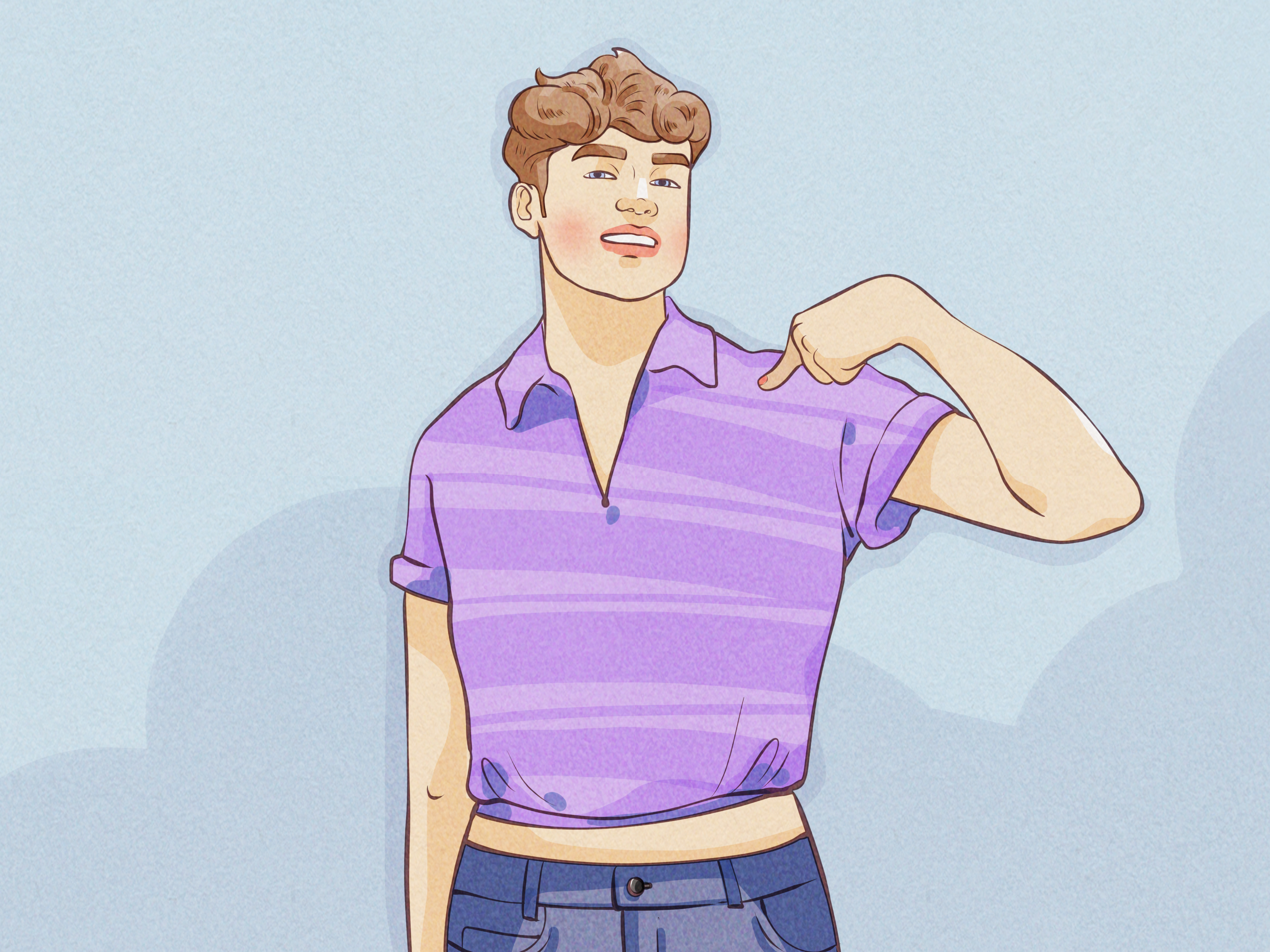
Clothing is one of the easiest ways to explore feminine gender expression. But you do not need to throw away your entire closet and start dressing like a rom-com side character overnight. Start with small upgrades: softer fabrics, slimmer cuts, lighter colors, flowy shirts, cardigans, cropped jackets, delicate patterns, or accessories.
For beginners, try pieces that blend masculine and feminine elements. A fitted turtleneck, a soft oversized sweater, a satin shirt, wide-leg pants, a clean pair of ankle boots, or a long coat can create a feminine look without feeling too exposed. If you want something bolder, experiment with skirts, dresses, lace details, pastel outfits, floral prints, or feminine streetwear.
Fit matters more than labels. Many “women’s” clothes are designed for different proportions, so you may need to try different sizes or tailor pieces. A simple hem, adjusted waist, or better shoulder fit can turn “borrowed from a cousin” into “fashion editor walking to brunch.”
3. Learn the Power of Grooming and Skincare
A feminine appearance often reads as softer, cleaner, and more intentional. Skincare is a great place to start because it improves how you look and feel without requiring dramatic changes. A basic routine can be simple: gentle cleanser, moisturizer, and broad-spectrum sunscreen during the day. That is it. No need to own a mysterious cabinet full of tiny bottles that look like wizard potions.
If you shave, moisturize afterward to calm the skin. If you keep facial hair, shape it neatly or consider a softer style. Some feminine guys prefer a clean-shaven look; others keep light facial hair and balance it with softer fashion, jewelry, or makeup. There is no universal rule.
Also pay attention to nails, eyebrows, lips, and hair. Clean nails, a little hand cream, trimmed or shaped brows, lip balm, and a hairstyle that frames your face can make a major difference. Femininity often lives in details. Tiny details, big impactlike adding a necklace and suddenly looking like you have a playlist named “soft but dangerous.”
4. Experiment With Hair in a Way That Frames Your Face
Hair can transform your overall presentation quickly. Longer hair is often associated with femininity, but length is not the only option. Soft layers, curtain bangs, side parts, fluffy volume, face-framing pieces, glossy styling, or a gentle wave can create a more feminine effect even with medium or short hair.
If you are not ready to grow your hair out, try styling products, clips, headbands, or a softer cut. A pixie-like cut, wolf cut, shag, bob-inspired shape, or longer top with tapered sides can all lean feminine depending on how you wear them. Wigs are also useful for private experimentation, photos, events, or figuring out what suits your face before making a permanent change.
When choosing a style, consider your face shape, hair texture, daily routine, and workplace or school environment. The most feminine hairstyle is not always the longest one. It is the one that makes your features feel softer, more balanced, and more you.
5. Use Makeup as a Tool, Not a Mask
Makeup can help you look more feminine, but it should feel like creative expressionnot an exam. Beginners can start with tinted moisturizer, concealer, brow gel, mascara, lip tint, and a little blush. These products can soften the face without looking heavy.
If you want a more dramatic feminine look, explore eyeliner, eyeshadow, contour, highlighter, false lashes, or lipstick. Watch tutorials made for different face shapes, skin tones, and facial hair situations. Many feminine guys find that blush, shaped brows, and mascara make the biggest difference because they brighten the face and draw attention to the eyes.
Practice at home first. Take photos in different lighting. Makeup that looks subtle in the bathroom mirror may look like a Renaissance painting under direct sunlight. Blend well, remove makeup before bed, and remember: everyone has a first eyeliner attempt. Most of us looked like a haunted raccoon. It builds character.
6. Develop Softer Body Language
Body language strongly influences how people perceive gender expression. Feminine body language is often associated with softness, fluidity, openness, and expressiveness. You can practice relaxed shoulders, lighter hand gestures, gentle facial expressions, and graceful posture.
Start by noticing tension. Many guys are taught to take up space stiffly: squared shoulders, locked jaw, heavy steps, arms crossed like a nightclub bouncer guarding emotional vulnerability. Try softening your stance. Let your hands move naturally when you speak. Keep your posture upright but not rigid. Walk with controlled, relaxed steps rather than stomping.
Do not overperform. If every gesture becomes theatrical, people may wonder if you are secretly auditioning for a perfume commercial. Feminine body language works best when it feels natural. Practice in a mirror, record yourself walking, or observe people whose movement you admire. Borrow ideas, then make them your own.
7. Refine Your Voice and Speech Patterns Gently
Your voice does not need to change for you to be feminine. Plenty of feminine guys have deep voices, and plenty of masculine people have higher voices. Still, if you want a softer presentation, you can work on tone, pacing, and expression.
Try speaking with a slightly lighter tone, clearer articulation, and more emotional variety. Avoid forcing your voice into an uncomfortable pitch, which can strain your throat and sound unnatural. Femininity in speech often comes from warmth, rhythm, and expressiveness more than pitch alone.
Practice reading aloud, recording yourself, and noticing what feels authentic. You might soften harsh consonants, slow down slightly, or use more responsive phrases in conversation. The goal is not to sound like someone else. The goal is to communicate in a way that matches your desired energy.
8. Embrace Emotional Openness
Femininity is not only about appearance. It can also include emotional intelligence, empathy, vulnerability, and warmth. For many guys, this part is surprisingly powerful because society often teaches men to bottle up feelings until they explode over something tiny, like a missing phone charger.
Practice naming your emotions instead of dismissing them. Say “I felt hurt,” “I’m excited,” “I need support,” or “That made me nervous.” Listen actively when people talk. Ask thoughtful questions. Let yourself enjoy beauty, affection, friendship, and softness without apologizing for it.
Emotional openness does not mean becoming fragile or letting people disrespect your boundaries. Healthy femininity includes self-respect. You can be gentle and still say no. You can be soft and still be strong. A silk scarf can still slap in the wind.
9. Choose Accessories That Add Feminine Detail
Accessories are the secret seasoning of feminine style. A simple outfit can become softer and more expressive with rings, necklaces, earrings, bracelets, scarves, hair clips, bags, belts, or delicate watches. Start with one or two pieces so your look feels intentional rather than “I fell into a jewelry drawer.”
If you are new to accessories, try thin chains, small hoops, pearl-inspired pieces, charm bracelets, subtle rings, or a sleek shoulder bag. For a bolder look, explore statement earrings, layered necklaces, colorful handbags, patterned scarves, or nail polish.
Accessories also help you test femininity in public without making huge changes. A small necklace under a shirt, clear nail polish, a soft tote bag, or a pastel phone case can be a private confidence boost before you move into more visible expression.
10. Find Safe Spaces and Supportive People
Exploring femininity is easier when you are around people who respect you. Look for friends, online communities, local LGBTQ+ groups, fashion spaces, or creative circles where gender expression is welcomed. You do not need everyone’s approval, but you do deserve basic respect.
If you are nervous about going out in a feminine look, start small. Visit a café in a slightly softer outfit. Wear makeup on a walk. Go shopping with a trusted friend. Attend an inclusive event. The first time may feel like a parade spotlight is following you, but most strangers are busy thinking about their own errands, coffee, and questionable parking choices.
Also be realistic about safety. Depending on where you live, some spaces may be more accepting than others. Trust your instincts. Keep your phone charged, travel with supportive people when trying a bold look, and remember that confidence grows through repeated positive experiences.
11. Create Your Own Version of Femininity
The best feminine guy style is not copied; it is curated. You might be soft and elegant, cute and playful, dark and romantic, sporty and delicate, glamorous and dramatic, or casual with feminine details. You can love skirts but hate makeup. You can wear eyeliner with cargo pants. You can be feminine on weekends and neutral at work. Your expression can shift.
Create a mood board with outfits, hairstyles, colors, celebrities, influencers, fictional characters, or aesthetics that inspire you. Look for patterns. Do you like clean minimalism, coquette style, soft boy fashion, K-pop-inspired looks, cottagecore, goth femininity, vintage glamour, or modern androgyny?
Then translate inspiration into real life. Instead of copying a full runway outfit, ask: What is the key element? Is it the silhouette, color, softness, jewelry, confidence, or makeup? Build from there. Femininity becomes much more sustainable when it fits your body, budget, climate, personality, and daily routine.
Common Mistakes to Avoid
Trying to Change Everything Overnight
Fast transformations can be fun, but they can also feel overwhelming. If you change your clothes, hair, voice, posture, makeup, and social circle all at once, you may feel like you are managing a full rebrand instead of enjoying self-expression. Start with two or three changes and build gradually.
Thinking Femininity Means Weakness
Femininity is often unfairly treated as less powerful than masculinity. That is cultural baggage, not truth. Softness, beauty, empathy, grace, and emotional intelligence are strengths. A feminine guy can be assertive, ambitious, athletic, protective, intelligent, funny, and bold.
Copying Stereotypes Instead of Exploring Yourself
Not every feminine person is shy, sweet, delicate, or fashion-obsessed. Some are loud, sarcastic, practical, athletic, messy, or intense. Femininity is not a personality cage. You are allowed to be complex. In fact, please be complex. It is more interesting.
Ignoring Comfort and Practicality
A pair of beautiful shoes is not worth destroying your feet. A hairstyle that takes ninety minutes every morning may not fit your life. Choose feminine habits that you can actually maintain. Style should support your confidence, not become a second job with worse lighting.
How to Build Confidence as a Feminine Guy
Confidence comes from repetition. The first time you wear something feminine, your brain may act like everyone is staring. Usually, they are not. The second time feels easier. The tenth time feels normal. The hundredth time, you may wonder why you ever cared so much.
Use small confidence rituals. Try getting dressed while listening to music that makes you feel powerful. Take a mirror selfie to track progress. Compliment yourself without making a joke afterward. Practice walking into a room slowly and calmly. Remind yourself that you are not asking permission to exist.
It also helps to separate discomfort from danger. Discomfort means you are doing something new. Danger means your safety may be at risk. Respect both, but do not confuse them. New expression often feels scary simply because it is unfamiliar. Give yourself time.
Experience Section: Real-Life Lessons From Exploring Feminine Expression
Many feminine guys describe the beginning as a mix of excitement and panic. The first soft sweater, the first painted nail, the first time buying makeup, the first outfit that feels “too pretty” to wear outsidethese moments can feel small to others but huge to the person living them. One common experience is standing in front of the mirror and thinking, “This feels right,” followed immediately by, “Can I actually leave the house like this?” That emotional whiplash is normal.
A helpful approach is to create private practice time. Try outfits at home before wearing them in public. Practice makeup on a quiet evening when there is no pressure to get it perfect. Walk around your room in different shoes. Test how a bag feels, how jewelry moves, how a shirt sits when you raise your arms, and whether that adorable top becomes a personal betrayal when you sit down. Comfort testing is not glamorous, but neither is spending four hours adjusting a waistband in public.
Another real-life lesson is that reactions vary. Some people will be supportive right away. Some will be confused but kind. Some may need time. And yes, a few people may be rude because they believe every sock, color, and eyebrow shape must obey ancient gender laws written by people with terrible skincare. Their discomfort does not mean your expression is wrong.
Many feminine guys also discover that confidence grows through community. A compliment from a friend, a supportive message online, or a simple “you look great” can help undo years of fear. If you do not have supportive people nearby, online communities can offer ideas, encouragement, and practical advice about sizing, shaving, makeup, safety, and confidence. Just remember to protect your privacy and avoid comparing your beginning to someone else’s polished highlight reel.
Style mistakes are part of the process. You may buy clothes that looked amazing online but fit like a confused curtain. You may choose a foundation shade that belongs to a different season, planet, or lighting condition. You may overpluck one eyebrow and spend two weeks looking permanently skeptical. These moments are not failures. They are tuition payments to the University of Personal Style.
Over time, many people find that femininity becomes less about “passing” or impressing others and more about comfort. The question changes from “Do I look feminine enough?” to “Do I feel like myself?” That shift is important. Chasing approval can become exhausting. Building authenticity is more sustainable.
Another lesson: boundaries matter. You do not owe strangers answers about your identity, sexuality, body, dating life, or clothing choices. A simple “I just like this style” is enough. So is changing the subject. So is walking away. Being feminine does not require being endlessly available for other people’s curiosity.
Finally, the experience of becoming a more feminine guy often improves more than appearance. It can improve self-awareness, emotional honesty, creativity, and courage. You learn what you like. You learn what you fear. You learn which opinions matter and which ones can be gently placed in the trash folder of your mind. Most importantly, you learn that femininity is not something you “get away with.” It is something you are allowed to enjoy.
Conclusion
Learning how to be a feminine guy is not about following a rigid checklist. It is about exploring gender expression in ways that feel authentic, safe, stylish, and emotionally healthy. Start with self-acceptance, then experiment with clothing, skincare, hair, makeup, body language, voice, accessories, and community. Move at your own pace. Keep what feels good. Leave what does not.
The most attractive part of femininity is not a perfect outfit or flawless eyeliner. It is the confidence of someone who has stopped apologizing for being expressive, soft, elegant, playful, emotional, or beautifully different. Whether your feminine style is subtle or bold, everyday or occasional, casual or dramatic, it belongs to you. Wear it with care, humor, and a moisturizer that actually works.
Note: This article is for self-expression and lifestyle guidance. There is no single “correct” way to be feminine, masculine, or anything in between. Choose what feels authentic, respectful, comfortable, and safe for your life.