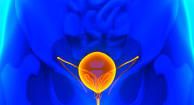
Prostatitis is one of those health topics that many men would rather discuss with a parking meter than bring up at dinner. But the prostate, that small walnut-sized gland tucked below the bladder, can make a very loud announcement when it becomes irritated, inflamed, painful, or infected. The good news is that prostatitis is common, treatable, and often manageable once you know what is happening and when to get help.
In simple terms, prostatitis means inflammation, infection, or pain involving the prostate gland. It can cause pelvic pain, urinary problems, fever, chills, pain with ejaculation, lower back discomfort, or a frustrating “why am I in the bathroom again?” routine. Some cases come on suddenly and need fast medical attention. Others linger, flare up, calm down, and then return like an annoying group text you cannot mute.
This patient education guide explains the definition of prostatitis, the main types, symptoms, causes, diagnosis, treatment options, home-care strategies, and real-life experiences men often face while dealing with prostatitis.
What Is Prostatitis?
Prostatitis is a group of conditions that involve the prostate gland. The prostate helps produce fluid for semen and sits close to the bladder, urethra, pelvic floor muscles, and nerves. Because of that busy neighborhood, inflammation or irritation in the area can cause symptoms that feel urinary, sexual, pelvic, digestive, or even flu-like.
Prostatitis is not the same thing as prostate cancer. It is also not simply “an older man’s problem.” While prostate enlargement becomes more common with age, prostatitis can affect adult men of many ages, including younger and middle-aged men. In fact, prostatitis is a major reason men seek care for urinary and pelvic symptoms.
The Four Main Types of Prostatitis
Doctors usually classify prostatitis into four broad categories. Knowing the type matters because treatment for a bacterial infection is very different from treatment for chronic pelvic pain without infection.
1. Acute Bacterial Prostatitis
Acute bacterial prostatitis is a sudden prostate infection. It may cause fever, chills, painful urination, pelvic pain, lower back pain, body aches, nausea, and difficulty emptying the bladder. This type can become serious, especially if infection spreads into the bloodstream. It deserves prompt medical care, not a “let’s see how it looks Monday” approach.
2. Chronic Bacterial Prostatitis
Chronic bacterial prostatitis is a recurring or long-lasting bacterial infection of the prostate. Symptoms may be milder than acute prostatitis but can come back repeatedly. Men may notice recurrent urinary tract infections, burning with urination, pelvic discomfort, urinary frequency, or pain after ejaculation. Treatment often requires a longer course of antibiotics because the prostate can be a difficult place for medication to fully penetrate.
3. Chronic Prostatitis or Chronic Pelvic Pain Syndrome
Chronic prostatitis/chronic pelvic pain syndrome, often shortened to CP/CPPS, is the most common and often most confusing type. Symptoms last for at least three months and may include pelvic pain, urinary urgency, painful ejaculation, discomfort in the penis, testicles, perineum, lower abdomen, or lower back, and sexual or emotional stress. The tricky part: routine tests may not show bacteria. This does not mean the pain is imaginary. It means the cause may involve nerves, muscles, inflammation, immune response, stress pathways, pelvic floor dysfunction, or several factors working together like a badly organized committee.
4. Asymptomatic Inflammatory Prostatitis
Asymptomatic inflammatory prostatitis causes inflammation in the prostate but no noticeable symptoms. It is often found during testing for another issue, such as infertility evaluation or prostate-related bloodwork. Because it does not cause discomfort, it may not require treatment unless a healthcare professional identifies a specific reason.
Common Symptoms of Prostatitis
Prostatitis symptoms vary widely. Some men feel suddenly ill, while others have subtle symptoms that build over time. Common symptoms may include:
- Pain or burning during urination
- Frequent urination, especially at night
- Urgent need to urinate
- Difficulty starting or maintaining urine flow
- Pain in the pelvis, groin, lower abdomen, lower back, penis, testicles, or perineum
- Pain during or after ejaculation
- Fever, chills, fatigue, or body aches in acute infection
- Blood in urine or semen in some cases
- Recurrent urinary tract infections
Some symptoms overlap with urinary tract infections, sexually transmitted infections, kidney stones, bladder conditions, prostate enlargement, and, less commonly, prostate cancer. That is why guessing at home is not ideal. The prostate is not a mystery novel; you do not get extra points for solving it without a clinician.
What Causes Prostatitis?
Bacterial prostatitis usually happens when bacteria enter the urinary tract and travel into the prostate. Common bacteria include organisms that also cause urinary tract infections. Risk may increase after urinary tract infection, catheter use, prostate biopsy, urinary retention, or certain anatomic or immune-related factors.
Chronic pelvic pain syndrome is more complex. In many cases, no bacterial infection is found. Possible contributors include pelvic floor muscle tension, nerve irritation, inflammation, previous infection, stress, injury, immune system activity, and pain-sensitization pathways. For some men, symptoms flare after long sitting, cycling, constipation, intense stress, certain foods or drinks, or sexual activity. For others, the trigger is about as obvious as a missing sock in the laundry.
When Should You Seek Medical Care?
Seek urgent medical attention if you have fever, chills, severe pelvic pain, vomiting, confusion, weakness, inability to urinate, or symptoms that feel rapidly worse. Acute bacterial prostatitis can become serious and may require antibiotics right away, and sometimes hospital care.
Schedule a medical visit if pelvic pain, urinary symptoms, painful ejaculation, or recurring urinary infections last more than a few days, keep returning, or interfere with sleep, work, sex, exercise, or daily comfort. Men with persistent pelvic, penile, or perineal pain lasting more than three months should be evaluated by a healthcare professional, often a urologist familiar with pelvic pain disorders.
How Prostatitis Is Diagnosed
Diagnosis begins with a careful history. A clinician may ask when symptoms started, whether you have fever, pain location, urination patterns, sexual symptoms, STI risks, recent procedures, past urinary infections, medications, and other health conditions.
Tests may include a urine test, urine culture, blood tests, STI testing, digital rectal exam, and sometimes imaging. In acute prostatitis, the prostate may be very tender, and clinicians are usually careful with the exam. In chronic cases, evaluation may also include checking pelvic floor tenderness, bladder symptoms, and other possible causes of pain.
The goal is not only to name the condition but to identify the pattern: infection, inflammation, muscle tension, nerve-related pain, urinary obstruction, or another condition that imitates prostatitis.
Treatment Options for Prostatitis
Antibiotics for Bacterial Prostatitis
If prostatitis is caused by bacteria, antibiotics are the main treatment. Acute bacterial prostatitis may require several weeks of antibiotics, and severe cases may need IV antibiotics in a hospital. Chronic bacterial prostatitis may need a longer course because infections in the prostate can be stubborn. Patients should take antibiotics exactly as prescribed, even if symptoms improve before the bottle is empty. Bacteria love quitters.
Pain Relief and Anti-Inflammatory Medicines
Over-the-counter pain relievers or anti-inflammatory medicines may help reduce discomfort, if they are safe for the individual patient. Men with kidney disease, stomach ulcers, blood thinners, liver disease, or other medical conditions should ask a clinician before using these medications regularly.
Alpha-Blockers
Alpha-blockers may be prescribed to relax muscle fibers around the prostate and bladder neck. They can help improve urinary flow, urgency, or difficulty starting urination in selected patients. They are not right for everyone and may cause side effects such as dizziness or low blood pressure.
Pelvic Floor Physical Therapy
For chronic pelvic pain syndrome, pelvic floor physical therapy can be a major part of care. Some men have overly tight or tender pelvic floor muscles. A trained pelvic physical therapist can help with relaxation, trigger point work, breathing patterns, stretching, posture, and pain-control strategies. This is not the same as doing random Kegels. In fact, if the pelvic floor is already tense, strengthening exercises may make symptoms worse.
Heat, Sitz Baths, and Lifestyle Adjustments
Warm baths, heating pads, hydration, gentle walking, avoiding constipation, stress reduction, and limiting symptom-triggering foods or drinks may help. Common irritants for some men include alcohol, caffeine, spicy foods, acidic drinks, and carbonated beverages. Not everyone needs to avoid all of these forever. The goal is to identify personal triggers, not turn dinner into a punishment.
Multimodal Care for Chronic Symptoms
Chronic prostatitis often responds best to a personalized plan. That may include medication, pelvic physical therapy, bladder training, stress management, sleep improvement, bowel care, treatment of anxiety or depression, and follow-up with a urologist. Chronic pain conditions rarely appreciate one-size-fits-all solutions.
Patient Education: How to Manage Daily Life With Prostatitis
Patient education is powerful because prostatitis can feel frightening, embarrassing, and unpredictable. Understanding the condition helps men notice patterns, communicate clearly with clinicians, and avoid common mistakes.
Track Symptoms Without Obsessing
A simple symptom diary can help. Note pain level, urinary frequency, sleep, bowel habits, stress, foods, drinks, exercise, sitting time, sexual activity, and medications. The goal is pattern recognition, not creating a 900-page courtroom exhibit against your bladder.
Protect the Pelvic Area
If sitting worsens symptoms, try standing breaks, a cushion that reduces perineal pressure, or shorter driving periods. Cyclists may need to adjust seat type, riding posture, or training intensity during flares. Gentle movement often helps more than total bed rest, unless a clinician advises otherwise.
Do Not Self-Treat With Leftover Antibiotics
Leftover antibiotics are not a treatment plan. They may be the wrong drug, wrong dose, or wrong duration, and they can make future infections harder to treat. If infection is suspected, testing helps identify the cause and guide therapy.
Talk About Sexual Symptoms
Painful ejaculation, erectile changes, lower libido, and anxiety around sex are common concerns with prostatitis. Many men do not mention them unless asked. Bring them up anyway. Clinicians have heard it before, and your quality of life matters.
Take Mental Health Seriously
Chronic pelvic pain can affect mood, relationships, work, sleep, and confidence. Stress may worsen symptoms for some men, and symptoms can increase stress in return. That loop is exhausting. Counseling, relaxation training, mindfulness, support groups, and treatment for anxiety or depression can be useful parts of care.
Prostatitis vs. BPH vs. Prostate Cancer
Prostatitis, benign prostatic hyperplasia, and prostate cancer can all involve the prostate, but they are different conditions. BPH is noncancerous prostate enlargement that often causes urinary symptoms, especially in older men. Prostate cancer may cause no symptoms early and is usually evaluated with screening discussions, PSA testing, imaging, and biopsy when appropriate. Prostatitis can raise PSA levels temporarily, so clinicians may interpret prostate tests carefully during or after inflammation.
If you have urinary symptoms, pelvic pain, or concern about prostate cancer risk, a clinician can help sort out which condition is most likely and what testing makes sense.
Experiences Related to Prostatitis: What Patients Often Go Through
One of the hardest parts of prostatitis is that symptoms can be deeply personal while also being difficult to explain. A man may walk into work looking perfectly fine while privately dealing with pelvic pressure, burning urination, and the strategic planning required to know every restroom within a five-mile radius. The outside world sees normal. The patient feels anything but normal.
Many men describe the first episode of acute bacterial prostatitis as sudden and alarming. They may wake up with fever, chills, body aches, and painful urination, assuming it is the flu until pelvic pain and urinary trouble join the party. In these cases, the experience often shifts quickly from confusion to relief once a clinician identifies infection and starts treatment. Still, recovery can take time. Even after fever improves, urinary discomfort and fatigue may linger, which can be frustrating for people who expect antibiotics to work like a light switch.
Chronic prostatitis or chronic pelvic pain syndrome is a different emotional journey. Men may see several clinicians, complete urine tests that come back “normal,” and wonder why normal test results do not match abnormal pain. This is where education becomes essential. Normal urine testing does not mean symptoms are fake. It may mean the problem is not a routine bacterial infection. Pelvic floor muscles, nerves, inflammation, bladder sensitivity, stress response, and pain-processing pathways can all contribute.
A common experience is the flare cycle. A patient feels better for a week, then sits through a long car ride, drinks extra coffee, gets constipated, has a stressful deadline, or resumes intense cycling, and symptoms return. At first, this can feel like starting over. Over time, many patients learn to treat flares as information rather than failure. They build a toolkit: heat, hydration, pelvic floor relaxation, walking, medication when prescribed, better sleep, fewer bladder irritants, and earlier communication with their care team.
Relationships can also be affected. Pain after ejaculation may make sex feel risky. Urinary urgency may interrupt dates, travel, meetings, or sleep. Some men avoid intimacy because they are embarrassed or afraid of discomfort. A practical step is honest, calm communication with a partner: “I’m dealing with a pelvic pain condition. It is treatable, but I may need patience during flares.” That sentence may feel awkward, but it is usually better than silence, distance, and mysterious mood changes.
Another real-life issue is the temptation to search symptoms online at midnight. This often leads to a dramatic tour of worst-case scenarios. Patient education should reduce panic, not fuel it. Reliable information helps men know when symptoms are urgent, what tests are reasonable, why antibiotics are not always the answer, and how lifestyle changes can support recovery without becoming an extreme routine.
The most encouraging experience many patients report is that improvement often comes from combining approaches. One man may improve after targeted antibiotics for chronic bacterial prostatitis. Another may improve with pelvic floor physical therapy and stress management. Someone else may need alpha-blockers, pain control, bowel care, and time. Progress may be gradual, but even small improvements matter: fewer bathroom trips, less pain after sitting, better sleep, more confidence, and less fear of the next flare.
Living with prostatitis is not a character flaw, a hygiene failure, or something a patient should silently “tough out.” It is a medical condition with real symptoms and real treatment options. The best patient experience usually starts with clear diagnosis, respectful care, realistic expectations, and a plan that treats the whole person, not just the prostate as if it were an isolated walnut with an attitude.
Conclusion
Prostatitis is a common prostate condition that can involve infection, inflammation, pelvic pain, urinary symptoms, sexual discomfort, or no symptoms at all. Acute bacterial prostatitis can be serious and needs prompt medical treatment. Chronic bacterial prostatitis may require longer therapy and careful follow-up. Chronic prostatitis/chronic pelvic pain syndrome is often more complex, but many men improve with a personalized plan that may include medication, pelvic floor physical therapy, lifestyle changes, stress management, and patient education.
The most important message is simple: do not ignore persistent pelvic or urinary symptoms, and do not assume you must live with them forever. With the right evaluation and care plan, prostatitis can often be treated, managed, and understood. Your prostate may be small, but when it complains, it deserves a competent listener.