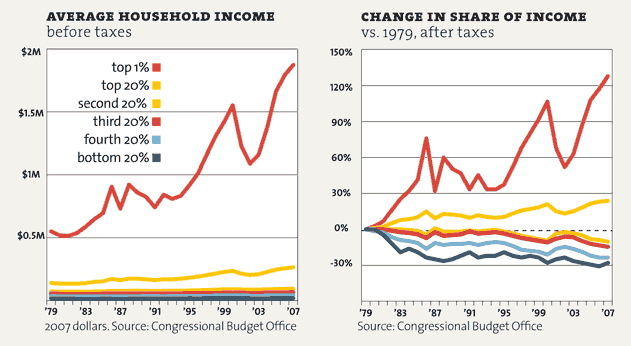
Imagine two neighbors living in a society where everyone is treated with dignity. One drives a modest used car that starts only after a short motivational speech. The other owns three homes, a private gym, and a refrigerator that probably has better lighting than most apartments. If both people can vote, speak freely, walk into the same public library, receive respectful service, and send their children to decent schools, does the income gap between them still matter?
That question sounds simple, but it is actually one of the biggest debates in economics, politics, sociology, and everyday dinner-table conversations. Income inequality refers to the uneven distribution of income across a population. Social equality, on the other hand, means people have equal dignity, equal civil rights, equal social respect, and fair access to opportunities regardless of class, race, gender, background, religion, or zip code.
So, does income inequality matter if there is social equality? The short answer is yesbut not always for the reasons people assume. Income inequality matters less when everyone has real opportunity, strong public services, affordable health care, safe housing, quality education, political voice, and social respect. But it still matters when money quietly buys better choices, better networks, better security, and a bigger megaphone in public life. In other words, social equality can soften the sharp edges of income inequality, but it cannot magically turn a mountain into a speed bump.
Understanding Income Inequality and Social Equality
What Is Income Inequality?
Income inequality measures how income is distributed among people or households. A society with low income inequality has relatively small gaps between high earners and low earners. A society with high income inequality has large gaps between top earners and everyone else. Economists often use tools like the Gini index, income quintiles, wage growth data, and household income statistics to study these gaps.
In the United States, income inequality remains a major public concern because income affects far more than shopping habits. It influences where people live, how much stress they carry, whether they can save for emergencies, how quickly they recover from setbacks, and how much freedom they have to say, “I quit,” when a job treats them like a malfunctioning printer.
What Is Social Equality?
Social equality means people are treated as full members of society. It includes legal equality, civil rights, non-discrimination, equal respect, and access to social participation. A socially equal society does not automatically mean everyone earns the same income. It means people are not locked out of opportunity because of who they are, where they were born, or how much money their parents had.
The ideal version of social equality says: your income may vary, but your dignity should not. A wealthy person and a low-income person should both be able to receive respectful medical care, participate in civic life, use public spaces, pursue education, and feel that society has not quietly placed them in different human categories.
Why Income Inequality Still Matters
Money Buys More Than Stuff
One common argument says that if everyone is socially equal, income inequality should not matter much. After all, people can earn different amounts and still treat each other with respect. That is true in theory. A society does not need identical incomes to be fair. Different jobs, skills, risks, responsibilities, and choices can lead to different earnings.
But in real life, income buys more than designer sneakers and suspiciously expensive coffee. It buys time, safety, flexibility, location, legal help, tutoring, preventive health care, child care, transportation, and the ability to make mistakes without disaster. A high-income household can absorb a broken car, a medical bill, or a temporary job loss. A low-income household may experience the same event as a financial earthquake.
This is why income inequality can matter even when social equality exists on paper. If two people have equal rights but one has ten times more practical freedom, their real-life equality is not as equal as it looks in the brochure.
Inequality Can Shape Opportunity
Social mobility is the ability to move up or down the economic ladder over a lifetime or across generations. Research on economic mobility has repeatedly shown that family background, neighborhood conditions, school quality, social networks, and parental income can influence a child’s future. That does not mean destiny is sealed at birth. It does mean the starting line is not always in the same place.
When income inequality becomes too large, wealthy families can purchase advantages that compound over time. Their children may have safer neighborhoods, stronger schools, paid enrichment activities, college counseling, unpaid internship support, and family connections. Lower-income children may be just as talented, ambitious, and hilarious at group projects, but they often have fewer resources helping them convert talent into opportunity.
Social equality says every child deserves a fair shot. Income inequality can interfere by making some shots come with professional coaching, polished equipment, and a backup plan, while others come with a bent basketball hoop and a bus schedule that does not believe in punctuality.
When Income Inequality May Matter Less
Strong Public Services Can Reduce the Damage
Income inequality is less harmful when a society provides strong public goods. These include quality public schools, affordable health care, safe transportation, clean parks, libraries, reliable infrastructure, worker protections, and social insurance. If everyone can access the foundations of a good life, then income differences become less dangerous.
For example, a person earning less money may still live with dignity if housing is affordable, medical care is accessible, schools are strong, wages are stable, and public spaces are safe. In that situation, income inequality still exists, but it does not completely control a person’s life chances.
This is why many researchers focus not only on income gaps but also on opportunity gaps. A society can tolerate some inequality if it protects people from poverty, prevents extreme deprivation, and ensures that wealth does not become a private elevator while everyone else is told to take the stairs.
Social Respect Matters Deeply
Income inequality becomes especially corrosive when it is paired with status inequality. If people with lower incomes are treated as failures, burdens, or background characters in someone else’s success story, the problem is no longer just economic. It becomes social and psychological.
Social equality can reduce this harm by making dignity non-negotiable. A cashier, nurse aide, warehouse worker, teacher, restaurant server, mechanic, and CEO should all be treated as valuable human beings. The paycheck may differ, but basic respect should not come with a premium subscription.
When social respect is strong, income differences may feel less humiliating. People can disagree about taxes, wages, and markets without turning economic status into a moral ranking system. That kind of culture matters because shame is a terrible public policy and an even worse motivational poster.
The Hidden Link Between Inequality and Trust
Trust Is Social Glue
Social equality depends on trust. People need to believe that institutions are fair, rules apply broadly, and their neighbors are not secretly gaming the system with a cheat code. When income gaps widen too much, trust can weaken. People may begin to suspect that the economy is rigged, politics is for donors, and success depends more on inheritance than effort.
This does not mean every unequal society collapses into suspicion. But large economic gaps can create different realities for different groups. Wealthier households may experience the country as full of opportunity. Lower-income households may experience the same country as full of fees, delays, barriers, and forms asking for information they already provided twice.
Once people stop trusting each other, social equality becomes harder to maintain. Public debate becomes more hostile. Compromise looks like surrender. Institutions lose legitimacy. Everyone becomes convinced that someone else is cutting the line.
Political Voice Can Become Unequal
Income inequality also matters because money can amplify political influence. In a democracy, every adult citizen may have one vote, but not everyone has the same access to lobbyists, campaign donations, elite networks, media platforms, or policy experts. Social equality requires equal citizenship. Extreme income inequality can stretch that ideal until it looks like one person speaking into a microphone while another is trying to shout from the parking lot.
This is where income inequality becomes more than a private financial issue. It can affect public priorities. If the wealthiest groups have more influence, policies may tilt toward their interests, even if lower- and middle-income families face more urgent needs. The result can be a society that speaks the language of equality while quietly budgeting for inequality.
Income Inequality, Health, and Daily Stress
Economic Conditions Affect Health
Health is not shaped only by doctors, hospitals, and whether someone remembers to eat vegetables that are not hiding under cheese. Public health research emphasizes social determinants of health, including income, education, housing, neighborhood safety, transportation, food access, and employment conditions. These factors can influence whether people get sick, how soon they receive care, and how well they recover.
Even in a socially equal society, income can affect health through stress and access. A low-income worker may delay a doctor’s visit because of cost, transportation, unpaid time off, or fear of losing wages. A high-income worker may schedule preventive care, take paid leave, and order soup that costs more than a phone bill.
Social equality can ensure that both people are treated respectfully. But if one person can afford care and the other cannot, respect alone is not enough. A polite barrier is still a barrier.
Stress Is Not Just a Mood
Financial insecurity creates chronic stress. It affects sleep, relationships, parenting, concentration, and long-term planning. People with stable incomes can plan years ahead. People living paycheck to paycheck may be forced to plan in two-week survival cycles, which is exhausting and not exactly the recommended setting for human flourishing.
This matters because a society can be socially polite and still economically punishing. If people are constantly one emergency away from crisis, social equality may feel thin. It is nice to be respected. It is better to be respected and able to pay rent.
Can Social Equality Exist Alongside High Income Inequality?
Yes, But It Takes Work
Social equality and income inequality can coexist, but only when institutions are strong enough to prevent money from turning into domination. That means enforcing anti-discrimination laws, protecting voting rights, supporting public education, keeping health care accessible, maintaining fair labor standards, and ensuring that public services do not become poor-quality leftovers for people who cannot buy private alternatives.
A society can accept that some people will earn more than others. It becomes dangerous when income differences harden into separate worlds. If wealthy families attend different schools, live in separate neighborhoods, use different transportation, receive different health care, and influence different politics, social equality becomes more symbolic than real.
The Question Is Not “Equal Outcomes” or “Nothing”
Public debates often get stuck between two exaggerated positions. One side hears “reduce inequality” and imagines everyone wearing identical gray jumpsuits and receiving the same government-approved sandwich. The other side hears “markets matter” and imagines that any concern about inequality is just jealousy wearing a policy blazer.
The better question is not whether all incomes should be equal. They should not be. The better question is whether income differences are fair, useful, and compatible with equal citizenship. Do they reward real contribution? Do they still allow mobility? Do they preserve dignity? Do they leave everyone with access to the basics? Do they prevent wealth from becoming inherited social power?
If the answer is yes, inequality may be manageable. If the answer is no, income inequality becomes a warning light on the dashboard. And like all warning lights, ignoring it does not make the engine healthier.
Examples That Show Why the Difference Matters
The School Example
Suppose two children are equally bright and equally motivated. One attends a well-funded school with advanced classes, experienced teachers, safe facilities, and college preparation. The other attends a school with outdated materials, large class sizes, and limited counseling. Social equality may say both children have the same worth. Income inequality may still influence which child gets more support.
This is not about blaming families for wanting good schools. Of course parents want the best for their children. The problem appears when the quality of opportunity depends too heavily on family income or neighborhood wealth. A society that values social equality must make sure talent is not wasted just because it was born on the wrong side of a property-tax line.
The Housing Example
Housing is another area where income inequality matters. People with higher incomes can often choose safer neighborhoods, shorter commutes, better schools, and healthier environments. Lower-income families may face rent burdens, overcrowding, long commutes, or limited options near jobs.
Again, social equality can reduce discrimination and stigma. But if the housing market sorts people into sharply different living conditions, income inequality still shapes daily life. A longer commute alone can affect sleep, parenting time, job stability, and stress. Nothing says “modern economy” like spending two hours in traffic so you can afford to live far from the job you need to afford the car that gets you to the job.
The Emergency Example
A $500 emergency is annoying for a comfortable household. It may be devastating for a household with little savings. This is one of the clearest ways income inequality shows up in ordinary life. The same event has different consequences depending on financial cushion.
Social equality can ensure that both households are treated with dignity. But dignity does not repair the transmission, cover the medical bill, or replace lost wages. Economic resilience matters because freedom is not only the right to choose; it is also the ability to survive a bad week.
Why Social Equality Is Still Essential
None of this means social equality is unimportant. In fact, social equality may be the strongest defense against the worst effects of income inequality. When people are treated with respect, protected by fair laws, and included in civic life, income gaps are less likely to become caste-like divisions.
Social equality also changes how people understand success and failure. In a socially equal culture, people can recognize that low income does not mean low value. Work that is underpaid may still be essential. Caregiving, teaching, cleaning, food service, delivery, and public service all hold communities together. The pandemic years made this painfully obvious: many workers called “essential” were also treated as economically replaceable. That contradiction deserves more than a thank-you sign and a stale doughnut in the break room.
Social equality pushes society to ask better questions. Are people respected? Are rights protected? Are institutions fair? Are people safe from discrimination? Are communities included in decisions that affect them? These questions matter even when income gaps are moderate. They matter even more when income gaps are large.
Policy Ideas That Balance Income and Social Equality
Invest in Opportunity
The most practical way to reduce the harm of income inequality is to invest in opportunity. This includes early childhood education, strong public schools, affordable college or training pathways, apprenticeships, digital access, and career mobility. Opportunity should not depend on whether a child’s parents can pay for private tutoring, summer enrichment, or a college essay consultant named Blake who charges by the emotional breakthrough.
Make Work More Secure
Fair wages, predictable schedules, paid leave, safe workplaces, and access to benefits can help people build stability. Work should be a pathway to dignity, not a treadmill with motivational quotes taped to it. When workers can afford basic needs, income inequality becomes less destabilizing.
Protect Public Goods
Libraries, parks, public schools, transit, health clinics, and community colleges are not boring budget items. They are equality machines. They create shared spaces where income matters less. A strong public sphere helps prevent society from splitting into luxury islands and survival zones.
Keep Democracy Responsive
Campaign finance transparency, voting access, civic education, and accountable institutions can reduce the risk that income inequality becomes political inequality. Equal citizenship requires more than legal rights. It requires a system where ordinary people believe their voices can still matter.
So, Does Income Inequality Matter If There Is Social Equality?
Yes, income inequality matters even when social equality exists. But the relationship is nuanced. Some income inequality is expected in a free and dynamic society. People make different choices, develop different skills, take different risks, and work in different industries. A perfectly equal income distribution is neither realistic nor necessarily desirable.
However, income inequality becomes a serious problem when it damages opportunity, health, trust, democracy, and dignity. Social equality can reduce these harms by protecting rights, promoting respect, and keeping institutions fair. But social equality cannot fully cancel out the practical power of money.
The healthiest societies do not obsess over making everyone financially identical. They focus on making sure no one is trapped, ignored, humiliated, or denied a fair chance. They allow success, but they do not let success purchase a private version of citizenship. They reward achievement, but they also protect the basics. They understand that a good society is not one where everyone has the same size slice of cake. It is one where nobody is told to be grateful for crumbs while others debate the frosting architecture.
Experiences That Show Why This Topic Feels Personal
Income inequality can sound abstract until you see it play out in ordinary moments. It is the college student who works two jobs and still has to choose between textbooks and groceries. It is the parent who skips a dental appointment because the child needs shoes. It is the worker who stays in a bad job because health insurance is attached to employment like a very expensive leash. It is the family that smiles politely at a school fundraiser knowing the “suggested donation” is not suggested in any emotional sense.
In many communities, people experience social equality in public language but income inequality in private pressure. They are told they are valued, but their wages do not cover rent. They are told education is the great equalizer, but their local school has fewer counselors, older technology, and fewer extracurricular options. They are told health matters, but appointments cost money, transportation takes time, and unpaid leave is a luxury. The message becomes confusing: “You matter equally, but please solve unequal problems with unequal resources.” That is a tough assignment, and nobody even brings snacks.
There are also experiences on the other side. Many higher-income people do not feel powerful or unfairly advantaged. They may feel stressed, overworked, and anxious about maintaining their lifestyle. Some grew up with little and worked hard to succeed. Their experience is real too. That is why conversations about income inequality should avoid turning people into cartoon villains or helpless victims. The point is not to shame success. The point is to ask whether the system gives enough people a genuine path to stability and mobility.
One of the clearest experiences related to income inequality is the difference between a setback and a crisis. A middle- or high-income household may treat a broken laptop as an inconvenience. A low-income student may see it as a threat to grades, scholarship eligibility, and future plans. A delayed paycheck may be annoying for one worker and catastrophic for another. A medical bill may be a budgeting issue for one family and a debt spiral for another. The event is the same; the cushion is not.
Social equality helps because it insists that every person deserves respect while navigating these pressures. It challenges the lazy idea that income equals character. It reminds us that people working low-wage jobs are not “lesser”; they are often doing difficult, necessary work under conditions that would make a spreadsheet cry. Still, respect must be paired with material fairness. A society cannot compliment people into economic security.
The lived experience of this issue teaches a simple lesson: people do not need identical lives to feel equal, but they do need believable fairness. They need to know effort can lead somewhere. They need public institutions that work. They need enough stability to plan beyond Friday. They need to feel that success is possible without having wealthy parents, perfect luck, or the stamina of a caffeinated superhero. When social equality and economic opportunity work together, inequality becomes less threatening. When they drift apart, the promise of equality starts to sound like a slogan looking for a budget.
Conclusion
Income inequality matters because money shapes real choices, not just bank balances. Social equality matters because dignity, rights, and respect should never depend on income. The strongest society is one that takes both seriously. It allows people to rise, earn, build, and succeed, while also ensuring that every person has access to basic security, fair opportunity, and full civic respect.
If social equality is strong, income inequality becomes easier to manage. If income inequality becomes extreme, social equality becomes harder to protect. The two are not enemies, but they are deeply connected. A fair society does not need everyone to earn the same amount. It needs everyone to have a real chance, a real voice, and a life that is not constantly squeezed by forces beyond their control.