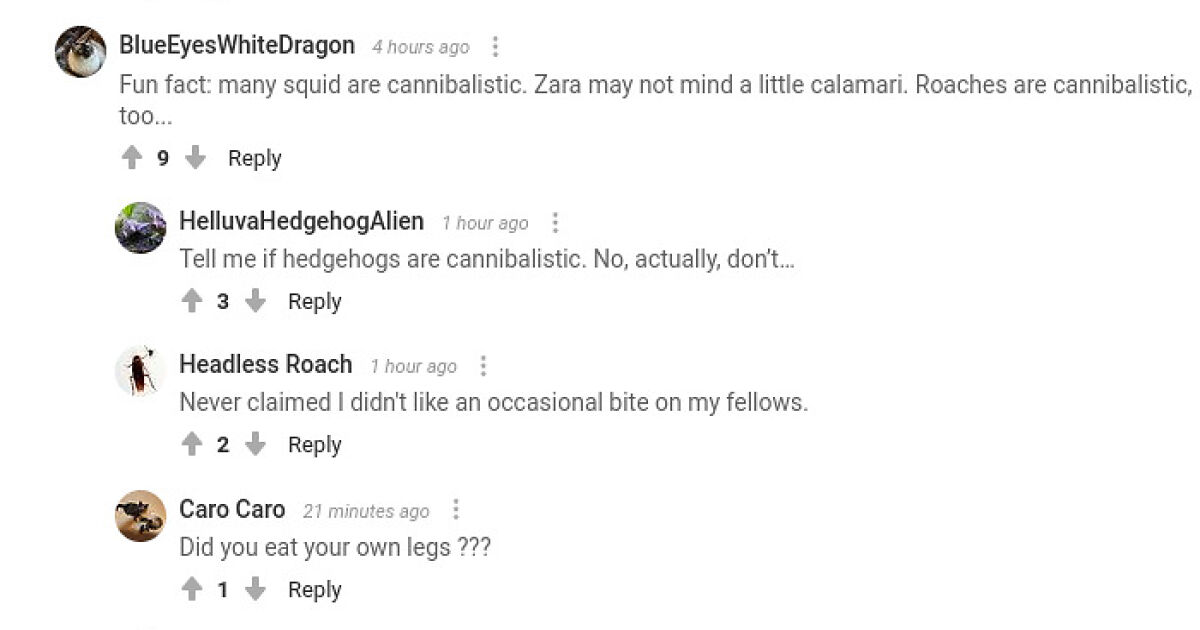
Sometimes the post is merely the appetizer. The real meal is waiting underneath it, wearing a suspicious username and arguing about whether a raccoon could operate a vending machine.
The funniest comment section conversations often begin with an ordinary photo, question, recipe, product review, or harmless typo. Then one stranger makes an unexpectedly clever observation. Another person builds on it. A third arrives with unnecessary expertise. Five replies later, everyone has abandoned the original topic and is developing a retirement plan for an imaginary pigeon named Gerald.
That strange collaborative energy is what makes funny internet comments so memorable. A good comment is a joke. A great comment thread is improvised comedy performed by people who have never met, were not invited, and may be typing while pretending to work.
Editorial note: The sample conversations below are original composite examples inspired by common patterns in online communities. They are not presented as verbatim comments from identifiable users.
The Comment Section Is the Internet’s Unofficial Second Show
Comment sections were designed to let readers respond to content. The internet, naturally, looked at that practical purpose and said, “Fine, but what if we also turn it into community theater?”
Under the right post, commenters become writers, performers, critics, detectives, fact-checkers, and enthusiastic suppliers of terrible puns. The original creator may upload a 12-second video of a cat falling off a chair, but the audience can transform it into a courtroom drama, a workplace dispute, or a full psychological profile of the cat.
Commenter 1: The cat clearly planned that.
Commenter 2: Planned what, gravity?
Commenter 3: His attorney has advised him not to answer.
Commenter 4: I represent the chair. We will be filing a counterclaim.
The funniest comment section conversation rarely belongs to one person. Its power comes from cooperation. Each reply accepts the previous joke, adds something new, and passes the absurdity to the next participant. It is essentially improvisational comedy, except the performers have profile pictures of dogs, cartoons, sunsets, or cars they probably do not own.
Why Funny Comment Threads Work So Well
They Arrive When You Are Not Expecting Them
Surprise is central to humor. A predictable reply may earn a polite smile, but a completely unexpected interpretation can make readers stop scrolling. The strongest funny comments reveal an angle that was technically visible all along but that nobody else noticed.
Imagine a photo of a badly assembled bookshelf leaning several inches to the left. Most people might discuss the instructions or recommend stronger screws. Then someone comments, “It is not broken. It is trying to leave.” Suddenly, the shelf has motivation, emotional problems, and possibly a suitcase.
They Use Perfect Timing
Timing exists in written comedy too. A short reply placed beneath a long, serious explanation can function like a punchline. So can a callback posted several messages later, after readers have nearly forgotten the original joke.
Commenter 1: My neighbor’s rooster screams every morning at 4:45.
Commenter 2: Have you tried setting it to 7:00?
Commenter 3: I changed the batteries, but now it speaks French.
Commenter 4: Le rooster cannot be silenced.
The final reply works because it returns to the original problem while honoring the increasingly ridiculous direction of the thread.
They Create a Tiny Shared World
The most memorable comment thread humor establishes its own rules. Perhaps everyone pretends a vacuum cleaner is an aggressive pet. Maybe a misspelled word becomes a fictional country. Perhaps a person asks an innocent question and receives twenty replies written as if they are preparing for an international emergency.
Readers understand the game quickly. Joining the thread means accepting its temporary reality. For a few minutes, everyone agrees that the vacuum has territorial ambitions and must not be approached without snacks.
Classic Types of Funny Comment Section Conversations
1. The Typo That Develops a Life of Its Own
A typo is one of the internet’s most renewable comedy resources. Someone intends to write “public speaking” but accidentally writes “public squeaking.” The practical response would be to correct the mistake. The internet’s response is to establish certification requirements for professional squeakers.
Original post: Any advice for improving my public squeaking?
Commenter 1: Start with smaller mice and work your way up.
Commenter 2: Maintain eye contact. Squeak with authority.
Commenter 3: Never apologize for your natural voice.
Original poster: I meant speaking, but honestly this is more helpful.
The best typo threads remain playful rather than humiliating. Everyone recognizes that mistakes happen, and the original poster is invited to participate in the joke instead of becoming its target.
2. The Extremely Literal Answer
Literal interpretations thrive online because written questions often leave small openings for mischief.
Question: How long should I cook a 12-pound turkey?
Commenter 1: Until it weighs zero pounds.
Commenter 2: Please do not evaporate the turkey.
Commenter 3: Too late. Dinner is now atmospheric.
A literal answer becomes even funnier when later commenters treat it as a serious proposal. The humor escalates through commitment. Nobody pauses to explain the joke because explanation is usually where comedy goes to complete paperwork.
3. The Unexpected Expert
Some conversations become hilarious when a qualified professional wanders into obvious nonsense and responds with complete seriousness.
Commenter 1: Could three squirrels successfully run a coffee shop?
Commenter 2: Not without permits.
Commenter 3: Former restaurant inspector here. Their biggest issue would be hand-washing compliance.
Commenter 4: They wash everything constantly. Have you seen squirrels?
Commenter 3: Fair point. Conditional approval granted.
The combination of real knowledge and ridiculous circumstances is difficult to resist. A detailed answer lends credibility to a scenario that absolutely does not deserve it.
4. The Accidental Family Revelation
Family members are responsible for some of the funniest social media conversations because they possess dangerous amounts of context and very little fear.
Post: Nobody knows how hard I worked to become this calm.
Mom: Your bedroom says otherwise.
Sibling: Do not open the closet.
Mom: We no longer call it a closet. It is a containment zone.
These exchanges feel authentic because the relatives are not impressed by anyone’s carefully curated online identity. A glamorous photograph may receive hundreds of compliments, but one aunt can restore balance by asking whether the person remembered to return her casserole dish.
5. The Customer Review That Becomes a Survival Story
Product reviews are supposed to discuss quality, value, and performance. Occasionally, however, a buyer writes as though the item has permanently altered the course of history.
Review: This umbrella survived winds strong enough to rearrange my personality.
Reply: Did it keep you dry?
Reviewer: Physically, yes. Spiritually, I am still processing the event.
Another buyer: Ordering two for emotional support.
The funniest reviews combine useful information with dramatic storytelling. We learn that the umbrella is durable, but we also receive a three-act adventure involving weather, fear, and personal growth.
6. The Wholesome Misunderstanding
Not every funny comment exchange needs sarcasm. Some of the best threads begin when people misunderstand one another in an unexpectedly sweet way.
Post: My dog finally passed obedience school!
Commenter 1: I am sorry for your loss.
Original poster: He graduated. He is alive and currently stealing a sock.
Commenter 1: This is the best correction I have ever received.
Commenter 2: The obedience school may want to reconsider the diploma.
The error is corrected without hostility, and the conversation becomes warmer because everyone can laugh at the ambiguity.
The Difference Between Funny and Cruel
Comment sections can be brilliant, but they can also become hostile quickly. Humor works best when it targets a situation, a shared absurdity, or the commenter’s own experience. It becomes less enjoyable when hundreds of strangers focus their attention on humiliating one person.
A useful test is simple: Would the person at the center of the exchange reasonably feel invited to laugh too? In a playful typo thread, the original poster might join the joke. In a cruel dogpile, the person becomes a prop while everyone else competes for attention.
Healthy online community humor generally follows a few unwritten rules:
- Expand the joke instead of repeating the same insult.
- Avoid attacking appearance, identity, disability, or personal tragedy.
- Do not expose private information for entertainment.
- Recognize when the original poster is uncomfortable.
- Let harmless mistakes remain harmless.
The funniest comment section conversation makes the internet feel smaller and friendlier. Cruelty does the opposite. It turns a community into an audience gathered around someone else’s embarrassment.
How One Reply Can Shape the Entire Conversation
The first few responses often establish a thread’s tone. A thoughtful answer encourages additional thoughtful answers. An aggressive response may invite combat. A clever but friendly joke signals that playful creativity is welcome.
Imagine a user posting a photograph of an unusually round cat and asking, “What breed is she?” The first reply could mock the animal’s weight, creating an unpleasant atmosphere. Alternatively, someone could answer, “That is a North American Sofa Cushion.” The second approach is silly without being vicious, allowing the owner to respond, “Rare, expensive, and impossible to move.”
Now the thread has a cooperative premise. Other users might suggest related breeds such as the Domestic Ottoman, the Long-Haired Footrest, or the Seasonal Heated Pillow. The joke grows because participants protect the playful tone rather than competing to be the harshest person in the room.
Why We Remember Comment Threads Longer Than Posts
A post is usually a finished object. A comment thread is an event. Readers witness it develop reply by reply, which creates suspense and participation. Even people who never comment may begin predicting what the next person will say.
Funny social media conversations also feel spontaneous. A television joke has writers, rehearsals, editing, and professional performers. A comment thread may feature a nurse, a mechanic, a student, a retired teacher, and someone apparently awake at 3:12 a.m. with strong opinions about ducks.
That unpredictability gives online humor its distinct flavor. The participants have different backgrounds and styles, yet they briefly cooperate. One person contributes wordplay. Another adds practical knowledge. Someone else arrives solely to make an excellent callback eight replies later.
The result feels discovered rather than manufactured. You scroll into it by accident, laugh harder than expected, save a screenshot, and send it to a friend with the traditional internet introduction: “Please read all of this.”
How to Tell a Great Comment Section Story
When sharing the funniest online conversation you have encountered, context matters. A single isolated reply may not make sense without the original post or the comments that preceded it.
Begin by explaining the setup in one or two sentences. Describe the unexpected first reply, then show how later commenters escalated or redirected the joke. Preserve the order, because good comment thread humor often depends on timing.
Privacy matters too. Consider removing usernames, profile photographs, locations, and other identifying details unless the conversation came from a public figure or official brand account. The goal is to share the comedy, not to redirect thousands of strangers toward an ordinary person.
Most importantly, explain what made the exchange memorable to you. Was it the speed of the replies? The commitment to an absurd idea? The appearance of an expert? A final comment that perfectly returned to the opening joke? Those details turn a screenshot into a story.
Hey Pandas, What Conversation Made You Lose It?
Maybe you found a recipe thread in which everyone argued about whether water was an acceptable substitute for water. Perhaps you watched a pet owner defend a guilty-looking dog while the comments organized a trial. Maybe an innocent marketplace listing became a negotiation between three comedians and a confused seller.
The ideal submission does not need to involve a celebrity or a massively viral post. Some of the funniest comment section conversations occur in neighborhood groups, hobby forums, school communities, customer reviews, and tiny pages followed by approximately eleven people and one suspicious bot.
Tell us where the conversation began, what the original topic was, and which reply caused the thread to leave reality behind. Bonus points are awarded for callbacks, accidental experts, cheerful misunderstandings, and comments that made you laugh in public while trying to look as though you had received a normal email.
A Personal Comment-Section Experience: The Case of the Suspicious Garden Statue
One of the funniest kinds of online experience begins in a local community group, where every post carries the possibility of becoming either extremely useful or completely unhinged.
In this composite example, a resident uploaded a blurry nighttime photograph showing a small figure near a backyard fence. The poster asked whether anyone else had seen “a strange animal” wandering through the neighborhood. The shape was difficult to identify. It might have been a cat, a raccoon, or a decorative object viewed from an unfortunate angle.
The first commenter calmly suggested checking footage from a security camera. The second commenter zoomed in and announced that the creature appeared to be wearing a hat. A third person replied, “That is not an animal. That is the mayor.”
At that moment, the discussion permanently abandoned wildlife identification.
Someone asked what policies the tiny mayor supported. Another resident said the figure had promised lower property taxes but had been vague about trash collection. A gardening enthusiast objected that the alleged mayor was actually a ceramic gnome sold at a local hardware store. This evidence did not end the debate. Instead, commenters accused the gnome of hiding its financial connections to the hardware industry.
Commenter 1: Has anyone checked whether it has a permit?
Commenter 2: Gnomes are exempt under the 1987 Lawn Ornament Act.
Commenter 3: I was there in 1987. That law was rushed through.
Commenter 4: Follow the ceramic money.
The original poster eventually returned with a daylight photograph. The mysterious creature was indeed a garden gnome that had fallen from a shelf and landed upright near the fence. Mystery solved.
Yet the comment section refused to accept the official explanation. One user claimed the new photograph was “obviously staged.” Another asked why the gnome had been outside after neighborhood quiet hours. Someone created a campaign slogan: “A Gnome in Every Home.” By evening, residents were discussing cabinet appointments for a ceramic administration.
What made the conversation funny was not any single line. It was the commitment. Each participant understood that the figure was an ordinary decoration, but everyone treated the fictional scandal with escalating seriousness. People invented laws, political history, investigative journalism, and public policy around an object roughly fourteen inches tall.
The thread also remained good-natured. Nobody attacked the original poster for misidentifying the shape. Instead, the uncertainty became an invitation to play. The poster joined in by promising to question the suspect once it had retained legal counsel.
That is the special magic of the funniest comment section conversations. They briefly transform strangers into collaborators. The participants may disagree about real issues elsewhere, but for one evening they can unite around a more important question: What exactly is the garden gnome hiding?
Online spaces are often criticized for hostility, misinformation, and endless arguments. Those problems are real, but they are not the whole story. Comment sections can also produce warmth, imagination, cleverness, and spontaneous connection. At their best, they remind us that people are remarkably creative when given a simple setup, a reply button, and absolutely no adult supervision.
So, Pandas, dig through your saved screenshots and digital memories. What is the funniest comment section conversation you have ever seen? Tell the story, protect people’s privacy, and give us enough context to appreciate the moment when an ordinary discussion became internet legend.