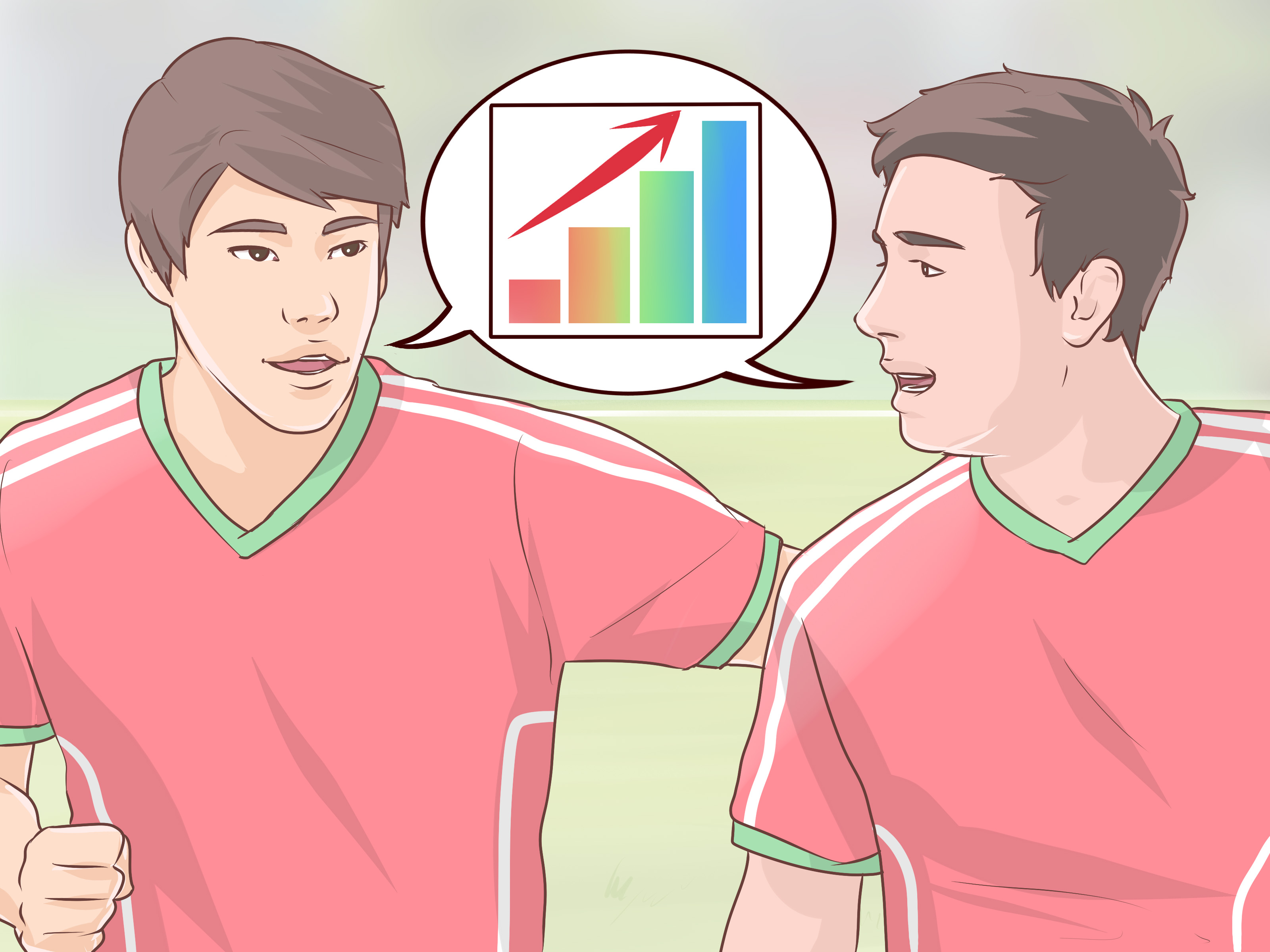
Getting better at soccer is not magic, although it can feel magical when your first touch finally stops bouncing off your foot like it has somewhere more important to be. Soccer improvement comes from a smart mix of technical practice, game understanding, athletic preparation, and mental toughness. In other words, you need better feet, a better brain, a better engine, and a better attitude when the ball, the referee, and your shoelaces all seem to be working against you.
The good news is that every player can improve. You do not need to be born with elite speed, a cannon of a left foot, or the mysterious ability to nutmeg three defenders while looking mildly bored. Whether you are a beginner, a weekend league player, a youth athlete, or someone trying to make the starting lineup, the path is surprisingly practical. The best soccer players do the basics well, repeat them often, and learn how to apply them when the game gets fast, loud, and messy.
This guide breaks soccer development into four powerful areas: mastering the ball, learning to read the game, building soccer-specific fitness, and developing a confident mindset. Each section includes specific examples and training ideas you can use right away. No fluff, no secret “pro hacks,” and no advice that requires a private training facility with mood lighting. Just smart, repeatable ways to get better at soccer.
1. Master the Ball Before You Try to Master the Game
Soccer starts with the ball. Tactics matter, fitness matters, and confidence matters, but if your first touch sends the ball into another zip code, the rest of your plan has already packed up and gone home. Ball mastery means becoming comfortable controlling, moving, passing, receiving, and striking the ball with both feet and different surfaces.
Improve Your First Touch
Your first touch is the difference between playing under control and playing in panic mode. A good first touch sets up your next action. It can move the ball away from pressure, open your body toward the field, create shooting space, or prepare a quick pass. A poor first touch makes you chase the ball, and chasing the ball is usually when defenders start smelling opportunity like sharks with shin guards.
To improve first touch, practice receiving the ball from different angles and speeds. Use a wall if you are training alone. Pass against the wall, receive with the inside of your foot, take your first touch slightly to the side, then pass again. Start with two touches: one to control, one to pass. As you improve, challenge yourself with one-touch passing, weaker-foot receiving, and controlling bouncing balls.
Practice Dribbling With Purpose
Dribbling is not just doing fancy moves until your coach’s blood pressure rises. Good dribbling has a purpose. Sometimes you dribble to beat a defender. Sometimes you dribble to protect the ball. Sometimes you dribble into space to draw pressure and open a passing lane. The key is control.
Set up cones, shoes, water bottles, or whatever safe objects you have available. Dribble through them using small touches. Practice with the inside, outside, sole, and laces of both feet. Keep the ball close when you are in tight spaces, then push it farther ahead when you accelerate into open space. That change of pace is what makes defenders panic and occasionally make the face of someone who has just realized they chose the wrong hobby.
Sharpen Passing and Shooting
Passing is the language of soccer. If your passes are accurate, well-timed, and easy for teammates to control, you instantly become more valuable. Work on passing with the inside of your foot, driving passes with your laces, and playing balls into space rather than always to feet. A simple wall-passing routine can build accuracy quickly: aim at a target, pass with your right foot, receive, pass with your left foot, and repeat.
Shooting requires technique, not just rage. Keep your head steady, plant your non-kicking foot beside the ball, lock your ankle, and strike through the center or lower half of the ball depending on the shot you want. Practice placement before power. A well-placed shot into the corner beats a dramatic blast into the parking lot almost every time.
2. Learn to Read the Game Like a Smart Player
Once your technical skills improve, the next big jump comes from decision-making. Soccer is not a foot race with occasional kicking. It is a game of constant problem-solving. Where is the space? Where is the pressure? Which teammate is open? Should you pass, dribble, shoot, or hold the ball? The best players often look calm because they already know what they want to do before the ball arrives.
Scan Before You Receive
Scanning means looking around before the ball comes to you. This one habit can transform your game. When you scan, you gather information: defenders, teammates, open space, passing lanes, and pressure. Without scanning, receiving the ball feels like opening a surprise package, except the surprise is usually a defender breathing down your neck.
Make scanning part of every drill. Before receiving a pass, glance over both shoulders. Ask yourself, “Where is the nearest defender?” and “Where is my next option?” You can practice this with a partner by having them hold up fingers or colors behind you before passing the ball. You must call out what you saw before receiving. It feels awkward at first, but it builds the habit of playing with your head up.
Use Small-Sided Games
Small-sided games such as 2v2, 3v3, 4v4, and 5v5 are excellent for development because they increase involvement. Fewer players means more touches, more decisions, more attacking chances, and more defensive responsibilities. In a full 11v11 game, a player can go several minutes without meaningful action. In a 4v4 game, hiding is basically impossible unless you are wearing an invisibility cloak, which most leagues frown upon.
Small-sided games teach real soccer situations in a simple format. You learn when to support, when to press, when to cover, when to switch the ball, and when to take someone on. They also help develop confidence because you are constantly involved in the play.
Watch Soccer With a Training Eye
Watching professional soccer can help, but only if you watch actively. Instead of following the ball the whole time, pick one player in your position and study them. Watch how often they scan. Notice their body shape when receiving. Observe how they move when they do not have the ball. Great players are not just skilled when the ball is at their feet; they are constantly adjusting their position before the pass arrives.
If you are a midfielder, watch how central players check their shoulders and create passing angles. If you are a winger, study when players stay wide and when they make diagonal runs. If you are a defender, watch body positioning, timing, and communication. Soccer IQ grows when you understand why players move, not just where they move.
3. Build Soccer-Specific Fitness and Take Recovery Seriously
Soccer fitness is different from simply being able to jog for a long time. A soccer player sprints, stops, turns, jumps, shields, tackles, accelerates, decelerates, and repeats it all while trying to make good decisions. That means your training should develop speed, agility, strength, endurance, balance, and coordination.
Train Speed and Agility
Speed is not only about running fast in a straight line. Soccer speed includes reacting quickly, changing direction, and accelerating over short distances. Add cone drills, shuttle runs, and reaction drills to your routine. For example, set two cones 10 to 20 yards apart. Sprint to one cone, backpedal, shuffle sideways, then sprint again. Keep your movements sharp and controlled.
Agility ladders can help with foot speed, but they should not be your entire fitness plan. Combine ladder work with real soccer movements: receiving a pass after a quick shuffle, changing direction before shooting, or sprinting after playing a wall pass. The closer your fitness drill looks like the game, the more useful it becomes.
Strengthen the Muscles That Protect You
Soccer involves a lot of cutting, landing, and sudden changes of direction, which means your hips, glutes, thighs, calves, core, and ankles need to be strong. Basic bodyweight exercises can make a huge difference. Squats, lunges, step-ups, glute bridges, calf raises, planks, and side planks are all useful.
Focus on control. Your knees should track over your toes when you squat, lunge, jump, or land. If your knees collapse inward, slow down and fix the movement. Good strength training is not about looking heroic for eight seconds and walking strangely for three days. It is about building stable movement patterns that help you play harder and stay available.
Warm Up Like You Mean It
A proper warm-up prepares your body for the demands of training or games. Start with light jogging, then add dynamic movements such as high knees, butt kicks, hip openers, leg swings, lateral shuffles, and controlled accelerations. Save long static stretching for after training or separate flexibility sessions.
A good warm-up should raise your heart rate, loosen your joints, activate key muscles, and sharpen your coordination. It also gives your brain a chance to switch from “I was just sitting in a car” mode to “I am about to chase a winger who thinks stepovers are a personality trait” mode.
Fuel and Recover
Training only works if your body can recover from it. Hydration, nutrition, sleep, and rest are not bonus features. They are part of your soccer development. Drink water throughout the day, especially in hot weather. After hard training or games, refuel with carbohydrates to restore energy and protein to support muscle repair.
Sleep matters more than most players want to admit. If you are tired, your touch gets heavier, your decisions slow down, and your body becomes more vulnerable to sloppy movement. A player who trains hard but never recovers is like a phone stuck at 7% battery: technically still operating, but nobody should trust it in an emergency.
4. Build a Confident, Coachable, Game-Ready Mindset
The mental side of soccer can separate players with similar physical and technical ability. Confidence, focus, resilience, communication, and coachability all affect performance. You can have great skills in practice, but if one mistake ruins your whole game, your development will stall.
Use Mistakes as Feedback
Every player makes mistakes. The best players learn faster from them. If you lose the ball, ask why. Was your first touch too close to pressure? Did you fail to scan? Was your pass late? Did you try a difficult move in the wrong area? The goal is not to shame yourself. The goal is to collect information.
A growth mindset helps you stay focused on improvement instead of embarrassment. Replace “I’m terrible at passing” with “I need 15 minutes of passing practice three times this week.” Replace “I always mess up under pressure” with “I need more game-like drills where I receive with a defender nearby.” Specific problems can be trained. Vague self-insults just make you tired.
Set Simple Training Goals
Better soccer players train with intention. Before each session, choose one or two goals. For example: complete 100 wall passes with each foot, take 50 first touches across your body, practice 20 shots to each corner, or scan before every pass in a small-sided game. Clear goals make progress visible.
Track your training in a simple notebook or phone note. Record what you practiced, what improved, and what needs work. This does not have to be fancy. You are not writing a dramatic memoir titled “My Journey From Cone Drills to Glory.” Just keep enough detail to spot patterns.
Communicate More
Soccer is easier when players talk. Simple communication helps teammates make faster decisions. Use short, clear words: “Turn,” “Man on,” “Time,” “Switch,” “Drop,” “Line,” “Hold,” and “I’m here.” Communication also keeps you engaged when you are off the ball.
If you are quiet by nature, start small. Call for the ball when you are open. Warn a teammate when pressure is coming. Encourage someone after a mistake. Teams trust players who communicate, compete, and stay positive. You do not need to become the loudest person on the field; you just need to become useful.
A Simple Weekly Plan to Get Better at Soccer
You do not need a complicated routine to improve. Consistency beats occasional heroic training. Here is a simple weekly structure you can adapt:
- Day 1: Ball mastery, first touch, and passing against a wall.
- Day 2: Speed, agility, and strength training.
- Day 3: Team practice or small-sided games.
- Day 4: Light technical work, juggling, weaker foot practice, and recovery.
- Day 5: Shooting, crossing, finishing, and position-specific skills.
- Day 6: Match play, scrimmage, or competitive small-sided games.
- Day 7: Rest, stretching, mobility, or easy recovery.
The exact schedule matters less than the balance. Touch the ball often. Challenge your body. Play real games. Recover properly. Review your performance. Then repeat long enough for your old weaknesses to start looking nervous.
of Real-World Experience: What Actually Helps Players Improve
One of the most useful lessons from soccer development is that improvement rarely feels dramatic while it is happening. A player may spend weeks practicing first touch against a wall and feel only slightly better. Then, during a game, the ball arrives under pressure, the first touch rolls perfectly into space, and suddenly that boring wall has become the greatest coach in town. The small repetitions show up when the game demands them.
In real training environments, the players who improve fastest are not always the most naturally talented. They are usually the ones who listen, repeat the basics, and compete with focus. A technically gifted player who refuses feedback can get stuck. A less flashy player who trains both feet, asks questions, and studies the game can pass them over time. Soccer has a funny way of rewarding the players who keep showing up with purpose.
Another experience that stands out is how much confidence comes from preparation. Players often think confidence means feeling fearless before a match. In reality, confidence is usually quieter. It comes from knowing you have practiced the pass, the shot, the turn, the sprint, and the recovery run. When you have done the work, pressure still exists, but it feels less mysterious. You can tell yourself, “I have handled this before.” That sentence is powerful.
Small-sided games also teach lessons that isolated drills cannot. In a 3v3 or 4v4, the game forces you to solve problems quickly. You learn that dribbling into two defenders is rarely a Nobel Prize-level decision. You learn that passing and moving immediately makes you harder to defend. You learn that defending is not just tackling; it is positioning, patience, and forcing opponents into bad options. These lessons stick because they happen inside the chaos of play.
Many players also underestimate the value of the weaker foot. At first, training your weaker foot feels like trying to write a thank-you note with a spoon. It is clumsy, humbling, and occasionally hilarious. But even basic improvement makes a difference. If you can receive, pass, and clear the ball with both feet, you become less predictable. Defenders can no longer force you one way and relax. Coaches notice players who can solve problems on either side of the field.
Recovery is another area where experience teaches the hard way. A player can train brilliantly for three days, sleep poorly, eat badly, skip warm-ups, and then wonder why their legs feel like furniture. The body keeps receipts. The players who last through a season are the ones who treat sleep, hydration, food, and mobility as part of training, not as boring chores assigned by adults who own too many clipboards.
Finally, the best soccer growth comes from loving the process enough to keep going. You will have bad games. You will miss easy chances. You will make a pass so confusing that even the grass seems offended. But if you review, adjust, and train again, those moments become part of your education. Soccer improvement is not about becoming perfect. It is about becoming more reliable, more aware, more skillful, and more resilient every week.
Conclusion
Getting better at soccer comes down to four big habits: improve your technical skills, understand the game, build soccer-specific fitness, and develop a strong mindset. Master your first touch, pass with purpose, scan before receiving, play small-sided games, train speed and strength, recover properly, and learn from mistakes instead of dragging them around like emotional ankle weights.
The beautiful part is that none of these steps require perfection. They require consistency. A few focused sessions each week can change the way you play. Over time, your touch becomes cleaner, your decisions become quicker, your body becomes stronger, and your confidence becomes steadier. Soccer rewards the player who keeps learning, keeps moving, and keeps asking, “How can I do this better next time?”
Note: This article is written for general soccer improvement and is based on real coaching, sports-performance, and injury-prevention principles. Players with injuries, medical concerns, or intense training schedules should consult a qualified coach, athletic trainer, physical therapist, or healthcare professional.