A fall mantel has one important job: make the room feel warmer before anyone even finds the throw blanket. Because the fireplace naturally attracts attention, a few carefully chosen pumpkins, branches, candles, books, and vintage treasures can shift an entire living room from “summer is technically over” to “someone should bake an apple pie immediately.”
The secret is not piling every autumn object you own onto one narrow shelf. Successful fall mantel decor combines a clear focal point, varied heights, layered textures, seasonal color, and enough empty space for the arrangement to breathe. Whether your home leans farmhouse, traditional, modern, coastal, rustic, or gloriously impossible to categorize, the same basic design principles can help you create a mantel that feels intentional rather than invaded by a pumpkin convention.
This article synthesizes decorating and safety guidance from Better Homes & Gardens, The Spruce, HGTV, Martha Stewart, Real Simple, House Beautiful, Country Living, Southern Living, Lowe’s, This Old House, NFPA, Kidde, and the City of San José Fire Department.
Why the Mantel Is the Perfect Place to Start Decorating for Fall
A fireplace mantel is usually positioned at eye level and often anchors the main seating area. That makes it one of the most efficient decorating zones in the home. You do not have to replace curtains, repaint walls, or persuade your family that the sofa suddenly needs six cinnamon-colored pillows. Restyling one focal point can establish the mood for the whole room.
The mantel also provides a natural stage for seasonal storytelling. In September, it can celebrate the first hints of harvest season with branches, pears, wheat, and green pumpkins. In October, a few black accents or paper bats can introduce Halloween without turning the room into a haunted clearance aisle. By November, removing the spooky pieces and adding warm metals, candles, and natural foliage creates an easy Thanksgiving display.
Choose a Fall Mantel Style Before You Start
Before buying another decorative gourd that looks suspiciously similar to the decorative gourds already in your closet, decide what kind of atmosphere you want. A defined direction makes shopping easier and prevents unrelated pieces from competing for attention.
Traditional Harvest
A traditional fall mantel uses familiar autumn colors such as rust, amber, mustard, burgundy, brown, and deep green. Layer pumpkins with maple branches, wheat bundles, brass candlesticks, and an autumn wreath. This approach feels abundant, welcoming, and ready for Thanksgiving dinner.
Neutral and Natural
For a quieter look, build the arrangement with cream pumpkins, pale wood, beige grasses, stoneware, dried seedpods, and soft brown leaves. Neutral does not have to mean flat. The interest comes from texture: rough bark beside smooth ceramic, feathery grass beside chunky pottery, and aged wood beside clear glass.
Modern Minimalist
A modern fall mantel may need only three elements: one large piece of art, a sculptural branch, and a small group of matte pumpkins. Choose a controlled palette such as black, ivory, walnut, and muted terracotta. Asymmetry works especially well here, provided the visual weight remains balanced.
Rustic Farmhouse
Combine weathered frames, old books, woven baskets, galvanized metal, wooden beads, crocks, and pumpkins with imperfect stems. A vintage sign can serve as the anchor, but it should not be joined by seven smaller signs explaining that it is fall. One message is charming. Eight messages begin to resemble a seasonal press conference.
Moody Halloween
Keep the foundation sophisticated with dark florals, amber glass, black candlesticks, antique portraits, burgundy leaves, and charcoal-colored pumpkins. Add only a few theatrical details, such as paper bats or a small brass skeleton. Restraint gives spooky decorations more impact and makes the display easier to convert back to general autumn decor.
A Reliable Formula for Styling a Fall Mantel
1. Clear the Entire Surface
Remove everything, dust the shelf, and clean the fireplace surround. Starting with an empty mantel helps you see its actual dimensions instead of trying to decorate around a collection that has been slowly gathering since spring.
2. Select One Anchor
The anchor is the largest visual element. It might be a mirror, wreath, framed landscape, vintage window, textile, or oversized vase filled with branches. A centered anchor creates a formal, symmetrical look. An off-center anchor feels more relaxed and contemporary.
Make sure the anchor relates to the mantel’s width. A tiny frame floating above a wide fireplace can look stranded, while an enormous object may overpower the architecture. The goal is presence, not domination.
3. Add Tall Supporting Pieces
Place one or two taller objects near the anchor. Candlesticks, vases, lanterns, branches, or framed art can establish the outer boundaries of the arrangement. Vary the heights slightly so the display does not resemble a row of soldiers waiting for inspection.
4. Fill With Medium and Small Accents
Introduce pumpkins, gourds, pinecones, pottery, books, acorns, or small sculptural pieces. Grouping objects in clusters usually feels stronger than spacing them evenly across the shelf. Odd-numbered groups of three or five often look natural, but this is a design tool rather than a law enforced by the decorating police.
5. Create Layers
Lean a smaller frame in front of a larger one. Place a pumpkin partly in front of a vase. Let a strand of wooden beads curve through a cluster of objects. Layering creates depth and helps separate a thoughtfully styled mantel from a lineup of unrelated accessories.
6. Preserve Negative Space
Leave some visible surface between groups. Negative space gives the eye a place to rest and makes meaningful pieces easier to notice. When every inch is occupied, even beautiful objects can become visual noise.
Best Materials for Fall Mantel Decor
Pumpkins and Gourds
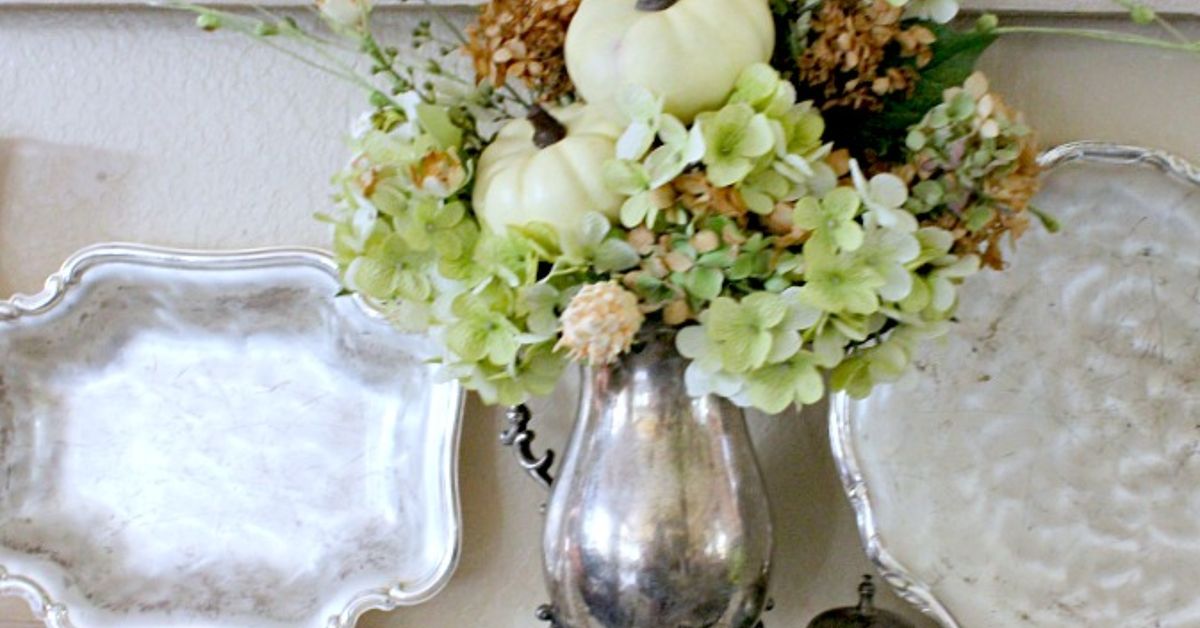
Mixing sizes, shapes, and finishes produces a more collected look. Try combining one medium real pumpkin with several small faux pumpkins made from velvet, wood, glass, or ceramic. Green, white, gray, and burgundy varieties offer alternatives to bright orange while still reading as unmistakably autumnal.
Branches, Leaves, and Dried Botanicals
A branch with colorful leaves can add height and movement for little or no cost. Dried hydrangeas, wheat, pampas grass, eucalyptus, seed heads, and preserved oak leaves bring texture without requiring daily care. Inspect foraged materials for insects, shake them outdoors, and allow damp pieces to dry before bringing them inside.
Candles and Lanterns
Candlelight contributes warmth, but flameless LED candles are often the better choice around dried leaves, paper garlands, fabric, children, or pets. Varying the height of candleholders creates rhythm. Repeating one metal finish, such as brass or aged bronze, helps the grouping feel cohesive.
Books, Pottery, and Vintage Objects
Seasonal decorating becomes more personal when fall accents are mixed with objects used throughout the year. Turn a few books with rust, brown, or cream covers into risers. Add an old landscape painting, a handmade vase, a wooden box, or a family heirloom. These pieces prevent the display from looking as though it arrived fully assembled in one cardboard carton.
Garlands and Textiles
A leaf, felt, wood-bead, or dried-orange garland can connect separate clusters across a long mantel. Let it drape gently rather than pulling it ruler-straight. For a softer layer, place a narrow strip of plaid, linen, or vintage fabric beneath selected objects, keeping all textiles safely away from heat and flame.
Fall Color Palettes That Work
You do not need to use every color found on a bag of candy corn. Limiting the palette to three or four main tones usually creates a calmer, more polished display.
- Classic harvest: burnt orange, mustard, burgundy, and brown
- Woodland: moss green, bark brown, cream, and muted gold
- Soft neutral: ivory, oatmeal, taupe, and pale gray
- Modern autumn: black, terracotta, walnut, and warm white
- Moody fall: plum, oxblood, charcoal, and antique brass
- Coastal fall: faded blue, sand, copper, and natural wood
Use the room’s permanent colors as your guide. A blue living room does not need to be temporarily disguised as a pumpkin patch. Copper, wheat, faded rust, and dark green can communicate fall while still complementing blue upholstery or coastal decor.
How to Decorate Different Types of Mantels
A Mantel Above a Working Fireplace
Keep dried plants, fabric, paper, wood garlands, and other combustible decorations well away from the firebox and rising heat. Avoid low-hanging swags that could shift or drop toward the opening. Choose stable objects with solid bases, especially if the mantel is narrow.
An Electric Fireplace Mantel
Electric units offer more flexibility, but you should still follow the manufacturer’s clearance instructions and keep ventilation openings unobstructed. Lightweight objects may also be affected by warm airflow, so secure paper decorations and delicate branches.
A Mantel With a Television
Treat the television as the largest dark rectangle in the composition rather than pretending it has become invisible. Keep the decor low enough that it does not block the screen. Place one medium-height arrangement on one side and balance it with two or three shorter objects on the other. A low garland can soften the bottom edge without competing with the picture.
A Faux Mantel or Mantel Shelf
No fireplace is required. A reclaimed beam, floating shelf, console table, or narrow cabinet can provide the same seasonal focal point. Hang a mirror or wreath above it and apply the same anchor-and-layers formula. This is especially useful in apartments where remodeling the wall might make the landlord experience a season of emotions.
Budget-Friendly Fall Mantel Ideas
Begin with objects you already own. Shop the house for brown books, pottery, baskets, candlesticks, frames, scarves, and wooden bowls. Changing how familiar pieces are grouped can be more effective than buying an entirely new collection.
Foraged materials can supply much of the seasonal character. Fallen branches, pinecones, acorns, seedpods, and colorful leaves are free, although they should be cleaned and dried before use. Grocery-store pumpkins are useful because they can later become porch decor or, depending on the variety, dinner.
Simple DIY projects can also make a strong impact:
- Cut leaves from kraft paper and string them into a garland.
- Wrap inexpensive faux pumpkins with scraps of plaid fabric.
- Paint mismatched pumpkins in one matte color for a unified display.
- Frame a printable botanical illustration or an old calendar page.
- Fill clear jars with acorns, pinecones, or dried orange slices.
- Tie velvet ribbon around existing candlesticks or vases.
How to Transition the Mantel From September to November
Early Fall
Start with green or cream pumpkins, branches, pears, grasses, baskets, and light wood. This creates a late-harvest feeling without rushing immediately into Halloween.
October
Add removable black details such as bats, dark candles, tiny spiders, black ribbon, or one spooky portrait. Keeping the main arrangement intact saves time and storage space.
November
Remove the Halloween accents and introduce copper, brass, wheat, amber glass, and a few additional gourds. A simple gratitude-themed card or handwritten family note can add meaning without turning the mantel into a wall of inspirational slogans.
Common Fall Mantel Mistakes
Using Too Many Tiny Objects
A large number of small decorations can disappear from across the room while making the surface look cluttered up close. Replace several miniature items with one larger vase, pumpkin, or piece of art.
Making Everything the Same Height
Without height variation, the eye moves straight across the display and stops. Create a visual triangle by using a tall anchor, medium supporting pieces, and low accents.
Forcing Perfect Symmetry
Symmetry suits formal interiors, but copying every object on both sides can feel stiff. Try balanced asymmetry: one tall vase on the left can be offset by two shorter candlesticks and a pumpkin on the right.
Ignoring the Rest of the Room
Repeat two or three mantel elements elsewhere. A brass bowl on the coffee table, a rust-colored throw on the sofa, or a small pumpkin on a nearby shelf will connect the fireplace to the room without spreading fall decor over every available surface.
Overusing Bright Artificial Foliage
Highly saturated plastic leaves can overwhelm a sophisticated room. Mix realistic faux stems with natural branches, dried flowers, or muted greenery for a softer result. Texture is often more convincing than intense color.
Fall Mantel Safety
Decorating should never interfere with the safe operation of a fireplace. Keep combustible garlands, paper, dried botanicals, fabric, and wood accents away from open flames and excessive heat. Never leave a burning candle unattended, and maintain generous clearance between candles and decorations. Flameless candles provide a similar glow with substantially less risk around seasonal materials.
Secure leaning mirrors, frames, and artwork so they cannot slide forward. Place heavy items toward the back of the shelf, avoid unstable stacks, and keep breakable pieces out of reach when children or energetic pets are present. Before using a wood-burning or gas fireplace for the season, follow the manufacturer’s instructions and arrange appropriate inspection or maintenance when needed.
Fire-safety guidance reflects recommendations concerning candles, combustible decorations, fireplace maintenance, and safe clearances.
A Realistic Fall Mantel Styling Experience
A useful way to understand fall mantel decorating is to follow a typical weekend styling session from beginning to end. Imagine a living room with a medium-width wooden mantel, a cream wall, and a framed landscape that stays above the fireplace all year. The homeowner has a box of seasonal decorations, several grocery-store pumpkins, and the confident belief that every item must be used because money was once exchanged for it.
The first attempt usually begins with enthusiasm and ends with traffic congestion. Pumpkins are placed in a straight line. Two lanterns occupy the ends. A leaf garland stretches tightly across the shelf. Small signs fill every gap. The display contains all the correct ingredients, yet it feels oddly busy and flat.
The improvement starts by removing about half of the objects. The landscape remains the anchor because its muted greens and browns already suit autumn. A tall ceramic vase is placed on the left and filled with an airy branch that extends upward without covering the art. On the right, two brass candlesticks establish similar visual height, although they are not identical to the vase.
Next, three pumpkins are selected instead of nine: one medium rust-colored pumpkin, one small cream pumpkin, and one low green gourd. The largest sits near the vase. The smaller two overlap slightly near the candlesticks. This creates two clusters rather than a parade stretching from one end to the other.
A short stack of old books raises the cream pumpkin and introduces another texture. Their faded brown and olive covers echo the painting. A strand of wooden beads curves around the base of the books, giving the arrangement a casual line that connects the objects without filling every inch.
The original garland is then loosened. Instead of running perfectly straight, it drapes gently across the front and disappears behind one pumpkin. A few sections are left bare. Those empty areas immediately make the mantel feel wider and calmer.
At this stage, the temptation to add everything back becomes powerful. There is still a tiny wooden truck, a fabric turkey, three signs, six orange leaves, and a ceramic squirrel waiting in the box. The squirrel looks emotionally prepared for promotion. Nevertheless, only one dark red leaf stem is added near the right cluster. The other pieces return to storage, where they can pursue opportunities in another room.
The display is viewed from the sofa rather than only from twelve inches away. From across the room, the branch and candlesticks frame the landscape, while the pumpkins add recognizable seasonal color at mantel level. One candlestick is moved slightly inward because it appears disconnected. The green gourd is rotated so its curved stem points toward the center, guiding the eye back into the arrangement.
When October arrives, the structure does not need to be rebuilt. Five black paper bats are attached around the artwork, and the cream pumpkin is replaced with a matte-black one. In November, the bats disappear, the cream pumpkin returns, and a small bundle of wheat is added. The same basic mantel lasts nearly three months because the foundation is flexible.
The most valuable lesson from this kind of project is that styling improves through subtraction, distance, and small adjustments. Photographs are especially helpful. A mantel that seems balanced in person may reveal an awkward gap or distracting cluster in a phone photo. Taking a picture, moving one object, and taking another is often more productive than buying additional decor.
It also helps to stop before the arrangement feels completely full. Seasonal decor should enhance the fireplace, not conceal it. The wood, brick, tile, stone, or painted surround is part of the composition. Allowing those materials to remain visible gives the final display character and prevents autumn from looking like a temporary retail installation.
By the end of the styling session, the mantel feels warmer, more personal, and unmistakably seasonal. Nothing is complicated, and no single object carries the entire design. The effect comes from proportion, texture, repetition, and restraintthe four things that quietly make a fall mantel look finished even when the pumpkins were purchased beside the supermarket shopping carts.
Conclusion
A beautiful fall mantel does not require a professional designer, a large budget, or ownership of every pumpkin created by modern manufacturing. Begin with one strong anchor, build two or three balanced clusters, vary the heights, and combine seasonal pieces with objects that already reflect your home. Natural branches, textured pottery, old books, warm metals, and carefully chosen pumpkins can create more character than a shelf packed with themed accessories.
Most importantly, let the display match your actual style. Fall can be colorful, neutral, rustic, modern, elegant, spooky, or slightly eccentric. When the mantel feels connected to the room and includes a few objects with personal meaning, it becomes more than seasonal decoration. It becomes the visual invitation to slow down, gather near the fire, and enjoy the coziest parts of the season.
Note: Use flameless candles whenever dried leaves, paper decorations, textiles, children, or pets are nearby. Always follow the fireplace manufacturer’s clearance and operating instructions.