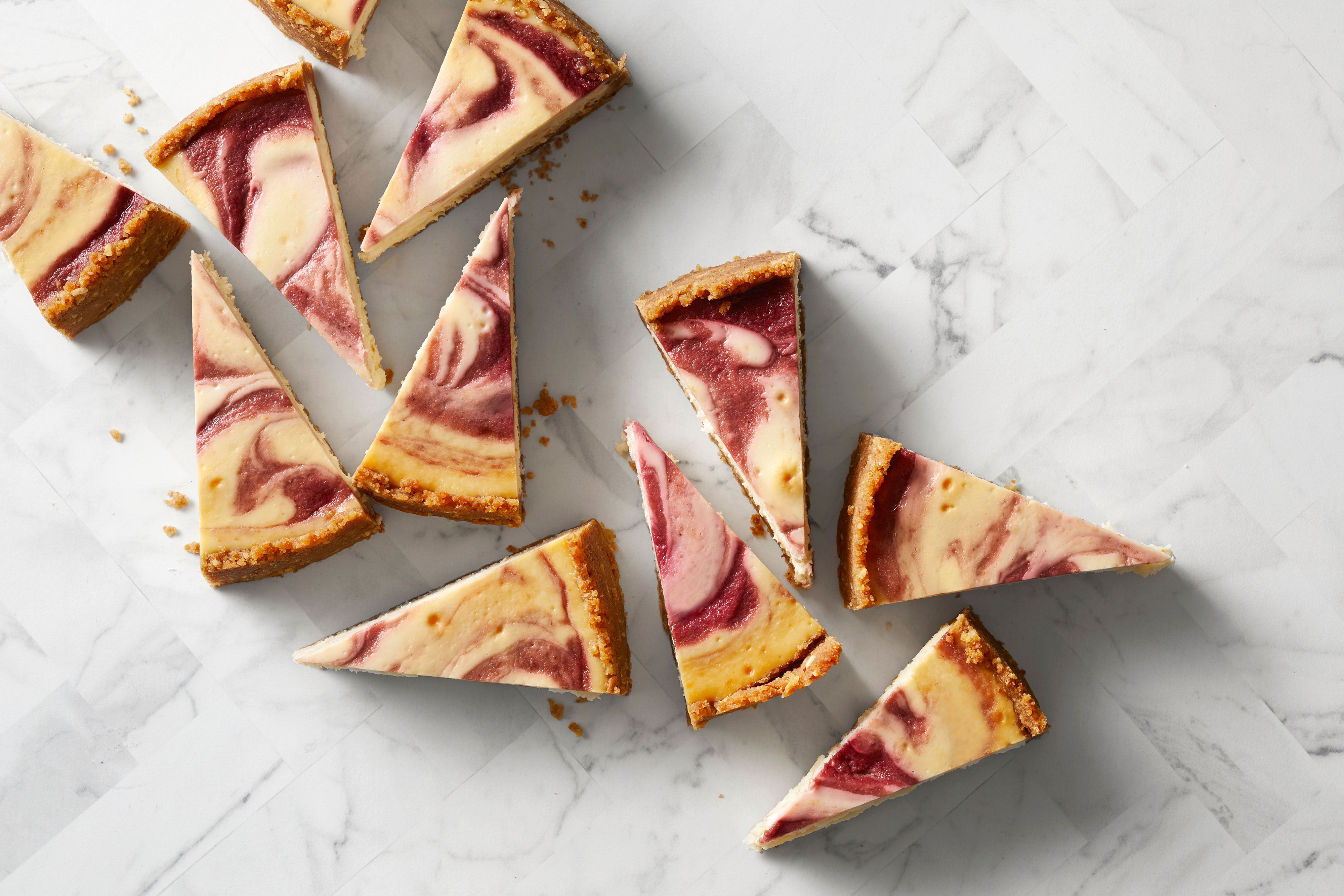
Cheesecake is one of those desserts that somehow manages to feel elegant, nostalgic, dramatic, and deeply comforting all at once. It can show up at birthdays, holidays, brunches, dinner parties, or random Tuesday nights when life has been rude and only cream cheese can fix it. The beauty of cheesecake recipes is that they are wildly adaptable: dense or fluffy, baked or no-bake, plain or piled high with berries, chocolate, caramel, citrus, or cookie crumbs. In other words, cheesecake is not a one-dessert category. It is an entire delicious universe.
If you have ever been intimidated by a springform pan, a water bath, or the possibility of a crack zigzagging across the top like dessert lightning, take a breath. Great cheesecake is less about magic and more about method. Once you understand the core rules, you can make a classic New York-style cheesecake, a lighter no-bake version, rich chocolate cheesecake bars, or a rustic Basque cheesecake with confidence. This guide breaks down the essentials and gives you a collection of cheesecake recipes and variations worth saving, baking, and absolutely bragging about later.
Why Cheesecake Recipes Never Go Out of Style
Cheesecake has range. A classic baked cheesecake delivers that rich, creamy, sliceable texture people expect from a bakery case. No-bake cheesecake feels lighter and easier, especially when warm weather makes turning on the oven feel offensive. Basque cheesecake leans darker, toastier, and moodier, like the cool cousin of traditional cheesecake. Mini cheesecakes are portable, party-friendly, and less likely to trigger serving chaos. Cheesecake bars make it easy to feed a crowd without wrestling with a springform pan.
Another reason cheesecake recipes stay popular is that they balance richness with brightness. Cream cheese brings tang, sugar brings sweetness, and ingredients like sour cream, lemon juice, berries, chocolate, pumpkin, or vanilla add depth. A good cheesecake tastes luxurious, but it should never taste flat. That contrast is what keeps people going back for “just one more sliver,” which is usually a lie and everyone knows it.
The Foundations of a Great Cheesecake
Use room-temperature ingredients
This is the cheesecake rule people ignore right before they start angrily scraping lumpy batter from a bowl. Softened cream cheese blends more smoothly, and room-temperature eggs incorporate more evenly. Cold ingredients fight back. They create lumps, trap air, and make you question your life choices. Let the cream cheese, eggs, and sour cream lose their refrigerator attitude before you begin.
Mix gently, not like you are trying to win a contest
Overmixing is one of the fastest ways to invite cracks. Too much air in the batter causes the cheesecake to puff in the oven and then collapse as it cools. Mix until smooth and combined, then stop. Cheesecake rewards restraint.
Respect the crust
Graham cracker crust is the classic move, and for good reason. It is buttery, toasty, slightly sweet, and easy to pair with almost any filling. But cheesecake recipes also work beautifully with vanilla wafer, Oreo, gingersnap, shortbread, or pretzel crusts. The trick is balance: enough butter to hold together, enough crumbs to stay structured, and a quick pre-bake if you want a firmer, crispier base that will not turn soggy under a rich filling.
Bake for a gentle wobble
The center of a baked cheesecake should still jiggle slightly when it comes out of the oven. Not slosh. Not wave. Just wobble with confidence. Overbaked cheesecake loses its silky texture and is more likely to crack. Underbaked cheesecake stays too loose. The sweet spot is that soft, slightly trembling center that sets fully during cooling and chilling.
Cool slowly and chill thoroughly
Sudden temperature changes can mess with texture and appearance, so let baked cheesecake cool gradually. Then chill it long enough to fully set before slicing. This is the hardest step because your kitchen will smell amazing and your patience will disappear. But warm cheesecake is a trap. Chilled cheesecake slices neatly, tastes richer, and holds its structure like the star it is.
7 Cheesecake Recipes Worth Making Again and Again
1. Classic New York Cheesecake
This is the heavyweight champion of cheesecake recipes: dense, creamy, rich, and just tangy enough to keep it from feeling overly sweet. A classic New York-style cheesecake usually starts with a graham cracker crust and a filling built from full-fat cream cheese, sugar, eggs, vanilla, and sour cream or heavy cream. Some versions add a touch of lemon for brightness.
For the best result, press the crust firmly into the pan, pre-bake it briefly, and bake the filled cheesecake until the edges are set and the center still has a slight jiggle. Chill overnight if possible. Serve plain, with berries, or with a glossy fruit topping if you want the dessert equivalent of a tuxedo with a pocket square.
2. No-Bake Cheesecake
No-bake cheesecake is what you make when you want maximum payoff with minimum oven drama. The texture is lighter and more mousse-like than baked cheesecake, but it still delivers that creamy tang people love. The filling often combines softened cream cheese with sugar, vanilla, and whipped cream or whipped topping for structure and lift.
This is one of the easiest cheesecake recipes for beginners because there is no water bath, no guesswork about doneness, and no “Is this crack supposed to be here?” moment. Top it with strawberries, blueberries, lemon curd, cherry sauce, or crushed cookies. It is especially good for summer gatherings because it feels cool, easy, and a little bit smug in the best way.
3. Basque Cheesecake
If traditional cheesecake is polished and elegant, Basque cheesecake is effortlessly cool. It is crustless, deeply caramelized on top, and intentionally rustic. The high heat gives it a dark exterior while the center stays soft and custardy. Translation: the cracks and color are not flaws. They are the point.
Basque cheesecake recipes are great for bakers who want bold flavor without fussy decoration. The batter is simple, but the result tastes complex because of that bittersweet, toasted top. It is excellent on its own and even better if you let it come closer to room temperature before serving so the texture becomes ultra-creamy.
4. Lemon Berry Cheesecake
This version is bright, fresh, and built for spring and summer. Add lemon zest and a little lemon juice to a classic filling, then top the finished cheesecake with strawberries, blueberries, raspberries, or blackberries. You can go full berry crown if you want it to look like it belongs on a magazine cover.
Lemon berry cheesecake recipes work because they cut through the richness. The citrus sharpens the flavor, while the fruit adds sweetness, acidity, and texture. A blueberry compote or strawberry sauce also does a great job of hiding minor cracks, which means this cheesecake is both beautiful and forgiving. We love a practical dessert.
5. Mini Cheesecakes
Mini cheesecakes are perfect when you want portion control, easier serving, or the illusion that taking two is somehow more reasonable than taking one large slice. These are usually baked in muffin tins lined with paper liners and often start with a quick cookie or graham cracker crust pressed into each cup.
Because they are smaller, they bake faster and chill faster. They are ideal for parties, bake sales, and holidays where dessert tables turn into competitive sports. You can top each one differently to create variety without making multiple full cheesecakes. Try salted caramel, chopped chocolate, berries, crushed peppermint, or pumpkin spice whipped cream.
6. Pumpkin Cheesecake
Pumpkin cheesecake is what happens when classic cheesecake and pumpkin pie decide to join forces and become unstoppable. It blends cream cheese richness with pumpkin puree, warm spices, and a cozy, autumn-ready vibe. A gingersnap crust makes an excellent base here because it adds spice and crunch.
This is one of the best cheesecake recipes for holiday hosting because it can be made ahead, sliced cleanly after chilling, and topped with whipped cream right before serving. It feels familiar enough for traditional dessert lovers but more luxurious than standard pie. In family dessert rankings, this one causes arguments in a productive way.
7. Chocolate Cheesecake Bars
Chocolate cheesecake bars are ideal for people who want cheesecake flavor with a more casual format. They are easier to portion, easier to transport, and easier to justify eating straight from the fridge while “just checking the texture.” A chocolate cookie crust and a cocoa- or melted-chocolate filling create a rich, brownie-adjacent dessert that still has cheesecake’s signature tang.
Bars are also one of the most flexible cheesecake recipe styles. You can marble in peanut butter, add espresso powder for depth, or finish them with ganache if subtlety is not on the schedule. These are a reliable crowd-pleaser because they feel both nostalgic and indulgent.
How to Customize Cheesecake Recipes Without Ruining Them
Cheesecake is flexible, but it still has boundaries. Think of it as a classy dessert with opinions. Flavor additions work best when they do not overload the batter with extra liquid. Citrus zest, spices, cookie crumbs, melted chocolate, fruit swirls, and extracts usually work well. Thin fruit purees, too much juice, or heavy chunks mixed directly into the batter can affect texture.
For toppings, the world opens up. Fresh fruit, pie filling, caramel sauce, lemon curd, ganache, whipped cream, chopped nuts, toasted coconut, cookie butter, and crushed candy all work. If your cheesecake top cracks, congratulations: you now have an excuse to add more toppings. That is not failure. That is strategy.
Common Cheesecake Mistakes and How to Avoid Them
Lumpy filling
Usually caused by cold cream cheese. Fix it by softening your ingredients and mixing the cream cheese until smooth before adding eggs.
Cracked top
This often comes from overmixing, overbaking, or cooling too quickly. A water bath, steam, gentle mixing, and gradual cooling all help.
Soggy crust
Wrap the pan carefully if using a water bath, pre-bake the crust, and avoid excess butter in the crumb mixture.
Cheesecake that will not set
It may be underbaked or underchilled. Baked cheesecake needs time to finish setting as it cools, and both baked and no-bake versions need a full chill for the best slice.
Serving and Storing Cheesecake
Cheesecake is usually better the next day, which makes it one of the smartest desserts for entertaining. Bake it ahead, chill it well, and garnish close to serving time. To slice cleanly, use a thin knife dipped in hot water and wiped dry between cuts. Yes, it is a little extra. Yes, it is worth it.
Store cheesecake covered in the refrigerator. Plain cheesecakes hold up especially well, while fruit-topped versions are best served sooner. If you want to freeze cheesecake, do it without delicate toppings, wrap it tightly, and thaw it in the refrigerator before serving. Cheesecake likes planning ahead. Honestly, we should all be taking notes.
Cheesecake Experiences From Real Life, Real Kitchens, and Very Real Cravings
The funny thing about cheesecake recipes is that they are rarely just about dessert. They become tied to occasions, kitchen rituals, family preferences, and the small dramas that happen whenever people care deeply about food. Ask almost anyone who bakes cheesecake regularly, and they will tell you a story before they tell you a method. There is the first cheesecake that cracked down the middle but still got demolished at the party. There is the holiday cheesecake that had to cool on the counter while three people kept “walking by” and sneaking bites of topping. There is the one that looked a little wonky but tasted so good nobody cared after the first forkful.
One of the most memorable things about making cheesecake is how it changes the pace of baking. Cookies are fast. Sheet cakes are casual. Cheesecake asks you to slow down. You soften ingredients. You line a pan. You wait for the center to wobble just right. You chill it for hours, sometimes overnight, while trying not to open the refrigerator every twenty minutes like that will somehow speed up time. It feels more like a project than a shortcut, but that is part of the charm. Cheesecake makes you participate.
There is also something deeply satisfying about learning your own cheesecake style. Some bakers become loyal to the dense New York version and refuse to apologize for it. Others fall for no-bake cheesecakes because they are simple, creamy, and ideal for warm-weather desserts. Some get hooked on Basque cheesecake because it removes the pressure to look perfect. Burnt top? Wrinkled edges? Great. That is the aesthetic. Suddenly the dessert is not fragile or fussy. It is bold and relaxed.
Cheesecake is also one of those desserts that teaches confidence. The first time you use a water bath, it can feel unnecessarily dramatic, like your dessert has spa requirements. But once you understand what helps texture, what causes cracks, and how cooling affects the final result, cheesecake becomes much less mysterious. You stop panicking. You start noticing details. You realize that even an imperfect cheesecake is still, in most cases, a deeply enjoyable situation.
Then there is the serving moment, which may be the best part. Cheesecake always gets a reaction. People lean in. They inspect the topping. They ask what kind it is before you even put the plate down. A good cheesecake slice feels generous, even when it is small, because the flavor is rich and memorable. It is one of the few desserts that can feel fancy at a celebration and comforting at a family dinner without changing its personality.
That is why cheesecake recipes keep earning a permanent place in home kitchens. They are not just formulas for cream cheese and sugar. They are recipes for occasions, habits, little victories, and second slices disguised as “tiny slivers.” They remind us that dessert can be impressive without being impossible, and that sometimes the most satisfying thing you can make is the one dessert that asks for a little patience and rewards you with a lot of joy.
Conclusion
The best cheesecake recipes are the ones that match the moment. Want something timeless and luxurious? Make a classic New York cheesecake. Need a simple crowd-pleaser? Go for no-bake or cheesecake bars. Want drama with less fuss? Basque cheesecake is waiting. Once you understand the basicsroom-temperature ingredients, gentle mixing, careful baking, and a proper chillyou can turn cheesecake from an intimidating dessert into one of the most dependable, flexible recipes in your kitchen.
And that is the real magic of cheesecake: it can be classic, trendy, rustic, elegant, fruity, chocolatey, holiday-ready, or weeknight-friendly, all while still being unmistakably cheesecake. Not bad for a dessert whose main personality trait is basically “I brought cream cheese and confidence.”