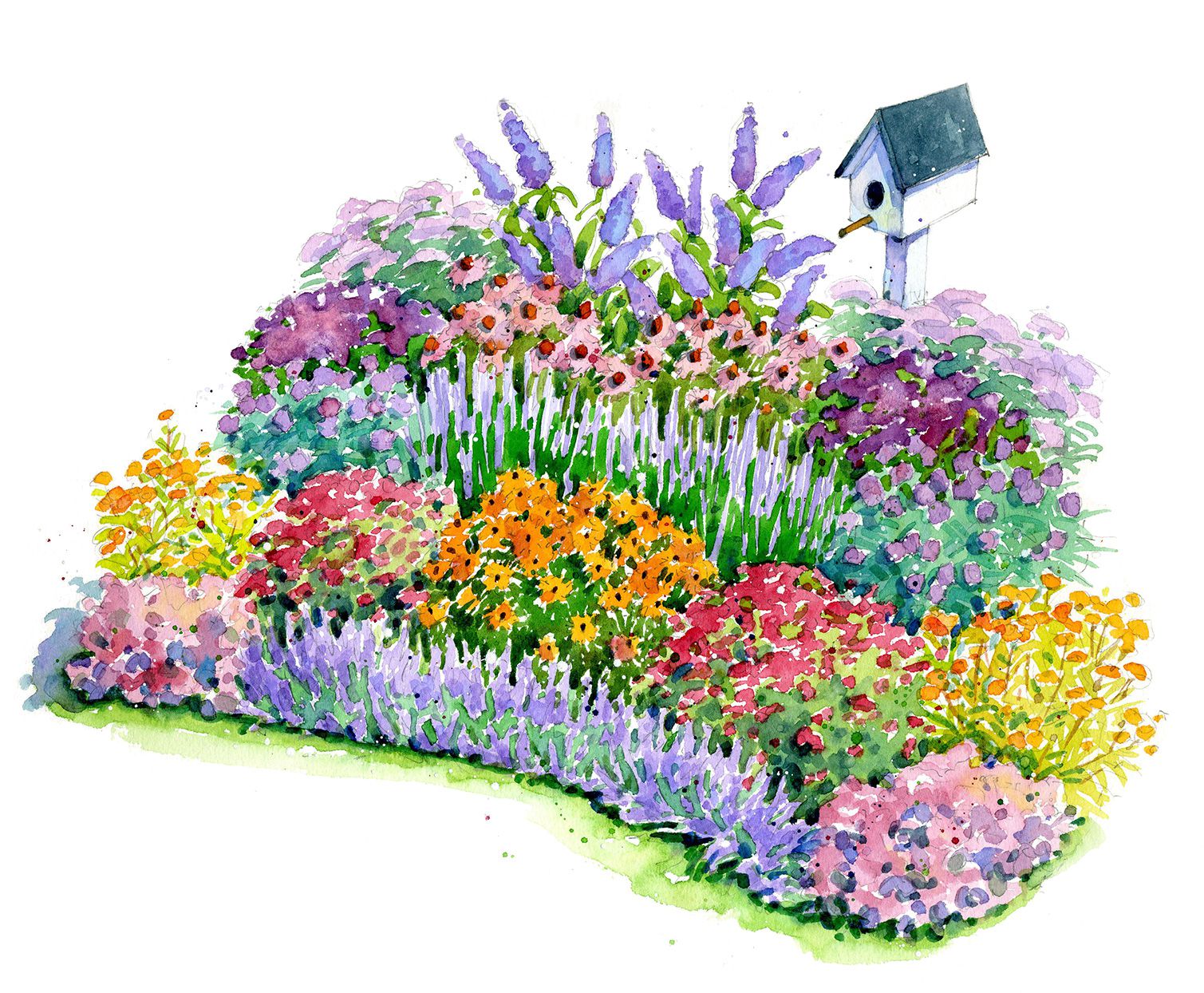
Want more birds. More butterflies. Less fuss. Same. The goal of this garden plan is simple: create a small, tidy, low-maintenance “buffet + safe house” that works in most U.S. backyardswithout turning your weekends into an unpaid landscaping internship.
This plan focuses on three things wildlife actually needs: food (nectar, seeds, berries, insects), water, and shelter. Do those well and your yard becomes a pit stop for winged visitorssongbirds, swallowtails, monarchs, skippers, and all the tiny pollinator coworkers that keep the world running while we argue about mulch colors.
Why Birds and Butterflies Love the Same Garden
Birds and butterflies overlap more than you’d think. Butterflies need nectar as adults and specific host plants for their caterpillars. Birds need cover, water, and protein-rich insectsmany of which show up when you plant native flowers and shrubs. Translation: when you build a good pollinator garden, you’re quietly building a better bird habitat, too.
The No-Fuss Rules (So This Garden Doesn’t Become “A Whole Thing”)
- Go native when possible: Native plants are adapted to local weather and tend to need less babysitting once established.
- Plant for continuous bloom: Aim for flowers from spring through fall so butterflies don’t show up to an empty pantry.
- Plant in clumps, not singles: Big “targets” are easier for pollinators to find than one lonely flower hiding in the landscaping.
- Skip pesticides (especially insecticides): If you want butterflies, you can’t also want a caterpillar-free universe. Caterpillars are literally the point.
- Prioritize structure: Layered plants (groundcovers + flowers + shrubs + small trees) help birds feel safe and stick around.
The Perfect Size and Shape
Best beginner footprint: a 10′ x 12′ bed (or any shape around 100–150 sq ft). Big enough to make an impact, small enough that you won’t need a snack break halfway through weeding.
Sun vs. Shade (Pick the Right Plan)
This plan is written for full sun (6+ hours/day), because most top nectar plants bloom best there. If you’ve got part shade, you can still do thisswap in the shade-friendly alternatives listed below.
The Layout: One Bed, Three Zones
Think of your garden like a tiny outdoor theater:
- Back row (tall): shrubs + tall perennials (shelter, berries, height)
- Middle row (medium): long-blooming nectar plants
- Front row (low): edging plants + “landing pad” flowers and herbs
Placement tip: Put the tallest plants on the north/west side of the bed (if you can) so they don’t shade everything else. If the bed sits against a fence, the fence becomes instant “back row.” Easy win.
The Plant List: A Simple, Reliable Mix
Below is a “starter cast” that works in many U.S. regions. The smartest move is to choose native versions (or closely related natives) sold for your area. When in doubt, your local extension office or native plant society usually has region-specific suggestions.
Back Row: Shelter + Season-Long Value (Choose 2–3)
- Serviceberry (Amelanchier): spring flowers, summer berries, good structure
- Native viburnum (Viburnum spp.): flowers + berries + cover
- Buttonbush (Cephalanthus occidentalis): loves moisture; fantastic pollinator shrub
- Red-twig dogwood (Cornus sericea): winter interest + cover (best in cooler zones)
- Dwarf native shrubs (region-dependent): low-maintenance “thicket” effect birds love
Middle Row: Nectar Powerhouses (Choose 5–7)
- Purple coneflower (Echinacea): nectar + seed heads for birds later
- Bee balm / wild bergamot (Monarda): pollinator magnet, fragrant, bold
- Blazing star (Liatris): summer blooms butterflies adore
- Black-eyed Susan (Rudbeckia): tough, cheerful, long bloom
- Asters (Symphyotrichum): critical late-season nectar
- Goldenrod (Solidago): also late-season MVP (and no, it’s not the main allergy villain)
- Coreopsis: early-to-mid season color, low fuss
Front Row: Easy Edging + “Landing Pads” (Choose 3–5)
- Milkweed (Asclepias spp.): monarch host plant; also nectar for many insects
- Lavender (where hardy): pollinator favorite, tidy shape
- Yarrow (Achillea): drought tolerant, long bloom
- Herb host plants: dill, fennel, parsley (swallowtail caterpillar snacks)
- Low native grasses/sedges: add texture and nesting/cover opportunities
Shade-Friendly Substitutions (If You Have 3–5 Hours of Sun)
- Columbine (Aquilegia): spring blooms in partial shade
- Coral bells (Heuchera): tidy foliage, small flowers, good edging
- Native woodland asters (region-specific): late-season nectar
- Spicebush (Lindera benzoin): shrub host for spicebush swallowtail in many eastern areas
The “Perfect Plan” Planting Map (Example for a 10′ x 12′ Bed)
Here’s a clean, no-fuss layout that looks intentional (even if you planted it while holding a coffee and questionable optimism):
Back Row (3 clusters)
- 2 shrubs spaced ~4–6 ft apart (depending on shrub size)
- 1 tall perennial cluster between shrubs (goldenrod or tall aster)
Middle Row (5 clusters)
- 2 clusters of coneflower (3 plants per cluster)
- 1 cluster of bee balm (3 plants)
- 1 cluster of blazing star (5–7 corms/plants for a bold look)
- 1 cluster of black-eyed Susan (3 plants)
Front Row (4 clusters + edging)
- 1 cluster of milkweed (3 plants, spaced 1–2 ft apart depending on species)
- 1 cluster of yarrow (3 plants)
- 1 herb trio (dill/fennel/parsley)
- 1 low grass/sedge strip for a neat border look
Design trick: Repeat 2–3 plants across the bed (like coneflower + aster + milkweed). Repetition makes it look planned, not “I bought whatever was closest to the garden center checkout.”
Water: The Small Add-On That Changes Everything
You don’t need a pond. You need reliable sips.
- Bird option: a shallow birdbath in partial shade, cleaned and refilled regularly.
- Butterfly option: a shallow dish with pebbles (landing spots) so insects can drink safely.
- Bonus: a small dripper or bubbler can attract birds by sound.
Shelter: The Secret Sauce for “They Actually Stay Here”
Food attracts visitors. Shelter convinces them to move in (or at least RSVP more often).
- Layer vegetation: mix groundcover, flowers, shrubs, and (if possible) a small tree.
- Leave some leaf litter: many pollinators overwinter in plant debris. A “clean” garden can be a lifeless garden.
- Add a brush pile: birds use brush piles for hiding and warmth, especially in winter.
- Keep one “wild corner”: even a 2′ x 2′ area of stems/leaves can help insects survive.
Butterflies Need Host Plants (Yes, Caterpillars Will Eat Things)
If your garden only has nectar flowers, you’ll see butterflies visitingbut you may not see the full life cycle. For more butterflies over time, include host plants where they lay eggs.
Easy Host Plant Picks
- Milkweed: monarch caterpillars require it.
- Dill/fennel/parsley: common host plants for swallowtail caterpillars.
- Native grasses: host plants for many skipper species.
Reality check: A few chewed leaves are not a problem. They’re proof your garden is doing its job.
Step-by-Step: Install This Garden in a Weekend (Mostly)
Step 1: Pick the Spot (Simple Criteria)
- Sunny, ideally protected from strong wind
- Near a hose (future-you will thank you)
- Visible from a window or patio so you actually enjoy it
Step 2: Mark the Bed and Remove Grass
Outline the shape with a hose or rope. For the lowest-effort grass removal: cut sod, or sheet-mulch with cardboard + compost + mulch (it’s like lasagna, but for people who prefer plants to pasta).
Step 3: Improve Soil the Lazy-Smart Way
Add 2–3 inches of compost and mix it into the top layer. Skip heavy fertilizer. Many native perennials don’t want a buffetjust decent soil and drainage.
Step 4: Plant in Clumps
Group the same species in clusters. This looks better, helps pollinators find plants, and makes maintenance easier because you’re not hunting down one plant like it owes you money.
Step 5: Mulch Like You Mean It
Mulch 2–3 inches deep (keep it off plant crowns). Mulch saves water, reduces weeds, and gives your bed the “I have my life together” look.
Step 6: Water for Establishment, Then Ease Off
For the first 6–8 weeks, water deeply 1–2 times per week (depending on heat and rainfall). After the first season, many perennials can handle typical dry spells with occasional deep watering.
Maintenance: The No-Fuss Calendar
Spring (30 minutes + coffee)
- Cut back last year’s stems (leave some hollow stems if you can; they’re insect condos)
- Top up mulch lightly
- Divide or thin anything that’s gotten too enthusiastic
Summer (10 minutes a week)
- Water deeply during dry spells
- Pull weeds while they’re small (the only time weeds are emotionally manageable)
- Deadhead selectively if you want longer bloombut it’s optional
Fall (do less, help more)
- Leave some seed heads for birds
- Leave some leaf litter and stems for overwintering pollinators
- Cut back only what flops into paths or looks truly chaotic
Common Mistakes (and the Easy Fix)
Mistake 1: Only planting pretty nectar flowers
Fix: Add host plants (milkweed + herbs + native grasses). More life cycles = more butterflies.
Mistake 2: One big bloom moment, then nothing
Fix: Include early bloomers (coreopsis), mid-season stars (coneflower/bee balm), and fall finishers (asters/goldenrod).
Mistake 3: Over-cleaning in fall
Fix: Leave stems/leaves in place in at least part of the bed. It supports winter survival for beneficial insects.
Mistake 4: “Just a little” insecticide
Fix: Don’t. Use physical removal, tolerate some damage, and let beneficial insects do the balancing.
How to Make It Look Neat (So Your Neighbors Don’t Stage an Intervention)
- Edge the bed: crisp edges instantly look intentional.
- Use a simple border: low grasses or a row of tidy plants makes the whole bed look polished.
- Add one focal point: a birdbath, flat stone, or small bench makes it feel designed.
What Success Looks Like (Hint: It’s Not Perfection)
Success is:
- Butterflies visiting flowers regularly
- Birds using shrubs as cover, then popping out to feed
- Bees and beneficial insects working your blooms
- A few chewed leaves and seed heads (a.k.a. “evidence of life”)
Real-World Experiences: What People Notice When They Build This Garden (500+ Words)
Most gardeners expect a wildlife garden to feel instantly magicallike the moment you plant milkweed, a monarch arrives wearing a tiny crown and a sash that says “Thank You For Your Service.” In reality, the first season often comes with a very normal (and secretly reassuring) set of experiences.
First, the “awkward phase” is real. New plantings can look sparse for a while, especially if you’ve planted small perennials. Many people worry they did something wrong because the bed doesn’t look lush by week two. But as roots establish, growth usually accelerates. A lot of gardeners report the same pattern: year one looks like a promising draft, year two looks like a garden, and year three looks like you hired someone (you didn’tyou just waited).
Second, you’ll start spotting “tiny victories” before the big ones. Early on, you may notice more native bees, hoverflies, and small butterflies before you see the dramatic, postcard-style monarch moment. That’s still a win. Those smaller pollinators are doing critical work, and they tend to arrive as soon as they can find steady blooms and safe habitat. If you planted in clumps, those clumps act like neon signs: “Food here!”
Third, the caterpillar panic happens to almost everyone. A common experience is noticing holes in leaves and assuming something is “wrong,” then realizing you built a butterfly gardenso the leaf damage is actually the point. Gardeners often shift from “Oh no, something is eating my plants” to “Oh yes, something is eating my plants,” which is a very specific emotional journey. Host plants (like milkweed and parsley-family herbs) can look rough at times. That’s normal. Many people find it helps to plant a little extra so you’re not stressing over every missing leaf.
Fourth, birds behave differently once the structure fills in. People often report that birds don’t just visitthey start using the garden. Shrubs become cover, perennials become perches, and seed heads become snack bars. You might notice birds hopping in and out of the bed, especially in the morning and late afternoon. Over time, a layered planting can change your yard’s “feel” for birds: it becomes safer. That safety is what turns quick fly-bys into regular appearances.
Fifth, a water source is a “multiplier.” Gardeners who add a simple birdbath or shallow pebble dish often say it increases visits dramatically, especially during warm or dry periods. It’s not just about thirstwater also supports bathing, which birds use to maintain feathers. Butterflies and bees use shallow water sources too (especially if there are pebbles or stones to land on). It’s one of the simplest upgrades that feels like it shouldn’t matter as much as it doesuntil it does.
Finally, the garden often changes how people use their space. A surprisingly common experience is that once wildlife shows up, you start paying attention morewatching who visits which flowers, noticing bloom timing, and making small “low-fuss” adjustments (like adding more asters for fall or repeating the plants butterflies seem to prefer). The garden becomes less of a chore and more of a daily moment. Not because it’s perfect, but because it’s alive. And honestly, that’s the whole point.
Conclusion
The perfect, no-fuss bird and butterfly garden isn’t a complicated formulait’s a smart combination of native (or locally adapted) plants, continuous blooms, host plants, clean water, and safe shelter. Start with one modest bed, plant in clumps, mulch well, and resist the urge to “sanitize” nature with chemicals or over-cleaning. Give it one season to establish, and you’ll be rewarded with the kind of backyard activity that makes your morning coffee feel like a front-row seat.