There are few beauty moments more humbling than realizing your waterproof mascara is still clinging to your lashes like it signed a year-long leaseright when your makeup remover bottle is empty. One minute you are ready for bed, the next you are squinting into the mirror with raccoon eyes, a cotton pad, and the energy of someone negotiating with a tiny waterproof villain.
The good news is that you do not need a fancy bottle labeled “eye makeup remover” to get the job done. In many cases, you can remove waterproof mascara with products you probably already have at home, as long as you choose the right texture and use a gentle technique. The secret is not brute force. It is patience, softness, and using something that can break down the water-resistant film without rough tugging.
In this guide, you will learn how to remove waterproof mascara without makeup remover, which household alternatives work best, what mistakes to avoid, and how to protect your lashes and the delicate skin around your eyes while you do it.
Why Waterproof Mascara Is So Hard to Remove
Waterproof mascara is designed to resist tears, sweat, humidity, and facial oil. That is wonderful when you are crying at a wedding, sitting through a hot commute, or watching a season finale that emotionally attacked you for no reason. It is less wonderful at 11:48 p.m. when your usual remover is gone.
Most waterproof formulas rely on waxes, film-forming ingredients, and oils that create a stubborn coat around each lash. That means plain water usually does very little, and aggressive scrubbing can do too much. If you rub hard enough to remove the mascara, you may also irritate your eyelids, smear pigment into the lash line, and pull out lashes that were minding their own business.
That is why the best alternative methods usually involve something oily, creamy, or balm-like. In short: waterproof mascara wants a lipid, not a wrestling match.
The Golden Rules Before You Start
Before you grab the nearest kitchen ingredient and start swiping, keep these basics in mind:
- Wash your hands first so you are not transferring dirt or bacteria to the eye area.
- Use a soft cotton pad, cotton swab, or clean washcloth instead of anything rough or scratchy.
- Press and hold before wiping. Let the product do the work.
- Never scrub hard. The skin around your eyes is delicate and lashes are easier to damage than most people think.
- Rinse off residue afterward with a gentle cleanser or lukewarm water.
If your eyes are already red, stinging, swollen, or irritated, keep things extra simple and gentle. And if makeup gets directly into your eye and causes significant discomfort, stop and rinse thoroughly with clean lukewarm water.
Best Ways to Remove Waterproof Mascara Without Makeup Remover
1. Coconut Oil
Coconut oil is one of the most popular at-home options because it is rich, slippery, and effective at loosening long-wear mascara. It coats the lashes, softens the dried formula, and helps it slide away with less friction. That is the dream.
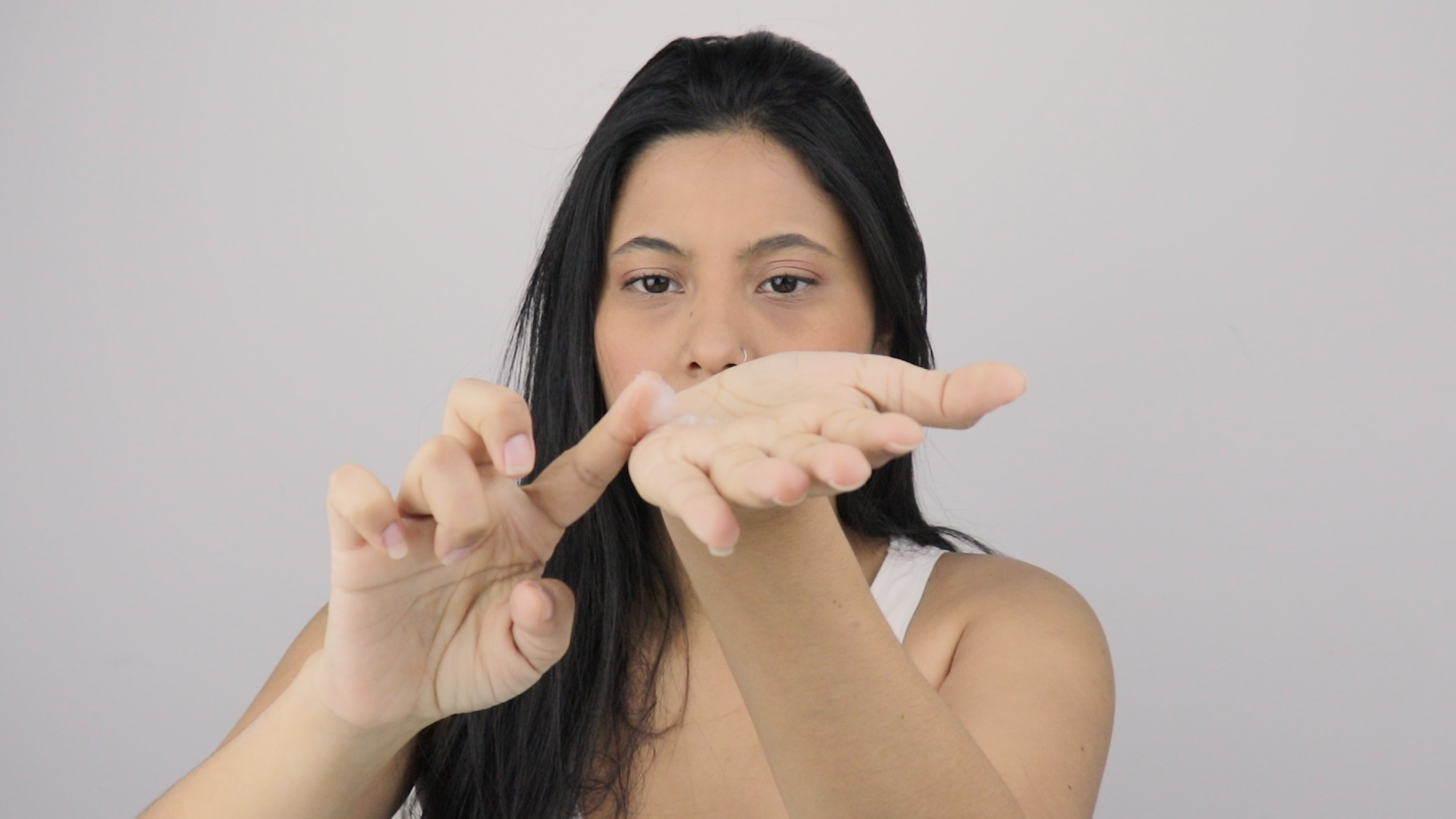
How to use it: Scoop out a very small amount, warm it between clean fingers, then apply it to closed lashes with your fingertips or a cotton swab. Let it sit for about 20 to 30 seconds. Gently wipe downward with a soft cotton pad. Repeat if needed, then wash your face with a gentle cleanser.
Best for: Dry skin, normal skin, and anyone who wants a simple, effective fix.
Watch out for: If you are acne-prone, use a tiny amount and keep it mainly on the lash area rather than spreading it all over your face.
2. Olive Oil
Yes, the same olive oil sitting in your kitchen can help in a pinch. Because it is a lipid, it can dissolve the kind of water-resistant coating that makes waterproof mascara so stubborn. It is not glamorous, but it works.
How to use it: Put a few drops on a cotton pad or soft washcloth. Press it gently onto closed lashes for 30 seconds, then wipe downward and outward. Use a fresh part of the pad for the second pass so you are not redepositing mascara. Finish by washing off the leftover oil.
Best for: Emergencies, travel situations, and “I have literally nothing else” nights.
Watch out for: Olive oil can feel heavy and may not be ideal for oily or breakout-prone skin. Use just enough to coat the lashes, not enough to marinate your whole eye area.
3. Petroleum Jelly
Petroleum jelly is another solid option because it is excellent at breaking down stubborn makeup while also cushioning the thin skin around the eyes. It is especially helpful if your eyelids already feel dry or sensitive.
How to use it: Dab a rice-grain-sized amount onto a cotton swab or fingertip and smooth it over closed lashes. Let it sit briefly, then wipe away with a soft cotton pad or damp cloth. Follow with a gentle face wash to remove residue.
Best for: Sensitive eyelids, dry skin, and people who want a gentle, no-drama method.
Watch out for: Use a light hand. Too much can feel greasy and leave a film that begs for a second cleanse.
4. Cold Cream or a Thick Fragrance-Free Moisturizer
If you do not have remover, but you do have a classic cold cream or a rich, fragrance-free face cream, you are still in business. Cream-based products can help loosen waterproof mascara while adding slip, which means less tugging and fewer aggressive passes.
How to use it: Apply a small amount over closed lids and lashes. Massage gently for a few seconds, then wipe away with a soft damp cloth. Rinse and follow with a gentle cleanser if needed.
Best for: Dry or mature skin, and anyone whose eye area feels tight after cleansing.
Watch out for: Skip strong fragrances or heavily active formulas near the eye area. Your eyelids do not need a retinol pep talk at bedtime.
5. A Gentle Facial Cleansing Oil or Cleansing Balm
This is technically not a dedicated makeup remover, which means it still counts for this article and still saves the day. If you already use a cleansing oil or balm as your face wash, it may be the easiest solution of all.
How to use it: Massage a small amount onto dry skin and closed lashes. Let it sit for a few seconds, then add a little lukewarm water if the product emulsifies. Wipe clean with a soft cloth and rinse thoroughly.
Best for: Full-face makeup wearers and anyone who prefers a one-step evening cleanse.
Watch out for: Some lighter cleansers do not fully dissolve heavy waterproof formulas on the first try, so be prepared to repeat one gentle round instead of scrubbing.
The Step-by-Step Method That Works Best
If you want the safest and most reliable process, use this universal method:
- Choose your product: coconut oil, olive oil, petroleum jelly, cold cream, or cleansing balm.
- Apply a small amount to a cotton pad, cotton swab, or clean fingertip.
- Close your eye and press the product onto your lashes for 20 to 30 seconds. For very stubborn mascara, go closer to 45 seconds.
- Wipe downward gently, following the direction of your lashes.
- Use a clean cotton swab to lift leftover bits near the lash line.
- Rinse with lukewarm water and wash with a gentle cleanser to remove residue.
- Pat dry. Do not rub.
The biggest difference between success and frustration is usually the waiting step. Most people start wiping too soon, then assume the product “isn’t working,” and go into scrub mode. Resist that urge. Let the oil or cream sit long enough to soften the mascara first.
What Not to Do
When you are tired, annoyed, and two seconds away from using hand soap, it helps to remember what not to do.
Do Not Scrub Back and Forth
This can irritate the eyelids, smear pigment into the eyes, and increase lash breakage. Gentle downward motions are much kinder.
Do Not Use Harsh Soap Around the Eyes
Bar soap, strong facial cleansers, and anything heavily fragranced can sting and dry out the skin. Waterproof mascara is stubborn enough without adding a burning eye situation.
Do Not Use Hot Water as Your Main Strategy
Warm water can help soften product slightly, but it usually will not remove waterproof mascara on its own. Hot water also tends to make the eye area feel more irritated, not less.
Do Not Pick at Dry Mascara Flakes
Once mascara dries down, picking at it is basically inviting lash fallout. If flakes remain, reapply a little oil or cream and loosen them properly.
Which Option Is Best for Your Skin Type?
Dry or sensitive skin: Petroleum jelly, cold cream, or a thick fragrance-free moisturizer usually feels the gentlest.
Normal skin: Coconut oil or a cleansing balm tends to strike a great balance between effectiveness and comfort.
Oily or acne-prone skin: Use the smallest amount possible of olive oil or coconut oil, then follow with a gentle face cleanser so residue does not linger.
Travel or emergency situations: Olive oil is the classic backup plan because it is often easier to find than a cleansing balm at midnight in a hotel room.
How to Keep Your Lashes Healthy
Removing mascara is not just about getting clean. It is also about keeping your lashes from becoming brittle, sparse, or weak over time.
Here are a few easy habits that help:
- Do not wear waterproof mascara every single day unless you truly need it.
- Use a lash primer or a regular mascara base underneath waterproof formulas if you wear them often.
- Take your eye makeup off every night, even when your bed is calling your name like a siren.
- Replace old mascara regularly and avoid sharing it.
- If your eyes react to a product, stop using it and switch formulas.
The healthier your lashes are to begin with, the easier the whole removal process becomes.
Troubleshooting Stubborn Waterproof Mascara
If Mascara Is Still There After One Round
Do not scrub harder. Repeat the same process with a fresh cotton pad and a little more product. Often the second gentle pass works better than one aggressive attempt.
If Your Eyes Feel Oily Afterward
Follow with a mild cleanser or a soft damp cloth. A double cleanse can help remove leftover oil without irritating the eye area.
If Your Lash Line Still Looks Smudged
Wrap a tiny amount of product on a cotton swab and run it gently along the base of the lashes. That usually removes the last stubborn trace.
If Your Eyes Sting
Stop, rinse with clean lukewarm water, and keep the routine simple. Fragrance-free products are often the safest choice when the eye area is feeling reactive.
Real-Life Experiences With Removing Waterproof Mascara Without Makeup Remover
Now for the part nobody talks about enough: the experience. Not the polished, “apply product and wipe away effortlessly” version, but the real human version. The tired version. The version where you are standing in pajamas under unflattering bathroom lighting wondering why your lashes look like they have been laminated by a tiny construction crew.
One of the most common experiences is the panic moment. You reach for your usual remover, discover the bottle is empty, and immediately consider terrible choices. This is how people end up trying plain face wash three times in a row, getting nowhere, and then rubbing harder out of frustration. The result is usually red eyelids, smudged black half-moons under the eyes, and a strong desire to blame the mascara manufacturer personally. The big lesson from this experience is simple: when water fails, switch to something oily or creamy fast. Do not keep escalating the violence.
Another familiar experience is the “olive oil miracle.” It sounds too random to work, especially if it came from your kitchen instead of your vanity, but a small amount can genuinely save the night. The first swipe usually feels suspiciously effective, which is both thrilling and a little insulting if you spent money on specialty products last month. But people often learn the second lesson here too: olive oil works best when used sparingly. Too much turns your face into a shiny salad and creates a second cleanup project.
Then there is the petroleum jelly experience, also known as the softest route for people whose eyelids are already dry or cranky. It tends to feel gentler, less stingy, and more forgiving than many improvised options. The downside is that it can leave residue if you pile it on like frosting. People often discover that a tiny amount goes much farther than expected. With petroleum jelly, the best results usually come from patience, not quantity.
Many people also describe the “I thought I got it all, then woke up looking haunted” experience. You wash your face, dry off, look in the mirror, and think the job is done. Morning arrives, and suddenly there is a charcoal-gray shadow parked under your lower lashes like a reminder from last night’s poor planning. That usually means there was still product clinging to the lash line. A cotton swab pass along the roots of the lashes can make a huge difference and save you from mystery smudges on your pillowcase.
Finally, there is the experience that changes people’s entire mascara strategy: realizing that removal technique matters more than remover brand. Once you learn to press, wait, and wipe gently, the process gets easier, lashes shed less, and the whole routine becomes less dramatic. Ironically, the most useful beauty lesson here is not about buying more products. It is about slowing down for 30 seconds and letting the product break down the mascara before your hands take over.
So yes, running out of makeup remover is annoying. But it does not have to become a bedtime tragedy. With the right household alternative and a gentler approach, you can remove waterproof mascara, keep your lashes intact, and avoid ending the day looking like a defeated panda in a bathrobe.
Final Thoughts
If you have been wondering how to remove waterproof mascara without makeup remover, the answer is refreshingly practical: use a gentle oil, balm, cream, or petroleum-based product, let it sit, and wipe it away softly. Coconut oil, olive oil, petroleum jelly, and fragrance-free cold cream are all solid backup options when used carefully.
The biggest mistake is trying to rush the process. Waterproof mascara was designed to stay put, so a little patience goes much farther than aggressive rubbing ever will. Treat your lashes kindly, cleanse off the residue, and save the dramatic energy for your eye makeupnot the removal process.
Note: This article is for informational purposes only. If you develop ongoing redness, swelling, eye pain, discharge, or significant irritation, check with a licensed healthcare professional or eye doctor.