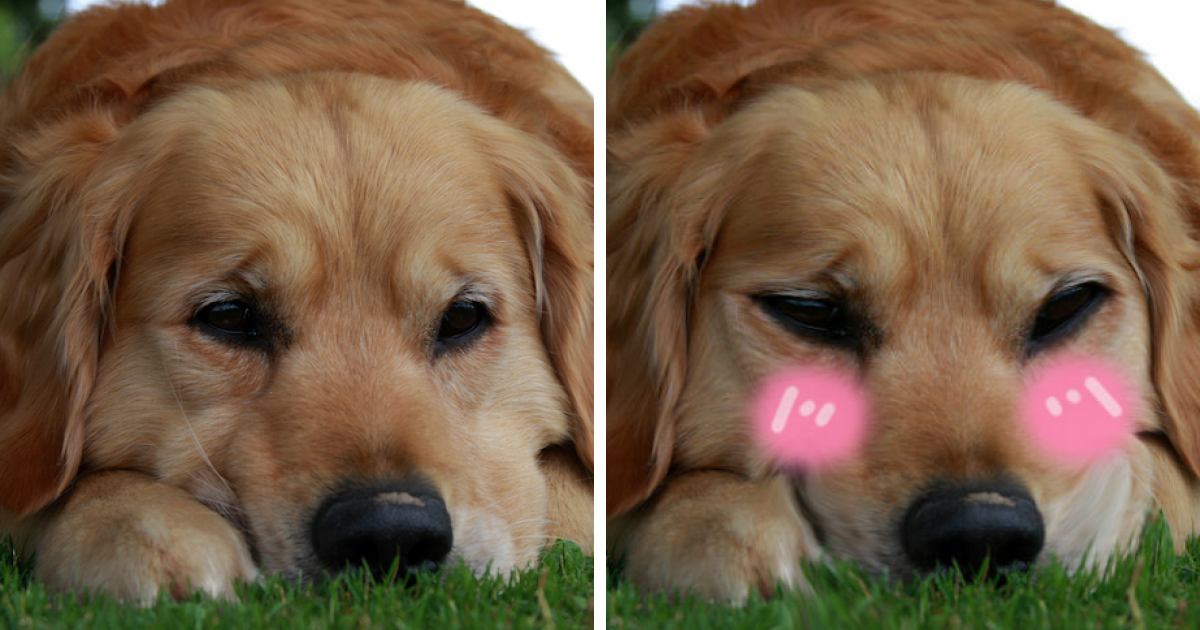
There are few internet prompts more irresistible than this one: a slightly glum dog, a blank editing canvas, and a crowd of creative humans ready to fix the mood with pixels, jokes, and just enough chaos to make the comment section bark with delight. “Hey Pandas, Make This Dog Happy Again By Photoshoping It” works because it combines three things people never seem to tire of: dogs, humor, and the fantasy that one clever edit can turn a rainy-day pup into the CEO of joy.
But the best versions of this challenge are not just random sticker explosions and rainbow nonsense. The strongest edits borrow from real pet photography, real dog behavior cues, and real Photoshop techniques. In other words, if you want to make a dog look happier, you do not start by pasting sunglasses on its face and calling it a day. Tempting, yes. Correct, not always.
A more effective approach is to understand what people read as “happy” in a dog photo: relaxed eyes, soft facial tension, an inviting setting, playful energy, and visual storytelling that suggests comfort instead of stress. Once you understand those ingredients, you can build an image that feels warm, funny, and surprisingly believable, even if the final result includes a skateboard, a taco truck, and a golden crown.
Why This Kind of Photoshop Challenge Works So Well
At its core, this prompt is a storytelling challenge dressed up as a meme. The original image usually gives you one emotional note: a dog that looks bored, unimpressed, suspicious, or downright offended by existence. The editor’s job is to flip that feeling without losing the dog’s personality. That is what makes the game fun. You are not erasing the dog. You are giving the dog a better day.
That is also why the best edits are rarely the loudest ones. A thousand floating balloons can be funny, sure, but a carefully edited scene that places the dog in a sunlit field, a backseat full of cheeseburgers, or a winner’s podium for “Most Dramatic Face in North America” often lands harder. Good humor needs contrast. The sadder the starting expression, the more satisfying the visual comeback.
This challenge also taps into the same energy that makes community-driven pet content so shareable: people love to project tiny stories onto dogs. One tilted ear becomes confusion. One half-closed eye becomes judgment. One dramatic sigh becomes “I have seen things.” Editing gives that impulse a creative outlet, and suddenly one moody dog becomes a movie star, a vacation icon, or the happiest mayor of a fake beach town.
What a “Happy Dog” Actually Looks Like in Photos
Before you edit, it helps to know what viewers naturally interpret as canine happiness. A happy-looking dog usually reads as relaxed rather than stiff. The eyes appear softer, not hard or fixated. The ears often sit in a neutral or easy position rather than pinned back in tension. The body looks loose, open, and comfortable. If the mouth is open, it tends to look natural and easy, not forced into a strange grin that makes the dog look like it just heard tax news.
Soft Eyes Beat a Fake Smile
Humans love to look for “smiles” in dogs, but what really sells a positive expression is softness. Bright but gentle eyes, a little catchlight, and a face without visible tension usually do more than trying to warp the mouth into a cartoon grin. In editing terms, that means subtle brightening around the eyes, better contrast, and careful sharpening can do more emotional work than heavy-handed liquify tools.
Body Language Matters More Than One Facial Feature
A wagging tail alone does not automatically mean a dog is happy, and the same goes for one visual cue in a still photo. Viewers read the whole scene: posture, angle, environment, and context. A dog with relaxed shoulders in a sunny park looks more comfortable than the same dog on a dark floor with clutter behind it. Sometimes the quickest route to a “happy dog” image is not changing the dog at all. It is changing everything around the dog.
Playful Context Sells the Mood
Dogs often look happiest when the image suggests movement, reward, or fun. A tennis ball nearby, a breezy outdoor backdrop, a toy explosion, confetti, bubbles, a birthday hat, or even a ridiculous throne made of treats can all shift the emotional read. That is why smart editors build contextual happiness. The dog becomes the center of a happy scene instead of the victim of a facial rewrite.
How to Photoshop This Dog Into a Better Mood
If you want your edit to look polished instead of like a sleep-deprived group project, build it in layers. Literally. Non-destructive editing is your friend. Layer masks, composite techniques, background replacement, and selective color work are what turn a silly idea into a genuinely good image.
1. Start With a Cleaner Base Photo
First, remove distractions. Leashes, random floor clutter, harsh shadows, messy corners, and distracting objects pull attention away from the dog. Pet photographers do this all the time because the cleaner the frame, the more personality the subject can carry. A simpler composition instantly makes the image feel more intentional.
This step is especially important for comedy. Visual jokes land better when the frame is not messy. If the dog is going to be edited into a beach chair sipping coconut water, you want the eye to go to the dog and the gag, not to a rogue extension cord lurking in the corner like a villain from a hardware store.
2. Fix Lighting Before You Add Anything Wild
Color and light shape emotion. Cooler, flatter images often feel gloomier. A gentle shift toward warmer tones, slightly lifted shadows, and better local contrast can make the dog feel more alive without altering its expression too much. Brighten the eyes carefully. Add a little warmth to the fur. Reduce muddy shadows. Suddenly the same dog looks less “my sandwich fell on the floor” and more “I might be persuaded by snacks.”
Good edits often begin with correction, not invention. The dog should feel like it belongs to the brighter world you are building around it.
3. Use Background Replacement the Smart Way
One of the easiest ways to make a dog seem happier is to relocate it. A dull indoor floor can become a beach. A blank wall can become a backyard birthday party. A gloomy hallway can become a meadow full of daisies and extremely suspicious squirrels. Modern editing tools make background replacement much faster than it used to be, but the trick is refining the edges, especially around fur.
That is where masking matters. A rough cutout ruins the illusion fast. Clean fur edges, realistic shadows, and matched lighting make the new setting feel believable. Even outrageous scenes work better when the technical foundation is tidy.
4. Composite for Expression, Not Just Decoration
Pet photographers often combine multiple shots to get the best overall portrait, especially when animals are not exactly known for holding still and taking direction like tiny, fluffy models. If you have access to several frames of the same dog, use the best eyes from one, the best head angle from another, and the cleanest body position from a third. That can create a more open, lively expression without inventing a fake one.
In other words, your funniest edit might begin with realism. Pick the frame where the dog looks most alert or relaxed, then build the fantasy on top of that.
5. Add Joy Through Story Props
Now comes the fun part. Props and scene details are what transform the image from “nice pet portrait” to “this belongs on the internet immediately.” Some dependable winners include:
- party hats, confetti, and cake tables
- tennis balls raining from the sky
- a convertible cruising into sunset glory
- a superhero cape and victory pose
- a fast-food feast presented like royal treasure
- a spa day with cucumber slices and absurd confidence
The key is matching the dog’s vibe. A sleepy basset hound might be funniest as a pampered resort guest. A stoic shepherd might work better as a decorated war hero returning from battle with three squeaky toys and zero regrets. Humor works when the edit feels specific.
6. Keep the Dog Looking Like a Dog
This is the line many edits cross. Stretching the mouth too far, distorting the eyes into cartoon circles, or forcing human facial expressions onto a dog can quickly shift the image from charming to mildly cursed. The goal is not to turn the dog into a plastic emoji. The goal is to make the viewer believe this exact dog is having a much better day.
That usually means subtle face work, strong environment design, and a clear joke. Think “joy by situation,” not “joy by face distortion.”
What Not to Do
Some edits fail for technical reasons. Others fail because they misunderstand what makes pet images charming in the first place. If you want the final image to feel polished, skip these common mistakes:
Overediting the Expression
If the dog suddenly has unnaturally white teeth, human eyebrows, and the grin of a game-show host, you have gone too far. Pull it back.
Ignoring Scale and Shadows
If the tennis ball is larger than the dog’s head or the beach sun is shining from the left while the original shadows fall right, viewers notice. Maybe not consciously, but enough to make the edit feel off.
Using Clutter Instead of Comedy
Funny is not the same as busy. A few well-chosen visual jokes beat a hundred random objects every time.
Forgetting Real Dog Welfare
There is also an off-screen version of this challenge worth mentioning: real dogs are made happier by enrichment, play, positive reinforcement, calm handling, routine, and engaging environments. Editing can create a joyful image, but actual dog happiness still comes from the old-fashioned stuff: walks, sniffing, toys, treats, training, comfort, and attention from people who love them.
The Real Secret: Happy Images Feel Safe, Bright, and Playful
The biggest lesson from pet photography and dog behavior guidance is simple: happiness looks relaxed. It looks easy. It looks like the dog belongs in the frame instead of enduring it. That is why the strongest Photoshop transformations are not always the most extreme. Sometimes the winning move is just better light, a cleaner composition, a softer eye, and a scene that suggests fun.
And yes, sometimes the winning move is putting the dog on a yacht made of hot dogs while seagulls salute in the distance. Art contains multitudes.
Either way, the principle holds. Build around the dog’s personality. Keep the edit readable. Use real photo techniques. Then let the joke fly.
Experience: What This Kind of Dog Photoshop Challenge Feels Like in Practice
What makes “Hey Pandas, Make This Dog Happy Again By Photoshoping It” so memorable is the experience it creates for both the editor and the audience. The process usually starts with the same emotional spark: someone posts a dog that looks hilariously unimpressed, and within seconds people begin mentally rewriting the scene. One person sees a sad pup and imagines a birthday party. Another sees a future action hero. Someone else decides the only reasonable solution is to put the dog in a bubble bath wearing a silk robe and judging everyone from a place of absolute luxury.
That experience is half visual problem-solving and half comedy writing. Editors are not just asking, “What tool should I use?” They are asking, “What story makes this dog feel instantly happier?” The funniest results usually come from that question. A simple change in setting can create a whole emotional arc. Put the dog on a winner’s podium, add confetti, and suddenly the face reads as stunned pride. Put the same dog in a fast-food booth with fries stacked like treasure, and now the expression becomes exhausted satisfaction. Put the dog on vacation in a tiny Hawaiian shirt, and the mood shifts to “I said no emails this week.”
Another part of the experience is restraint. People often discover that the first idea is too obvious and the tenth idea is too much, but the sweet spot in the middle is gold. That is where a good edit feels both surprising and believable. The dog still looks like itself. The humor lands fast. The image is ridiculous, but not random. That balance is what makes viewers stop scrolling.
There is also something oddly heartwarming about the collaborative side of these challenges. A single dog photo can generate dozens of interpretations, and each one reveals a different kind of internet personality. Some people go cinematic. Some go adorable. Some go full nonsense goblin. And yet all of them are responding to the same little face. That shared creative impulse is a big reason these posts keep performing well. They invite participation without demanding perfection. You do not need to be a master retoucher to contribute something delightful.
For readers and viewers, the experience is just as enjoyable. You get the immediate before-and-after contrast, which is always satisfying, but you also get the pleasure of seeing how imagination changes emotion. The original dog may not actually be sad. Maybe it was just caught mid-blink or mid-sigh. But once the community steps in, the image becomes a playground for optimism. That is the emotional trick underneath the joke. People like seeing something gloomy turned goofy. It feels generous. It feels light. It feels like the internet behaving itself for once, which is rare enough to deserve snacks.
And in the strongest examples, the humor never has to come at the dog’s expense. The dog becomes the hero of the bit, not the punchline. That matters. The image works best when the edit feels affectionate rather than mean-spirited. You are not mocking the dog for looking moody. You are giving that dramatic little legend the comeback arc it deserves.
That is why this topic keeps resonating. It is creative, communal, easy to understand, and emotionally satisfying in less than three seconds. A dog looks glum. Humans intervene with art. Joy is restored. Even if the joy arrives in the form of fireworks, roller skates, and a giant steak the size of a sofa, the formula still works. Frankly, the dog has earned it.
Conclusion
If you want to win a challenge like “Hey Pandas, Make This Dog Happy Again By Photoshoping It,” think like a pet photographer first and a chaos gremlin second. Use real editing fundamentals: cleaner composition, better light, thoughtful masking, believable composites, and props that support a clear joke. Pay attention to what makes a dog look comfortable and engaged. Then build a scene that amplifies that feeling.
The result should be funny, but it should also feel intentional. That is the difference between a forgettable edit and one people actually share. When the technical choices support the story, the dog does not just look “fixed.” The dog becomes unforgettable.