Research note: This original recipe and baking guide synthesizes established techniques from 15 reputable U.S. cooking, baking, seasoning, and food-safety resources.
There are ordinary dinner rolls, and then there are warm, buttery biscuits packed with cheddar and painted with garlic-herb butter. The first kind politely waits beside your entrée. The second kind mysteriously disappears before dinner reaches the table.
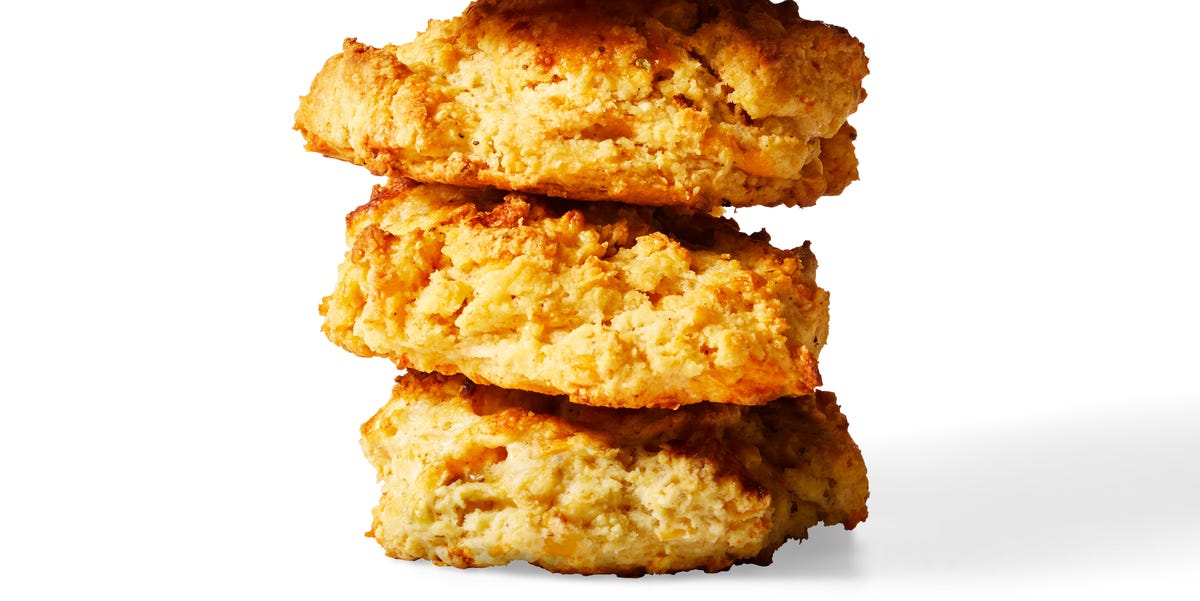
This best cheesy bay biscuits recipe produces golden, tender drop biscuits with crisp edges, a fluffy center, plenty of sharp cheddar, and a savory finish inspired by classic coastal seasoning. There is no yeast, kneading, rolling pin, or biscuit cutter involved. You simply mix, scoop, bake, and brush the tops with enough garlic butter to make everyone suddenly interested in helping with dinner.
The recipe uses cold butter and cultured buttermilk for tenderness, while baking powder and baking soda provide reliable lift. Sharp cheddar adds bold flavor without making the dough greasy, and a small amount of bay-style seasoning creates a subtle combination of paprika, celery salt, pepper, and warmth. The result is a from-scratch biscuit that feels restaurant-worthy but remains easy enough for a weeknight.
Cheesy Bay Biscuits Recipe at a Glance
- Prep time: 15 minutes
- Baking time: 14 to 17 minutes
- Total time: About 32 minutes
- Yield: 10 large biscuits or 12 smaller biscuits
- Difficulty: Easy
- Best served: Warm, preferably before someone else takes the last one
Why This Homemade Cheesy Biscuit Recipe Works
Cold butter creates a lighter texture
Cold butter remains in small pieces throughout the dough. In the oven, its water content turns to steam, helping create pockets of lift and a tender, irregular crumb. Grating the butter distributes it quickly without requiring a pastry cutter or prolonged mixing.
Buttermilk adds flavor and structure
Cultured buttermilk brings gentle acidity, a thicker consistency, and a pleasant tang. It activates the baking soda and helps the scooped dough hold its shape instead of spreading into cheesy pancakes. Whole milk can work in an emergency, but true buttermilk generally produces a fuller flavor and more dependable texture.
Sharp cheddar provides better cheese flavor
Mild cheddar can disappear beneath the garlic, butter, and seasonings. Sharp or extra-sharp cheddar stands up to those ingredients and gives every bite a noticeable savory character. Grating it from a block also helps it melt more evenly than many pre-shredded cheeses, which may contain anti-caking starches.
A drop-biscuit method keeps preparation simple
Traditional cut biscuits require patting, folding, and cutting. Those steps can create dramatic layers, but they also introduce more opportunities to warm the butter or overwork the dough. Drop biscuits trade perfectly symmetrical sides for speed, tenderness, and gloriously craggy tops that catch pools of garlic butter.
Ingredients for the Best Cheesy Bay Biscuits
For the biscuit dough
- 2 cups all-purpose flour, spooned and leveled (240 grams)
- 1 tablespoon baking powder
- 1/2 teaspoon baking soda
- 1 teaspoon granulated sugar
- 3/4 teaspoon kosher salt
- 1 teaspoon garlic powder
- 1/2 teaspoon onion powder
- 1/2 teaspoon Old Bay or another bay-style seasoning
- 1/8 teaspoon cayenne pepper, optional
- 1/2 cup cold unsalted butter (113 grams)
- 1 cup freshly shredded sharp cheddar cheese (about 113 grams)
- 3/4 cup cold cultured buttermilk
- 1 to 2 tablespoons additional buttermilk, only if needed
For the garlic-herb butter
- 3 tablespoons unsalted butter, melted
- 1/4 teaspoon garlic powder
- 1/2 teaspoon dried parsley
- Pinch of bay-style seasoning
- Pinch of kosher salt, or to taste
Ingredient notes and substitutions
All-purpose flour: For consistent results, weigh the flour or spoon it into the measuring cup before leveling it. Scooping directly from the bag can compact the flour and produce dry biscuits.
Buttermilk: Kefir is a useful substitute because it offers both acidity and body. A mixture of milk and lemon juice may work, but it is usually thinner, so begin with slightly less and add more only as necessary.
Cheddar: Sharp yellow cheddar gives the biscuits a familiar golden appearance. Sharp white cheddar is equally delicious. Pepper Jack, smoked cheddar, or a cheddar-Monterey Jack blend can be used for variations.
Bay-style seasoning: This ingredient adds salt and spice, so avoid increasing it aggressively until you have checked the label. Seasoning blends vary, and some contain considerably more salt than others.
Equipment You Will Need
- Large mixing bowl
- Box grater
- Whisk
- Flexible spatula or wooden spoon
- Large cookie scoop or two spoons
- Rimmed baking sheet
- Parchment paper
- Pastry brush
A cookie scoop is convenient but not mandatory. Rustic spoonfuls of dough taste exactly as good, even when they look as though they were shaped during mild turbulence.
How to Make Cheesy Bay Biscuits
Step 1: Preheat the oven
Position a rack in the center of the oven and preheat it to 425°F. Line a baking sheet with parchment paper.
Allow the oven to heat completely before mixing the wet and dry ingredients. Biscuit dough rises best when it enters a properly heated oven immediately after mixing.
Step 2: Combine the dry ingredients
In a large bowl, whisk together the flour, baking powder, baking soda, sugar, salt, garlic powder, onion powder, bay-style seasoning, and cayenne pepper.
Whisk for at least 20 seconds. This distributes the leavening and prevents one unfortunate biscuit from receiving the entire neighborhood’s supply of baking powder.
Step 3: Grate in the cold butter
Using the large holes of a box grater, grate the cold butter directly into the flour mixture. Toss gently with your fingertips until the butter pieces are separated and coated with flour.
Work quickly. The goal is not to blend the butter completely into the flour. Visible pieces are helpful because they create steam and tenderness during baking.
Step 4: Add the cheddar
Add the shredded cheddar and toss until it is evenly distributed. Coating the cheese with flour helps prevent it from gathering in heavy clumps at the bottom of the bowl.
Step 5: Add the buttermilk
Pour in 3/4 cup cold buttermilk. Fold with a spatula just until the flour is moistened and a thick, shaggy dough forms.
The mixture should be scoopable, not pourable. If dry flour remains at the bottom, add extra buttermilk one tablespoon at a time. Stop mixing as soon as the dough comes together. A few rough spots are much safer than a smooth, overworked dough.
Step 6: Portion the biscuits
Scoop 10 generous mounds of dough onto the prepared baking sheet, leaving about 2 inches between them. For smaller biscuits, divide the dough into 12 portions.
Do not flatten the mounds. Their uneven peaks will brown beautifully and provide extra surface area for the finishing butter.
Step 7: Bake until golden
Bake for 14 to 17 minutes, rotating the pan after approximately 10 minutes if your oven browns unevenly. The biscuits are ready when the tops are golden, the edges look set, and the centers no longer appear wet.
An instant-read thermometer inserted into the center should register roughly 200°F to 205°F, although visual cues are usually sufficient.
Step 8: Add the garlic-herb butter
While the biscuits bake, combine the melted butter, garlic powder, parsley, bay-style seasoning, and salt.
Brush the hot biscuits generously as soon as they leave the oven. Wait one minute, then brush them again with any remaining butter. This two-stage approach lets the first coating soak in while the second leaves an aromatic, glossy finish.
Cool for five minutes before serving. This brief rest gives the interior time to set and reduces the likelihood of someone burning a fingertip in the heroic pursuit of melted cheddar.
Essential Tips for Fluffy Garlic Cheddar Biscuits
Keep the ingredients cold
Warm butter blends into the flour and produces a more uniform, dense crumb. If your kitchen is hot, place the grated butter and mixed dry ingredients in the refrigerator for 10 minutes before adding the buttermilk.
Mix only until combined
Stirring flour with liquid develops gluten. Some gluten is necessary for structure, but too much makes biscuits chewy and tough. Fold slowly and stop as soon as no large pockets of dry flour remain.
Use fresh baking powder
Baking powder gradually loses effectiveness after opening. Test questionable baking powder by stirring a little into hot water. Vigorous bubbling indicates that it is still active.
Shred the cheese yourself
Freshly grated cheddar generally melts more smoothly and blends more naturally into dough. Pre-shredded cheese remains a convenient option, but the biscuit crumb may be slightly less cohesive.
Do not crowd the baking sheet
Leaving space around each mound encourages browning and crisp edges. Biscuits positioned close together will have softer sides, which may be desirable when serving them as pull-apart dinner bread.
Common Biscuit Problems and How to Fix Them
Why are my biscuits dry?
Too much flour is the most common cause. Weigh the flour when possible, and add another tablespoon of buttermilk if the dough refuses to hold together. Overbaking can also dry the centers, so begin checking the biscuits at 14 minutes.
Why did the biscuits spread?
The butter may have become warm, the dough may contain too much liquid, or the baking sheet may have been warm before the dough was portioned. Chill overly soft dough for 10 to 15 minutes before baking.
Why are the biscuits dense?
Dense biscuits often result from expired leavening, aggressive mixing, or an oven that was not fully preheated. Mix gently and move the dough into the oven without letting it sit on the counter.
Why did the bottoms burn?
Dark baking sheets absorb more heat and can brown the bottoms rapidly. Use a light-colored pan lined with parchment, position it on the center rack, and check the biscuits early.
Why is the flavor too salty?
Cheddar, salted butter, and bay-style seasoning may all contribute sodium. Use unsalted butter, check the seasoning label, and reduce the added salt when using an especially salty cheese.
Easy Cheesy Bay Biscuit Variations
Jalapeño cheddar biscuits
Fold in two tablespoons of finely diced pickled jalapeños. Pat them dry first so they do not introduce excessive moisture.
Bacon and chive biscuits
Add 1/3 cup cooked, crumbled bacon and two tablespoons of chopped chives. Reduce the salt slightly because bacon contributes plenty of seasoning.
Smoked cheddar biscuits
Replace half of the sharp cheddar with smoked cheddar. This version pairs particularly well with chili, tomato soup, and barbecue.
Extra-spicy bay biscuits
Increase the cayenne to 1/4 teaspoon and add a few dashes of hot sauce to the buttermilk. Keep the amount modest to avoid thinning the dough.
Gluten-free cheesy biscuits
Use a reputable cup-for-cup gluten-free baking blend containing xanthan gum. Gluten-free flour absorbs liquid differently, so allow the mixed dough to rest for five minutes before deciding whether it needs additional buttermilk.
What to Serve With Cheesy Bay Biscuits
These biscuits are bold enough to serve alone but versatile enough to accompany breakfast, lunch, or dinner. Try them with:
- Clam chowder, seafood stew, or creamy potato soup
- Tomato soup or roasted vegetable soup
- Chili, barbecue chicken, or pulled pork
- Scrambled eggs, bacon, and breakfast sausage
- Roast chicken, turkey, or glazed ham
- Chicken pot pie filling
- Green salads with a sharp vinaigrette
- Shrimp, crab cakes, or grilled fish
For breakfast sandwiches, split warm biscuits and fill them with eggs and bacon. For a quick appetizer, make smaller biscuits and serve them beside pimento cheese, whipped herb butter, or hot honey.
How to Store, Freeze, and Reheat the Biscuits
Room-temperature storage
Let the biscuits cool completely, then store them in an airtight container for up to two days. Place a paper towel beneath them to absorb excess surface moisture.
Refrigerator storage
Refrigeration can make bread products seem firm, but it is useful when the room is unusually warm or humid. Keep the biscuits tightly covered and use them within four days.
Freezing baked biscuits
Freeze cooled biscuits on a tray until firm, then transfer them to a freezer-safe container. For the best flavor and texture, use them within two months.
Reheating instructions
Warm room-temperature biscuits in a 325°F oven for 5 to 7 minutes. Frozen biscuits can be reheated at 350°F for approximately 12 to 15 minutes. Brush them lightly with melted butter after reheating to revive the fresh-baked aroma.
A microwave works in a hurry, but it can make the exterior soft. Wrap one biscuit in a barely damp paper towel and heat it in short intervals of 10 to 15 seconds.
Experiences and Lessons From Making Cheesy Bay Biscuits
The most important lesson with cheesy biscuits is that a beautiful dough is not necessarily a better dough. During mixing, the temptation is to keep stirring until everything looks polished and uniform. That instinct is useful for cake batter, but it is a tiny disaster wearing an apron when applied to biscuits. The best batches begin as rough, slightly untidy mounds with visible cheese and occasional streaks of butter.
Another useful discovery is that the cheese should contribute flavor, not merely color. Mild cheddar creates an attractive orange crumb, yet its personality can vanish once garlic butter enters the conversation. Sharp cheddar remains noticeable after baking, especially when it is grated from a block. Extra-sharp cheddar provides even more punch, although combining it with a smoother melting cheese can create a softer interior.
The temperature of the ingredients also makes a difference that is easy to see. A batch made with properly cold butter tends to rise into irregular, airy mounds. When the butter becomes soft while being grated, the dough feels greasy and the biscuits spread outward instead of upward. On warm days, refrigerating the assembled tray for 10 minutes is a simple insurance policy. That short pause is far less frustrating than staring through the oven door as the biscuits slowly transform into cheese-flavored stepping stones.
Seasoning requires restraint. It is tempting to add extra garlic powder, extra cheddar, extra bay seasoning, and perhaps a heroic spoonful of salt because savory food should be savory. However, cheddar and commercial seasoning blends already provide sodium. A balanced biscuit should taste buttery and cheesy first, with garlic and spices appearing behind them. The finishing butter is the safest place to make adjustments because it can be tasted before it is brushed onto the biscuits.
Size affects the experience as well. Large biscuits have soft centers and make excellent breakfast sandwiches, but smaller biscuits develop more crisp surface area. For a dinner party, twelve modest biscuits are convenient because guests can take one without feeling committed to a bread-based relationship. For brunch, ten large biscuits feel more generous and can hold eggs, bacon, or sliced ham without collapsing.
The garlic-herb butter should be applied while the biscuits are very hot. The first coat disappears into the crust almost immediately, carrying seasoning into the little cracks and ridges. A second coat provides shine and a stronger aroma. Brushing only once is acceptable, but brushing twice creates the kind of biscuit that makes people ask whether there are more in the kitchen while they are still chewing the first one.
Leftovers also reveal how versatile these biscuits can be. Split and toasted biscuits make sturdy breakfast bases. Cubed leftovers can become savory croutons for tomato soup or salad. Slightly stale biscuits can be crumbled over a casserole, layered into a breakfast bake, or used as the topping for a creamy chicken filling. They rarely need to be discarded; they simply move into their next career.
Finally, serving temperature matters more than elaborate presentation. A warm biscuit with crisp edges and melting cheese will outperform an artistically arranged cold biscuit every time. Bake them as close to dinner as practical, place them in a towel-lined basket, and serve the basket promptly. Fancy plates are optional. Quick hands may be necessary.
Final Thoughts
The best cheesy bay biscuits combine convenience with the flavor of serious comfort food. Cold butter creates tenderness, buttermilk supplies tang and moisture, sharp cheddar delivers depth, and garlic-herb butter turns the craggy tops into the main attraction.
Because this is a drop-biscuit recipe, there is no rolling, folding, or precision cutting to manage. The entire batch can be ready in a little over half an hour, making it practical for weeknight soups, holiday dinners, casual brunches, and those evenings when the side dish becomes far more exciting than the meal it was supposed to support.
Note: Flour brands, cheese moisture, seasoning blends, and oven temperatures vary. Use the dough consistency and golden appearance as your primary guides, adding extra buttermilk only when necessary.